
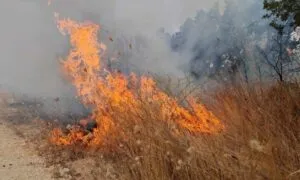
It's October, and Macedonia Is Still Burning: 30 Fires in a Single Day, Five of Them at Landfills and Rubbish Dumps
09.10.2026


09.10.2026

09.10.2026
09.10.2026
09.10.2026
09.10.2026
09.10.2026
09.10.2026

08.10.2026

08.10.2026

09.10.2026

09.10.2026

08.10.2026

09.10.2026

09.10.2026

09.10.2026

09.10.2026

08.10.2026

07.10.2026

09.10.2026

09.10.2026

09.10.2026

09.10.2026

09.10.2026
08.10.2026
09.10.2026

08.10.2026

07.10.2026
08.10.2026

06.10.2026

05.10.2026

23.04.2026

23.04.2026

12.04.2026

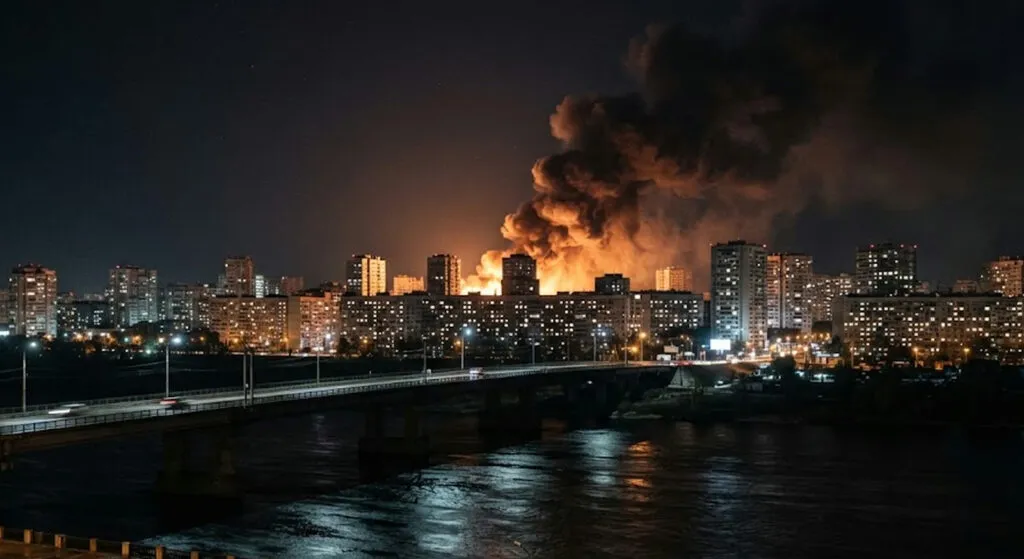
On the night Vladimir Putin turned 74, Ukraine was counting missiles. According to President Volodymyr Zelensky, Russia fired a total of 70 missiles, many of them ballistic, along with Shahed drones. Kyiv and 12 other regions were attacked, and the main target was once again energy infrastructure. The toll by morning: at least 11 dead and 36 injured.
The worst hit was Pryluky, in the Chernihiv region. A five-storey building collapsed there, five people were killed and 26 injured, including five children. Zelensky warned there may still be people under the rubble.
The list of places hit looks like a map of the whole country. In Dnipro five residential buildings were damaged, in Kremenchuk four apartment blocks, with two people killed and eight injured. In Zaporizhzhia a drone struck an apartment block. Two people died in Kyiv, and two more in Oleksandriia.
Kyiv: the explosions began at 3:15 am
In the capital, the first powerful explosions were heard at around 3:15 am local time. Before that, the Ukrainian Air Force warned that several Russian Tu-95 strategic bombers were approaching the border, and drones had set off towards Kyiv as early as around 9 pm. "The missiles are falling one after another. As far as I can count, there were at least ten to twelve explosions. It's extremely loud in the centre," one reporter on the ground described.
Mayor Vitali Klitschko said a "non-residential area" was hit in the Obolon district, and warehouses were hit in Podil. Burning missile debris also fell in the Shevchenkivskyi and Darnytskyi districts. Footage from the city shows metro platforms turned into shelters, with tents, sleeping bags and mattresses next to the tracks.
The strike had been announced
Zelensky had urged citizens the day before to take the warnings seriously: he had intelligence that Russia was preparing a massive strike. "A lot depends on our partners, on every country in the world that has the defence capabilities we need. It is very important that there is political will for that, especially in the United States of America and in Europe," he said. After the attack he again asked for help with missiles for the Patriot systems, saying Russian ballistic missiles remain the biggest challenge.
The Balkans remember that sentence well. When a city's protection depends on the "political will" of distant capitals, the warning can arrive on time and the defence can still come too late. In the previous days Russia had also targeted the bridges over the Dnipro in Kyiv, and the night before, drone debris fell on a residential area and set cars on fire.
Birthday wishes from Beijing, Minsk and Pyongyang
In Moscow, meanwhile, the birthday protocol was under way. Putin's aide Yuri Ushakov said the schedule included a series of phone calls with foreign leaders. Written congratulations had arrived by the morning, including from Chinese President Xi Jinping. Kremlin spokesman Dmitry Peskov added that for the head of state, his birthday is rarely a real holiday.
Belarusian President Alexander Lukashenko thanked Putin for his commitment to bringing Moscow and Minsk closer and mentioned the building of a union state. North Korean leader Kim Jong Un wrote in his telegram that under Putin's leadership Russia had shown its position as a "prosperous country".
In Pryluky, rescuers were searching the rubble; in the Kremlin, the congratulations were piling up. And the list of those sending them - Beijing, Minsk, Pyongyang - says more about who Moscow's friends are today than any official statement about peace.
The latest 10 news from this category
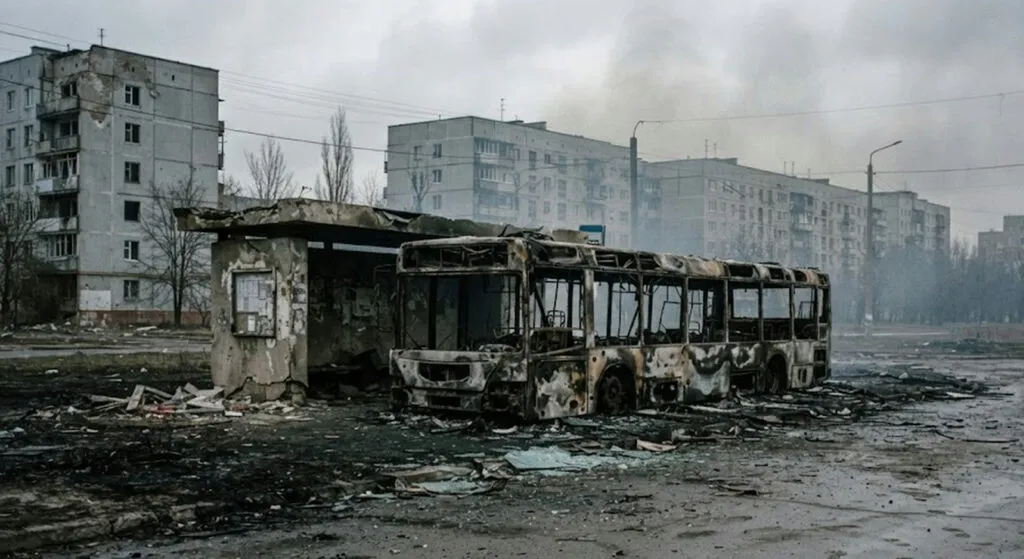
A guided bomb on the bus station, two buses in flames, 33 dead and 18 wounded. The governor of the...
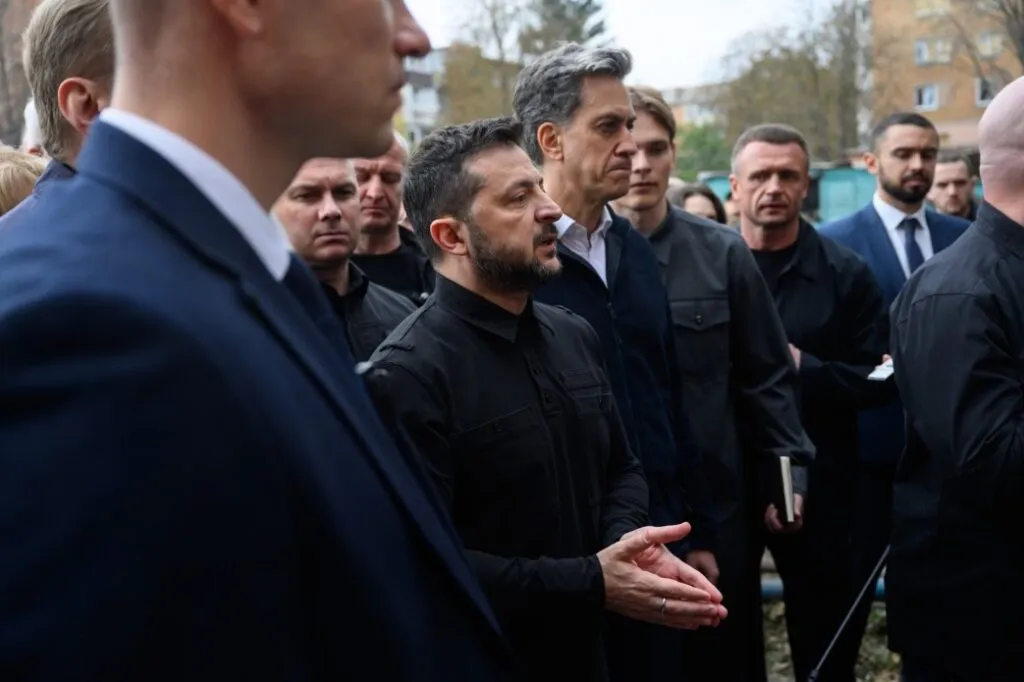
While Rubio talks of a "dangerous stalemate", Ukraine counts 78 dead in two days. Zelensky wants sanctions and Starlink, and...
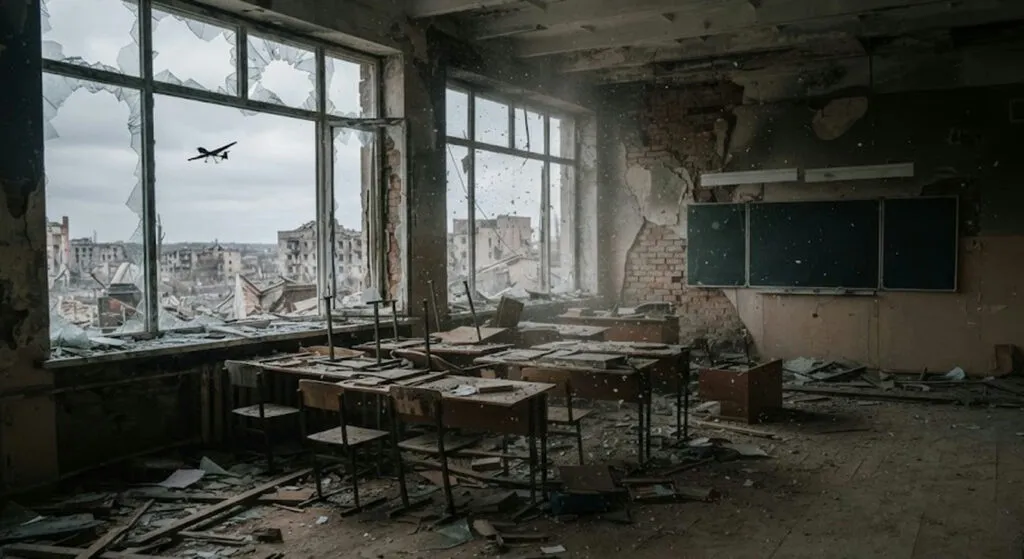
Russia's Defence Ministry lists schools, a court and a stadium, Ukraine's General Staff counts attacks, and ISW analysts see no...
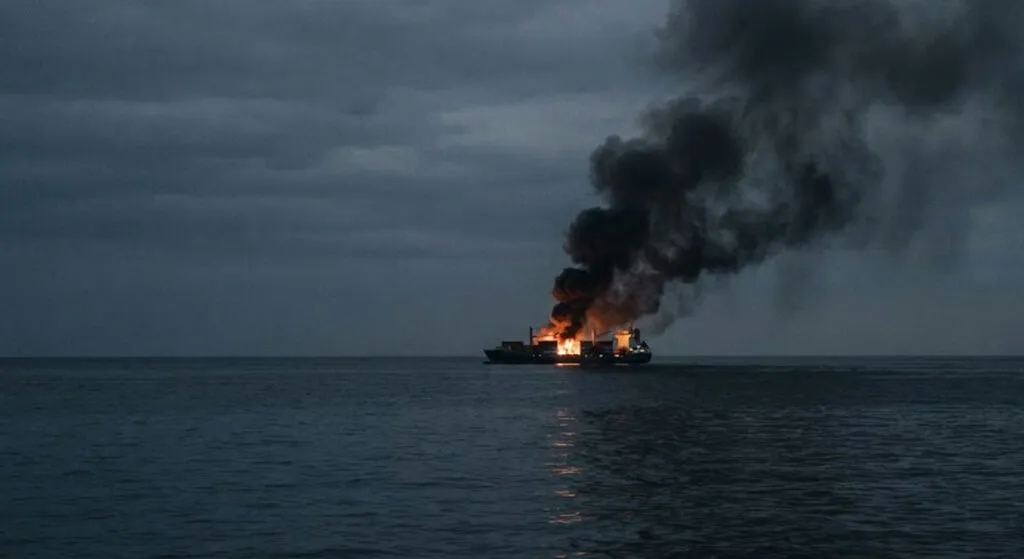
One cargo ship is on the seabed, its crew is gone, and a NATO member state says it can't say...
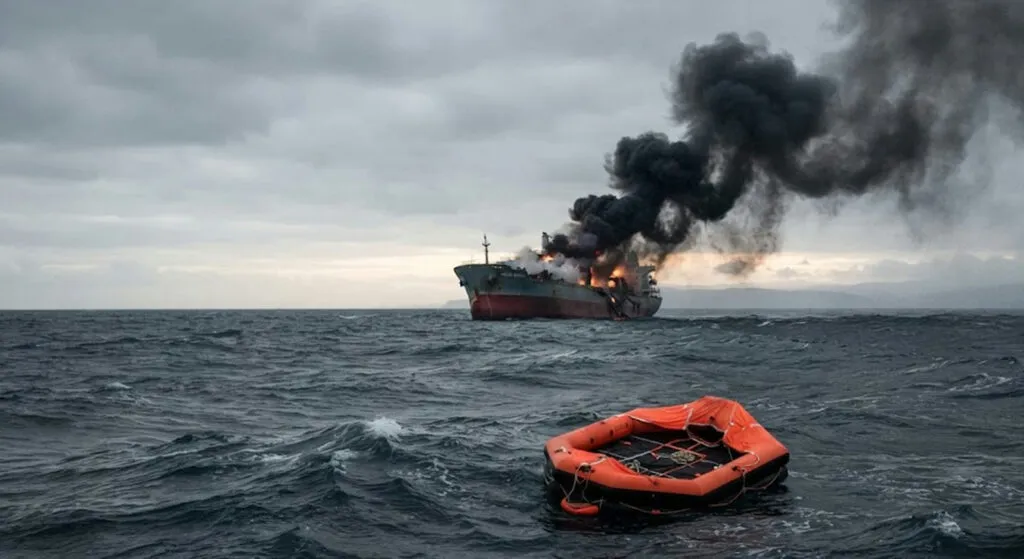
Two merchant ships hit, one on the seabed, and rescuers find only capsized life rafts. According to available information, this...
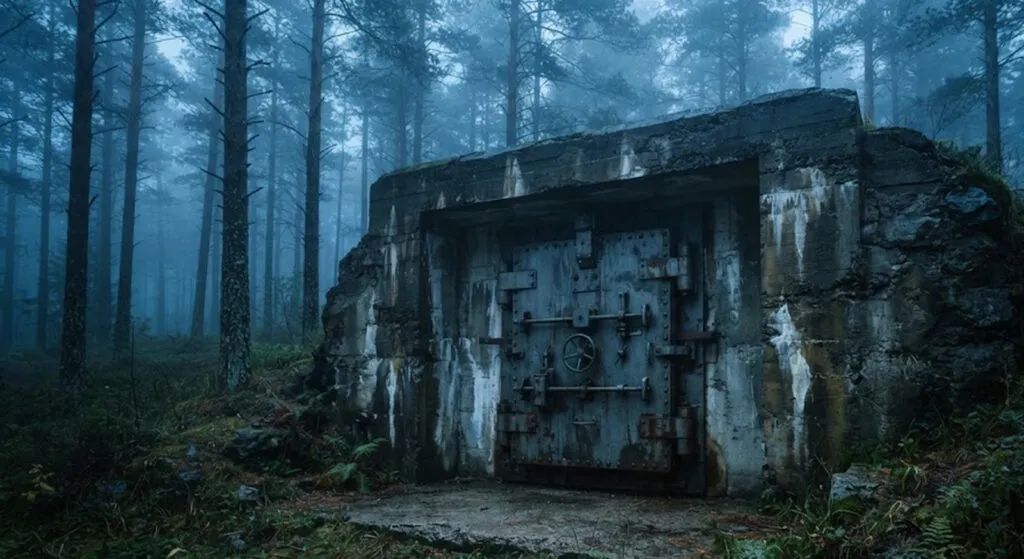
106 MPs voted to scrap a constitutional ban more than three decades old, and Medvedev is already threatening to wipe...
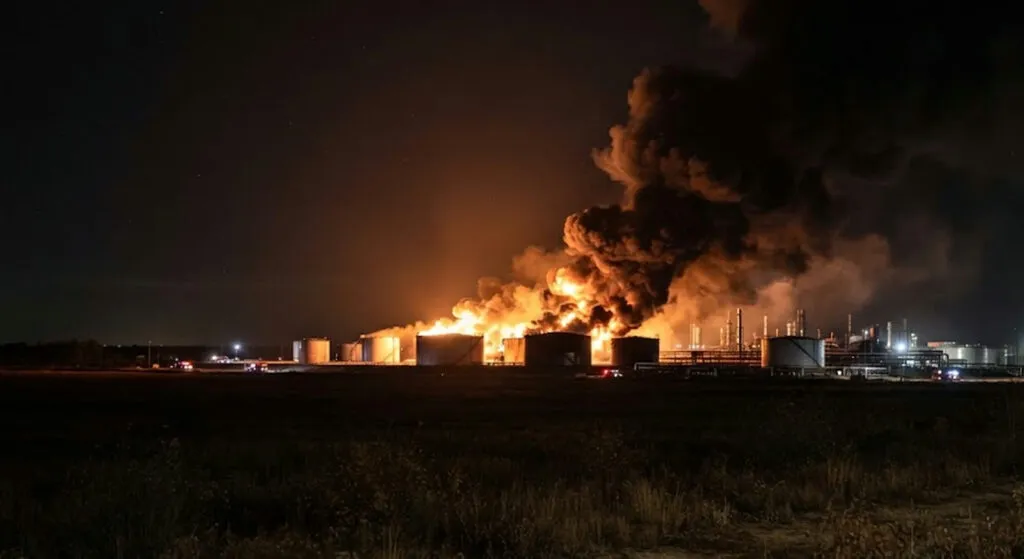
Two dead, nine injured, airports restricted and a fire at "Volodarskaya", where fuel flows straight to Vnukovo, Domodedovo and Sheremetyevo....

The 2022 truce is dead, Taiz is surrounded, and Saudi Arabia is directly back in the war. When the news...
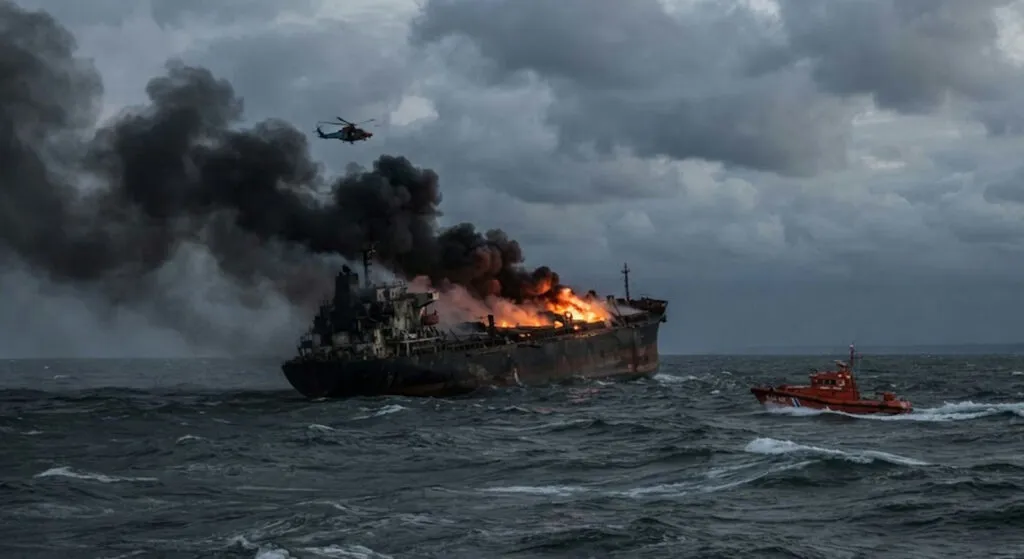
The ship left a Ukrainian port bound for Ravenna and ended up on the seabed 37 kilometres off the Romanian...
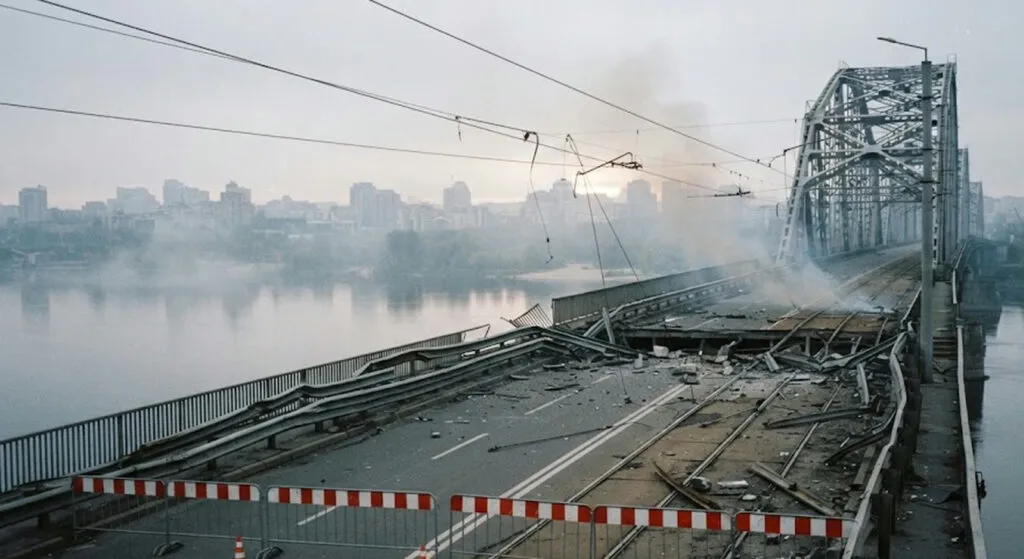
The bridges over the Dnipro don't have to fall for the city to grind to a halt - it's enough...
This site uses cookies - is that okay? Learn more
Be the first to know when Metla launches something new
Leave your email and we will write when there is a new guide or something new on Metla.

