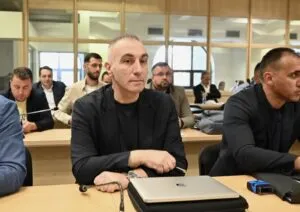
The "Lottery" Trial: 231 Pieces of Evidence, and So Far Not a Single Message Between Grubi and Bajrami
24.09.2026


24.09.2026
24.09.2026
24.09.2026
24.09.2026
24.09.2026
24.09.2026

24.09.2026

23.09.2026

22.09.2026

24.09.2026

24.09.2026

23.09.2026

24.09.2026

24.09.2026

24.09.2026

24.09.2026

23.09.2026

22.09.2026

24.09.2026

24.09.2026

24.09.2026

24.09.2026

23.09.2026

23.09.2026

09.03.2026

27.02.2026

19.02.2026
24.09.2026
23.09.2026
22.09.2026

23.04.2026

23.04.2026

12.04.2026

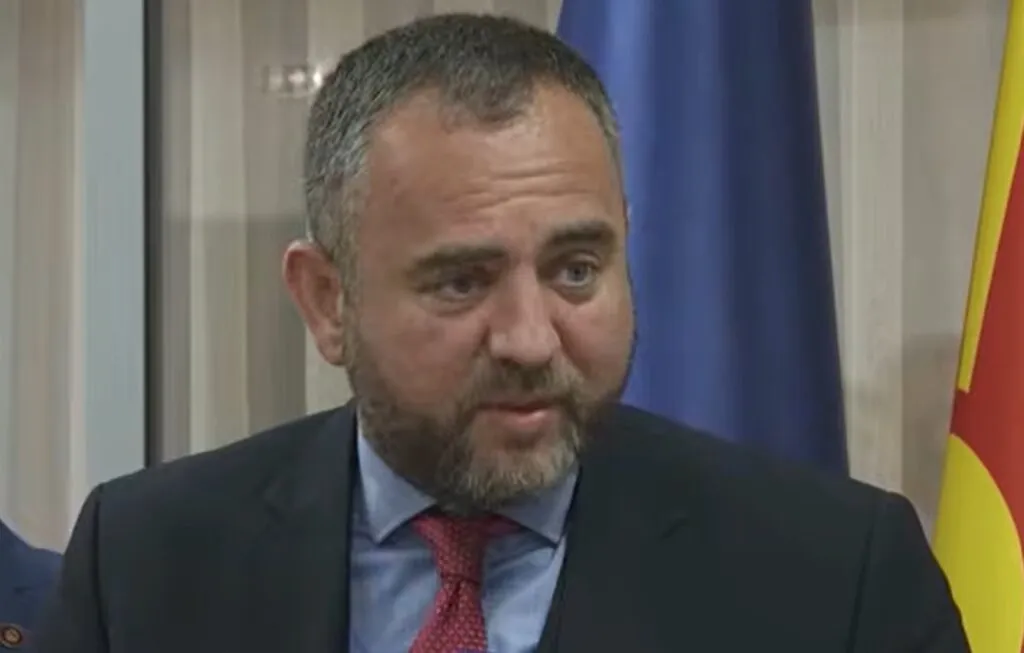
The state is opening a hunt for fake sick leave, and the police are joining in. Interior Minister Pance Toskovski said there is "major abuse of sick leave" in both the public and private sectors, that the police will provide support, and that human rights will be respected in the process. Exactly how - he didn't say. When journalists asked him about the Health Insurance Fund's announcement of joint inspections with the Interior Ministry, he replied that he hadn't heard that statement.
The irony is in the numbers. The only concrete evidence of the scale of abuse that institutions have produced so far comes from the Interior Ministry itself. At the ministry's own request, the Health Insurance Fund checked 80 police employees with a total of 514 sick leave episodes in the second half of 2025. Irregularities were found in 29 of them. Of the 514 sick leaves, 100 had been issued improperly or carelessly. One employee changed their family doctor four times in a year and a half to string together consecutive sick leaves under different diagnoses.
What's changing
Fund director Zlatko Perinski announced that family doctors will be able to open sick leave on their own for up to five days, instead of the current seven. Anything longer will go through stricter electronic records and medical boards. Home-address checks have also been announced - following a report from an employer or at random. If the insured person isn't found at home, they will have to explain to a medical board where they were. The inspections will also be carried out in cooperation with the Public Revenue Office and the Interior Ministry.
Health Minister Saso Klekovski says there is "sick leave inflation", that some is issued over the phone and that five days is quite enough. "There are situations where people on sick leave post photos from a holiday in Italy on Instagram," he said, adding that the model had been compared with Slovenia's. But the same minister admitted that monitoring a sick person's movements is currently not regulated by law, and that a law is needed for it.
That is the key sentence in the whole story. Visits to sick people's homes are being announced, with the police as a partner, while the legal basis for monitoring their movements, by the minister's own admission, has yet to be created. Who will answer for it if an inspector knocks on the wrong door?
Who actually costs money
General practitioners oppose the cut to five days, because for many diagnoses it simply isn't enough. They also point out something obvious: a person on sick leave doesn't have to be at home all the time - they go to therapy or to check-ups.
Look at the Fund's own numbers, too. In August alone, 623.1 million denars were paid out in sick-leave-related benefits. Of that, 414 million was maternity leave - something nobody calls abuse. That leaves around 209 million for all other sick leave. Abuse should be cut, and the Interior Ministry example shows it exists. But when the measure boils down to five days for everyone and police at the door, the question is whether they're hunting cheats or frightening the sick.
The latest 10 news from this category

The square metres and parking spaces were announced down to the last one. How many people will be hired and...

The mayors offered a "favourable business climate" and raw materials. The only concrete thing to come out of the meetings...
The city has announced round-the-clock video surveillance against illegal dumps and vandals, and the cameras haven't even been bought yet....
Residents want the trucks serviced; the company wants better packaging. Meanwhile, 650 cubic metres of illegal dumps were cleared in...
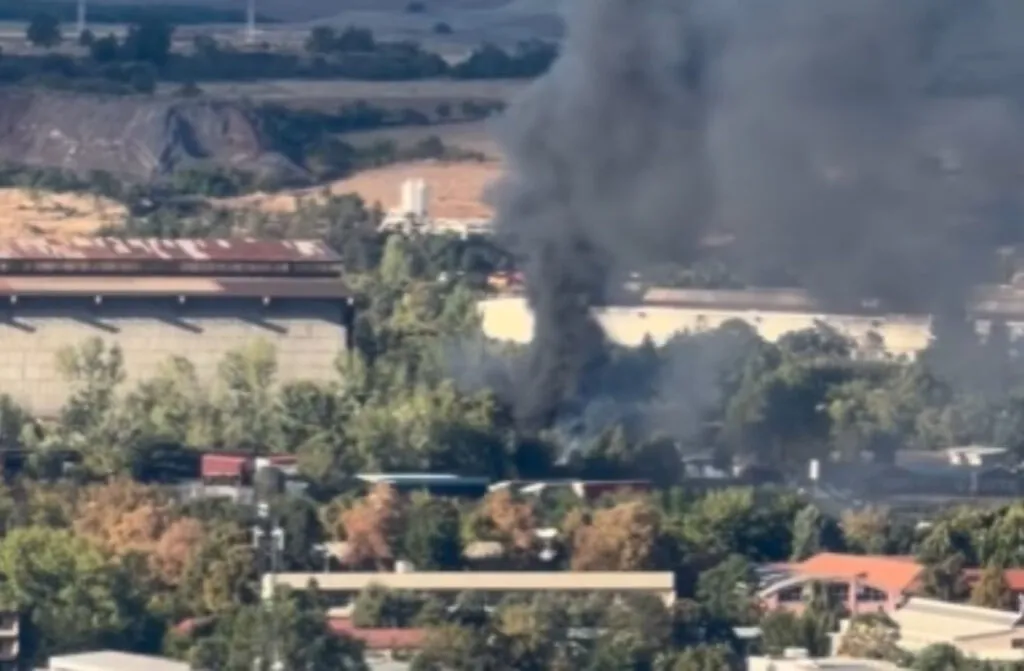
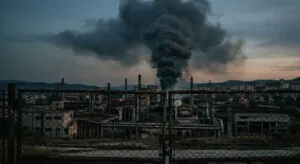
According to the Crisis Management Center, a paint and varnish warehouse was on fire. That explains why the smoke was...
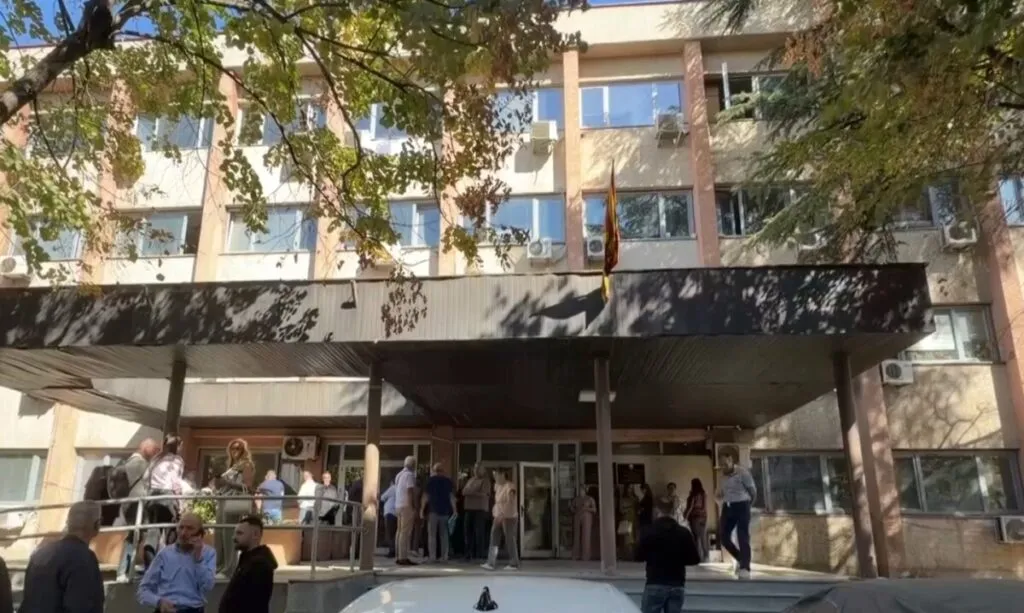
The union says staff have endured insults and threats from the court president for years. She says this is really...
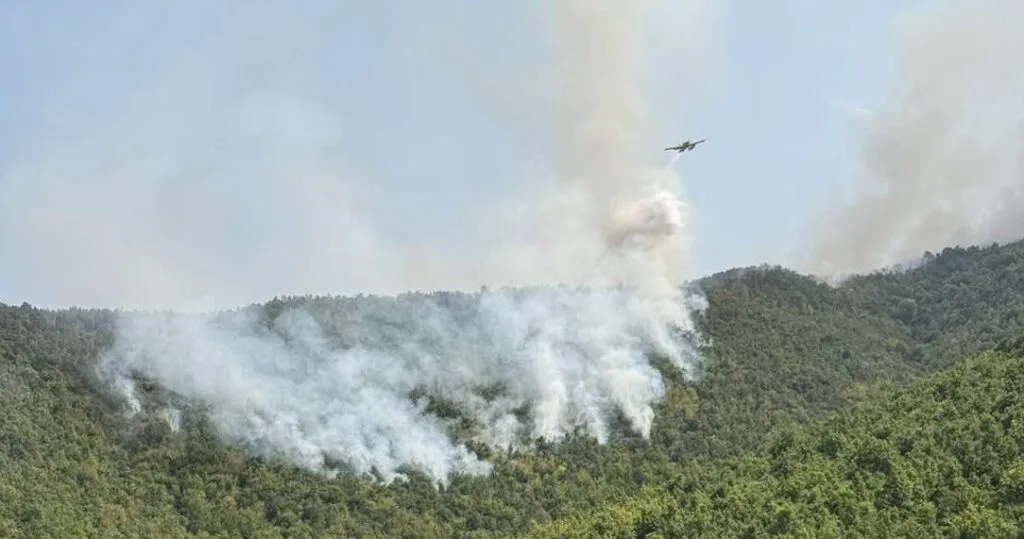
The state audit found a system that responds well and plans badly. The reforms were demanded by the EU screening...
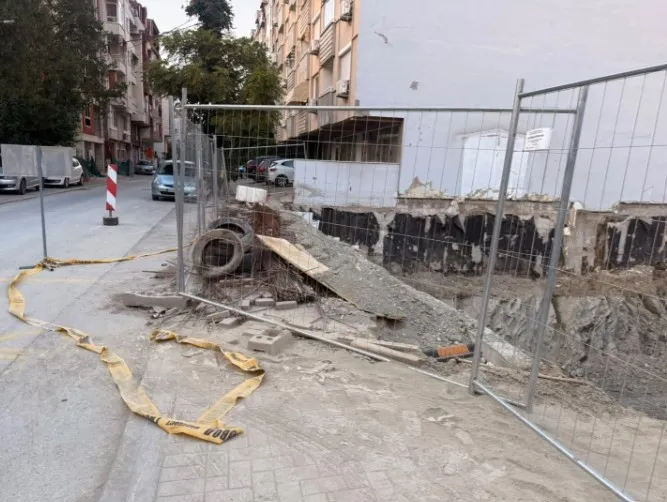
To fine a bar that is too loud, a citizen has to file a complaint at the municipal Registry. The...
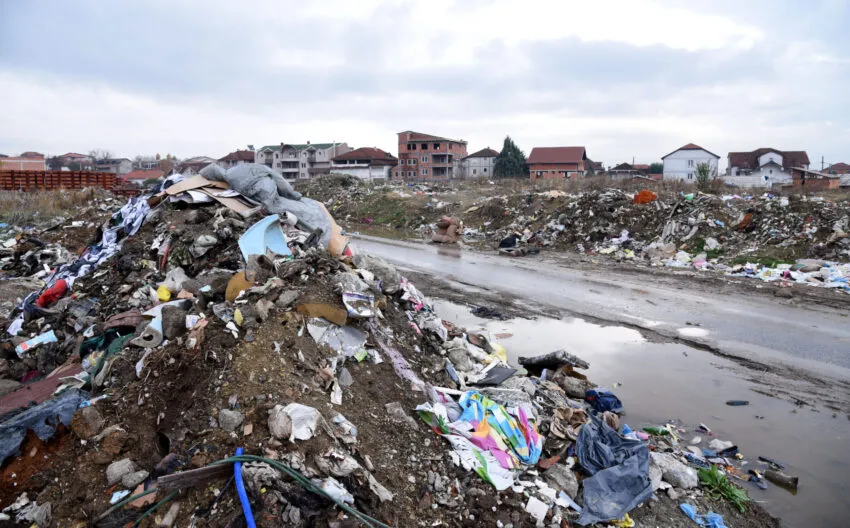
In Montenegro the same offence costs up to 2,000 euros. But the fine is not the only problem: Skopje's municipal...
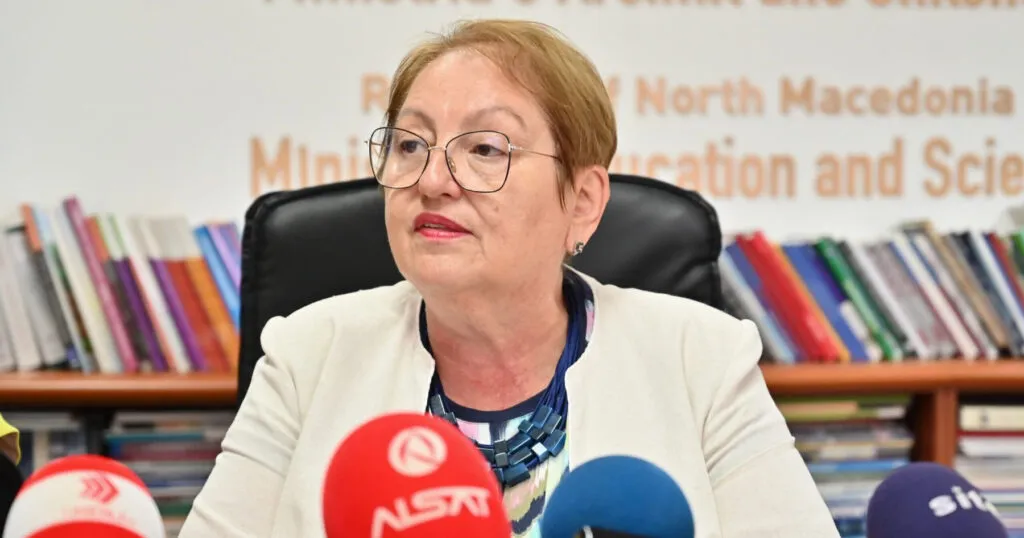
A month and a half ago 4,900 first-graders were missing, now it is 1,500. Nothing decreased - the data simply...
This site uses cookies - is that okay? Learn more
Be the first to know when Metla launches something new
Leave your email and we will write when there is a new guide or something new on Metla.