АЛТА БАНКА: ЖРТВА ИЛИ РАЗУМНА ОДЛУКА
31.10.2026


31.10.2026

31.10.2026

31.10.2026

31.10.2026

31.10.2026

31.10.2026

31.10.2026
31.10.2026

30.10.2026

31.10.2026

31.10.2026
30.10.2026

31.10.2026

31.10.2026

31.10.2026

31.10.2026
30.10.2026

29.10.2026

31.10.2026

31.10.2026

31.10.2026
31.10.2026
31.10.2026

31.10.2026

23.04.2026

23.04.2026

12.04.2026

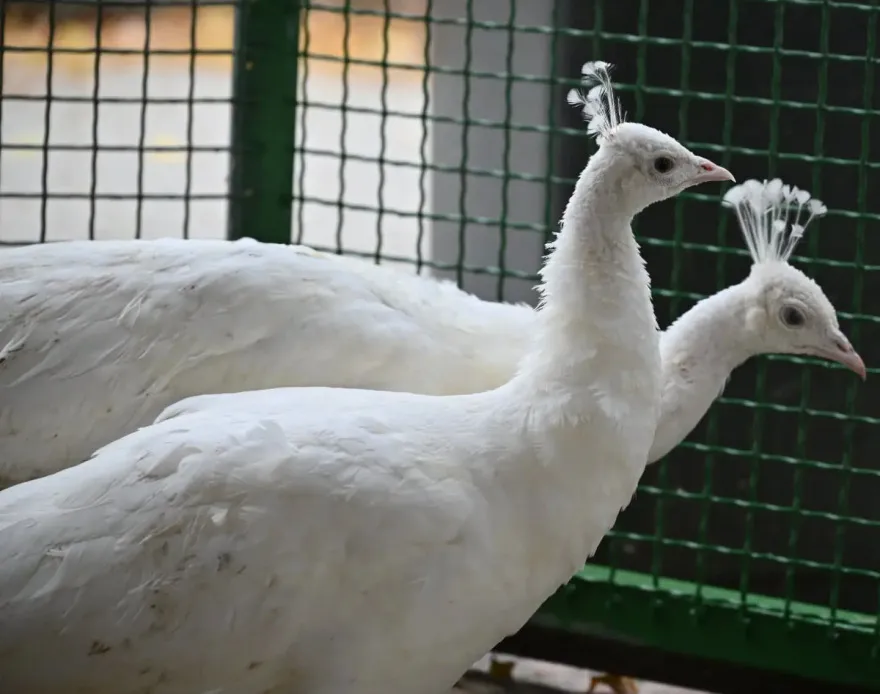
Skopje Zoo got a present for its 100th birthday: Patagonian maras, rheas, Cape Barren geese, white peacocks and swans. The new residents are in mandatory quarantine under veterinary supervision for now, and visitors will be able to see them soon. At the same time, Bitola Zoo also got five new animals - a sacred ibis, an African serval cat, an owl, a Barbary sheep and an American raccoon, donated by Belgrade Zoo, which Bitola has been working with for decades.
Marking the anniversary, Skopje Mayor Orce Gjorgjievski says that in less than a year in office the zoo's animal collection has grown and "significant modernisation works" have begun: renovating and building enclosures, new roofs, a new play park for children. "Every living being deserves care, respect and a dignified life. That must be the yardstick for every investment we make," he said.
A hundred years of memories and old problems
The story began in 1926, when a commission led by biologist Dr. Stanko Karaman laid the foundations on just four hectares. After the 1963 earthquake, the city decided on a new layout, and over time the grounds grew to around 12 hectares. Today some 500 animals from around a hundred species live there. For many generations of Skopje residents, their first encounter with a lion or a giraffe happened right here.
But a hundred-year history isn't just childhood memories. In June this year, the animal protection association "Anima Mundi" demanded the urgent closure of Skopje Zoo and a detailed inspection of every enclosure. In September a new row broke out over posts about allegedly poor conditions and empty cages, and the management rejected claims that the animals were hungry and neglected, saying a complete overhaul was under way.
New peacocks and swans make nice news for a weekend stroll. But a zoo isn't measured by the number of new species or new fences - it's measured by how the animals already there are living. When will we hear more about veterinary care, feeding and the space inside the enclosures, rather than just how many new residents have arrived?
The latest 10 news from this category

The war ended 108 years ago and Bitola is still digging it up: one bomb disposal expert, three pensioners on...

A 48.8 million denar contract and a new deadline of one year. The question of who asphalted the road and...

A 4.5-kilometre network, connections for every household and a photo with the prime minister. The deadline wasn't in the press...

Two mayors, a red ribbon and the word "mega". The space really has been saved from concrete. The only missing...

The routes are "unprofitable", the prices are "maximums" and the territory "remains covered". Passengers will see what that means at...

The wooden structure below Stiv was so ruined it had to be closed off. Now horses are carrying the materials,...

Ohrid's council voted for pricier water through 2029 and pricier services from the "Niskogradba" utility. The companies call it minimal;...

Mayor Kamčev lists project after project, most of them paid for with state money and the Hungarian loan. How much...
A draft law, seven bylaws and national plans running to 2037. Sounds serious - but both the minister and the...
Centar municipality is reworking the pilot project after talks with the police and is waiting for sign-off. A pedestrian neighbourhood...
This site uses cookies - is that okay? Learn more
Be the first to know when Metla launches something new
Leave your email and we will write when there is a new guide or something new on Metla.