Double Billing for Eye Surgery: Court Takes Nine Suspects' Passports, While Up to 4,000 Patients Still Don't Know Who Pays Them Back
31.10.2026


31.10.2026

31.10.2026

31.10.2026
31.10.2026

31.10.2026
31.10.2026
31.10.2026
30.10.2026

29.10.2026

31.10.2026

31.10.2026

30.10.2026

31.10.2026

31.10.2026

31.10.2026

31.10.2026

30.10.2026

29.10.2026

31.10.2026

31.10.2026

31.10.2026

31.10.2026
31.10.2026

31.10.2026

23.04.2026

23.04.2026

12.04.2026


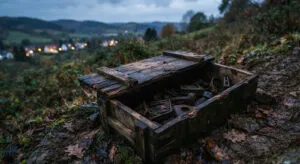
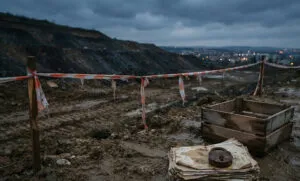
The First World War ended in 1918. In Bitola, the digging continues. In the old barracks below Tumbe Kafe, more than 1,700 hand grenades and rifle grenades have been pulled out in recent days, taking the total at that site past 4,000. According to the director of the Protection and Rescue Directorate, Stojanče Angelov, the nearest houses are 200 metres away as the crow flies.
Angelov expects more than 1,000 further bombs and other unexploded ordnance. And that's not the only place. According to him, there are several more critical sites around Bitola with reports of hundreds, and in some places thousands, of devices. In 2020, near the stadium, around 12,000 artillery shells were found. These two sites alone account for over 16,000 explosive devices in six years, and there's no complete public record of what has been found since 1918.
Who's clearing all this?
This is where the story stops being history. Macedonia has only two professionally employed bomb disposal experts left, who have to cover the entire country. In the spring operation the bombs were pulled out by Bitola's bomb disposal expert Gjorgji Stefanov, alone. Now he's being helped by three Interior Ministry pensioners, two former members of the "Tigers" unit and one from the Anti-Terrorism Section, hired on service contracts.
Angelov says one more expert is being hired and that he expects them before New Year. There are no ready-made staff anywhere, he says, and young people have to go through three-stage training lasting at least a year and a half. Under changes to the Law on Protection and Rescue, the pensioners can be engaged for about another ten years.
So one of the most dangerous trades in the country hangs on a few people and the goodwill of pensioners. For bombs that have been lying there since 1918. Why does training new experts only start once the old ones are leaving?
Bitola was under artillery fire for almost two years, and today families live above that ground. Angelov urges citizens not to touch anything that looks like a bomb, shell or projectile and to call 112 at once. They look old and rusty, he says, but they are extremely dangerous and can go off on impact. In Bitola that isn't a metaphor for the past. It's an instruction for digging foundations.
The latest 10 news from this category
A 48.8 million denar contract and a new deadline of one year. The question of who asphalted the road and...

A 4.5-kilometre network, connections for every household and a photo with the prime minister. The deadline wasn't in the press...

Two mayors, a red ribbon and the word "mega". The space really has been saved from concrete. The only missing...

The routes are "unprofitable", the prices are "maximums" and the territory "remains covered". Passengers will see what that means at...
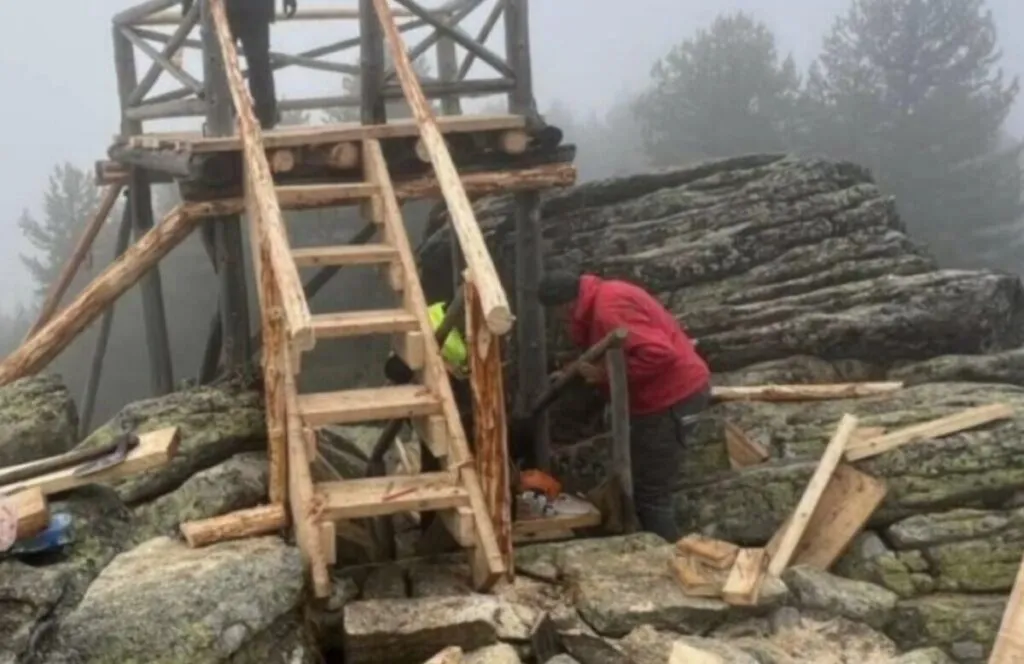
The wooden structure below Stiv was so ruined it had to be closed off. Now horses are carrying the materials,...
Ohrid's council voted for pricier water through 2029 and pricier services from the "Niskogradba" utility. The companies call it minimal;...
Mayor Kamčev lists project after project, most of them paid for with state money and the Hungarian loan. How much...
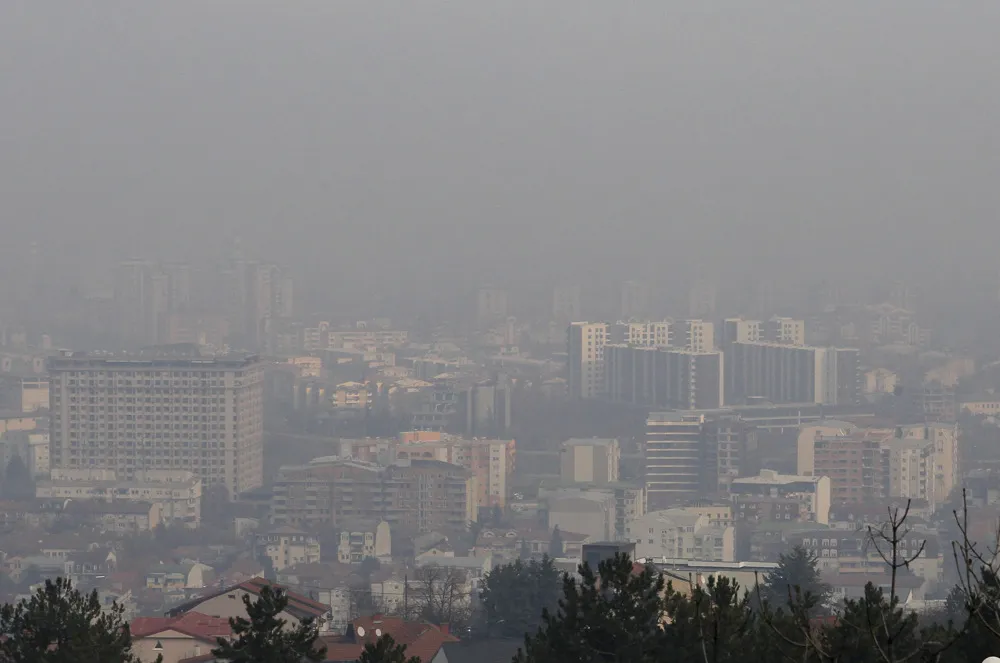
A draft law, seven bylaws and national plans running to 2037. Sounds serious - but both the minister and the...
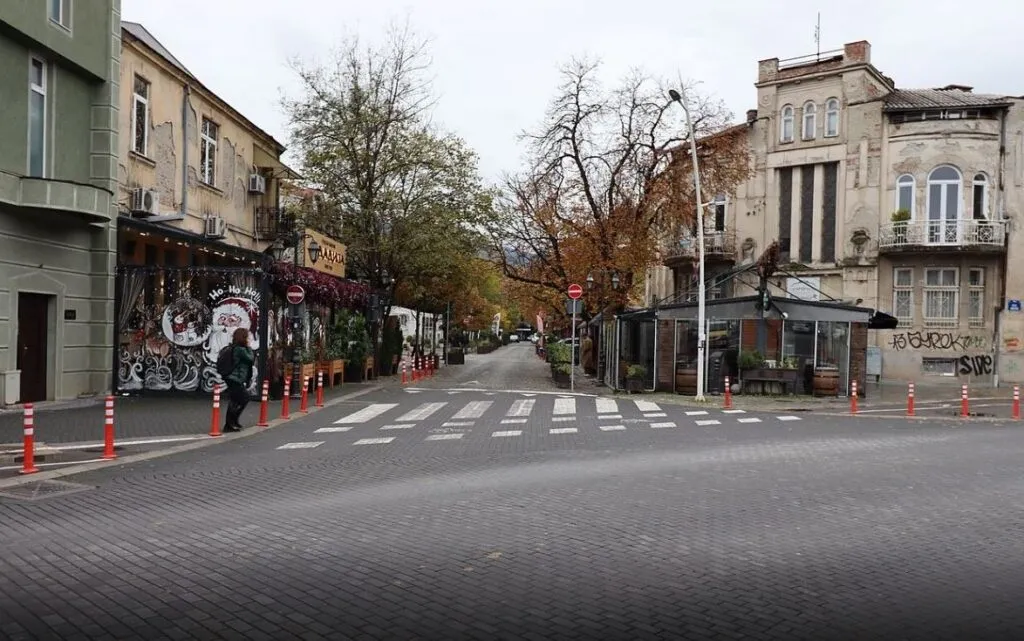
Centar municipality is reworking the pilot project after talks with the police and is waiting for sign-off. A pedestrian neighbourhood...
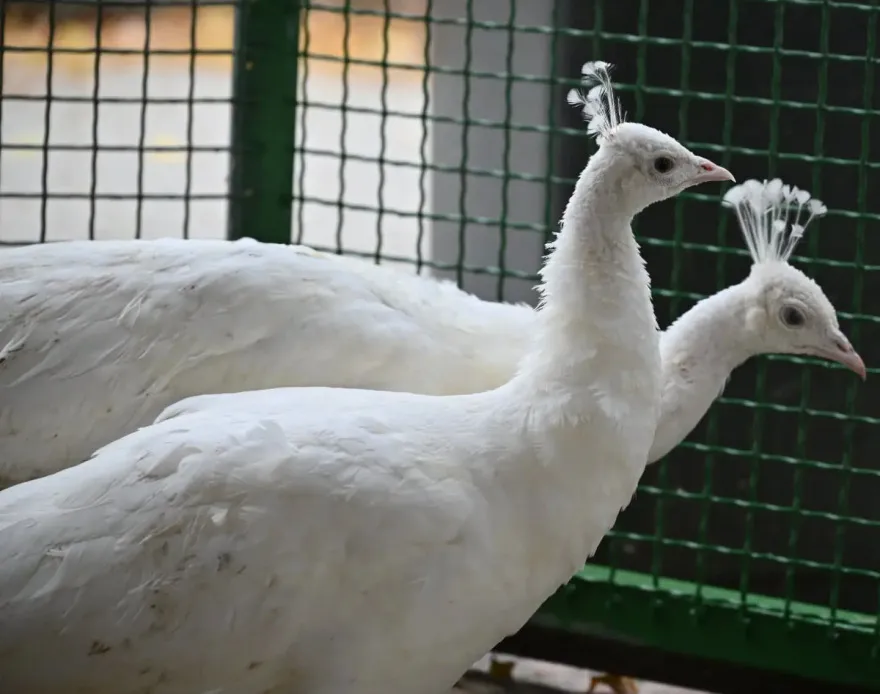
New residents in both Skopje and Bitola, and the mayor talks of modernisation. Just months after an association demanded Skopje...
This site uses cookies - is that okay? Learn more
Be the first to know when Metla launches something new
Leave your email and we will write when there is a new guide or something new on Metla.