
Cancer Drug in a First Aid Kit at Bogorodica: Why Was the Driver Also Carrying 30 Labels?
22.10.2026


22.10.2026

22.10.2026

22.10.2026

22.10.2026

22.10.2026

22.10.2026

22.10.2026

21.10.2026

20.10.2026
22.10.2026
22.10.2026
21.10.2026

22.10.2026
22.10.2026

22.10.2026

22.10.2026

21.10.2026

20.10.2026

22.10.2026

22.10.2026

21.10.2026

22.10.2026

21.10.2026

20.10.2026
20.10.2026

19.10.2026

17.10.2026

23.04.2026

23.04.2026

12.04.2026

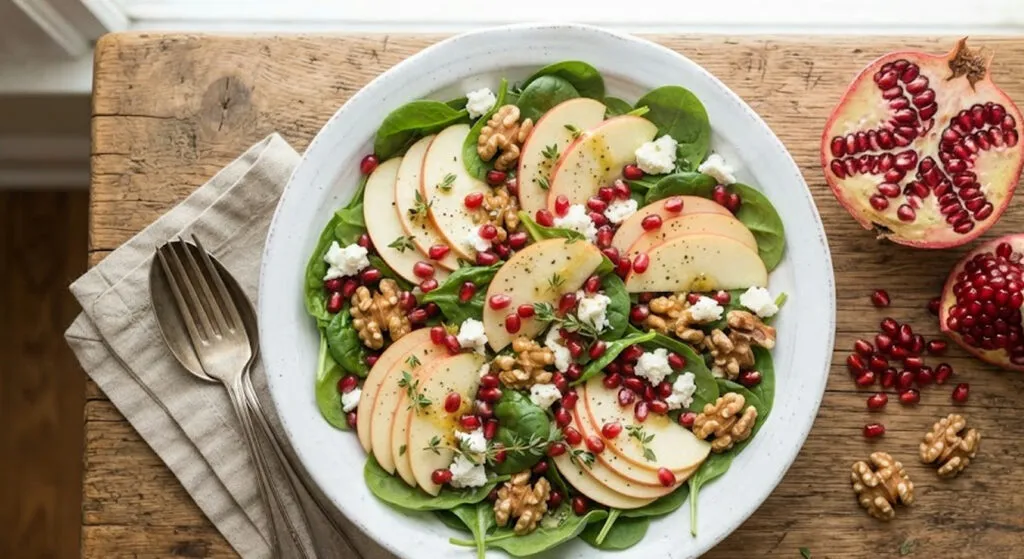
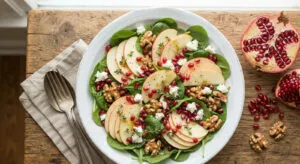
In Gevgelija and Valandovo, pomegranate in autumn isn't exotic, it's part of the market. For most of us, though, it ends up like this: seeded into a bowl for dessert, or forgotten in the fruit bowl until the skin hardens. Yet the pomegranate does the most work where we look for it least - in a savoury salad.
First the numbers. The seeds contain fibre, vitamin C and polyphenols such as anthocyanins, which give them their red colour. The fruit is full of water and moderate in calories, around 83 kilocalories per 100 grams of seeds. So there's no reason to hold back.
Five reasons pomegranate should end up in your salad:
1. Texture. The seeds burst easily between your teeth and add a crunch no vegetable salad has on its own. 2. Balance. The sweet-sour taste tames salty and strong ingredients - cheese, roasted vegetables, walnuts. 3. Season. It goes with everything on the market in autumn: pumpkin, sweet potato, mushrooms, beetroot, red cabbage, spinach, pear, apple and walnuts. 4. Looks. Red seeds on green leaves or roasted vegetables make an ordinary salad look like it came from a restaurant. 5. Dressing. Pomegranate juice, olive oil, vinegar or lemon and salt are enough for a dressing that needs nothing from the shop.
Combinations worth trying, all easy and quick: spinach, pomegranate and apple in 15 minutes; bulgur with pomegranate and chickpeas in 25 minutes; persimmon, mozzarella and pomegranate; roasted pumpkin with pomegranate and rocket; chickpeas, pomegranate and roasted pepper; lamb's lettuce with chestnuts, pear and pomegranate; mandarins, mozzarella and pomegranate; and even chicken with pomegranate, ready in 15 minutes.
The seeding trick that saves your kitchen from red stains is as old as the pomegranate itself: cut it in half, hold it seeds-down over a deep bowl and tap the skin with a wooden spoon. The seeds fall out on their own, without the white membranes that taste bitter.
The latest 10 news from this category
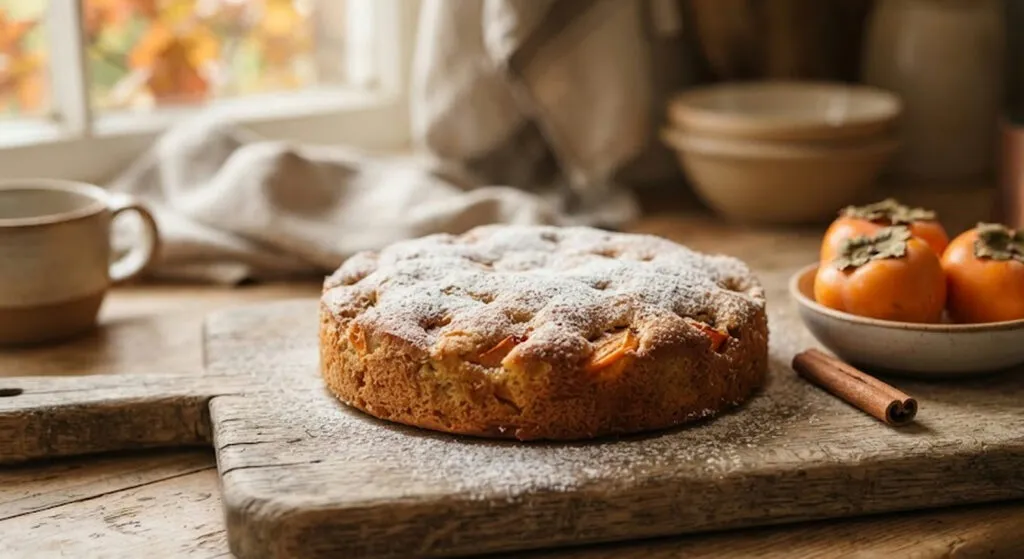
The persimmons that have gone too soft to eat are exactly the ones you need. A recipe for a 22-centimetre...
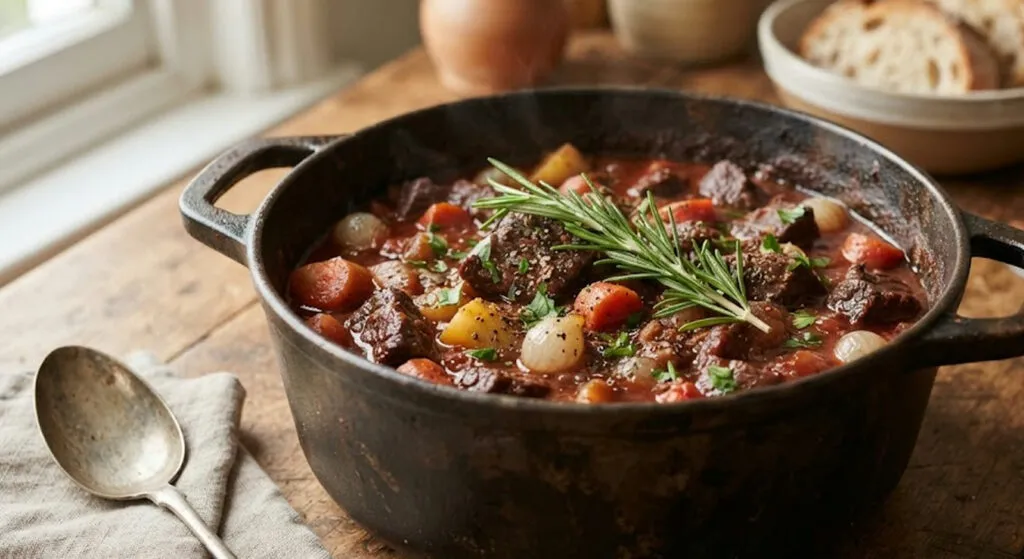
The most tender stew is not made from the leanest meat, but from the cuts that demand patience. And it...
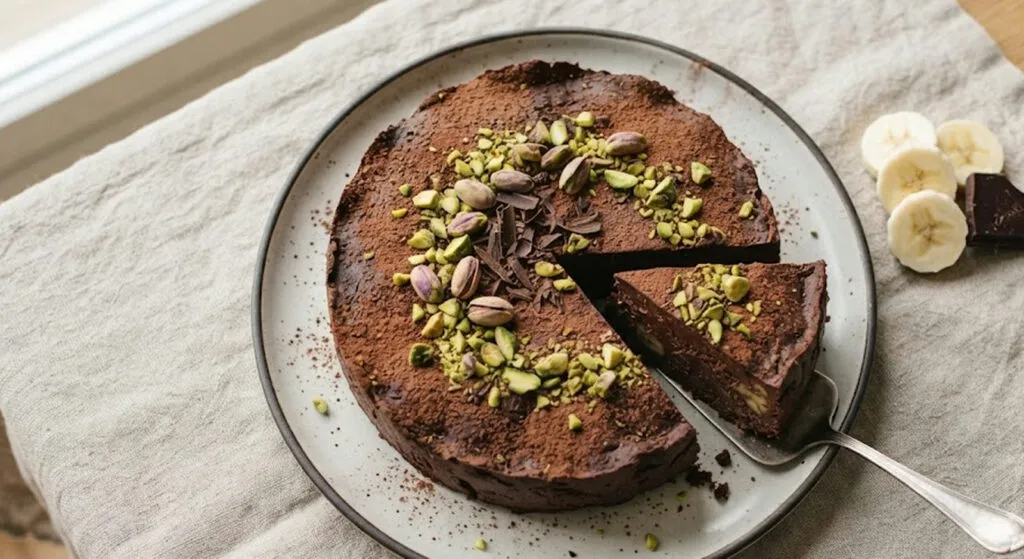
Two ripe bananas, a little dark chocolate and a fridge instead of an oven: the Olympic canoeist's dessert for evenings...

Lean meat that never goes above 65 degrees inside, a night in the fridge and a mayonnaise with tuna, anchovies...
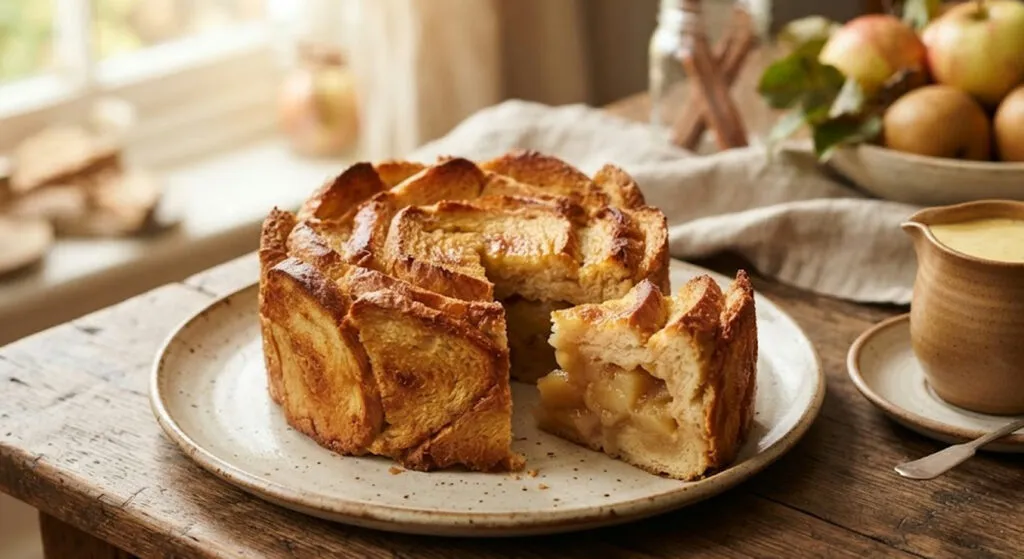
The British turned stale bread into a warm pudding served with custard. The secret isn't the bread, it's the filling,...
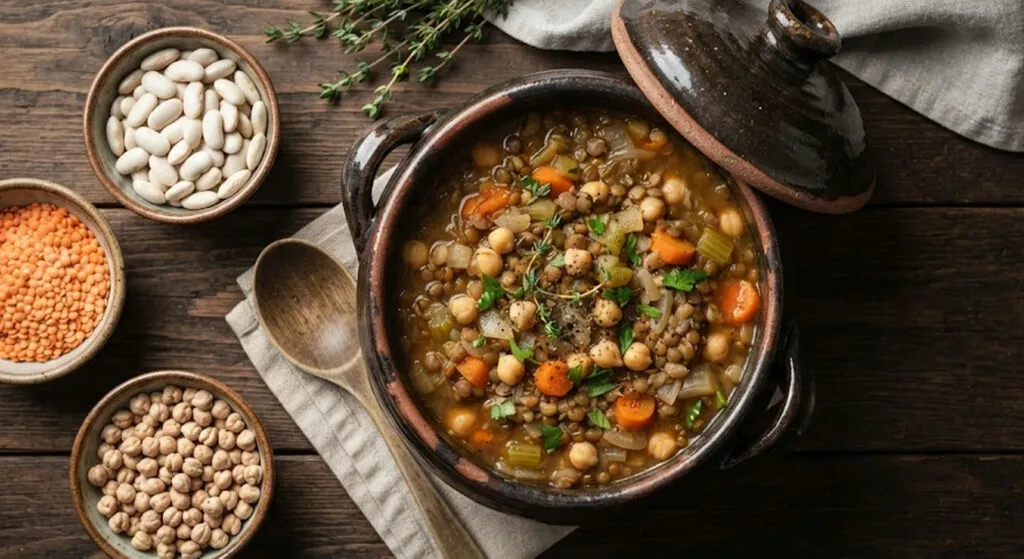
Cheap, filling, cholesterol-free and happy to wait months in the pantry. Ten legume recipes for autumn - and the trick...
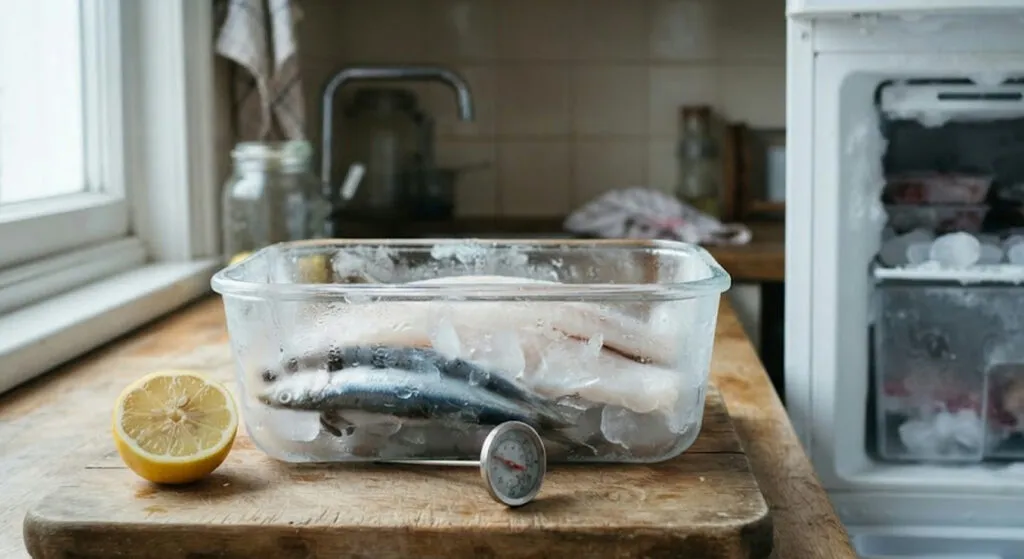
The larvae are killed only by 60 degrees at the centre of the piece or at least four days in...
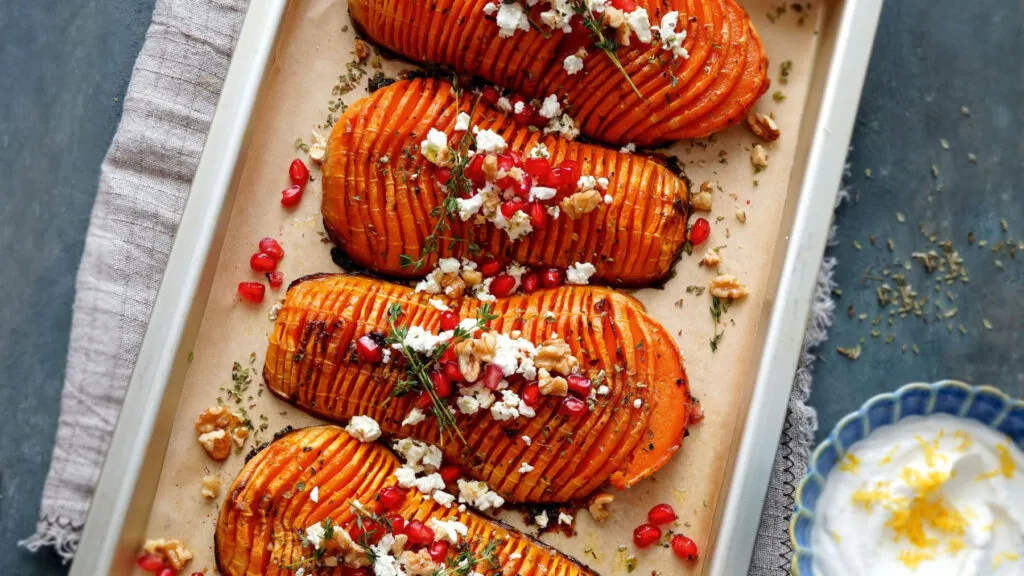
In Macedonia, pumpkin usually ends up in tikvenik, the filo pumpkin pie, or baked with sugar. Three recipes for four...
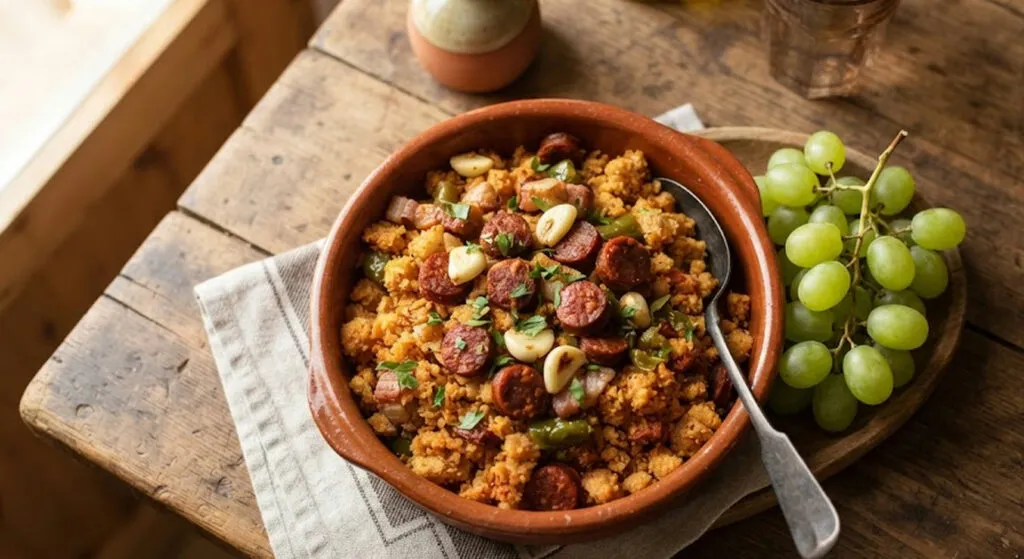
Aragonese cooking was made to feed shepherds and farmers, not to impress a jury. Yesterday's bread, lard, garlic and patience...
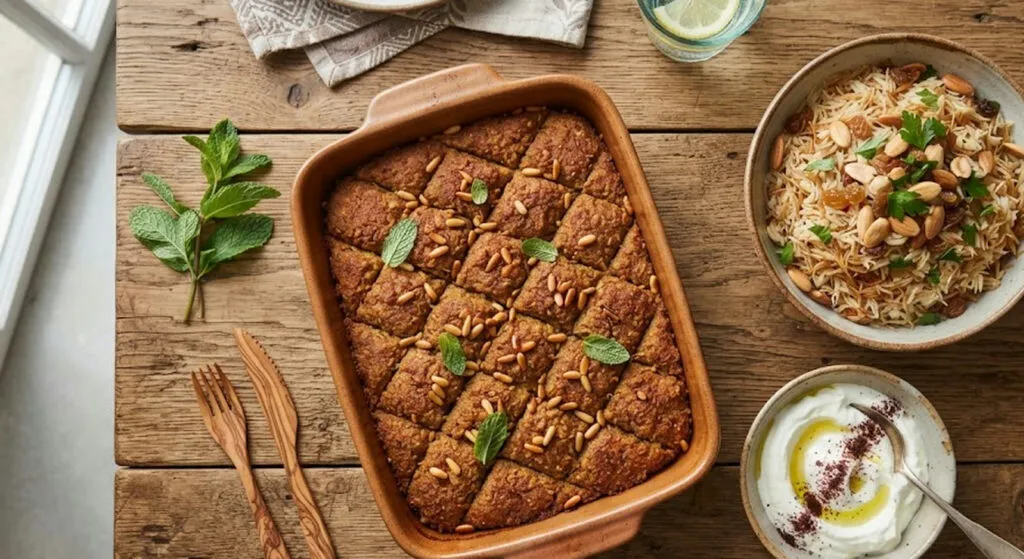
Her Madrid park for 55,000 people includes Lebanese food as a nod to the singer's heritage. The rice simmers for...
This site uses cookies - is that okay? Learn more
Be the first to know when Metla launches something new
Leave your email and we will write when there is a new guide or something new on Metla.