

Fire by the railway in Prilep: residents watched black smoke over textile waste, "Komunalec" says - a small part, no danger
04.10.2026


04.10.2026

04.10.2026

04.10.2026

04.10.2026

04.10.2026

04.10.2026

04.10.2026

03.10.2026

02.10.2026

04.10.2026

04.10.2026

03.10.2026
04.10.2026

04.10.2026

04.10.2026

04.10.2026

03.10.2026

02.10.2026

04.10.2026

04.10.2026

04.10.2026

04.10.2026

04.10.2026
03.10.2026

09.03.2026

27.02.2026

19.02.2026

04.10.2026

03.10.2026

02.10.2026
02.10.2026
22.08.2026

20.08.2026

23.04.2026

23.04.2026

12.04.2026

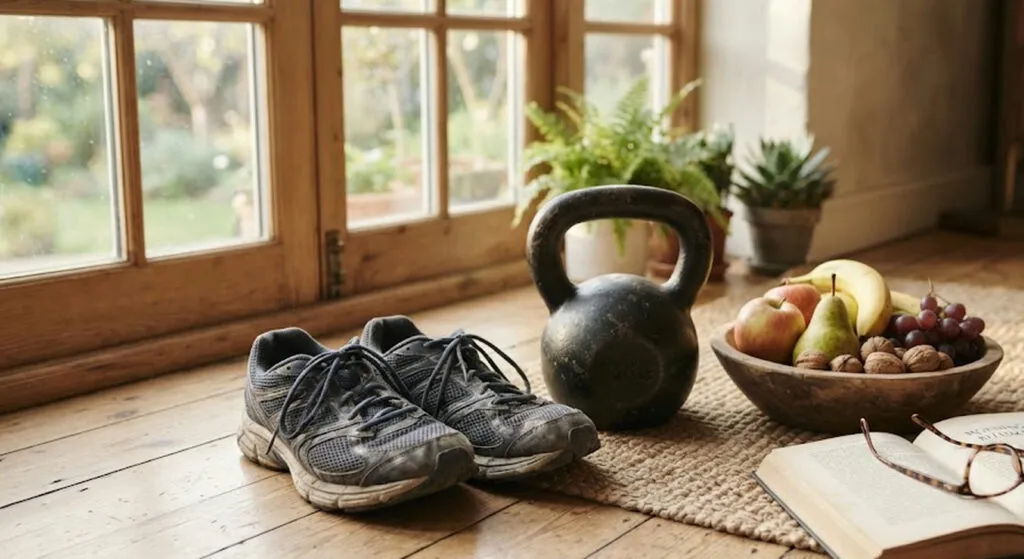
Sylvester Stallone turned 80 this summer and is still working. Susan Sarandon turns 80 this October, with a physical fitness and energy that many much younger people would envy. It is easy to say that "80 is the new 60" - and even easier to sell some supplement in a capsule on the back of that sentence. Longevity experts are more cautious, and their answer is more interesting than the slogan.
"Chronological age on its own doesn't explain how we age," says Dr Jenki Badjoun, a doctor specialising in longevity at the Longevity Unit of the Memorial Publio Cordón hospital in Madrid. Two people with the same year of birth on their ID card can have completely different body composition, metabolism, cardiovascular capacity, cognitive function and level of inflammation in the body.
This is where the notion of biological age comes in - an attempt to measure how much the body is really ageing, not how many candles were on the last cake. "Ageing is a complex process involving genetics, lifestyle, environment and the accumulation of changes over time," Badjoun explains. Leticia Carrera, director of the Felicidad Carrera centre, adds that genes are only part of the equation. The rest is what science calls the exposome: diet, movement, sleep, stress, sun, vices, illnesses and environment. "Many of those factors can be changed - and that way we influence how we age."
Medicine has significantly extended life expectancy. Now the challenge is different: making more of those years healthy and independent ones. "In longevity medicine we shouldn't wait for a disease to appear before reacting," says Badjoun. If he had to boil ageing down to one thought, it would be: preserve functional capacity for as long as possible.
Muscle as insurance
If there is one thing both experts insist on, it is muscle. "It isn't just an aesthetic issue - it is one of the main functional and metabolic reservoirs and is directly linked to a person's ability to stay independent as they age," Badjoun explains. Independence here doesn't mean marathons. It means getting up from a chair, climbing stairs, carrying your shopping bag, keeping your balance when you trip. That is why strength training, adapted to age and to the person, should be part of every longevity strategy, together with cardio, mobility and balance. Carrera puts it most vividly: "The goal isn't to have a young body, but a body that works."
It is similar with diet - there is no anti-ageing diet. Badjoun talks about sufficient, balanced nutrition tailored to each person, and Carrera warns that eating healthily doesn't mean being on a diet all the time. With age it is important to have enough protein for the muscles, plus fruit, vegetables, fibre, healthy fats and little processed food. Sleep is when the body repairs itself, and relationships with other people, intellectual challenges and projects are as much part of the recipe as the weights. "It makes little sense to talk about longevity if we extend life but lose independence, well-being or the ability to be with others," says Badjoun.
Capsules are not the starting point
Here is the part the supplements industry doesn't want to hear. According to Badjoun, supplements "should not be the starting point of a longevity strategy". For a healthy person without deficiencies, the priorities remain diet, movement and sleep. Carrera acknowledges that supplements make sense when properly recommended, for example when food doesn't cover certain nutrients. But Badjoun warns against the temptation to swallow dozens of products on the logic of "the more, the better": "Every intervention should have a hypothesis, an indication and, where possible, evidence to support it."
And one last warning - for those chasing "biological age" as just another number. A marker improving doesn't mean you have got younger; it may only mean your body composition or metabolism has improved. Science is researching cellular ageing, partial reprogramming of cells and temporary activation of telomerase, but some of that is still experimental and must not be confused with established treatments.
Stallone and Sarandon are not proof that a rejuvenation formula exists. The experts say there is no such formula yet. What works is boringly old: strength, food, sleep and people around you.
The latest 10 news from this category

The potato isn't fried brown, it is slowly poached in oil - that is the base. Then comes the "hat":...

You've cut out gluten, sugar and dairy, and the fatigue and bloating still won't go away? Maybe the problem isn't...
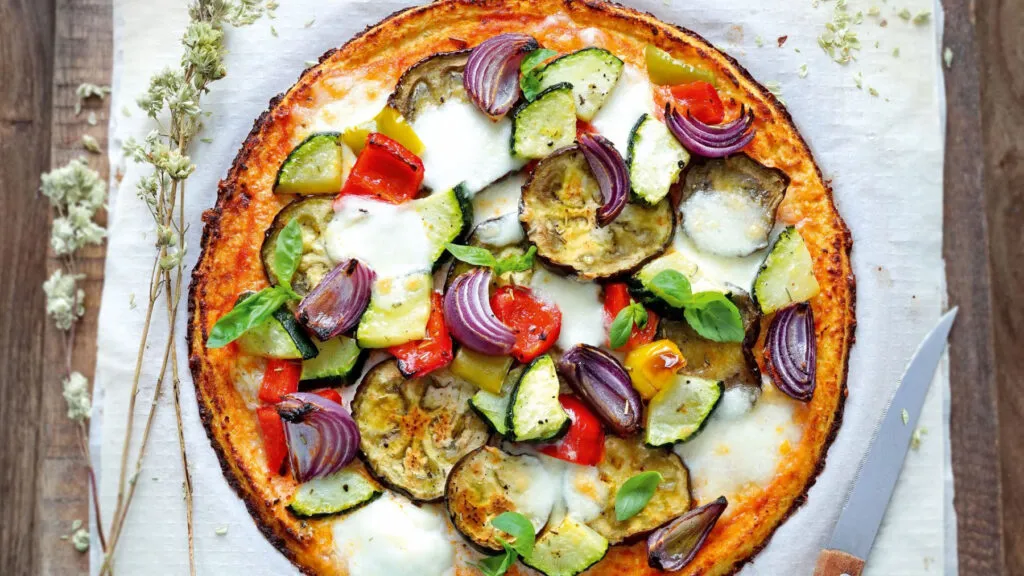
We reduced cauliflower to boiled greens with béchamel. But it can be a crispy pizza base and a "steak" you...
Shame makes people with obesity put off check-ups, and "if you really wanted to, you could" only makes it worse....

The right potato, half an hour in cold water, and salt the moment they come out of the oil. Five...

Every automatic "yes" to other people is often a "no" to yourself. A therapist explains the signs that you are...

One hour at 200 degrees and the autumn dessert is done. The secret is in choosing the apple - and...
Getting up from a chair on your own five or six times in a row sounds trivial - until you...

Aubergine, walnuts, garlic and coriander - ingredients autumn brings to every market. The Georgians turn them into one of their...
When you worry, you're actually practising - you're just practising the worst-case scenario. The same mechanism can be turned in...
This site uses cookies - is that okay? Learn more
Be the first to know when Metla launches something new
Leave your email and we will write when there is a new guide or something new on Metla.