Wolf Captured in the Middle of Kozle, Skopje: Kept on a Chain Like a Pet, Now Heading to the Zoo
13.05.2026


13.05.2026

13.05.2026
13.05.2026
13.05.2026
13.05.2026

13.05.2026
13.05.2026

12.05.2026

12.05.2026

13.05.2026
13.05.2026

12.05.2026

13.05.2026

13.05.2026

13.05.2026

13.05.2026

12.05.2026

11.05.2026

13.05.2026

13.05.2026

13.05.2026

13.05.2026

13.05.2026
12.05.2026

09.03.2026

27.02.2026

19.02.2026

14.04.2026

07.11.2025
07.11.2025

23.04.2026

23.04.2026

12.04.2026

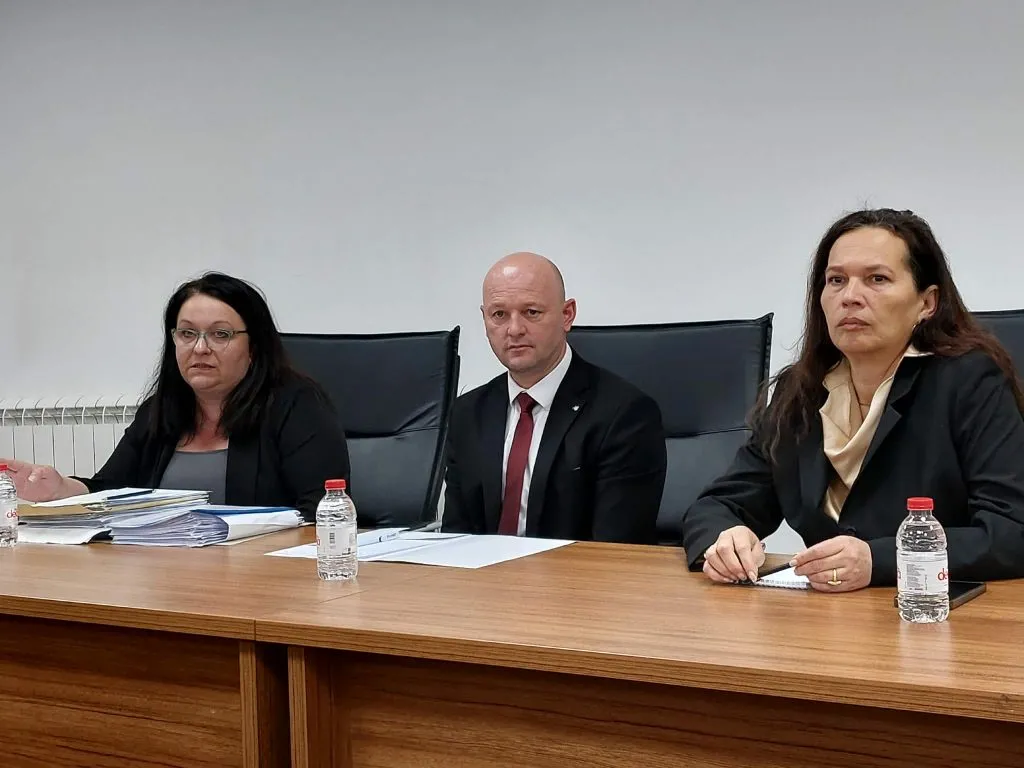
After 14 months of investigation, prosecutor Katerina Kolarević has closed the case on heating oil procurement for TEC „Negotino" during the 2021-2023 energy crisis. The case was worth 167 million euros and involved 13 suspects. The ending: no indictment. No damage. Just „benefit" for the state.
Among the suspects were the owners of RKM - Ratko Kapuševski and Erdžan Sulkoski - and the owner of „Pucko Petrol", Asmir Jahoski, son of MP Ismail Jahoski. Also in the investigation was former ESM director Vasko Kovačevski, who is on the run and being sought by an international warrant in the „Aditiv" case.
How did 200 pieces of collected evidence individually fail to support an indictment? According to the prosecutor, none of the evidence led to proof of criminal conduct beyond reasonable doubt. With the procedure „transparent", the fuel delivered on time and ESM and the budget allegedly „suffering no damage", the investigation ends without the power to prove anything the State Commission for the Prevention of Corruption had claimed was there.
For the reader wondering how 167 million euros can pass through the system without a single irregularity - the answer lies in one number. According to the prosecutor, TEC Negotino produced electricity for 180-200 euros per kilowatt-hour, while the market price during the same period was 250-600 euros per kilowatt-hour. In other words - the state „saved" more than it „spent", in the strict accounting.
But the question isn't whether the state saved money. The question is whether the tender was run cleanly, whether the firms that got the work had the capacity, and whether alternatives were ignored. Those questions still have no answer. Only now they no longer will - because the case is closed.
The state spent 50,000 euros on this investigation - on a case built on the suspicions of the anti-corruption commission. The ending: zero indictments, thirteen people cleared, and a prosecutor announcing „benefit to the state" instead of damage. It's a story that, in an era of shaky trust in institutions, looks exactly the way it looks: a closed case that many have already forgotten.
The latest 10 news from this category
The question isn't only how a wolf ended up in the middle of the capital. The question is who its...
After a few warm days, the May season is once again proving that stability isn't on the menu. Farmers risk...
Old rivalries, new priorities. Macedonia and Albania are aligning their armies under the NATO umbrella - not because past disputes...
Accusations against the ruling parties over passports, isolation and a blocked EU path. The question - is this a designed...
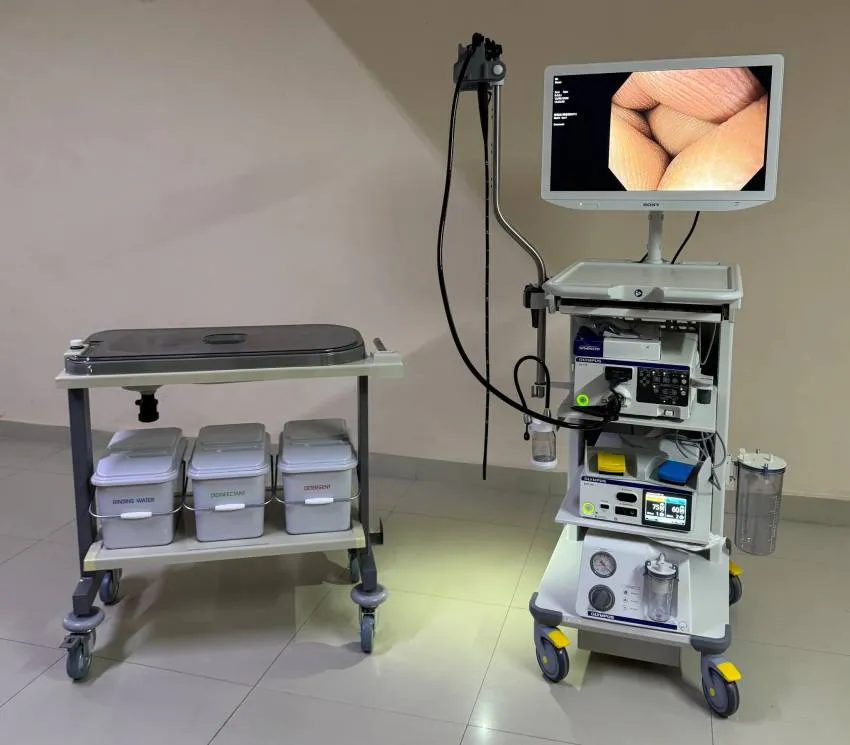
Haemostasis, electrocoagulation and polyp removal - preventive gastroenterology arrives in Bitola for the first time. The question is whether other...
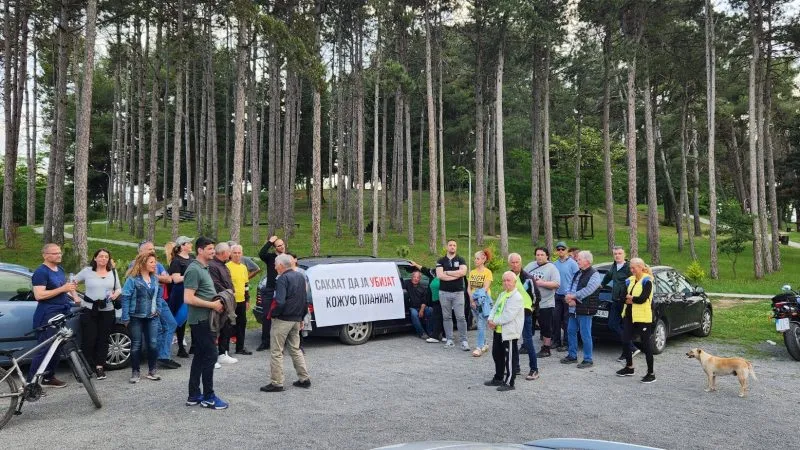
The concession holder got an extended permit, this time with private security. Last year's 72 days of blockades were a...

On International Nurses Day, a local action showed what happens when prevention becomes free. The question that remains - why...
A joint operation by the two interior ministries stopped a planned hit ordered by a crime group. Who was the...
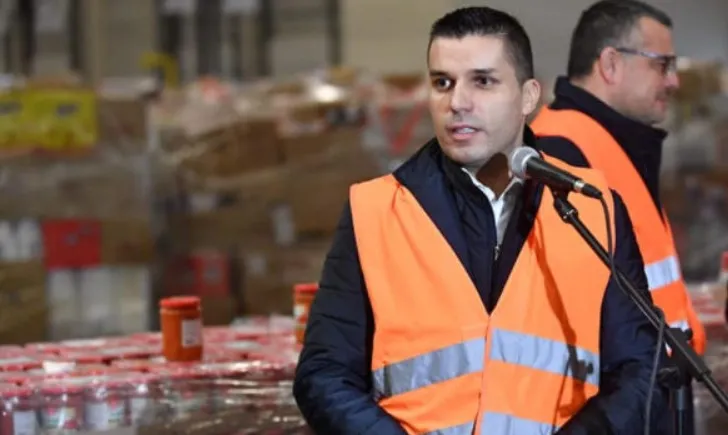
SDSM official heads to a formal questioning for the first time since the VMRO-ZNAM coalition took power. A month ago...
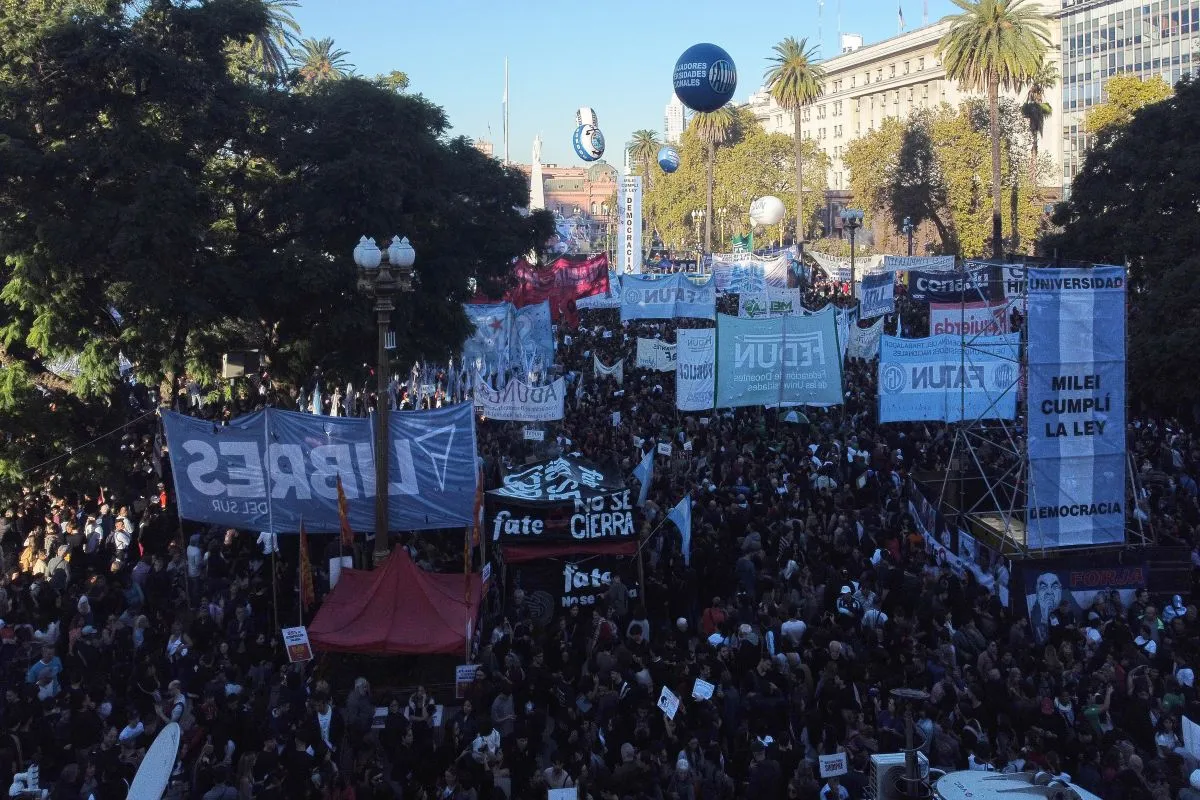
Javier Milei is slashing the budget for state universities, society responds with one of the biggest demonstrations of the decade....