


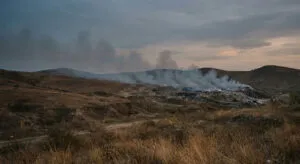
It's October, and Macedonia Is Still Burning: 30 Fires in a Single Day, Five of Them at Landfills and Rubbish Dumps
09.10.2026


09.10.2026
09.10.2026
09.10.2026

09.10.2026

09.10.2026
09.10.2026
09.10.2026
08.10.2026
08.10.2026
09.10.2026

09.10.2026
08.10.2026
09.10.2026
09.10.2026
09.10.2026
09.10.2026
08.10.2026

07.10.2026

09.10.2026

09.10.2026
09.10.2026
09.10.2026

09.10.2026
08.10.2026
09.10.2026

08.10.2026

07.10.2026
08.10.2026
06.10.2026
05.10.2026

23.04.2026

23.04.2026

12.04.2026

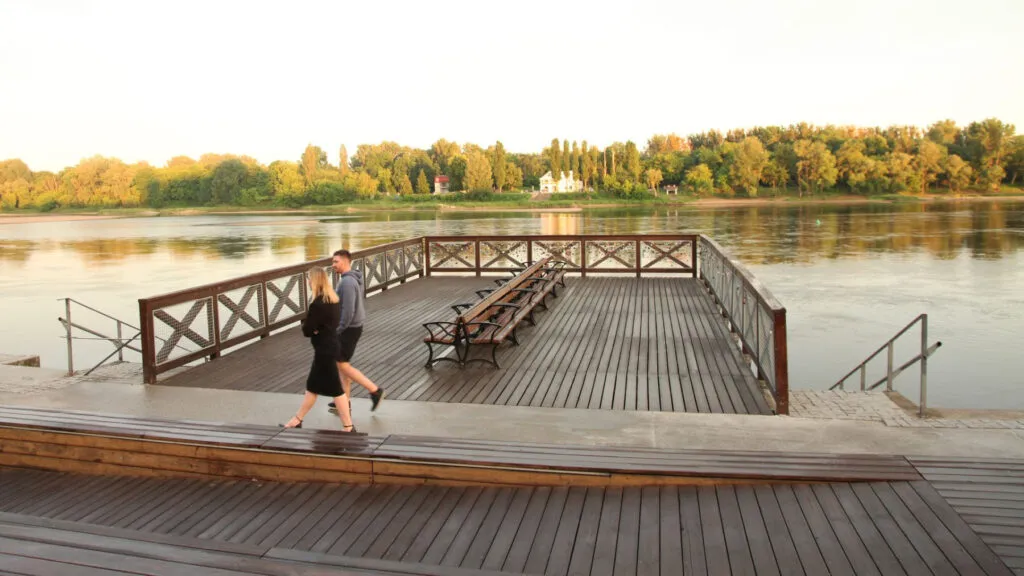
One city was built by the Teutonic Knights. The other was Polish from the very start, lived under Prussian rule for more than a century, and then returned to Poland. Toruń and Bydgoszcz are neighbours, about an hour apart by car, and their histories are so different they seem to sit at opposite ends of Europe. The Balkans know well what a city that has changed masters looks like - and how many traces those masters leave in the streets.
Toruń: bricks, pepper and gingerbread
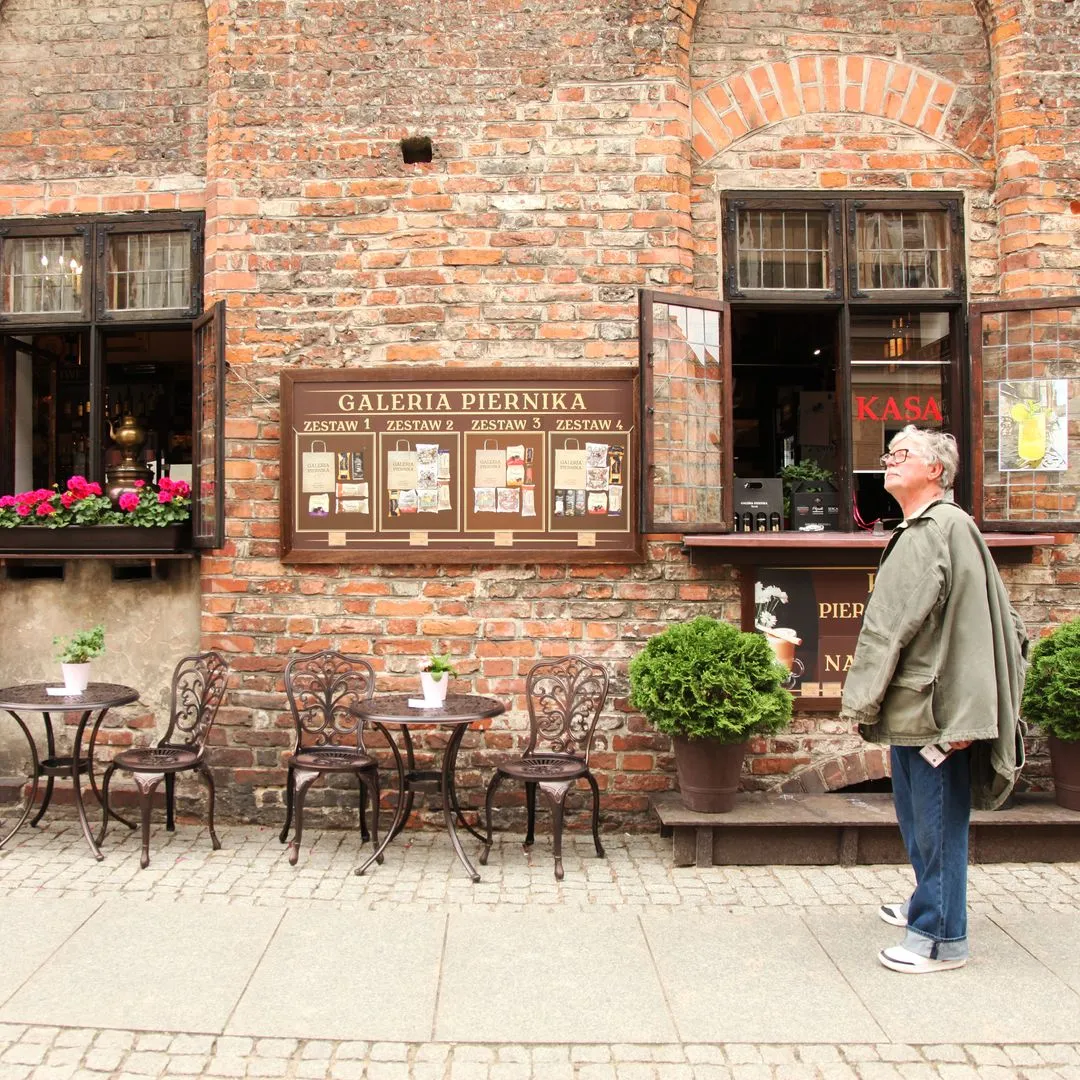
Toruń's old town is red-brick Gothic, the legacy of almost two hundred years of rule by the Teutonic Order, whose castle stands in ruins today. In 1454 the city rebelled and joined the Kingdom of Poland. A wealthy Hanseatic city on the Vistula River, Toruń traded in spices, pepper among them - and it was from that trade that its famous gingerbread, piernik, was born.
Gingerbread here isn't a souvenir, it's a religion. At the Living Museum of Gingerbread, visitors learn the history and technique and then knead and bake their own biscuits. Piernik is in every café and restaurant, so leaving Toruń without a box of gingerbread is close to impossible.
The city also has its own "Tower of Sins". According to legend, it was built by a Teutonic knight as penance, and today it leans by 1.46 metres. A 15th-century Gothic house holds the Nicolaus Copernicus Museum, dedicated to his heliocentric theory - although historians still don't agree whether the astronomer actually lived there. The university bearing his name has around 30,000 students and an astronomy centre with an observatory.
On the Old Market Square stands the Old Town Hall, a Gothic brick landmark, and in front of it a 2.6-metre bronze statue of Copernicus by Christian Friedrich. Inside are the District Museum, the Royal Hall and the Great Hall with a portrait of Copernicus, and the 40-metre tower offers a view over the whole city. St John's Cathedral holds Copernicus's baptismal font, medieval frescoes, an organ and a historic bell nicknamed "God's Trumpet".
To eat: Monka, in a former Baroque granary, where chef Kasz Ederne works with local flour and vegetables, and the bakery pulls bread and rolls out of the oven every morning. The Spichrze hotel, named after an 18th-century Swedish granary by the harbour, serves duck, herring, żurek sour soup and gingerbread desserts. And beer - at the Jan Olbracht Browar Staromiejski brewery, in a Gothic house named after King Jan Olbracht. He reigned from 1492 to 1501 and died in Toruń, partly, legend has it, because of his love of beer.
Bydgoszcz: music, mills and gold under the cathedral
Bydgoszcz is a city of classical music and jazz. The Feliks Nowowiejski Academy of Music is one of the leading ones in the country, and in autumn the city hosts the Pomeranian Philharmonic Music Festival and Bydgoszcz Jazz, linked to drummer Józef Eliasz and the Eljazz club, founded in 1994.
The Old Market Square is surrounded by neoclassical, eclectic, Art Nouveau and modernist buildings, many of them rebuilt after the Second World War. Here stands the 1969 bronze Monument to the Struggle and Martyrdom of the Bydgoszcz Land, commemorating the public executions of September 1939. The sundial, designed by Agata Łapińska, shows "Bydgoszcz time" according to the position of the sun on the 18th meridian east. And at 13:13 and 21:13, Pan Twardowski, the legendary alchemist, appears in the window of the Katarynka restaurant.
The best photo is taken from the bridge over the Brda River in the old town, with Jerzy Kędziora's sculpture "Man Crossing the River", installed around Poland's entry into the EU, and the Rother Mills in the background. On Mill Island, the Rother complex is a cultural space dedicated to water and milling. The European Money Centre there also keeps the Bydgoszcz Treasure, found in 2018 under the Cathedral of St Martin and St Nicholas: 480 gold coins, church objects and jewellery.
Bydgoszcz is also a city of parks: Casimir the Great Park, with Ferdinand Lepcke's 1904 "Deluge" fountain, Jan Kochanowski Park next to the Pomeranian Philharmonic, and the garden city of Sielanka, designed by Józef Stübben. For dinner - Kuchnia by Marcin, with contemporary Polish cuisine.
How to get there
The nearest major airports are Gdańsk and Warsaw. From Gdańsk the road leads to Malbork, Bydgoszcz and Toruń, by rental car or by train, and from Warsaw there's a direct train to Bydgoszcz. If you're already in Malbork, about 160 kilometres from Bydgoszcz, don't skip the castle: built by the Teutonic Order from the 13th century, it has been under UNESCO protection since 1997 and is considered the largest brick fortress in the world. Two cities almost nobody visits, yet Teutonic heritage, Hanseatic wealth and gold under a cathedral - how many other European destinations offer so much with so few crowds?
The latest 10 news from this category
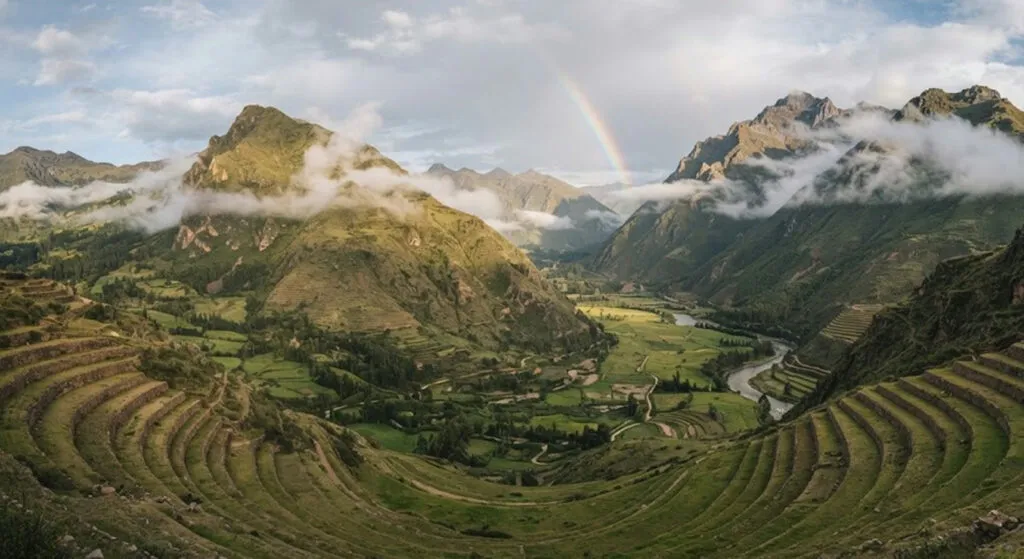
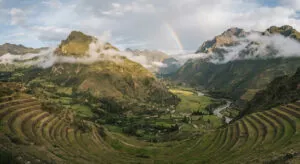
Maribel Verdú put off Peru for years. When she finally went, she came back with a rainbow over Machu Picchu...
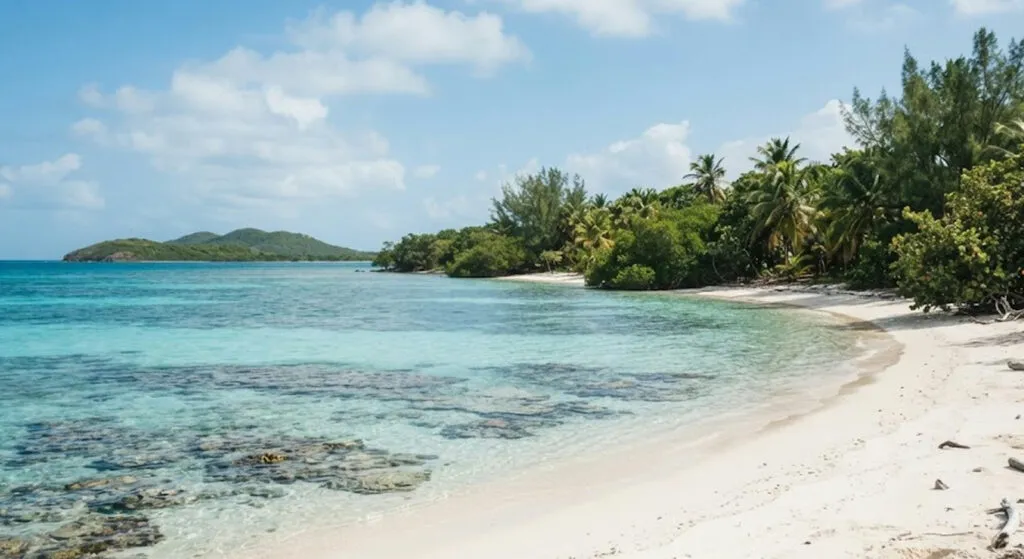
Rubén Cortada, the villain of "Sira", is building his career in Spain, but he keeps going back to the island...
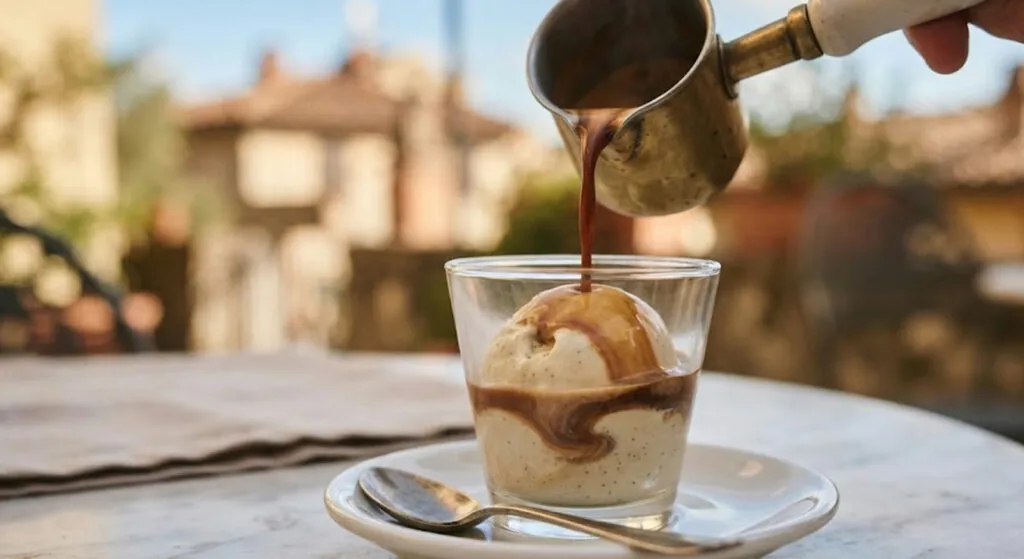
A scoop of gelato, hot espresso poured on top, and six addresses along the Arno. In Florence this isn't a...
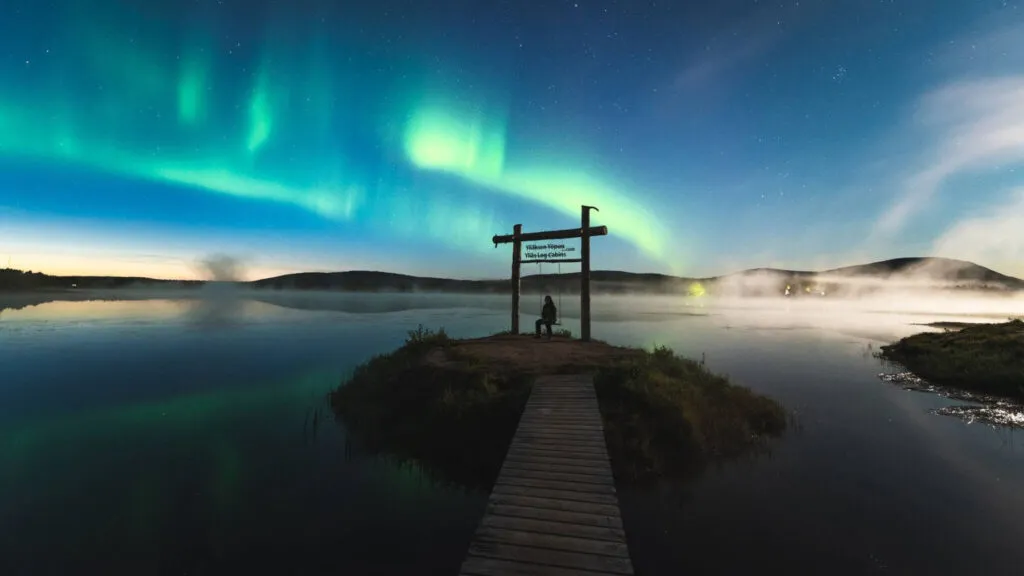
Salmon soup by the harbour, Alvar Aalto on the UNESCO list and a village on the Arctic Circle with free...
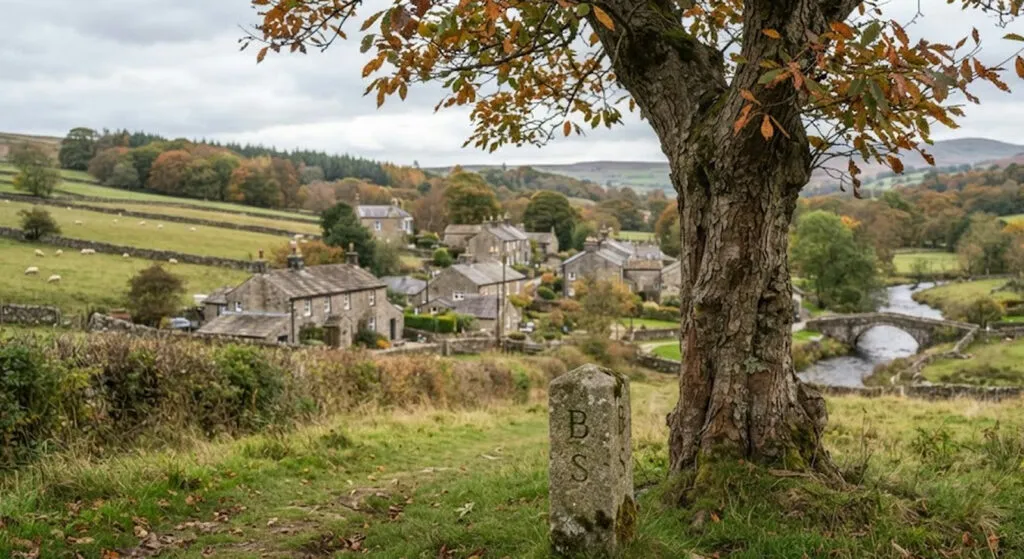
Between the two ends of the village there is only a boundary stone by a chestnut tree - and a...
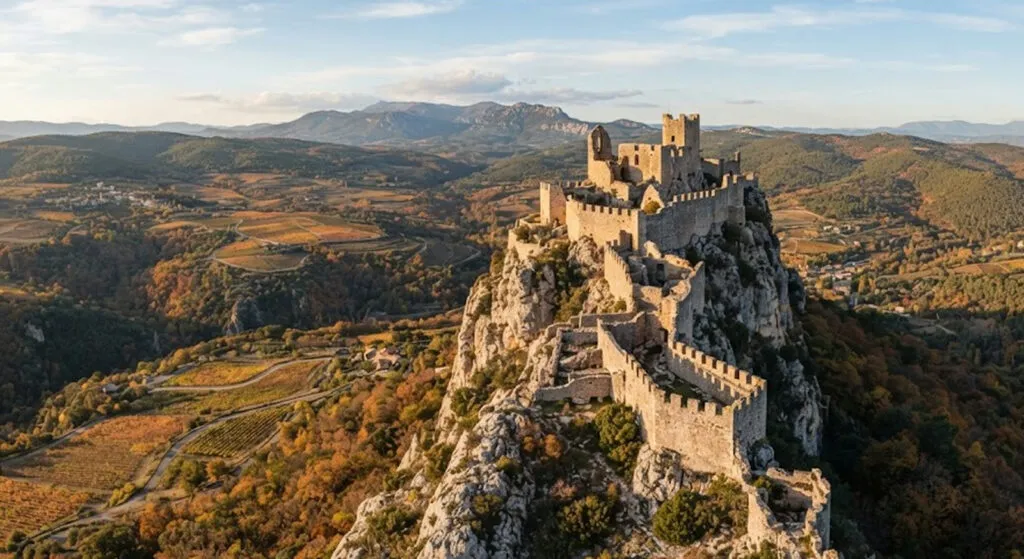
Everyone knows Carcassonne. Few have climbed up to its seven "little brothers" - fortresses that look as if they grew...
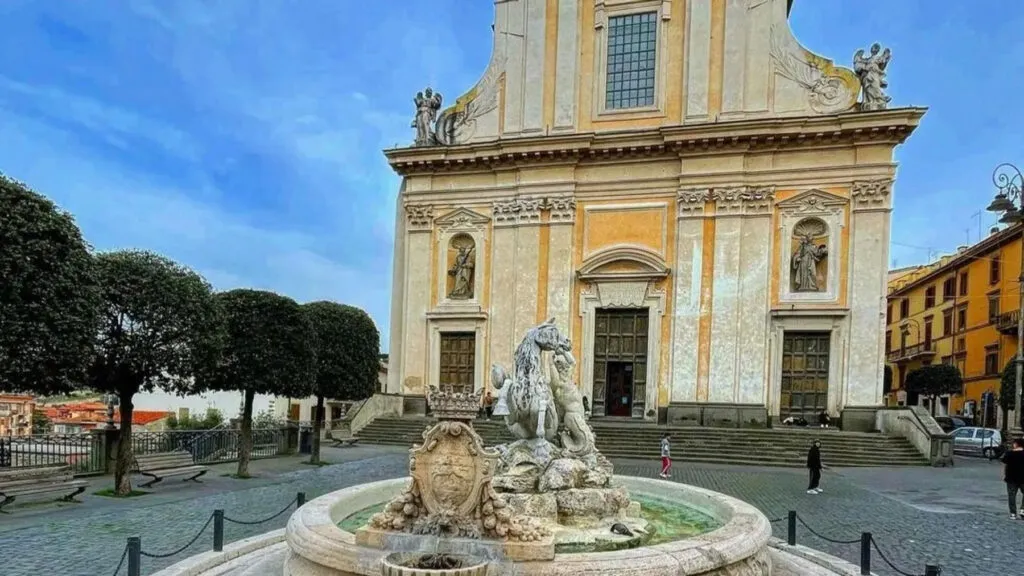
The fountain was built to celebrate victory over the Ottoman fleet at Lepanto, and the grape festival that fills it...
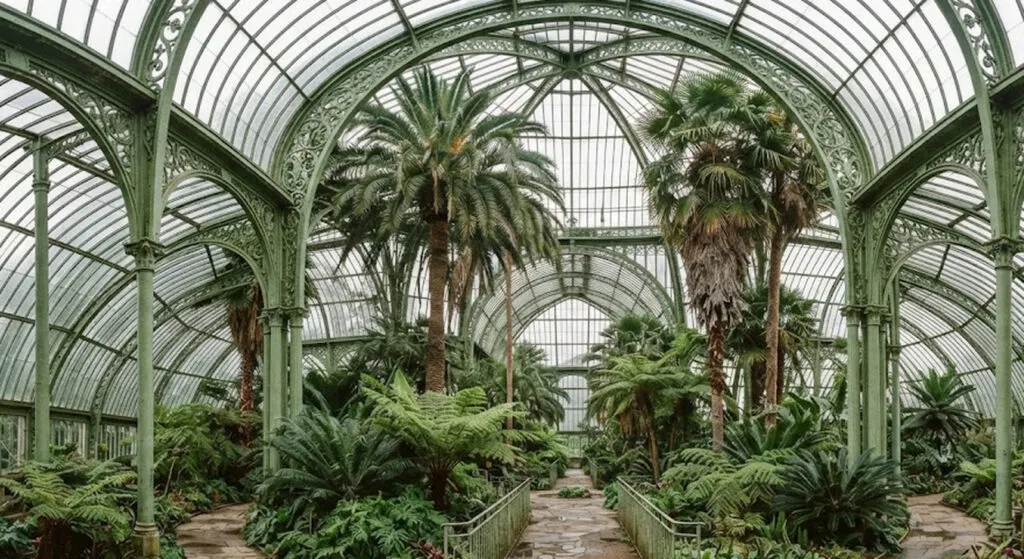
One moth that never left its cocoon opened the age of glass and iron. It left behind a Vienna greenhouse...
A Spanish actor went back to Canada decades after the trip he took as a child following his father's death....
The Algarve isn't just beaches. Less than 20 kilometres from Faro there's a town where market eateries have to buy...
This site uses cookies - is that okay? Learn more
Be the first to know when Metla launches something new
Leave your email and we will write when there is a new guide or something new on Metla.

