
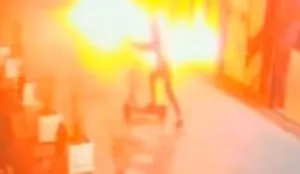
They Rode In on Scooters, Torched the Shops and Left: The Fire in Shuto Orizari Burned for Three Hours, Setting It Took Fifty Seconds
13.09.2026


13.09.2026

13.09.2026

13.09.2026

13.09.2026

13.09.2026

13.09.2026

13.09.2026

12.09.2026

11.09.2026

13.09.2026

13.09.2026

12.09.2026

13.09.2026

13.09.2026

13.09.2026

13.09.2026

12.09.2026

11.09.2026

13.09.2026

13.09.2026

13.09.2026
13.09.2026

13.09.2026

12.09.2026

09.03.2026

27.02.2026

19.02.2026
13.09.2026

12.09.2026

11.09.2026

23.04.2026

23.04.2026

12.04.2026

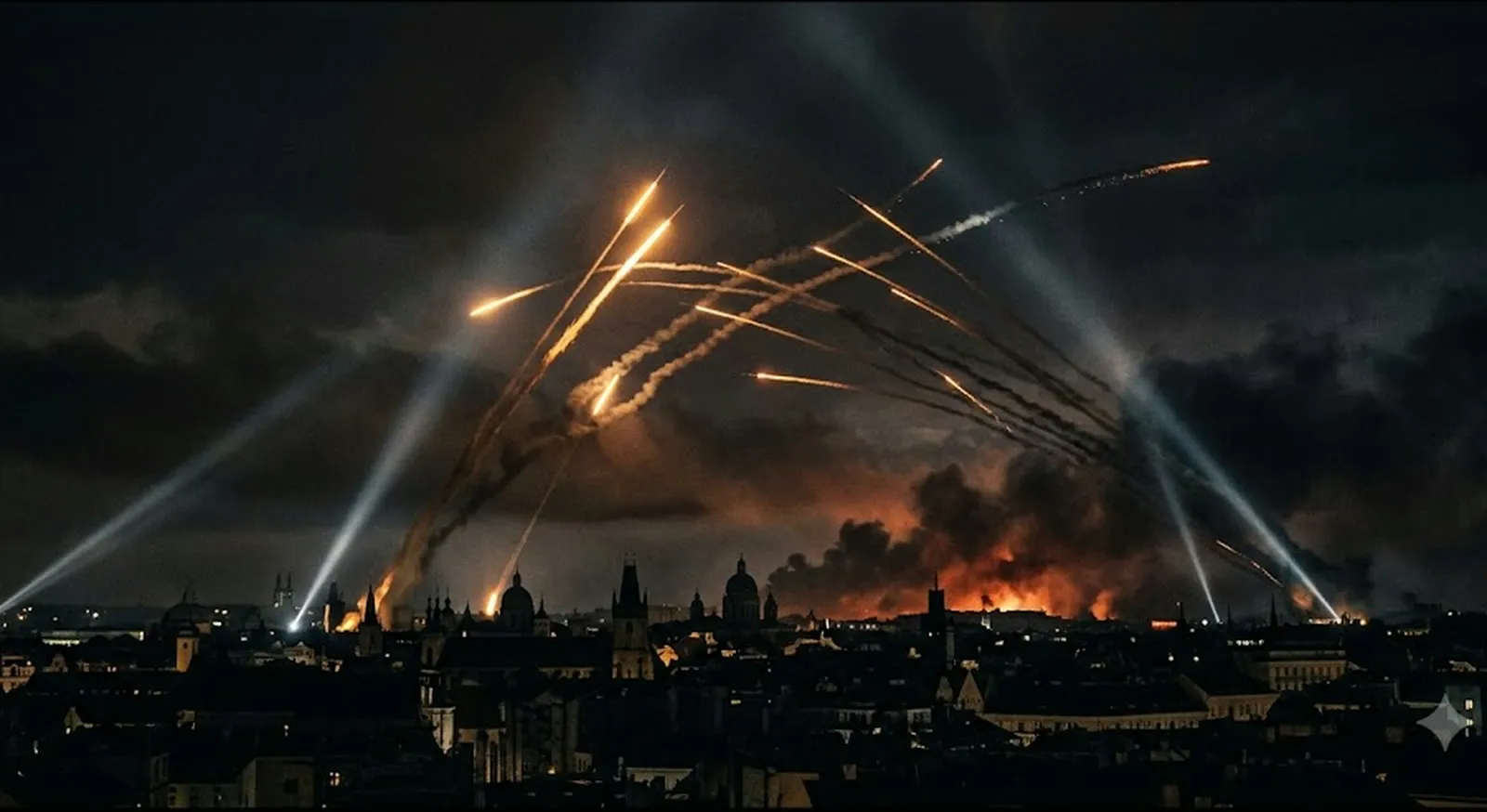
A string of Ukrainian cities woke up under attack. According to Ukrainian sources, on 26 June Russian missiles and drones hit several targets across the country - but behind the heavy headlines and the talk of the „scariest missile," the real picture is far murkier than it looks at first glance.
What is actually known? In Kyiv, in the Darnytsia district, a fire broke out in a warehouse, and residents reported a sharp chemical smell; air defence was activated. In Kremenchuk, a thermal power plant was allegedly hit with an „Iskander-M" missile, and a refinery is mentioned too, though that remains unconfirmed. Strikes were also reported in Kharkiv, Sumy and Zaporizhzhia, where a drone attack sparked a fire.
And now the part the tabloids skip: for the alleged use of the hypersonic „Oreshnik" missile, written up in the biggest letters, there is no confirmation. The report itself admits that „for now there is no full data on casualties, the scale of the damage and the exact targets hit." In other words - a lot of noise, few verified facts.
This is a pattern the Balkans know all too well. Every attack in this war comes wrapped in superlatives from both sides: one celebrates a „historic strike," the other a „fully repelled attack." The truth usually sits somewhere in the middle, pale and unproven, while propaganda runs ahead. When a missile becomes a headline before it's even confirmed it launched, we're not reading news - we're reading psychological warfare.
Behind every one of these „sensations" are real people in basements and real cities in smoke. That's the part that doesn't change, no matter which source writes the text. The question that remains is simple: how long will this war be measured in headlines instead of confirmed facts?
The latest 10 news from this category

A barren volcanic rock in the middle of a strait 28 kilometres wide changed the oil market in a single...
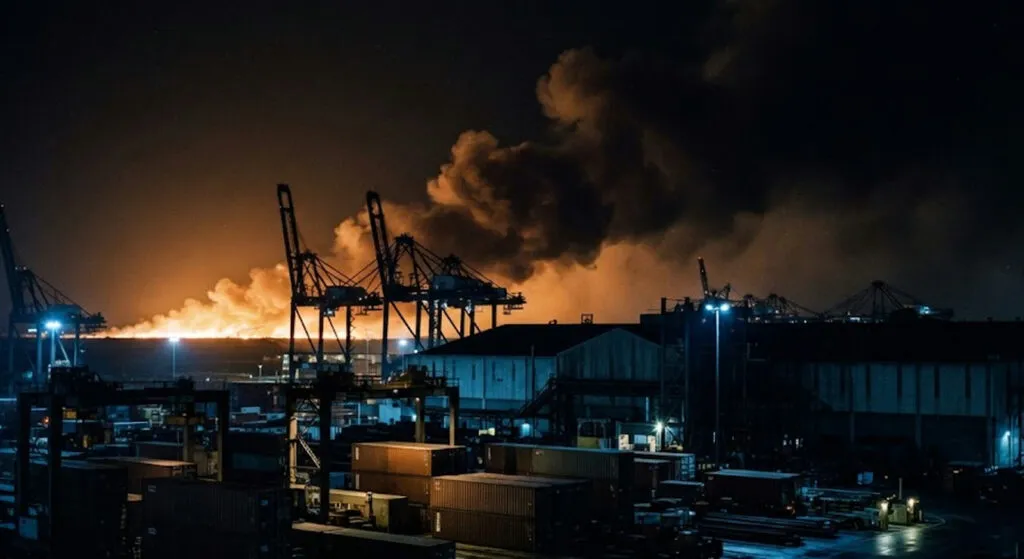
Hostomel, Odesa, Kryvyi Rih - targets that are not the front line but the supply chain. A war against the...

We don't want war with Europe, but here is exactly how that war would start. He said both sentences in...

When an army recalls its special forces with a 12-hour deadline, that is not a rota but a signal. The...

Port infrastructure in Makhachkala and the theatre building caught fire, the governor said. Moscow claims it shot down 448 drones...
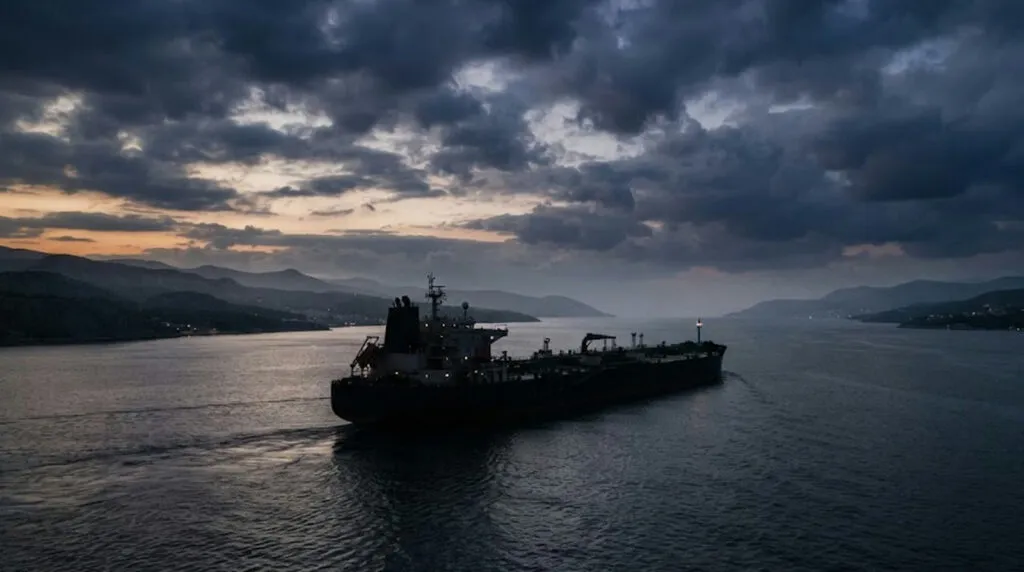
Tehran says it hit around ten ships, Washington says it destroyed five Iranian tankers and that its own vessel is...
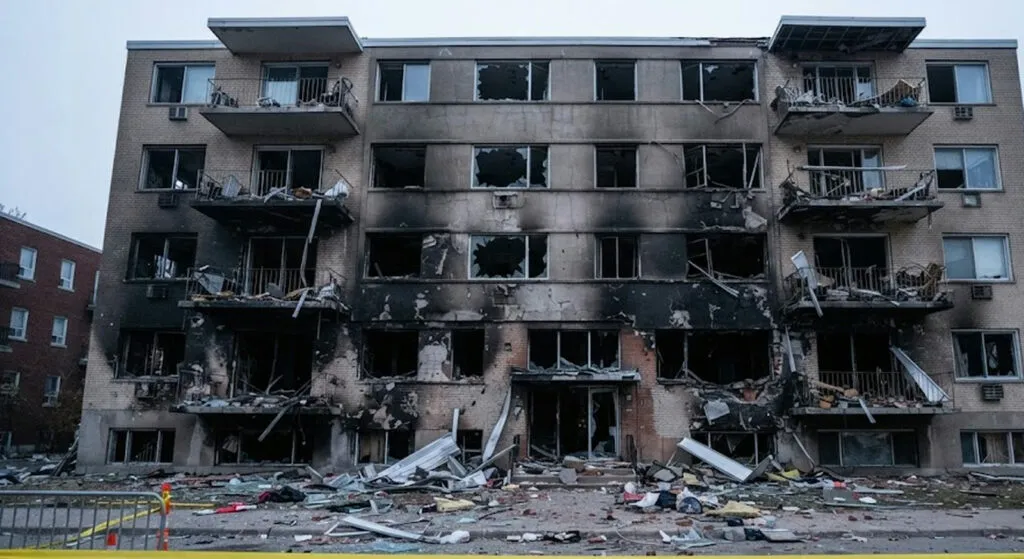
Residential buildings, a kindergarten and an Orthodox church damaged in Russia's largest Black Sea port. Four dead and 29 injured...
When there are no air-to-air missiles left, what remains is a 20mm cannon - and that means the pilot has...

In public - constructive talks. In private, according to an MP in the Verkhovna Rada, the envoys arrived with tougher...
Witkoff and Kushner spent three hours in the Kremlin and came out with an agreement in principle. November was not...
This site uses cookies - is that okay? Learn more
Be the first to know when Metla launches something new
Leave your email and we will write when there is a new guide or something new on Metla.
