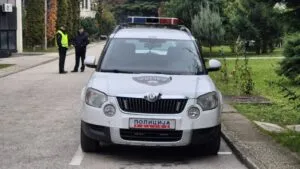
30 days' custody for the fan who knocked a child unconscious outside "Jane Sandanski": how did two fan groups end up right at the entrance?
03.11.2026


03.11.2026

03.11.2026
03.11.2026
03.11.2026
03.11.2026

03.11.2026
03.11.2026
02.11.2026

02.11.2026
03.11.2026
03.11.2026

02.11.2026
03.11.2026

03.11.2026
03.11.2026
03.11.2026

02.11.2026

01.11.2026
03.11.2026
03.11.2026

03.11.2026
03.11.2026
02.11.2026
01.11.2026

23.04.2026

23.04.2026

12.04.2026

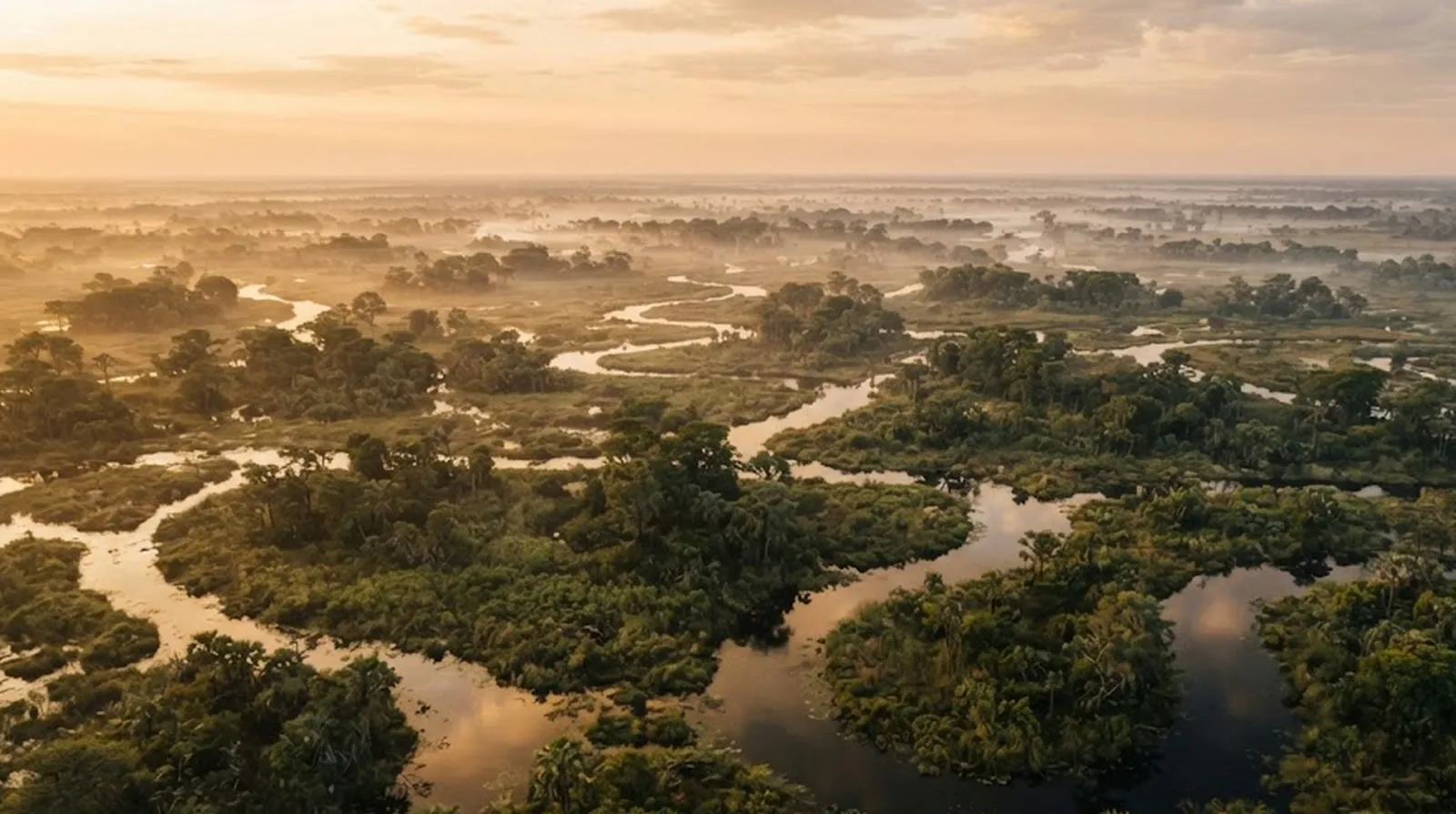
UNESCO has added twenty-five new sites to the World Heritage List - nineteen cultural, one mixed and five natural. It is those five that are most interesting, because not one of them is a place that already springs to mind when you think of "world heritage". No Machu Picchu, no pyramids. There is a swamp in Georgia and a cliff full of fish in Denmark.
Aqaba Marine Reserve, Jordan. The northernmost tropical coral reef on the planet, in the Red Sea. Over 150 species of hard coral, over 500 species of fish and around a thousand species of molluscs. A sunken tank and a Hercules C-130 aircraft work there as artificial reefs - human waste turned into habitat. The most accessible dive is reached from Berenice beach.
Boma-Badingilo Migratory Landscape, South Sudan. Eleven point two million hectares. Six million kob antelope, tiang and Mongalla gazelle move with the rains and the pastures - the largest land migration we have. There are elephants, lions, leopards, cheetahs and African wild dogs. The site was immediately placed on the list of endangered heritage as well, and Spain's foreign ministry advises against travelling there. The richest nature on the list is at the same time the least accessible - and that is no coincidence.
Wadi Wurayah, United Arab Emirates. Mountains, waterfalls and natural pools in the middle of an arid region, in the Hajar mountains, emirate of Fujairah. The Arabian tahr lives here - a mountain goat endemic to the Arabian Peninsula. Forty-five kilometres from the city of Fujairah, about two hours from Dubai, and the visiting season starts in October.
Okefenokee, United States. Over 160,000 hectares of swamp in southeastern Georgia, one of the best-preserved freshwater wetlands in North America. The Suwannee and St Marys rivers are born here. The name means "land that trembles" - because of the floating peat islands that shift underfoot. Alligators, hundreds of bird species, turtles, snakes and fish. Four hours by car from Atlanta.
The fish fossils of the western Limfjord, Denmark. Two coastal cliffs - Hanklit on the island of Mors, sixty metres high, and Knudeklint on the island of Fur, thirty-five. Written into them are 55 million years: the moment modern bony fish spread out after the dinosaurs disappeared. Over 80 fish species, plus sea turtles, birds, insects and plants, preserved in clay mixed with volcanic ash.
Five sites, and only one of them is in Europe. The other four require a visa, a long flight or courage - and one of them officially comes with advice not to visit. The World Heritage List stopped being a tourist guide long ago; it is a list of things we want to survive.
The latest 10 news from this category
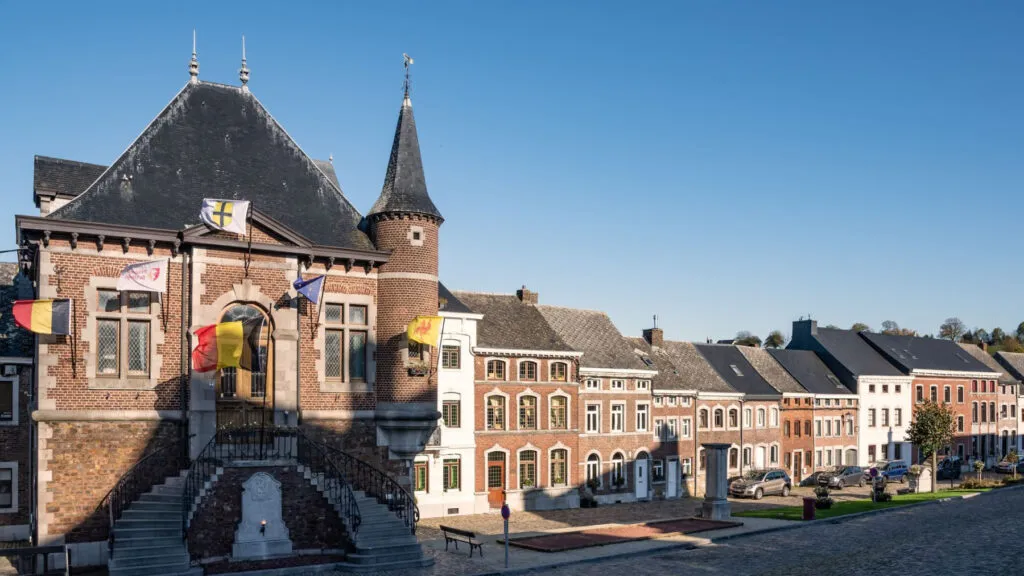
An hour and a half from Brussels, cows graze on damp meadows, cheese ripens in cellars, and an abbey founded...

A former British colony celebrates independence, and the guest is the British king. Behind the ad with a beach for...

A city 85% of which ended up as ash in the Second World War, and which today lives off beer...

Half an hour by ferry from Naples, between the Capri and Ischia everyone knows about. This is where Pérez-Reverte brought...
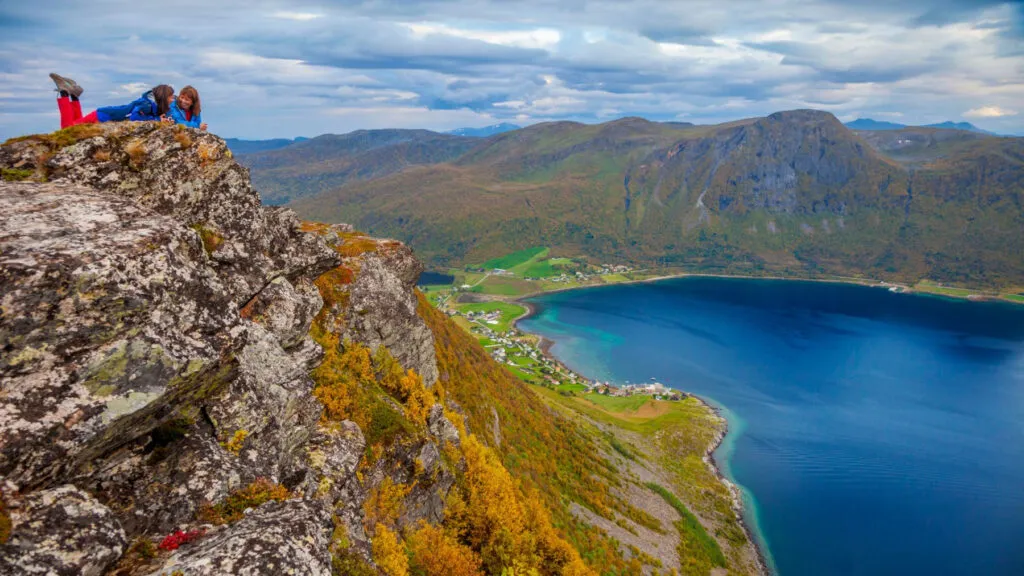
Captain Richard With launched it with two nautical charts, so the north could survive the winter. Today, in autumn, the...
While collecting the Princess of Asturias Award in Oviedo, Messi once again said where home is. A route through La...

A castle, then a monastery, then the summer house of the Count of Arona: the Borromeo family has held the...

He came for a forum and stayed for the coffee. A plantation, a theatre and an eight-course dinner - a...

Barcelona's coach was born here, his wife 12 kilometres away. A town where one in four residents is a student,...

Of 80 towers, just over twenty remain, the palace where the queen who sent Columbus was born is today a...
This site uses cookies - is that okay? Learn more
Be the first to know when Metla launches something new
Leave your email and we'll write to you when there's a new guide or something new on Metla.