Two Schoolyard Assaults Reported in a Single Day: the Police Promised Measures, the Education System Said Nothing
19.09.2026


19.09.2026

19.09.2026

19.09.2026

19.09.2026

19.09.2026
19.09.2026
19.09.2026
18.09.2026

17.09.2026

19.09.2026
19.09.2026

18.09.2026

19.09.2026

19.09.2026
19.09.2026

19.09.2026
18.09.2026
17.09.2026

19.09.2026

19.09.2026

19.09.2026
19.09.2026

19.09.2026
18.09.2026

09.03.2026

27.02.2026

19.02.2026

19.09.2026

18.09.2026
17.09.2026

23.04.2026

23.04.2026

12.04.2026

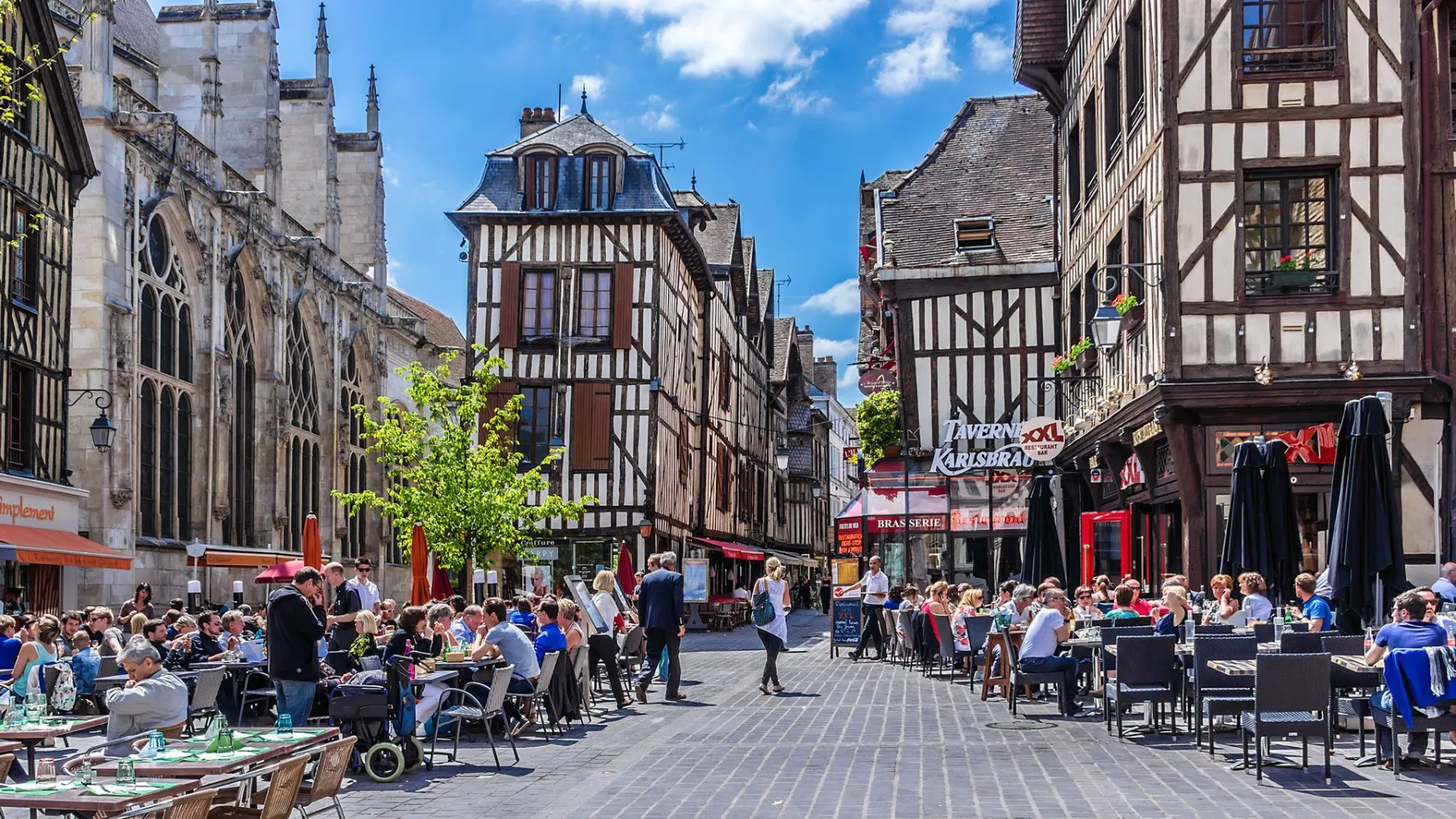
An hour and a half southeast of Paris, about 150 kilometres away, stands a town most tourists skip on the way to somewhere bigger - and that is exactly why Troyes has stayed as it was centuries ago. From the air, the historic core looks like a champagne cork, surrounded by trees and canals, so the locals rightly call it the "Bouchon" - the cork.
This was no ordinary provincial town. In the 12th and 13th centuries, Troyes was the most active centre of trade and finance in Western Europe. Across the Champagne region, six great fairs were held a year, two of them here, and the counts of Champagne invented a system to protect merchants on the roads - a medieval version of a guarantee that the goods would arrive. History here is not decoration, but a foundation: in 1420, it was in Troyes that a treaty was signed handing the French crown to the English king Henry V, and only the intervention of Joan of Arc nine years later returned the crown to the French heir to the throne.
After a great fire in 1524 that destroyed a quarter of the town, the rebuilding came with more durable materials - brick and lime - so today Troyes has perhaps the largest collection of timber-framed houses in all of France, mixed with Renaissance palaces. The most photographed alley, the Ruelle des Chats (Alley of the Cats), is so narrow that the neighbouring rooftops almost touch, with 13th-century cobblestones underfoot. The Cathedral of Saint Peter and Saint Paul, though unfinished with a single tower, holds 1,500 square metres of stained glass from the 13th to the 17th century.
And here is the detail that rarely appears in the tourist guides: this quiet medieval town gave birth to the brands Lacoste, Dim and Petit-Bateau, and today is one of the largest outlet centres in France. The textile tradition that made it rich in the Middle Ages still works, only now it sells at a discount. For the Balkan traveller fleeing overcrowded metropolises, Troyes is exactly what we mean when we say "authentic" - a town that does not play to the cameras, because it never had any need to reinvent itself.
The latest 10 news from this category
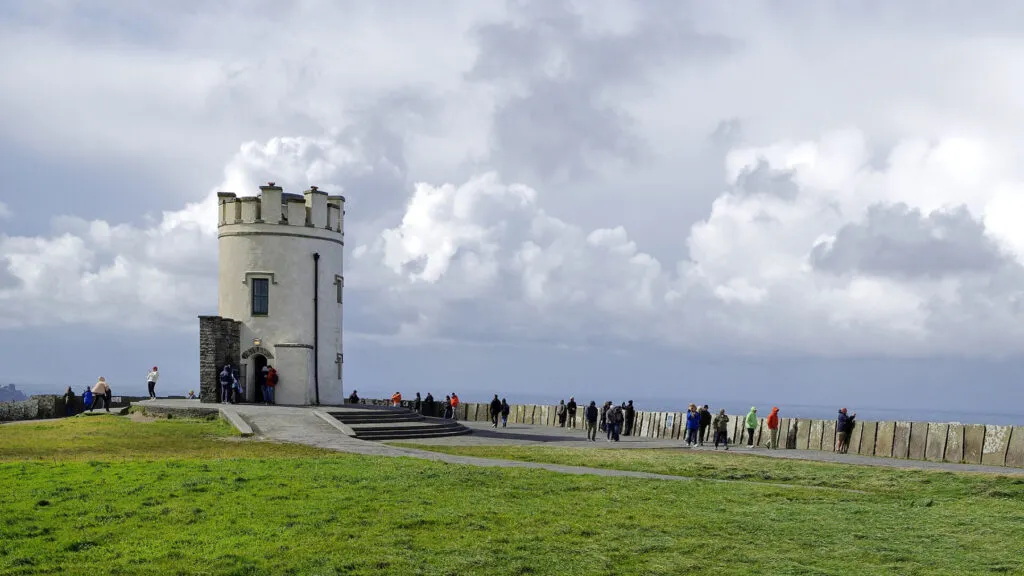
Every airport on the planet copies that model, and almost nobody knows where it started. Around it - cliffs 214...
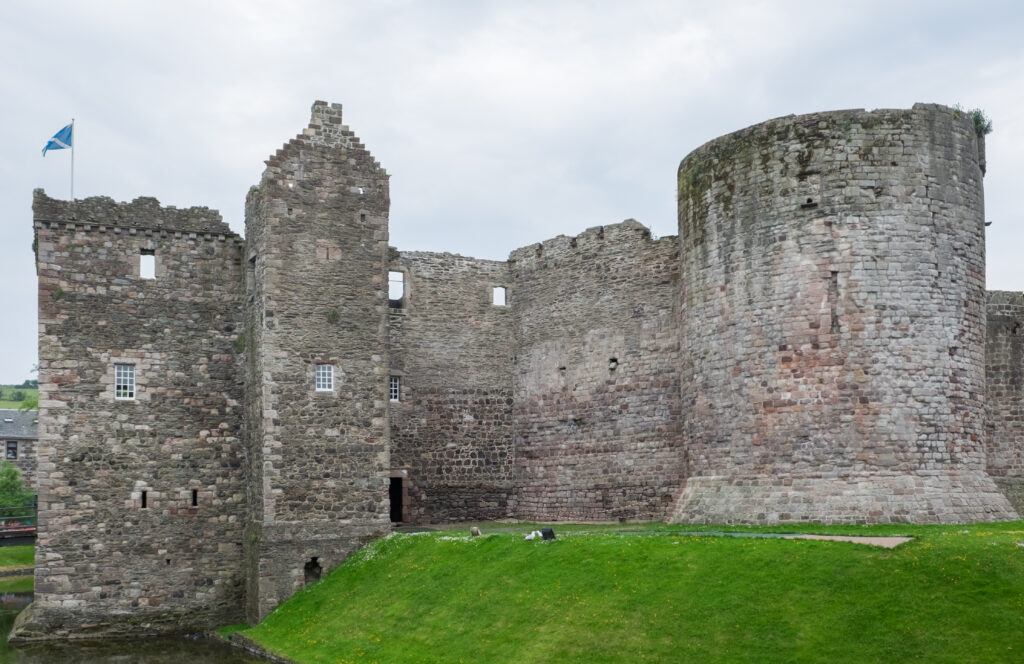
The royal couple walked yesterday into a pub the village bought back for itself. How many buildings like that sit...

Of twenty-five new inscriptions, five are natural - and only one is in Europe. For the richest of them, the...
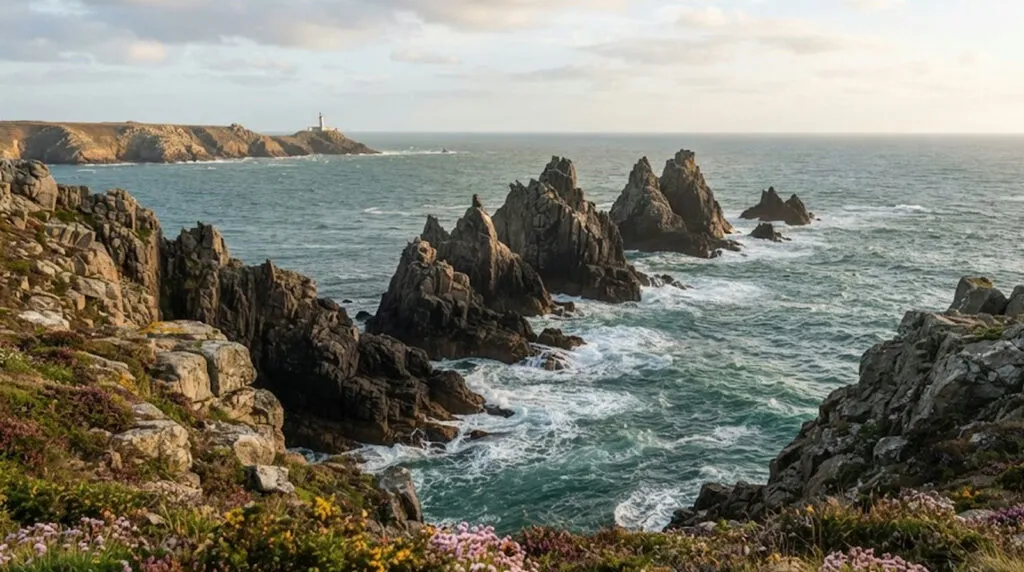
Fifty beaches, more than 120 villages and a trail France voted its favourite. Monet came for a few days and...
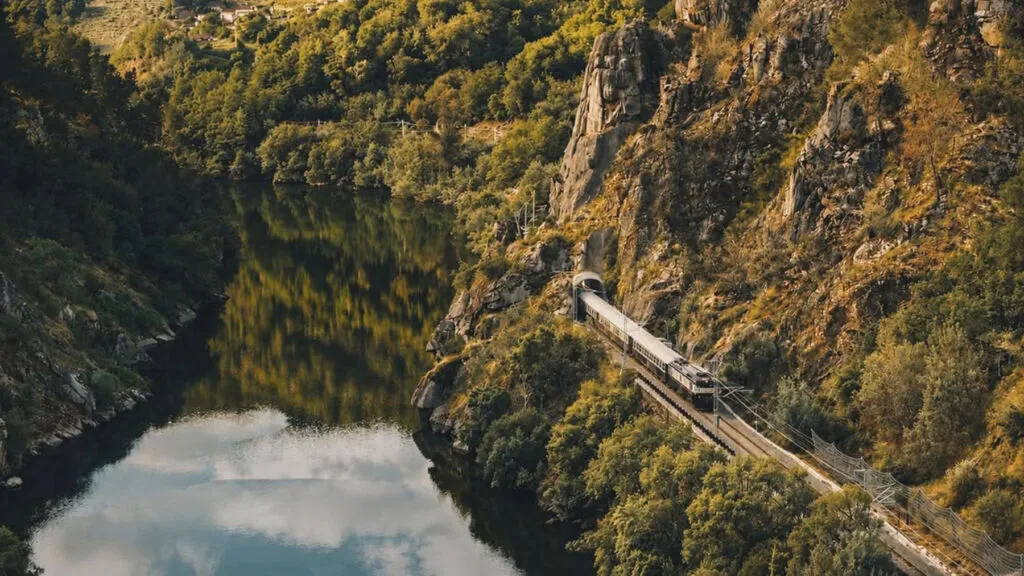
Restored carriages, a locomotive they call the Japanese Woman and a 28.95 euro return ticket. What it sells is not...

Two hundred and fifty tree species from every corner of the world, a monastery from 1628 and a palace that...
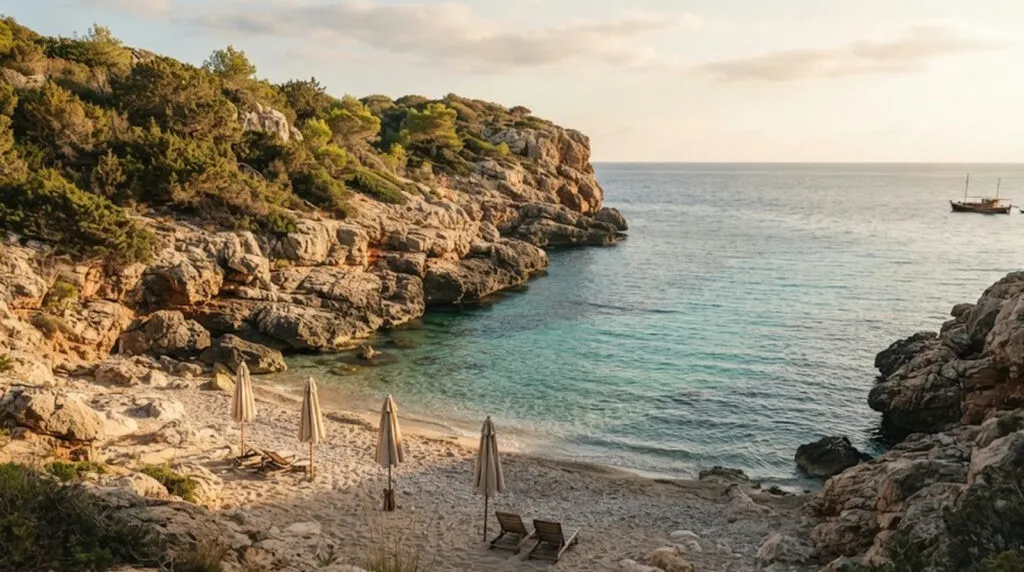
The same places cost more in August, look crowded and are experienced at half strength. The difference is made by...
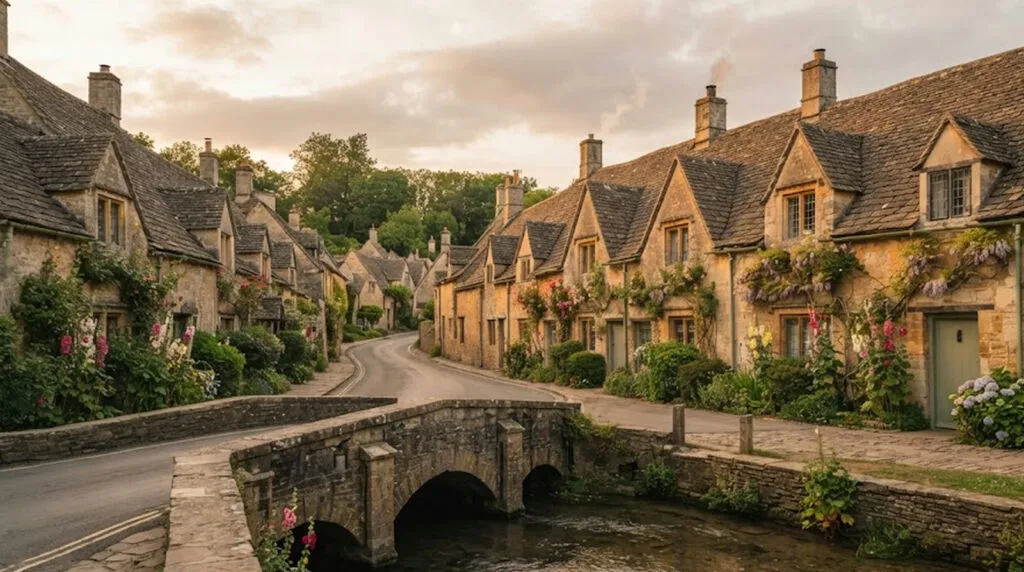
The Beckhams have a place there, so do Kate Moss and Ellen DeGeneres. But the Cotswolds needs none of those...

Down on the coast the buses pass each other with centimetres to spare and all you see is people. Up...
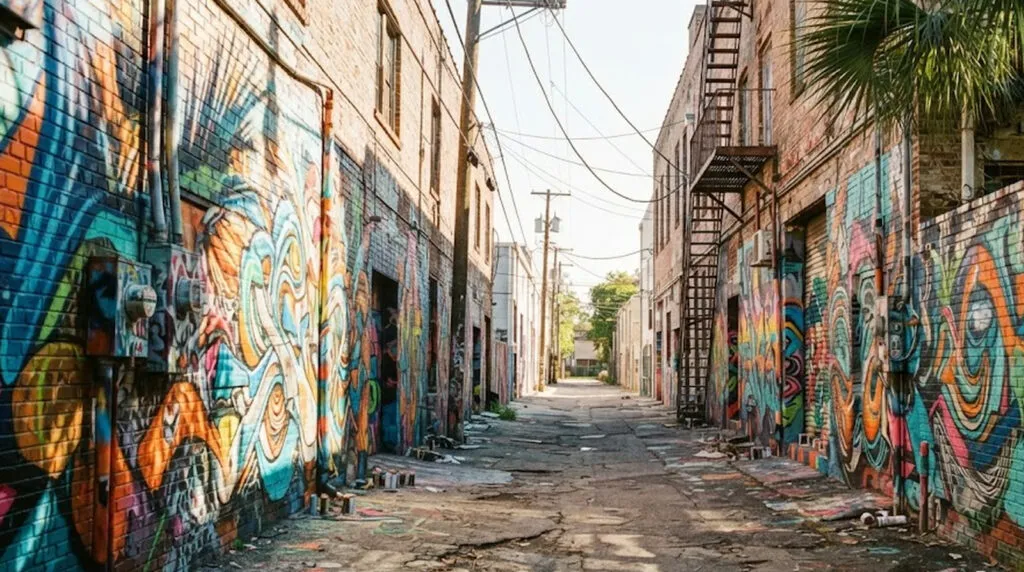
Empty warehouses, low rents and one real estate developer. A model we know without flying to Florida.
This site uses cookies - is that okay? Learn more
Be the first to know when Metla launches something new
Leave your email and we will write when there is a new guide or something new on Metla.