Sixteen Arrests in Twenty-Four Hours, All for Drugs: The Police Are Working - But Where Are All These People Coming From?
20.09.2026


20.09.2026

20.09.2026
20.09.2026
20.09.2026
20.09.2026

20.09.2026

20.09.2026
20.09.2026

20.09.2026

20.09.2026

20.09.2026

19.09.2026

20.09.2026

20.09.2026

20.09.2026

20.09.2026
19.09.2026

18.09.2026
20.09.2026

20.09.2026
20.09.2026
20.09.2026

20.09.2026

20.09.2026

09.03.2026

27.02.2026

19.02.2026
20.09.2026
19.09.2026

18.09.2026

23.04.2026

23.04.2026

12.04.2026

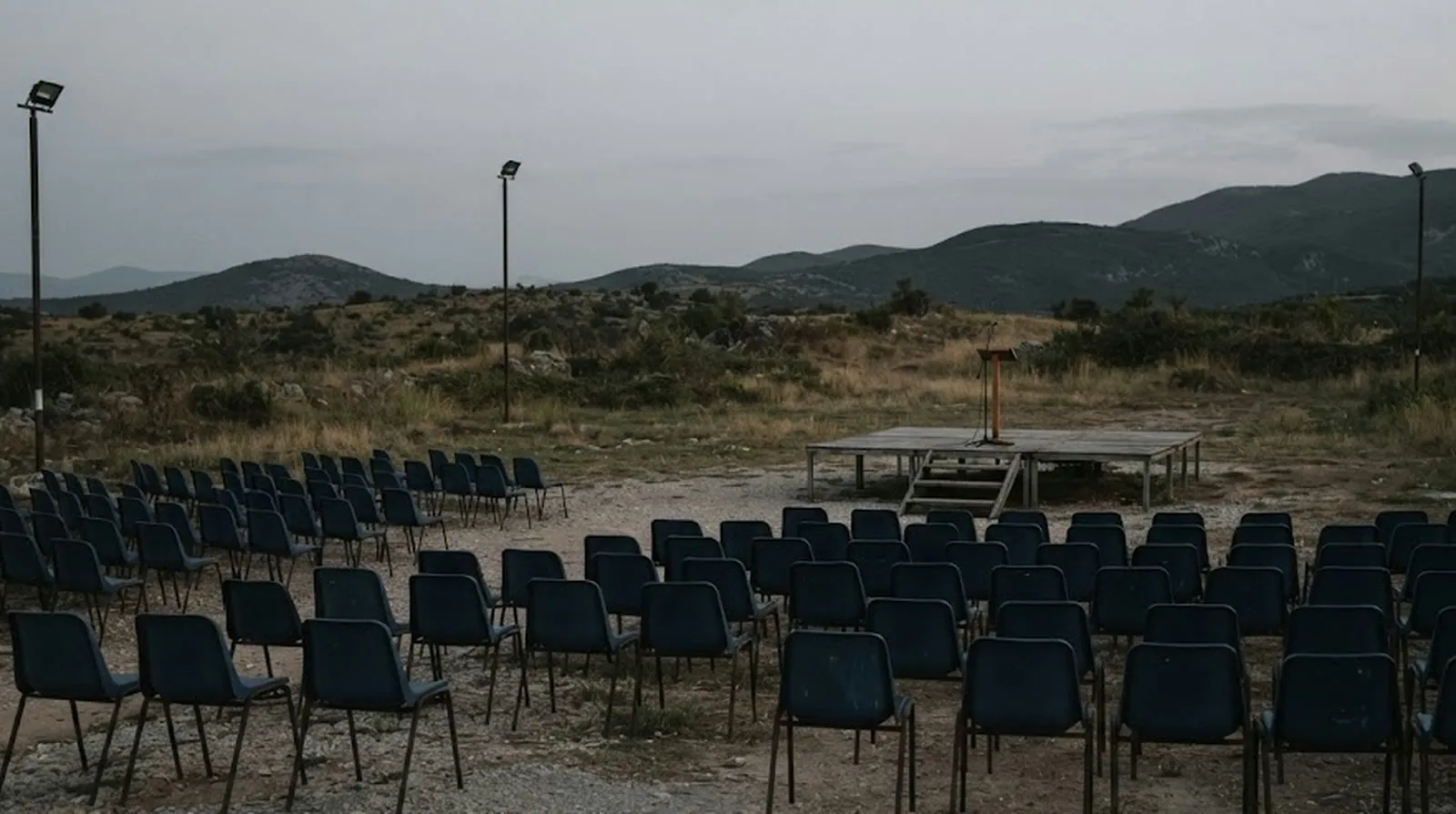
Thirty-one years after Operation Storm, the scene repeats itself almost identically. A gathering in Mrkonjić Grad, speakers on a stage, cameras, and sentences that do not try to explain a war - but to redistribute the blame again, for one more election cycle.
Serbian president Aleksandar Vučić apologised. Not to the victims on the other side, but to his own: „I apologise to all Serbs in Krajina that Serbia was weak, that it hid you, that it did not let you come down from the roads.” A sentence that sounds like repentance and functions as a political position - Serbia was not strong enough then, which means today it must be.
Milorad Dodik went further. „Shame on the Croats. Their aim was to finish the job of the Ustasha NDH”, said the leader of Republika Srpska, accusing Croatia of aggression against the entity and the United States of taking part in genocide and ethnic cleansing. That is not historical analysis. It is rhetoric written for a domestic audience and measured in votes.
When the church speaks louder than diplomacy
Serbian patriarch Porfirije called the event „a terrible expulsion without precedent in the twentieth century” - a formulation that erases every other mass tragedy from that same century in this region. In the same speech, however, he called on the faithful to pursue „peace and good neighbourly relations”. The two sentences do not agree with each other, and that is exactly what makes this kind of speech usable: every listener takes what they need.
Serbia, meanwhile, maintains that around 2,000 Serbs were killed or went missing and more than 220,000 were displaced from Croatia. The public broadcaster RTS devoted an entire day to the subject - the programme began at 5:50am and ran until nearly 10pm, using words like „persecution”, „pogrom”, „aggression” and „ethnic cleansing”. Not one segment attempted to place the event in the context of the war that preceded it.
The gathering that did not fill up
There is one detail worth more than all the speeches. Despite organised transport and an official call, relatively few people turned up. The state provided the stage, the microphone, the buses - but not the audience. When an institution has to pay your fare so you will come and mourn, the question is not whether the pain is real. The question is who the ceremony is being held for.
The Balkans know this scene by heart. Every anniversary has its ritual, its number and its politician holding the microphone cable. The line between genuine remembrance and the political use of remembrance is thin, but it is measured simply: did anyone, after the speeches, ask what is actually being done about the 600 people still listed as missing?
That question, unfortunately, was not on the agenda. Not this year either.
The latest 10 news from this category
Eight countries, 120 million people, a motorway to Timisoara and energy connections. And one cancelled visit that says more than...
The call was about damaged furniture on a terrace. Armin Dzutovic died three days later. The internal investigation found first...
Four KLA leaders received 81 years in prison, and Albania's parliament immediately adopted a declaration calling the verdict unjust. The...
The court established responsibility for 96 killed, 303 tortured and 385 unlawfully detained. The prosecution asked for 45 years. Serbia...
Thaci and Krasniqi got 25 years each, Veseli 18, Selimi 13. The court established 385 unlawfully detained, 303 tortured and...
"If it is acceptable to the participants" - that is the entire offer. What gets negotiated is the format, not...
Thousands walked from the Rectorate to the electoral commission, and the signatures had to be queued for all weekend because...
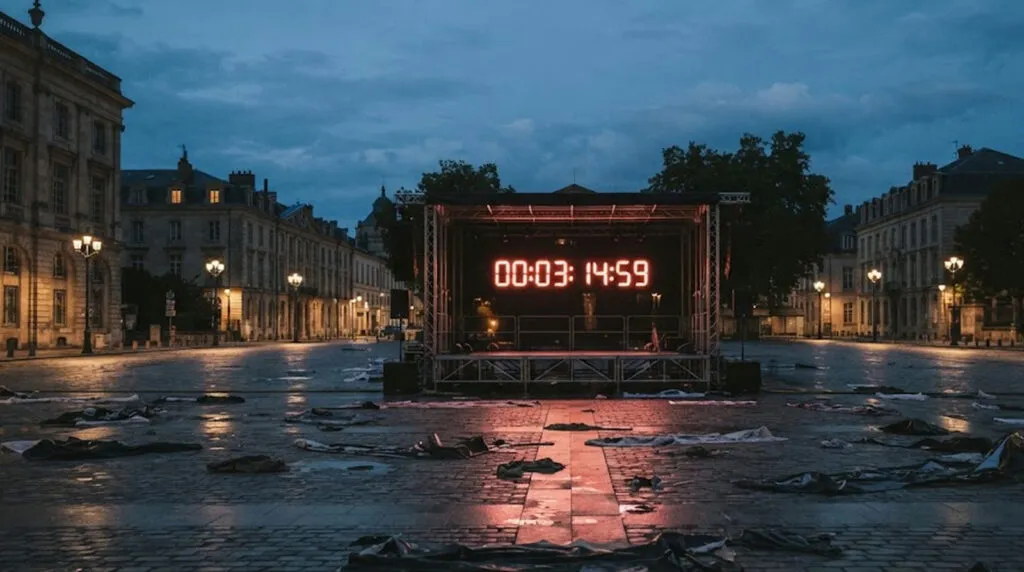
Thousands of people under a digital clock and a banner asking for them to be found innocent. On Wednesday The...
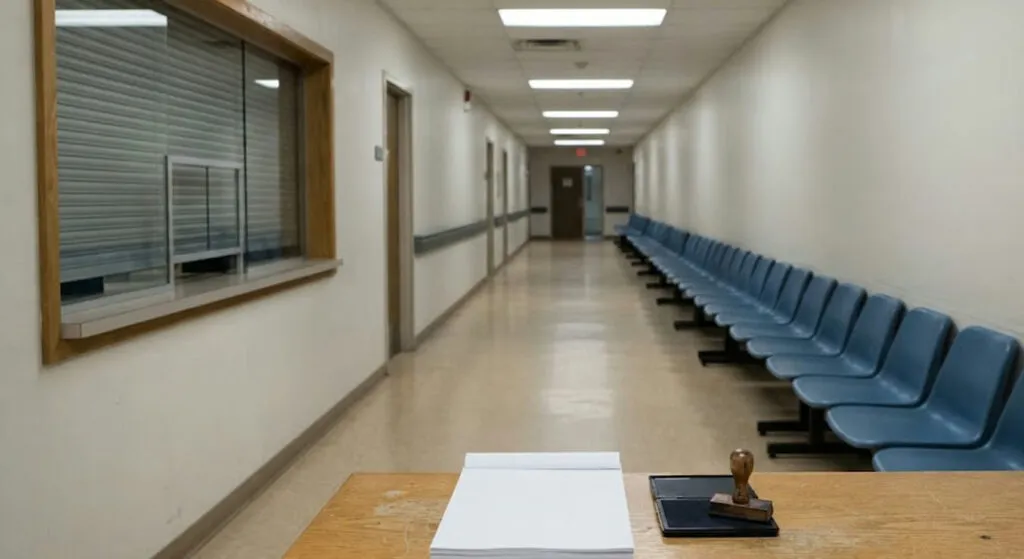
The ruling list sailed through without a single problem, the student list was left waiting in line. Nobody banned anything...
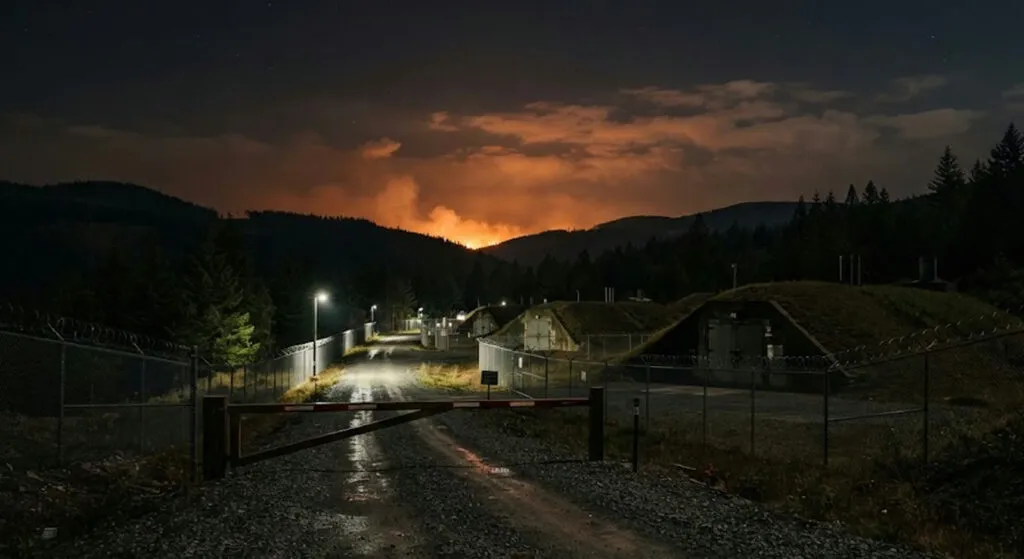
The same firm that supplied ammunition to Ukraine for years is burning for the second time in a month. Seven...
This site uses cookies - is that okay? Learn more
Be the first to know when Metla launches something new
Leave your email and we will write when there is a new guide or something new on Metla.