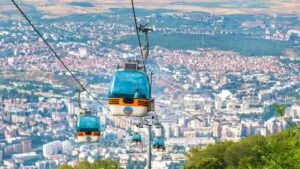
Three of Four Sensors Were Dead: Skopje's Vodno Cable Car Ran Fifteen Years Without a Real Service
17.09.2026


17.09.2026

17.09.2026

17.09.2026

17.09.2026
17.09.2026

17.09.2026

17.09.2026
16.09.2026
15.09.2026

17.09.2026

17.09.2026

16.09.2026
17.09.2026

17.09.2026

17.09.2026
17.09.2026

16.09.2026
15.09.2026

17.09.2026

17.09.2026

17.09.2026

17.09.2026

17.09.2026

17.09.2026

09.03.2026

27.02.2026

19.02.2026

23.04.2026

23.04.2026

12.04.2026

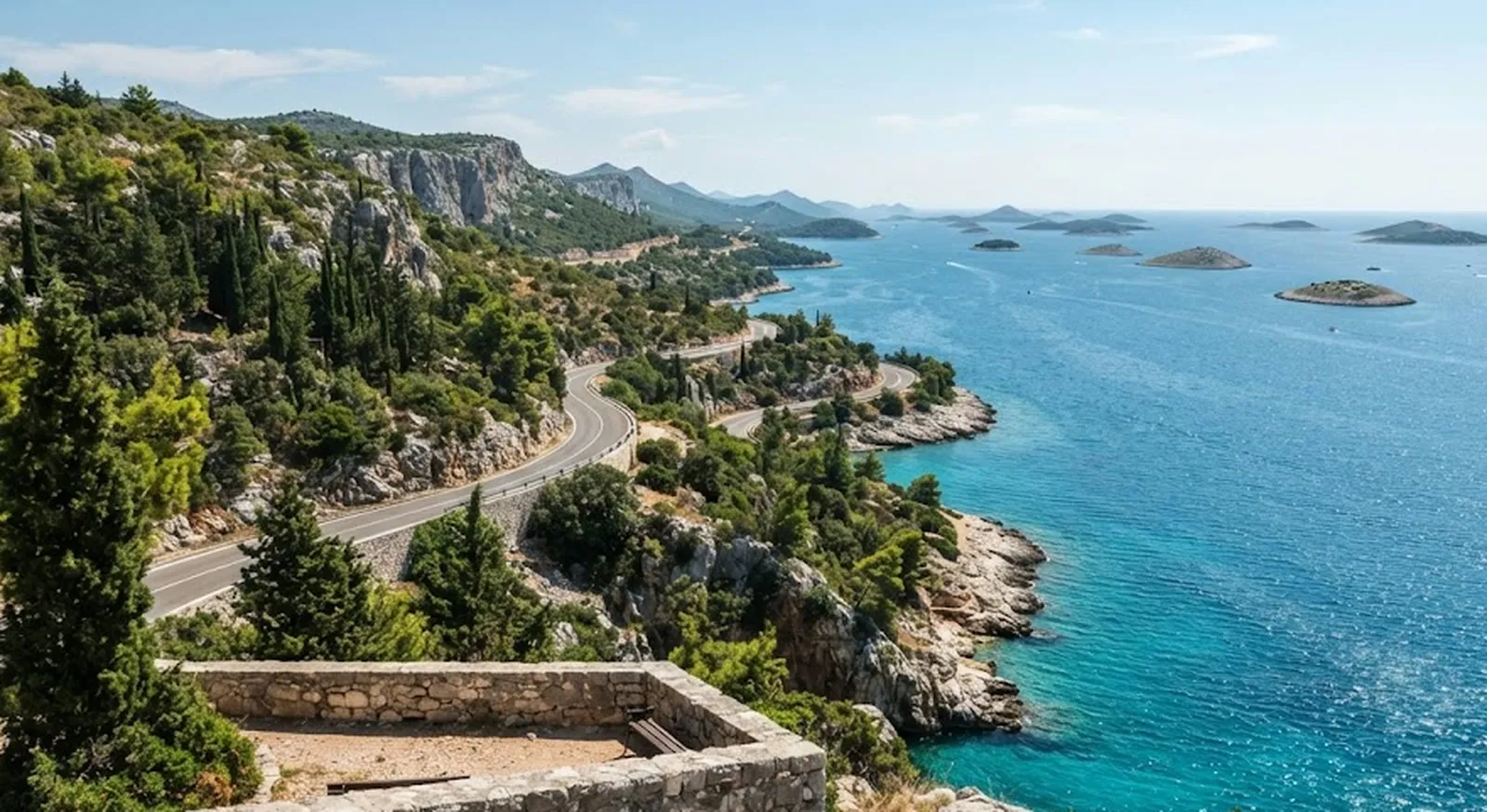
There are trips measured in kilometres, and trips measured in views. The coastal road from Zadar to Dubrovnik is the latter - over 350 kilometres along the Dalmatian coast, with curves above a turquoise sea, medieval towns at every turn and islands lined up as if someone scattered them on purpose. For a Balkan traveller there is a bonus too: all of this is a few hours away by car, with no plane and no distant visas.
The road begins in Zadar, a town where Roman ruins and Renaissance churches live alongside the old quarter known as the Old Town. From here the islands of Pag and Dugi Otok are within reach, with beaches that look more like a postcard than reality, as well as mountain gorges for those who want to stretch their legs before continuing along the sea.
The next stop is Trogir - a small town enclosed by fifteenth-century walls, with an elegant cathedral and architecture in which the Venetian influence can be read on every corner. The entire old town is under UNESCO protection, and not by chance: few places in such a small space carry so many layers of history.
Then nature arrives in grand style. Krka National Park with its waterfalls and the nearby Kornati - almost uninhabited islands where limestone cliffs drop straight into a blue sea - are part of a landscape hard to forget. A little further on is Ston, known for its oyster farms, for those who want to test the taste of the place at the table too.
Split is the heart of the road. The city is built around Diocletian's Palace - once the residence of the Roman emperor, today a living city with shops, restaurants and ancient walls through which people pass as if it were perfectly normal to live in a third-century palace. From here trips open up to the islands of Brač, Hvar, Korčula and Mljet, each with its own character.
The end of the road is Dubrovnik - and there is hardly a more striking finale. The main street Stradun, the narrow lanes, the Church of St Blaise, the Sponza Palace and the famous defensive walls are what have drawn both tourists and film crews to the city for decades. A tip from experience: set off early and don't rush. This road is not for racing - every bay along it asks you to stop at least for a coffee.
The latest 10 news from this category

Of twenty-five new inscriptions, five are natural - and only one is in Europe. For the richest of them, the...
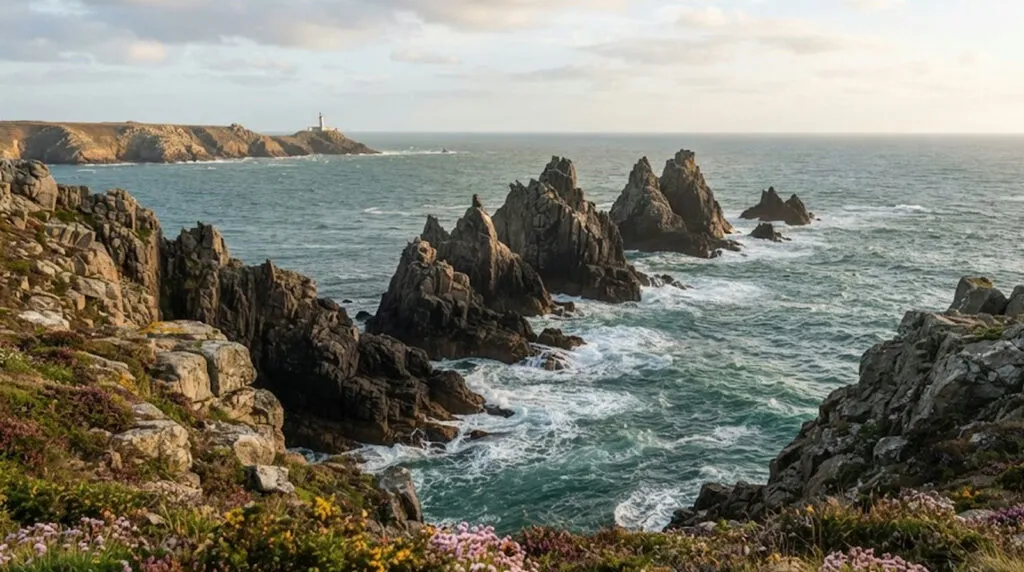
Fifty beaches, more than 120 villages and a trail France voted its favourite. Monet came for a few days and...
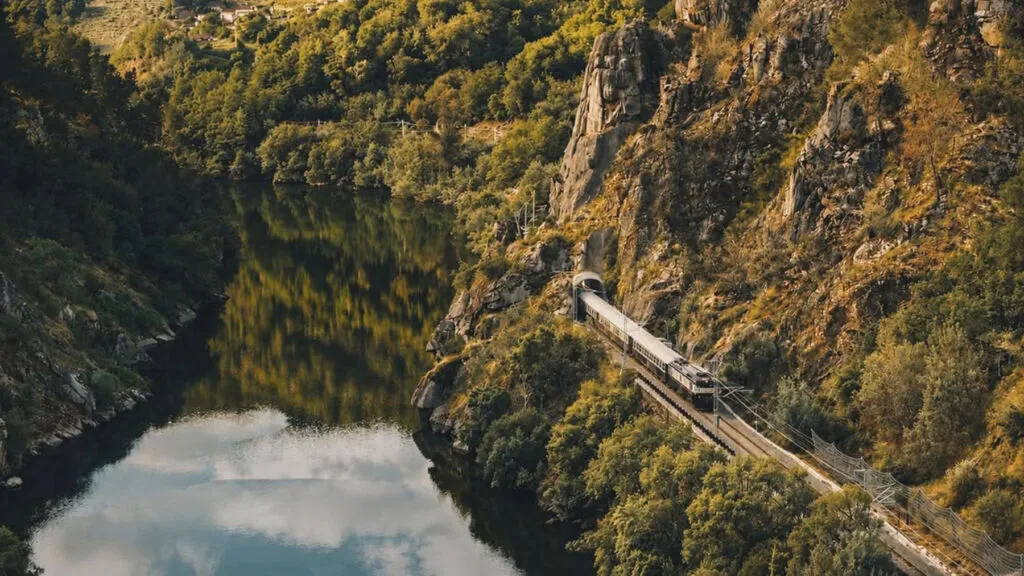
Restored carriages, a locomotive they call the Japanese Woman and a 28.95 euro return ticket. What it sells is not...
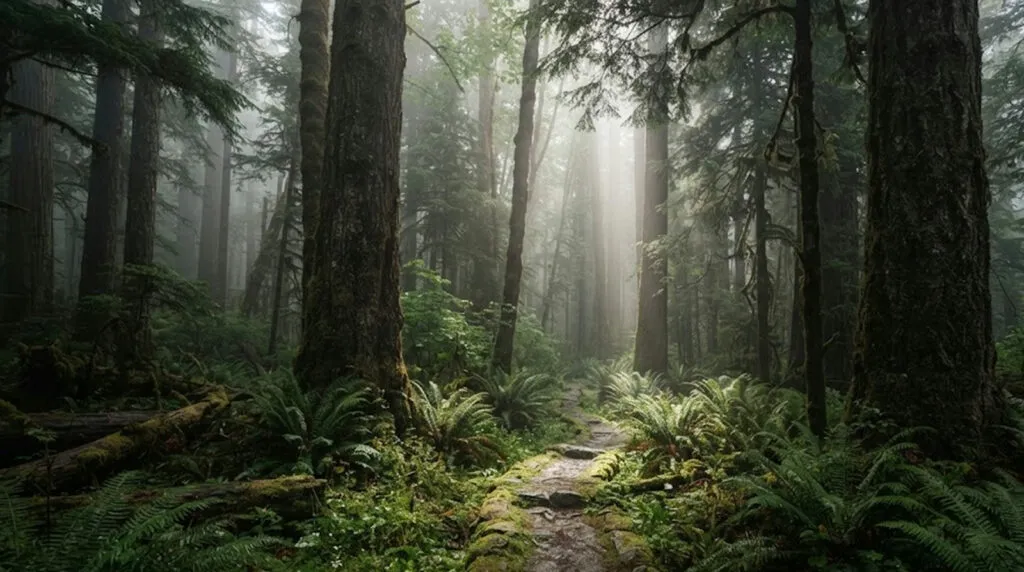
Two hundred and fifty tree species from every corner of the world, a monastery from 1628 and a palace that...
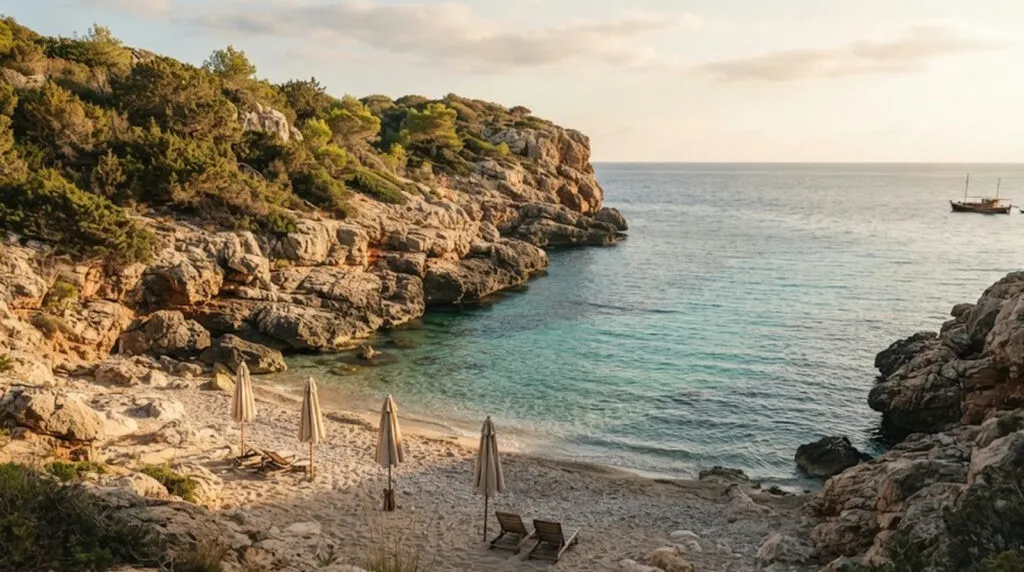
The same places cost more in August, look crowded and are experienced at half strength. The difference is made by...
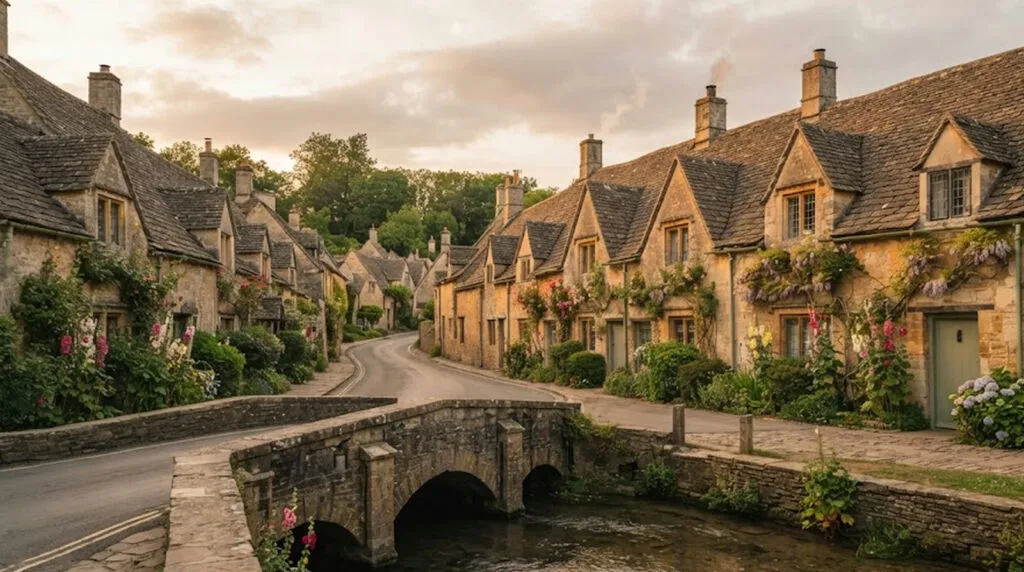
The Beckhams have a place there, so do Kate Moss and Ellen DeGeneres. But the Cotswolds needs none of those...

Down on the coast the buses pass each other with centimetres to spare and all you see is people. Up...
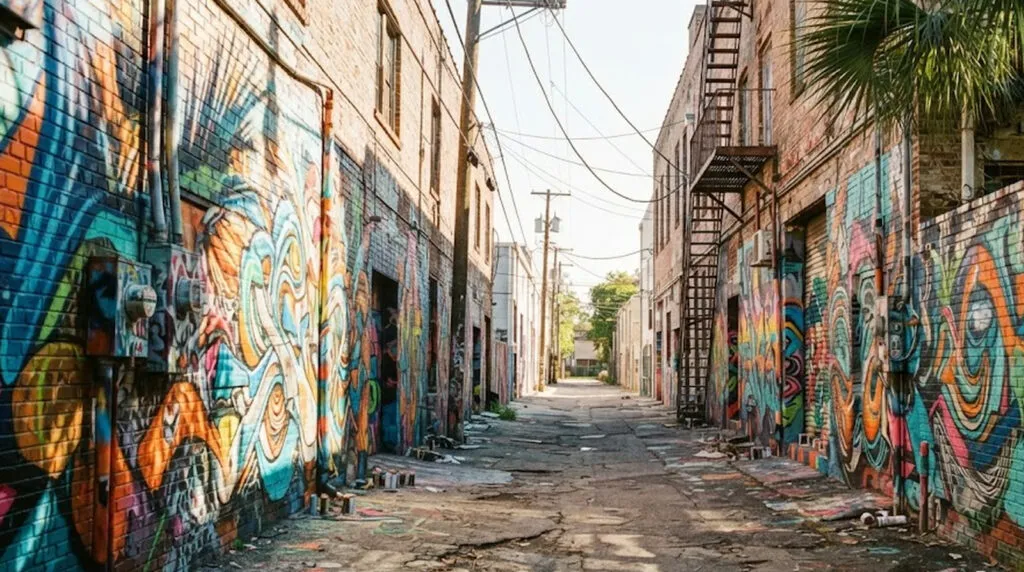
Empty warehouses, low rents and one real estate developer. A model we know without flying to Florida.
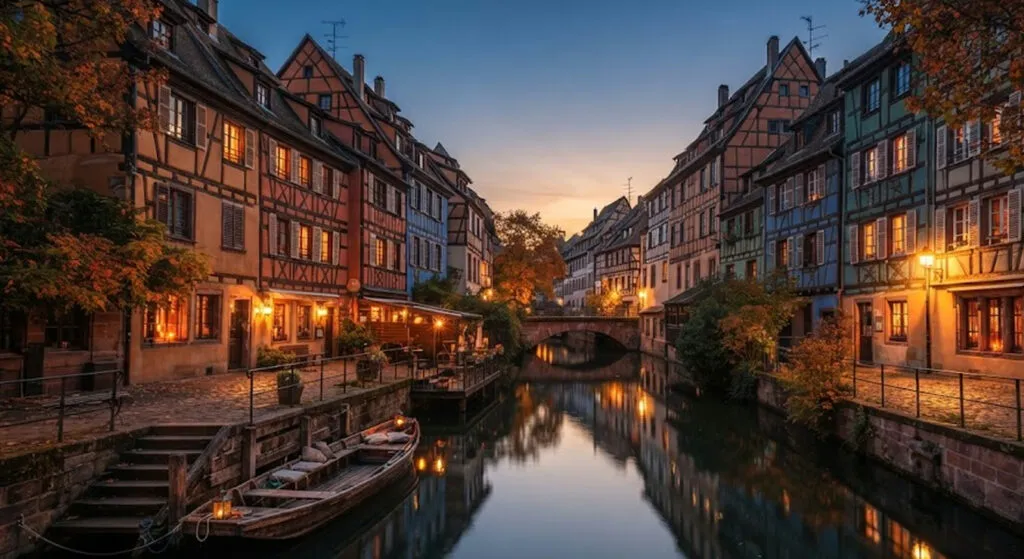
Old tanners' and dyers' workshops, built directly over the river. From 10 to 13 September the town puts boats and...
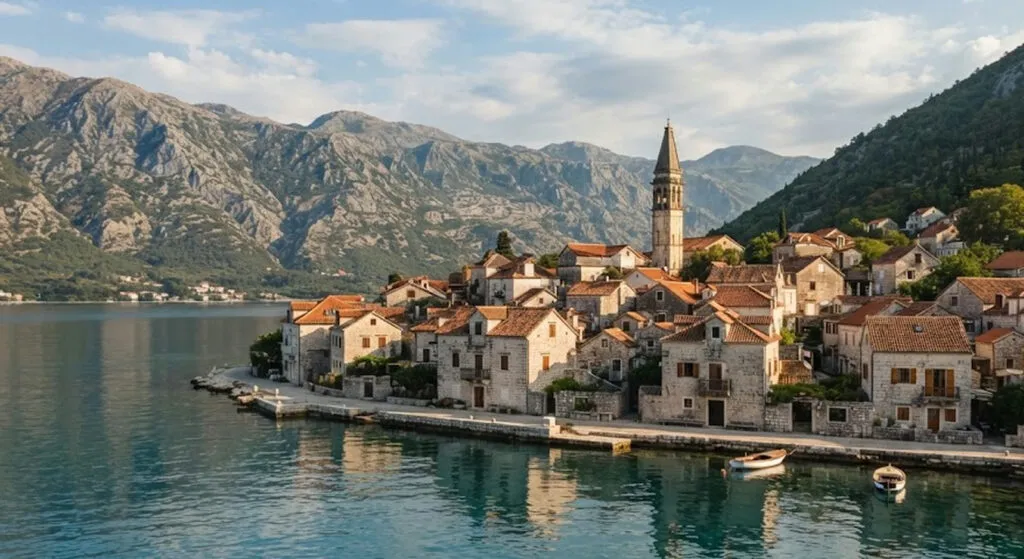
The Albanian Riviera, Montenegro, Sardinia, Lyon and the Algarve. The same weather as August, fewer people, and a bill that...
This site uses cookies - is that okay? Learn more
Be the first to know when Metla launches something new
Leave your email and we will write when there is a new guide or something new on Metla.