

Kratovo man stabs police officer mid-intervention: prosecutors want the 40-year-old detained
15.09.2026


15.09.2026

15.09.2026

15.09.2026

15.09.2026

15.09.2026

15.09.2026

15.09.2026

14.09.2026
13.09.2026

15.09.2026

15.09.2026

14.09.2026

15.09.2026

15.09.2026

15.09.2026

15.09.2026

14.09.2026

13.09.2026

15.09.2026

15.09.2026

15.09.2026

15.09.2026

15.09.2026

14.09.2026

09.03.2026

27.02.2026

19.02.2026

15.09.2026

14.09.2026

14.09.2026

23.04.2026

23.04.2026

12.04.2026


On May 4, 1980, at the Clinical Centre in Ljubljana, Josip Broz Tito died - lifetime president of the Socialist Federal Republic of Yugoslavia. Today marks 46 years since that day. More than 200 heads of state and officials from across the world attended his funeral in Belgrade - a number no other leader at the time could match.
Tito led Yugoslavia for 35 years. He commanded the anti-fascist resistance and the People's Liberation Army in World War II, and was one of the founders of the Non-Aligned Movement - a bloc of nations outside both NATO and the Warsaw Pact. He built a system that held together six peoples, two alphabets, three religions and countless tensions inside a single federation.
Forty-six years on, his legacy remains split. For some he is a symbol of social justice and international standing. For others - a dictator who jailed and persecuted his opponents. Neither picture is complete without the other. Citizens from every former Yugoslav republic still visit his tomb in Belgrade - the "House of Flowers" in Dedinje. That, in itself, says something.
The latest 10 news from this category

The domestic regulator found the irregularities first, and then the story stopped. It took crossing a border for the same...

Two million people stood against twenty-seven states and the text never came out. A reminder that EU membership does not...
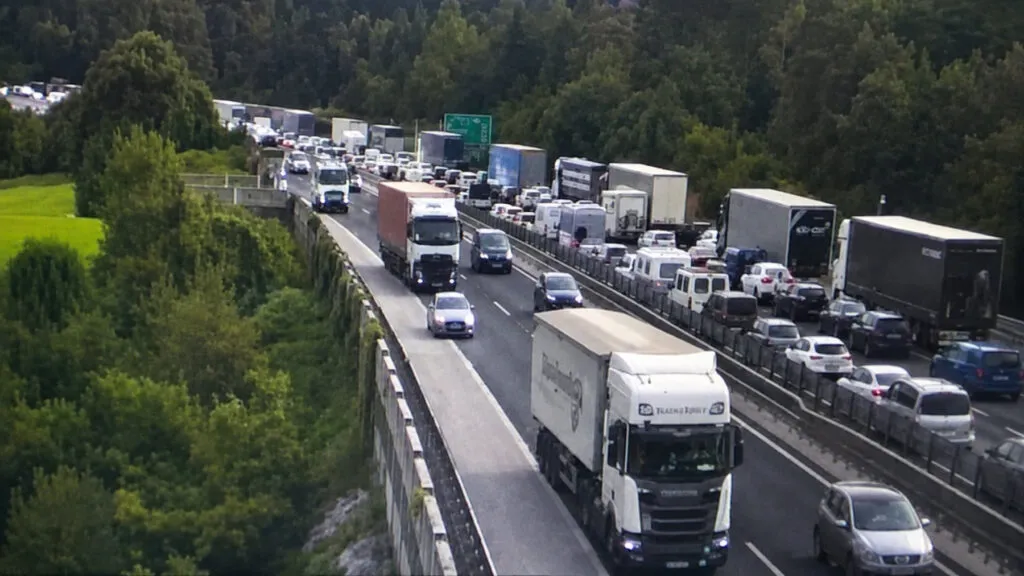
A lorry stopped in the hard shoulder with a breakdown, a car with five passengers and one impact in the...
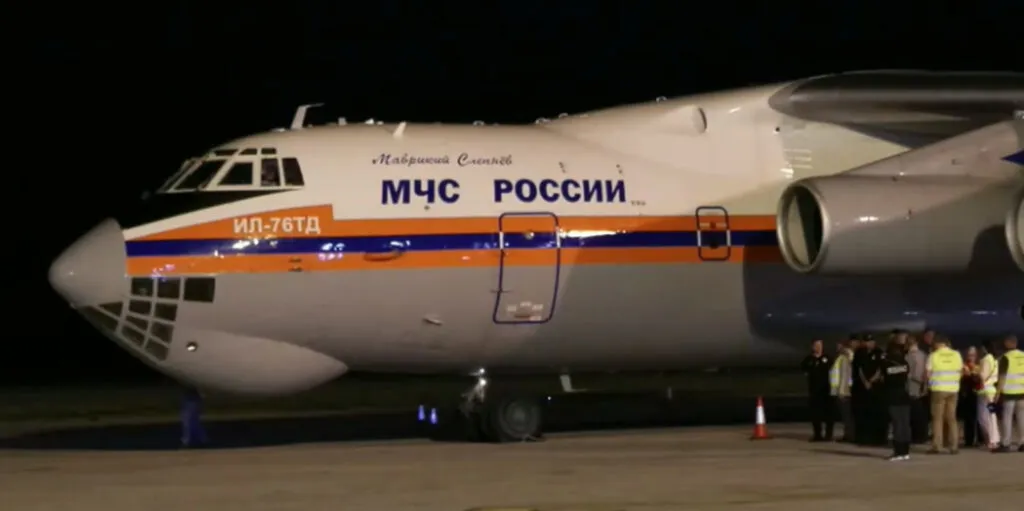
Forty-two tonnes of water per flight and one well-organised welcome on the runway in Niš. The fire in the Deliblato...

Seven times since 2015, and one trip ended less than two months before the invasion of Ukraine. SOVA says it...
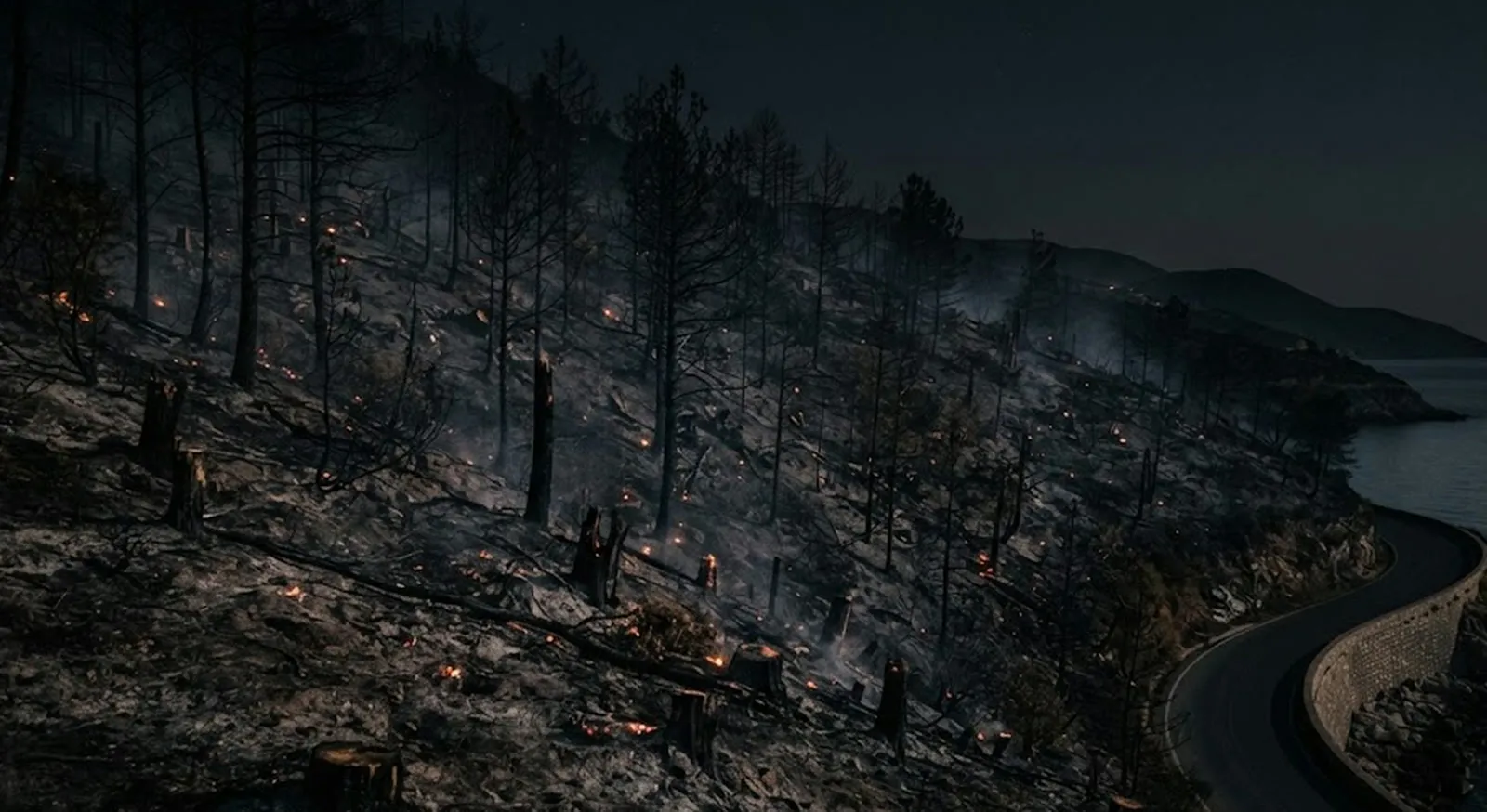
194 people evacuated by boat, 36 injured, one body found in the burnt area. Mobile phones in the zone stayed...
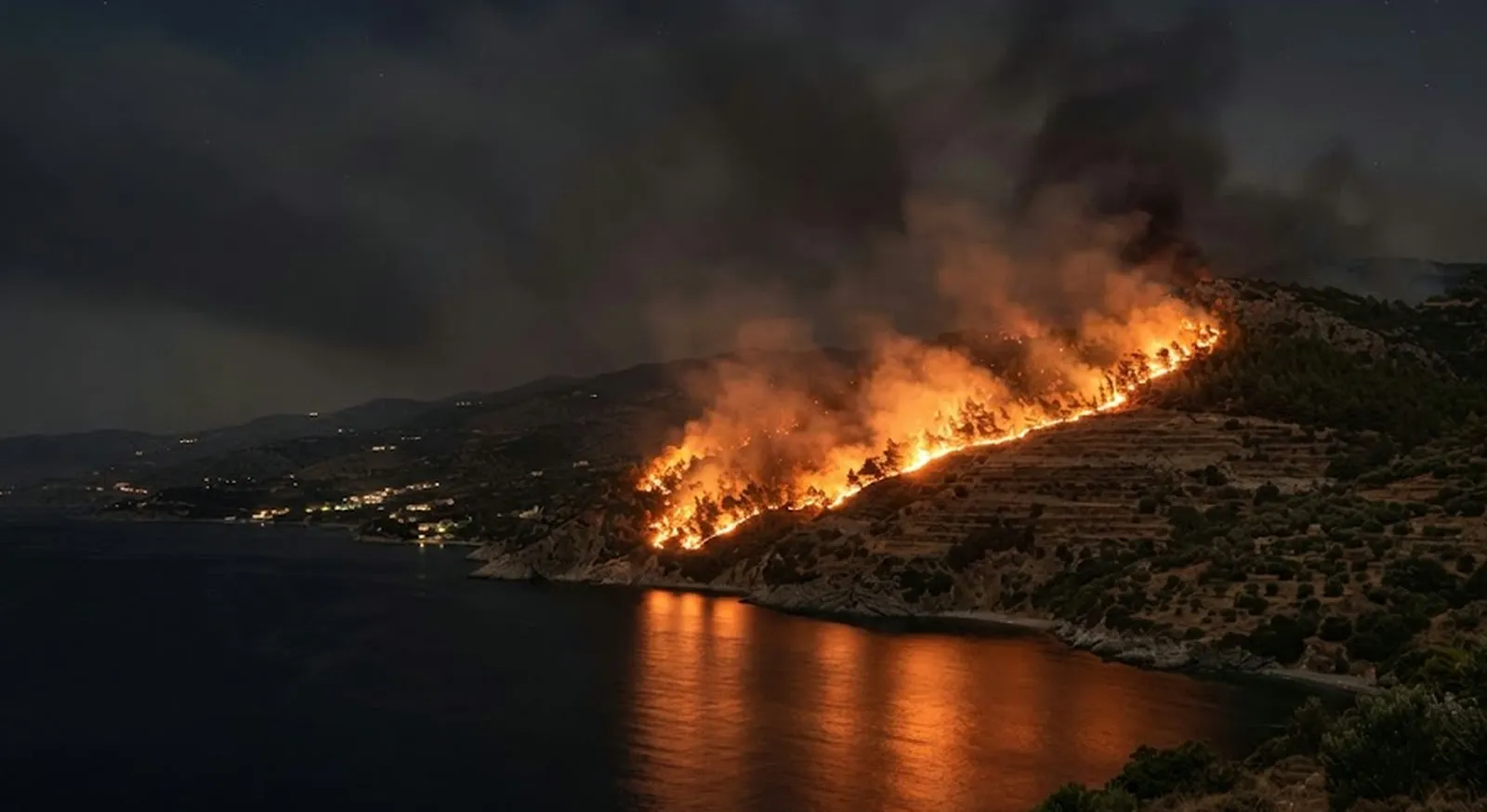
Driven by a strong night wind, the flames covered the distance from Mimice to Omiš in two hours. The question...
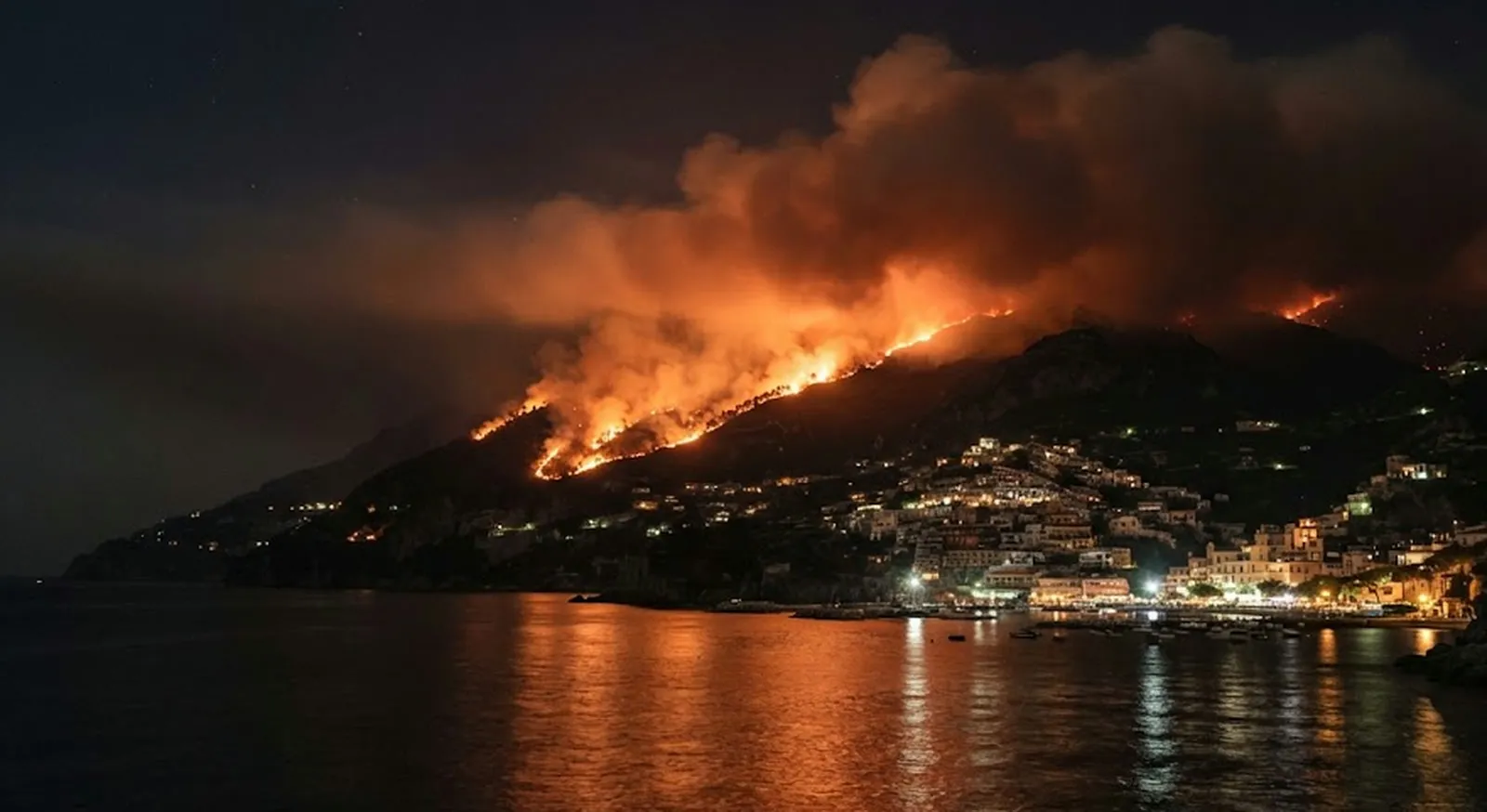
The flames reached fifty metres from the centre and people fled by boat because the coastal road was shut. A...
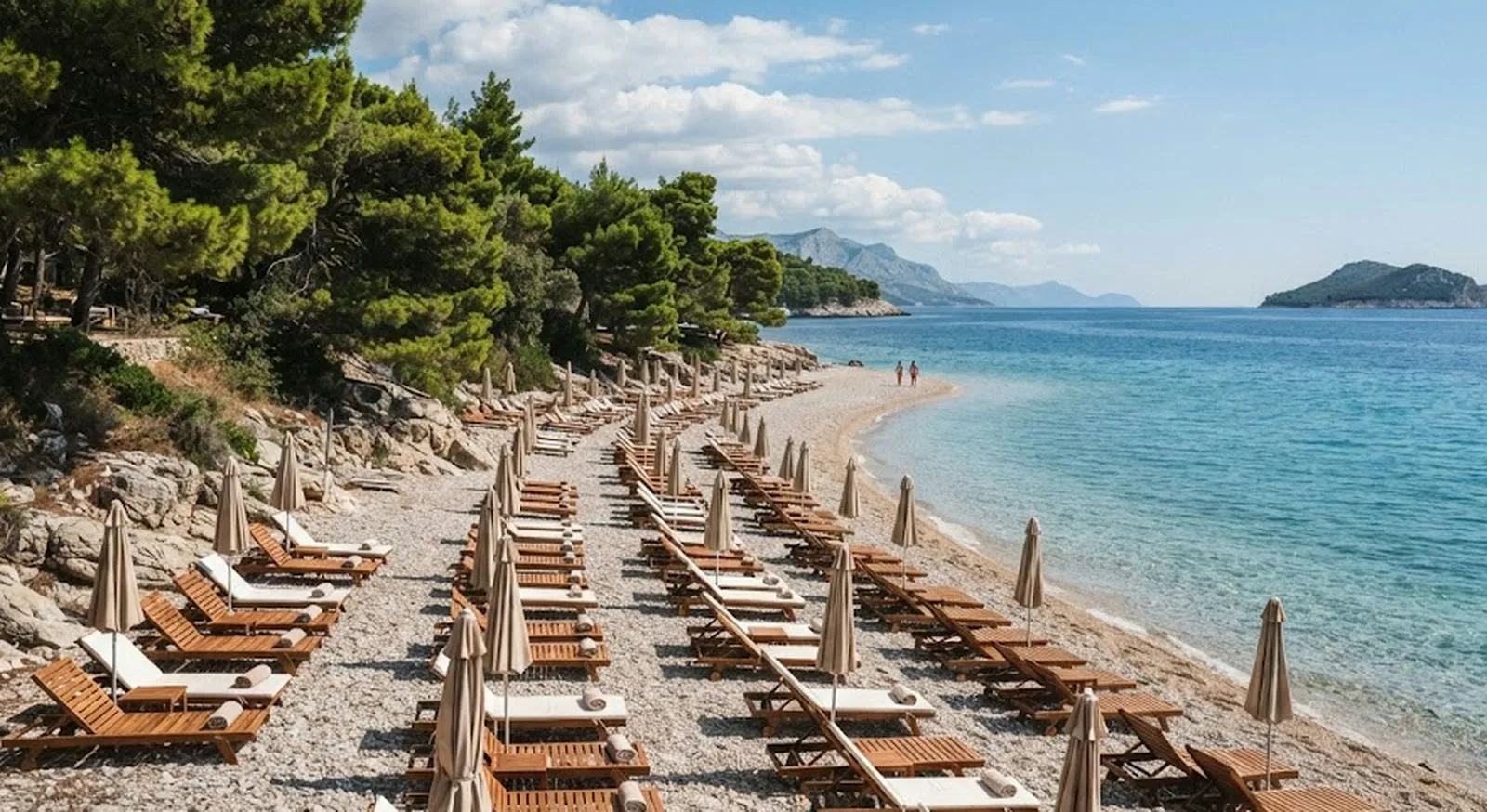
Croatian statistics record a 6.6 percent drop in June, and nearly a third fewer overnight stays from its most important...
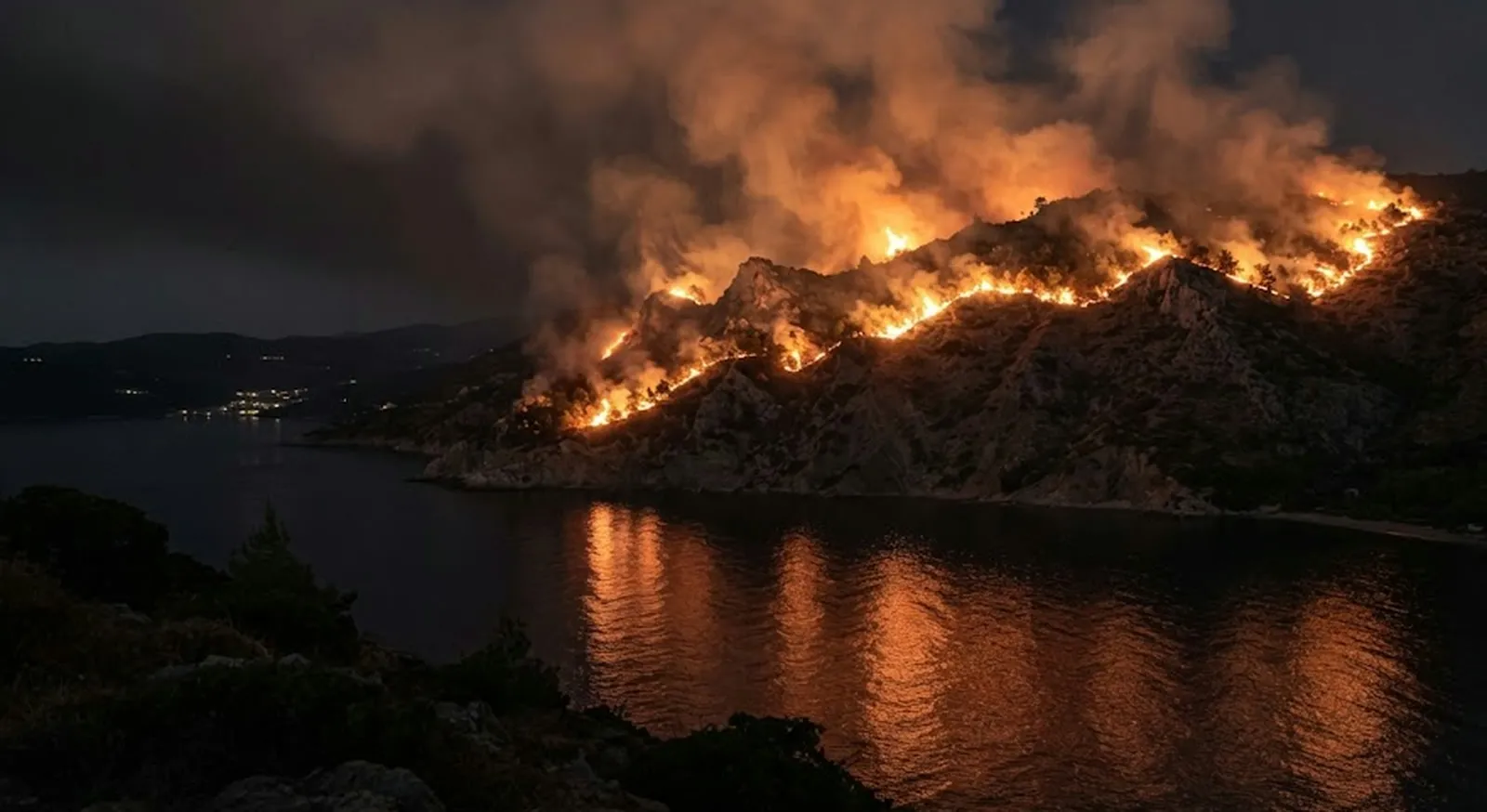
Bijela and Baošići lost power and water while the fire spread along the power line. The number two - that...
This site uses cookies - is that okay? Learn more
Be the first to know when Metla launches something new
Leave your email and we will write when there is a new guide or something new on Metla.
