

Kratovo man stabs police officer mid-intervention: prosecutors want the 40-year-old detained
15.09.2026


15.09.2026

15.09.2026
15.09.2026
15.09.2026
15.09.2026
15.09.2026
15.09.2026

14.09.2026
13.09.2026

15.09.2026

15.09.2026

14.09.2026
15.09.2026

15.09.2026

15.09.2026

15.09.2026

14.09.2026

13.09.2026

15.09.2026

15.09.2026

15.09.2026

15.09.2026

15.09.2026

14.09.2026

09.03.2026

27.02.2026

19.02.2026

15.09.2026

14.09.2026
14.09.2026

23.04.2026

23.04.2026

12.04.2026

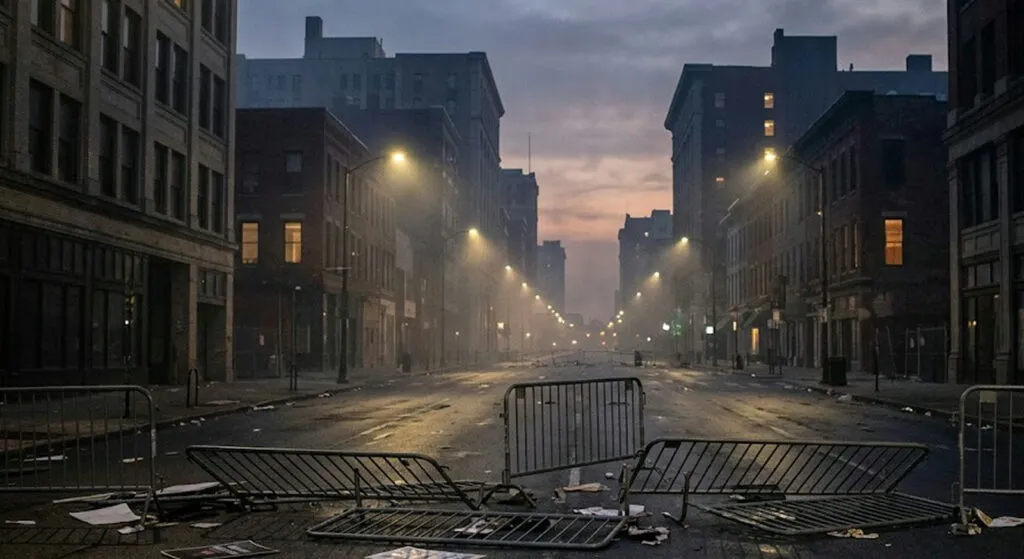
On 1 May, Taksim Square in Istanbul once again became the scene of clashes. More than 550 people were arrested after Turkish police intervened during the Labour Day demonstrations. In plain language: those who wanted to mark the workers' holiday ended up in police vans. This is Turkey in 2026 - a country presenting itself as a NATO power, but unable to let its citizens stand peacefully on their own square.
Context: Taksim is a symbolic site for the Turkish left. It is the same square where in 1977 more than 30 people were killed at a 1 May demonstration, an event that has remained in Turkish history as the „Taksim massacre". Since then, every commemoration of 1 May here has been heavily policed. But in recent years - and especially under the rise of the Erdogan regime - demonstrations here are crushed before they begin.
The police use tear gas and water cannons to break up the groups. Additional blockades on the metro lines leading to the square, ID checks for passers-by. All in the name of „public order". Translation: blockading a city in order to blockade a political event.
Why this 1 May in particular. The Turkish economy is in deep crisis - inflation above 60%, the lira sliding, real wages dropping. Economic problems usually end in political protest, and Erdogan knows it. So instead of the „right to assemble", a „preventive break-up tactic" is being applied - with 550 arrests, plenty of tear gas, and a message to all that any attempt at organised dissent will get a fast, rough response.
The Balkans watches this with particular attention. Bulgaria and Greece, as Turkey's neighbours, see the economic crisis as a migration risk. Macedonia, Albania and Kosovo - as an economic space tied to Turkey - measure the fallout of further instability. When one of the largest regional economies cannot stand on its own feet, the whole region shifts. That is something the news rarely spells out, but every citizen in the Balkans already feels it.
The latest 10 news from this category
The domestic regulator found the irregularities first, and then the story stopped. It took crossing a border for the same...
Two million people stood against twenty-seven states and the text never came out. A reminder that EU membership does not...
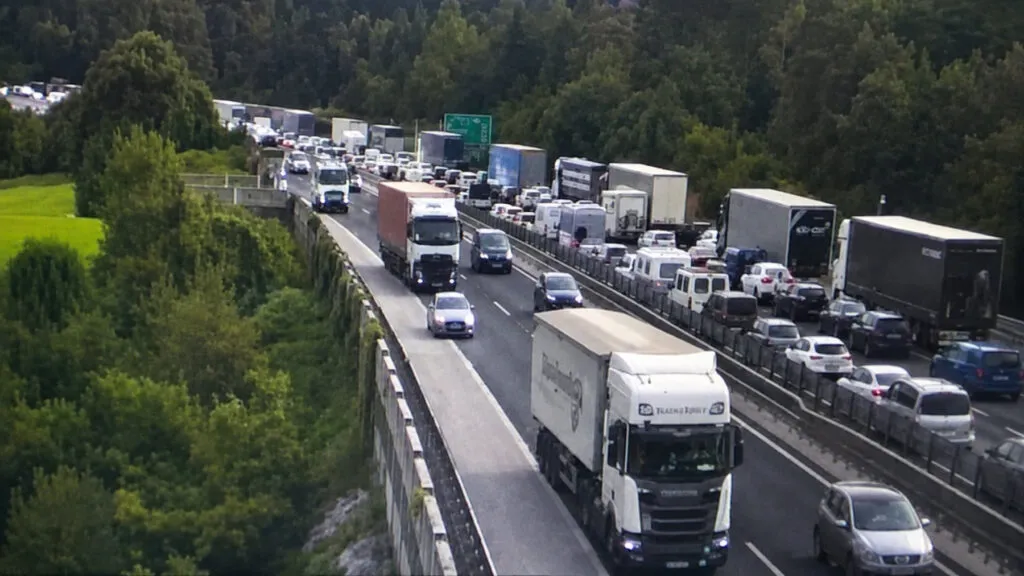
A lorry stopped in the hard shoulder with a breakdown, a car with five passengers and one impact in the...
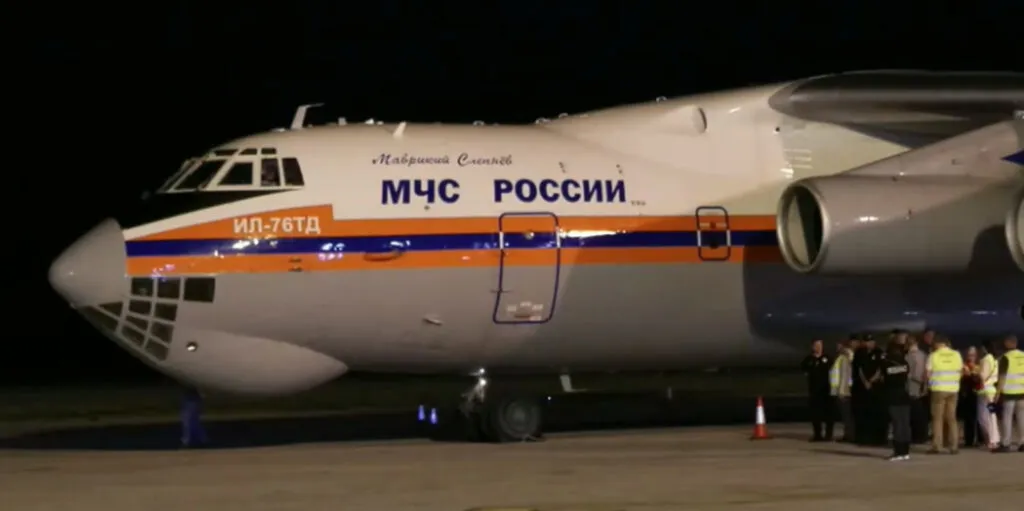
Forty-two tonnes of water per flight and one well-organised welcome on the runway in Niš. The fire in the Deliblato...

Seven times since 2015, and one trip ended less than two months before the invasion of Ukraine. SOVA says it...
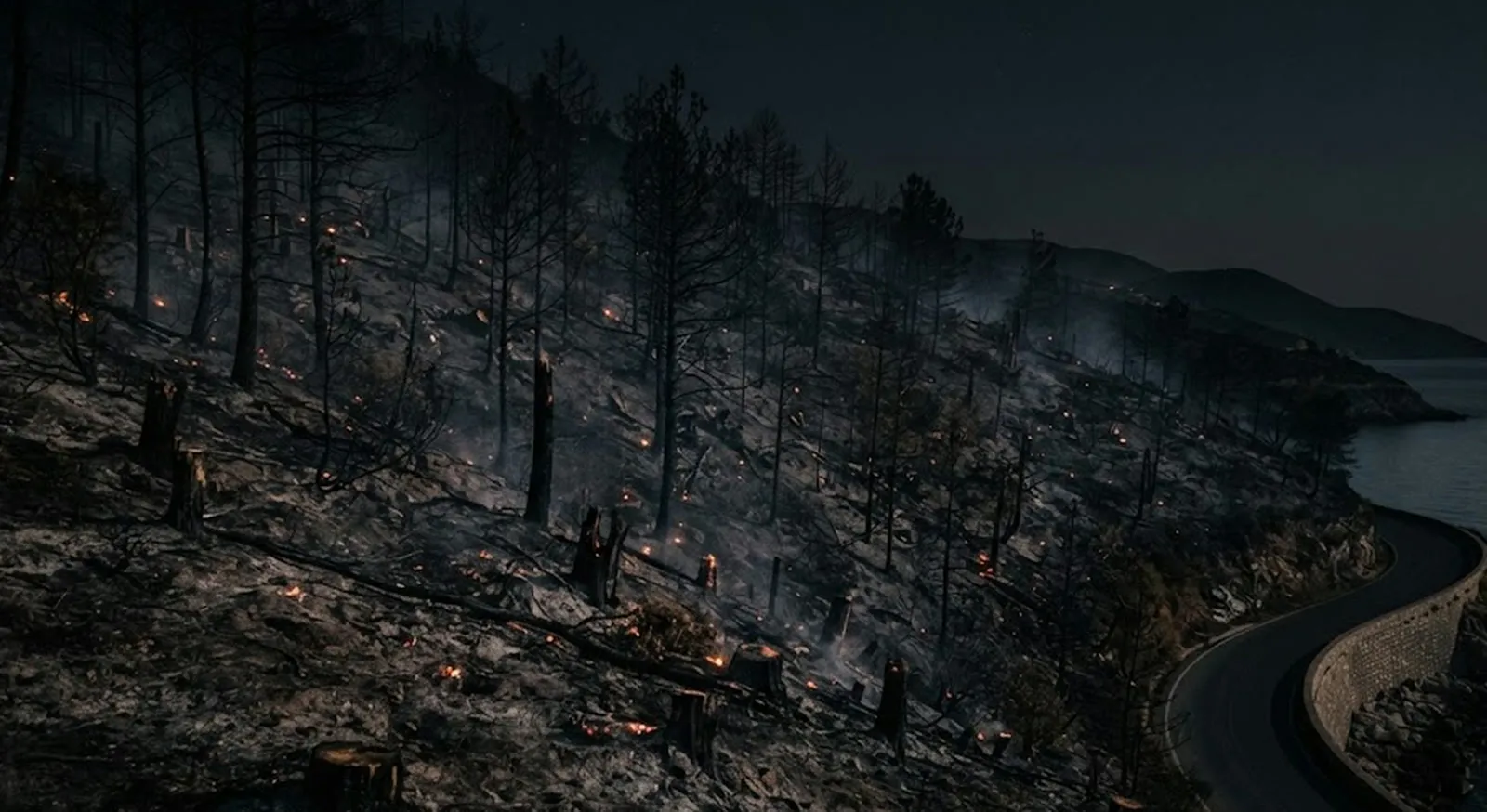
194 people evacuated by boat, 36 injured, one body found in the burnt area. Mobile phones in the zone stayed...
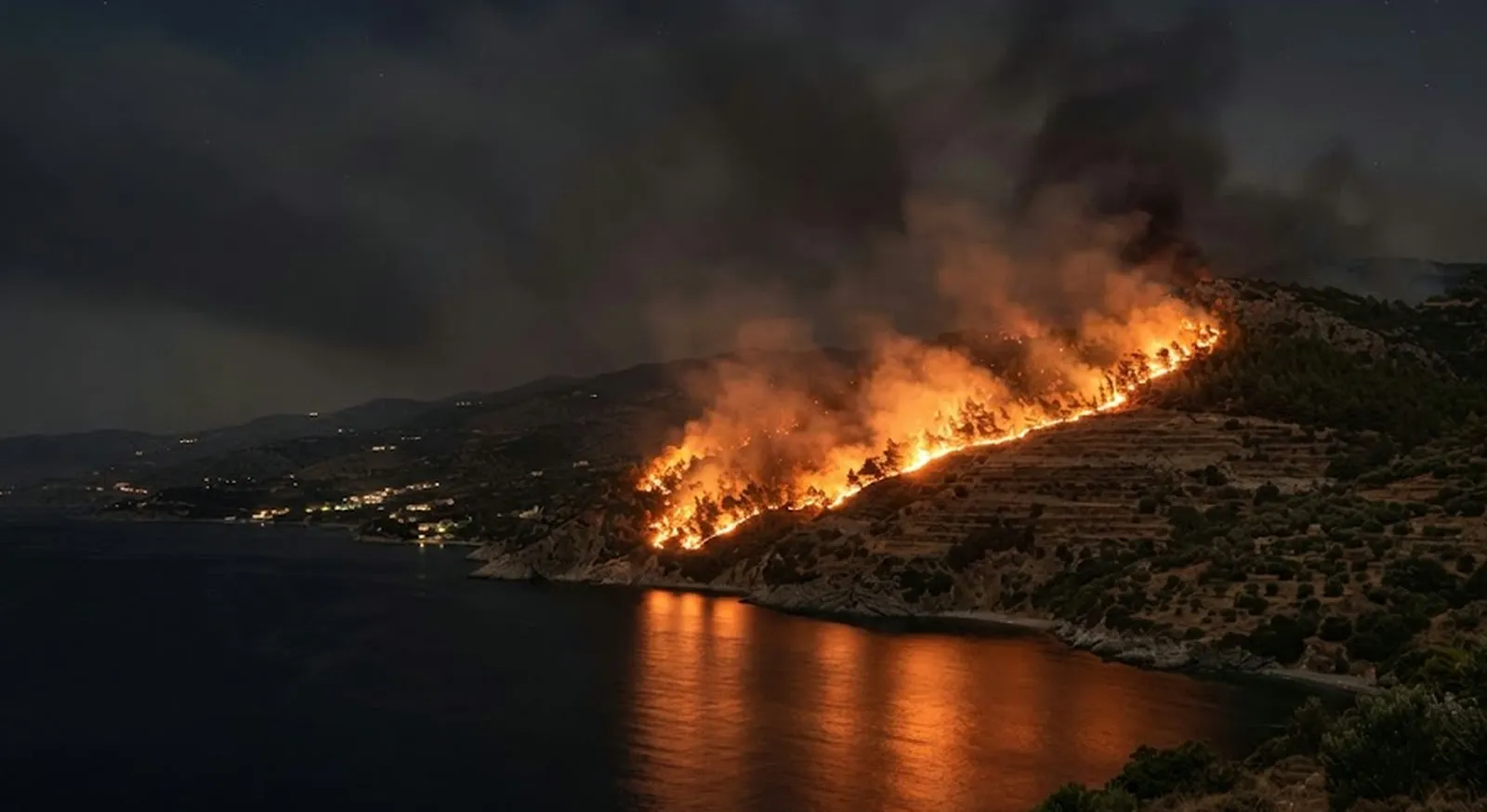
Driven by a strong night wind, the flames covered the distance from Mimice to Omiš in two hours. The question...
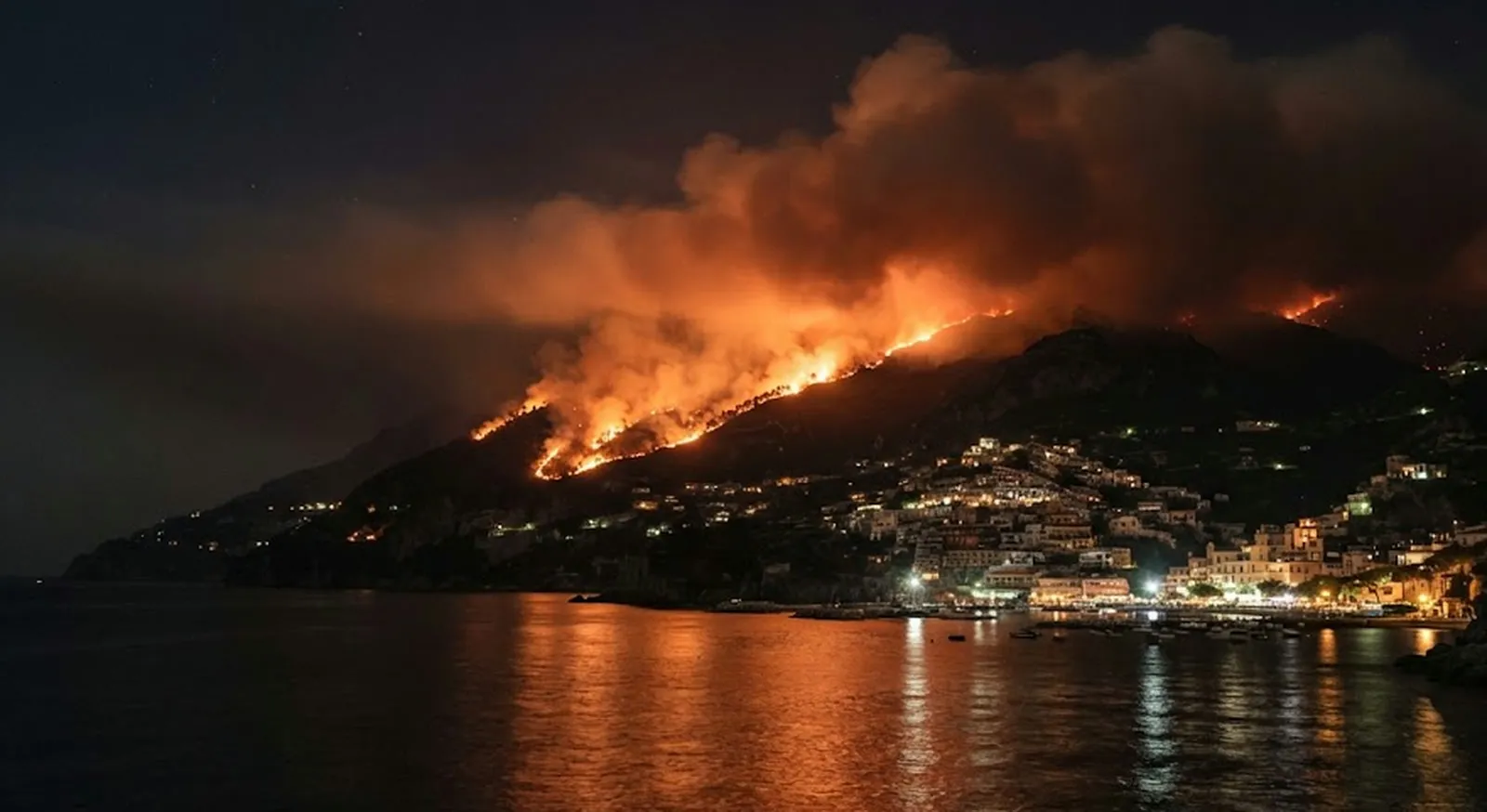
The flames reached fifty metres from the centre and people fled by boat because the coastal road was shut. A...
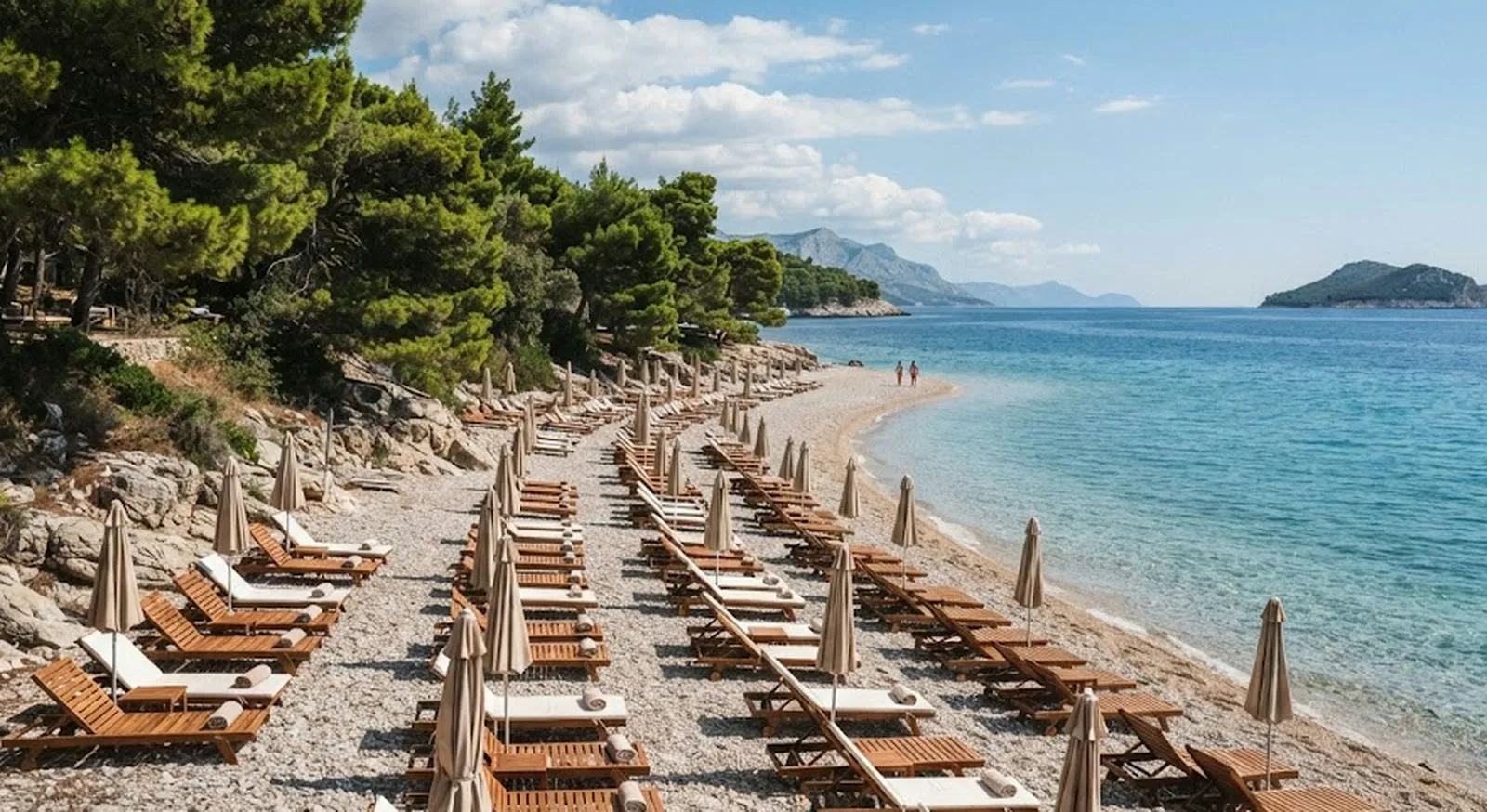
Croatian statistics record a 6.6 percent drop in June, and nearly a third fewer overnight stays from its most important...
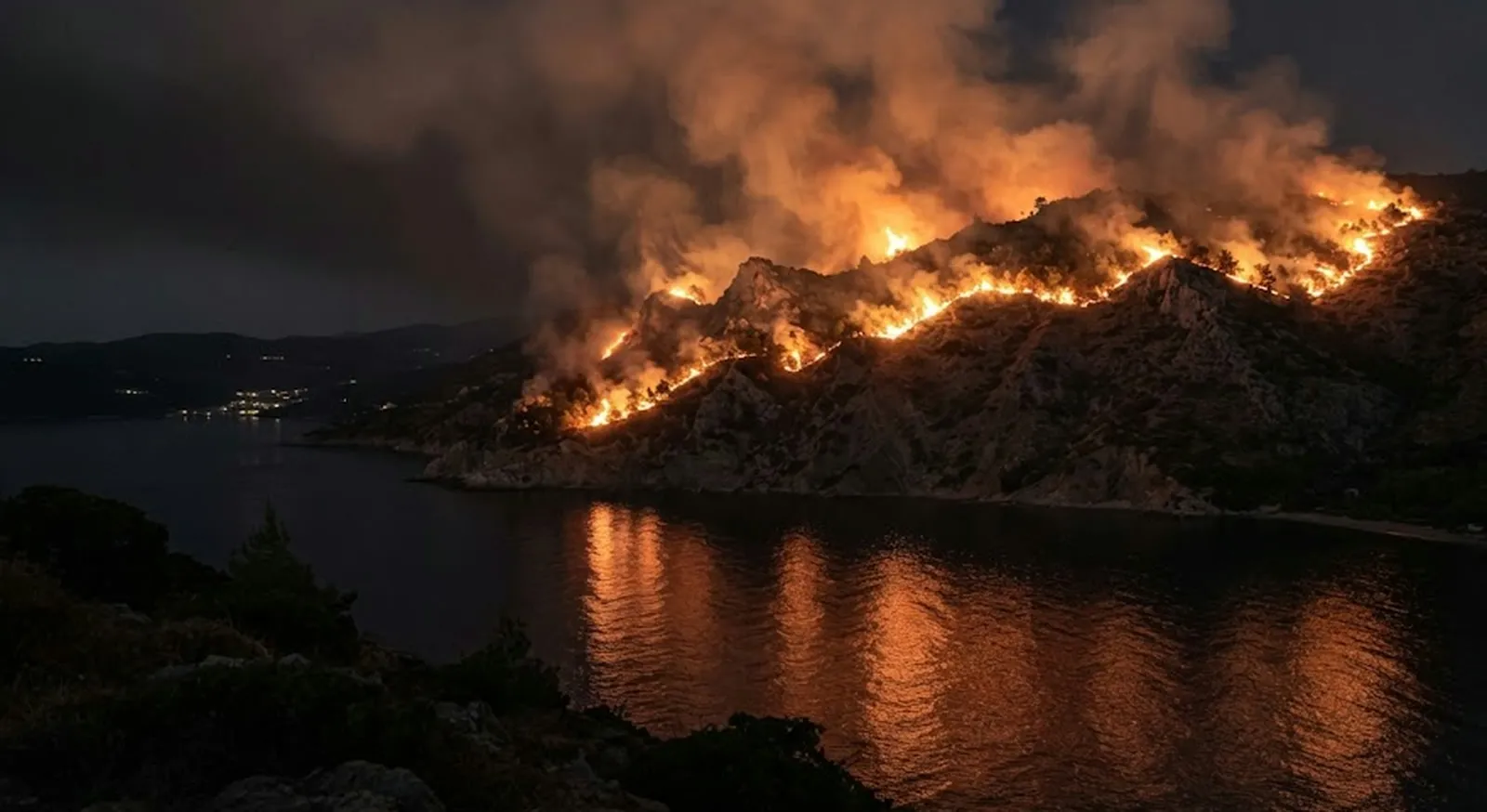
Bijela and Baošići lost power and water while the fire spread along the power line. The number two - that...
This site uses cookies - is that okay? Learn more
Be the first to know when Metla launches something new
Leave your email and we will write when there is a new guide or something new on Metla.
