

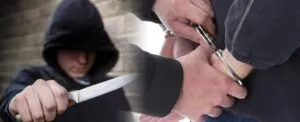
Kratovo man stabs police officer mid-intervention: prosecutors want the 40-year-old detained
15.09.2026


15.09.2026

15.09.2026
15.09.2026

15.09.2026
15.09.2026
15.09.2026

15.09.2026

14.09.2026
13.09.2026

15.09.2026

15.09.2026
14.09.2026
15.09.2026

15.09.2026

15.09.2026

15.09.2026

14.09.2026
13.09.2026
15.09.2026

15.09.2026
15.09.2026

15.09.2026

15.09.2026

14.09.2026

09.03.2026

27.02.2026

19.02.2026

15.09.2026
14.09.2026
14.09.2026

23.04.2026

23.04.2026

12.04.2026

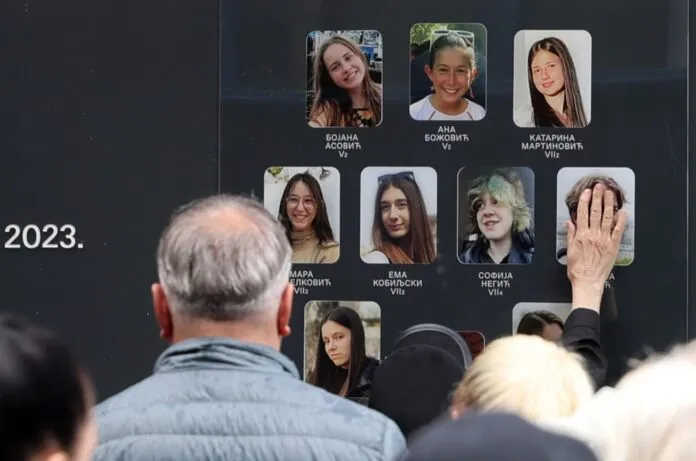
Three years since the massacre at the „Vladislav Ribnikar" primary school in Belgrade. On 3 May 2023, 13-year-old K.K. walked into the school with his father's pistol and killed nine classmates and a security guard, wounding six others. Today, three years on, Serbia remembers. TV stations went silent for a moment at 8:41, the time the shooting began. Commemorative events in Tašmajdan park. Flowers laid out in front of the school.
K.K. is in a special institution for juvenile offenders. Not in prison - the law doesn't allow it, he was 13. But court proceedings against his parents continue. His father, Vladimir Kecmanović, has already been sentenced to 14 and a half years in prison for failing to secure the pistol. An appeal was filed in April 2026; it will be heard in the middle of the year.
For the Balkans, „Ribnikar" isn't only a Serbian story. It's a story about what is happening across the whole region - weapons in the home, insufficient psychological screening, alienation of children. Macedonia hasn't had a mass case on this scale, but it has had other incidents with minors and firearms. They are cases that don't get logged as „massacres" because they end before anyone reaches a school.
The scenario repeated itself a year after „Ribnikar" - the shooting in the „Beljansko" restaurant, injured students at Novi Sad University, incidents in smaller communities. There is no single common culprit. But there is a common context. Post-war countries with a lot of weapons in homes. Families weighed down by economic problems. An education system that doesn't spot at-risk children. Psychological care - all but absent in public schools.
The ministries of health, education and the interior have announced reforms since 2023. Psychologists in every school. An early-detection system for risk behaviour. A weapons register with stricter controls. Three years on, none of these has been fully delivered. The money is allocated, not spent. The programmes are planned, not activated. And that's the reality of post-massacre institutional response - big honours, small change.
For the victims' families, the third anniversary isn't a political question. It's every minute of the year. But for the wider public, those three years are a test of whether a state can learn from a tragedy. Serbia has, to some extent, written new rules. On the ground, many of them remain on paper. The Balkans know this dilemma. Changes on paper are easy. Changes in habits and systems - take decades. And until then, every morning at 8:41, that brief silence on TV measures the depth of our institutions and our commitment.
The latest 10 news from this category
The domestic regulator found the irregularities first, and then the story stopped. It took crossing a border for the same...
Two million people stood against twenty-seven states and the text never came out. A reminder that EU membership does not...
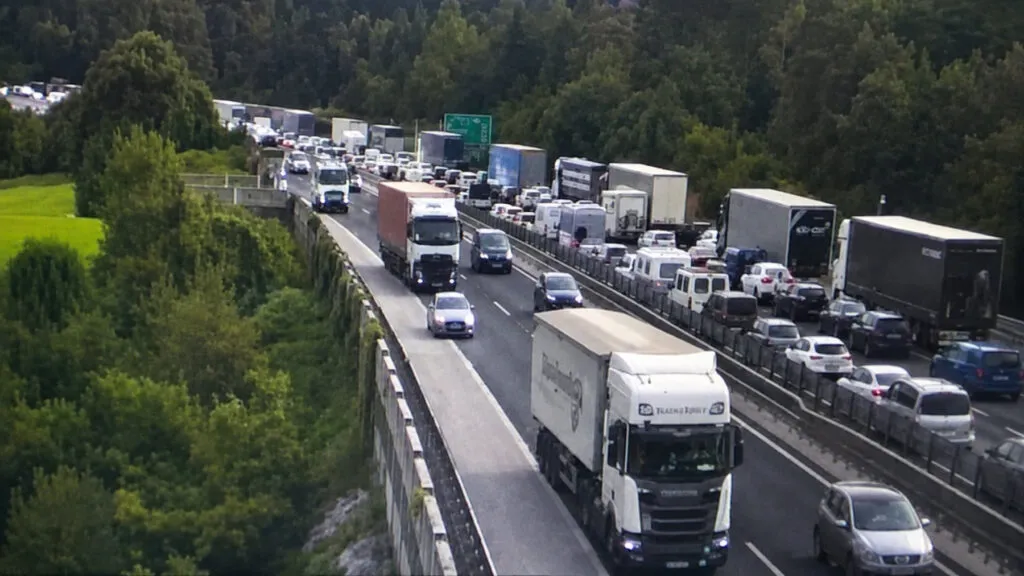
A lorry stopped in the hard shoulder with a breakdown, a car with five passengers and one impact in the...
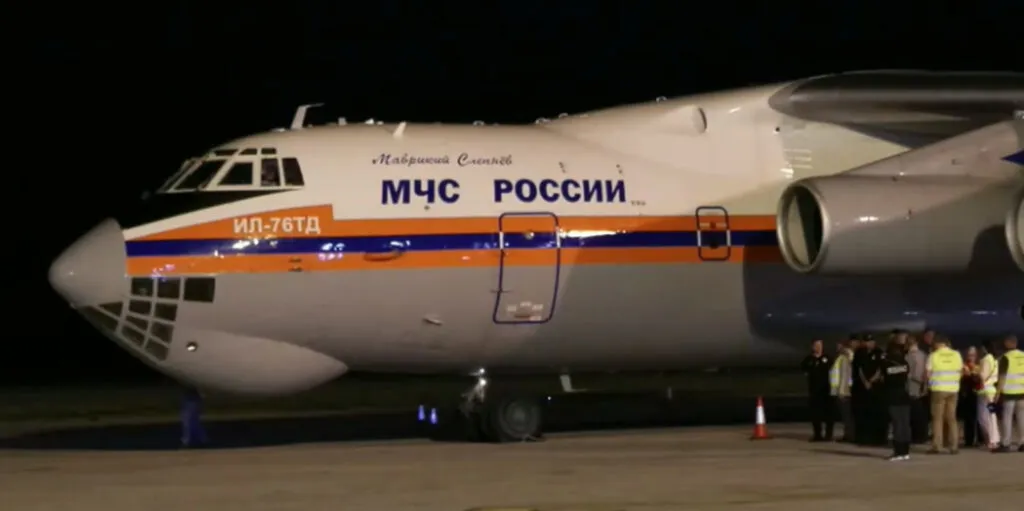
Forty-two tonnes of water per flight and one well-organised welcome on the runway in Niš. The fire in the Deliblato...
Seven times since 2015, and one trip ended less than two months before the invasion of Ukraine. SOVA says it...
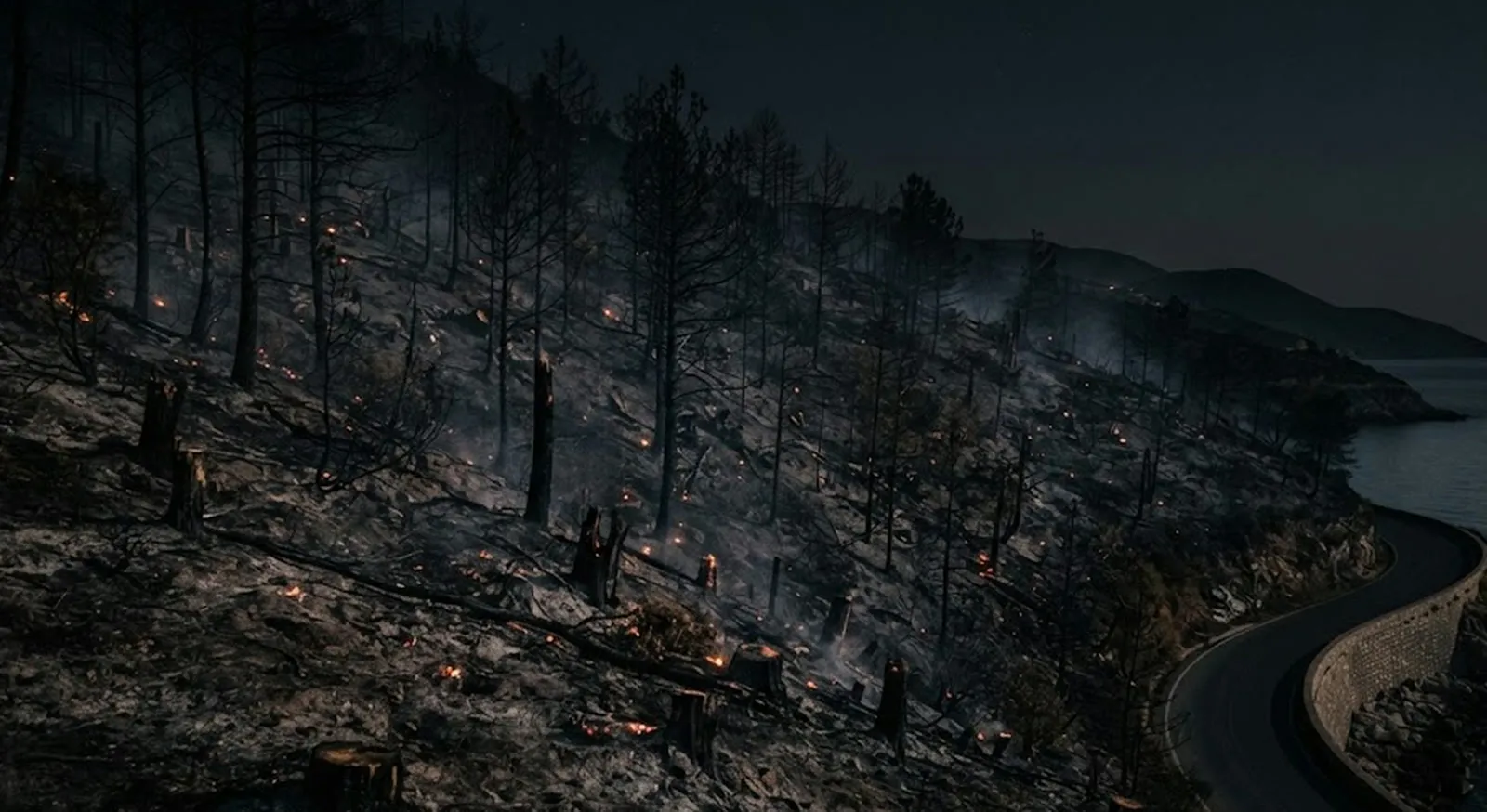
194 people evacuated by boat, 36 injured, one body found in the burnt area. Mobile phones in the zone stayed...
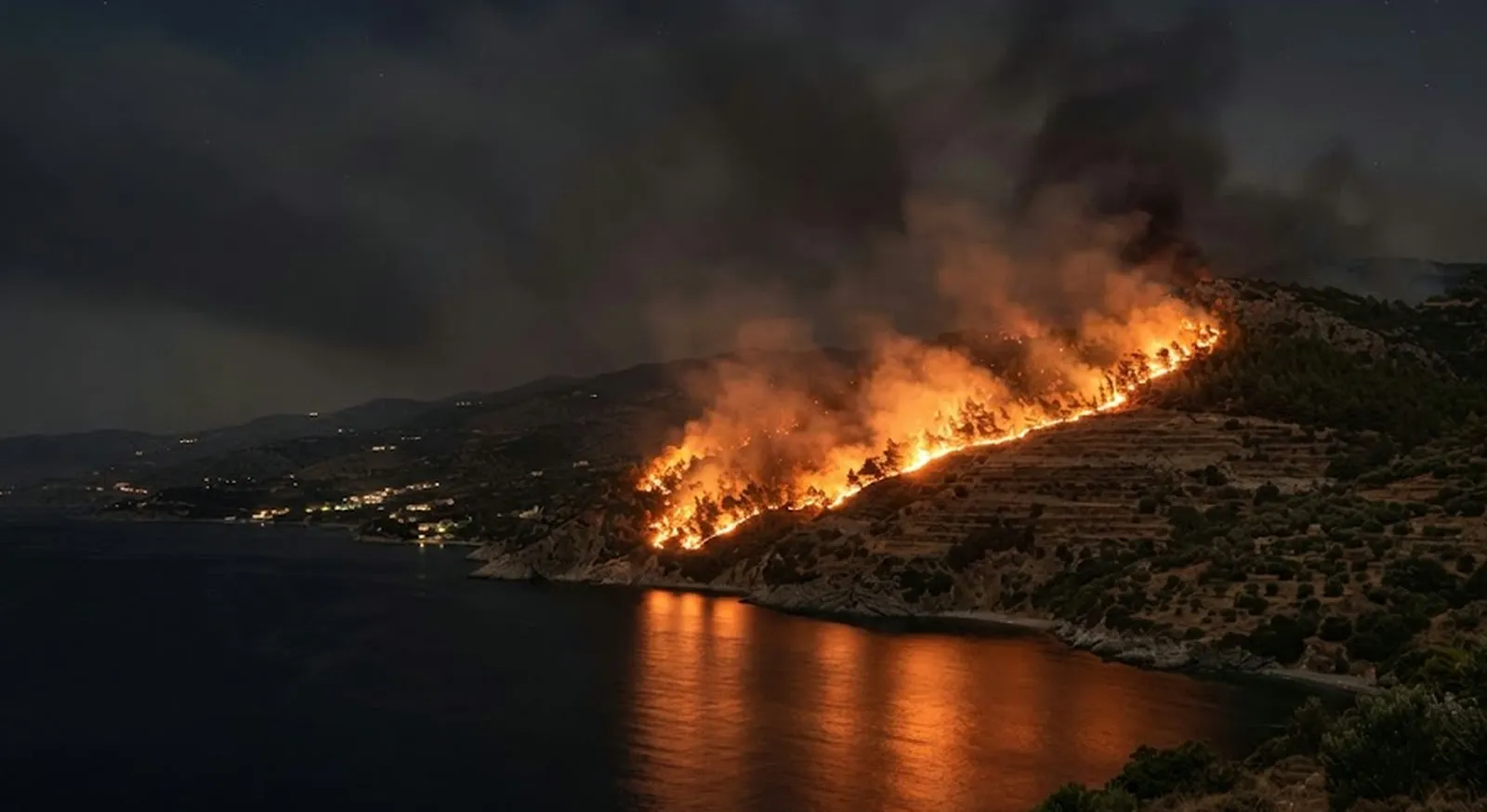
Driven by a strong night wind, the flames covered the distance from Mimice to Omiš in two hours. The question...
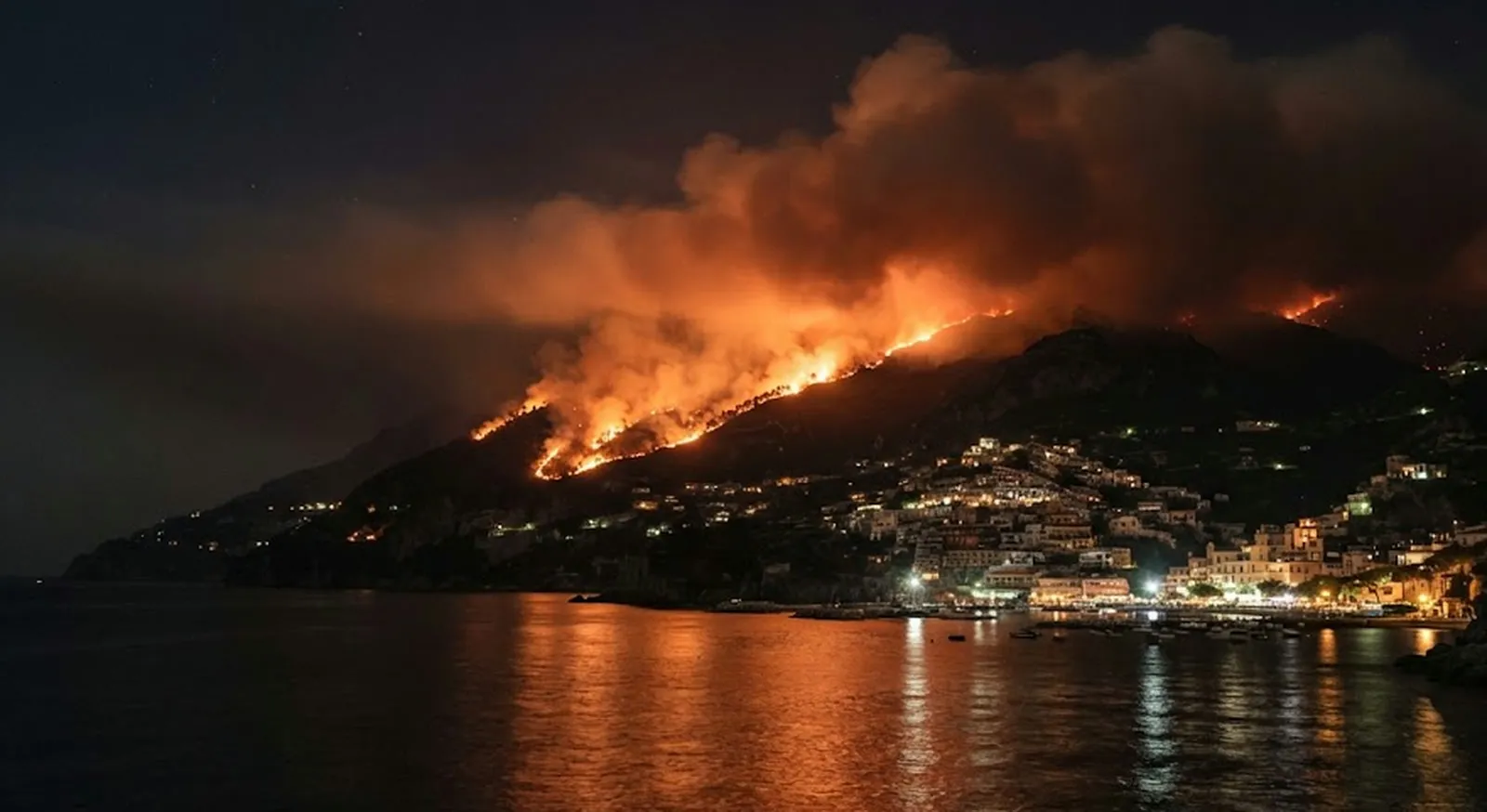
The flames reached fifty metres from the centre and people fled by boat because the coastal road was shut. A...
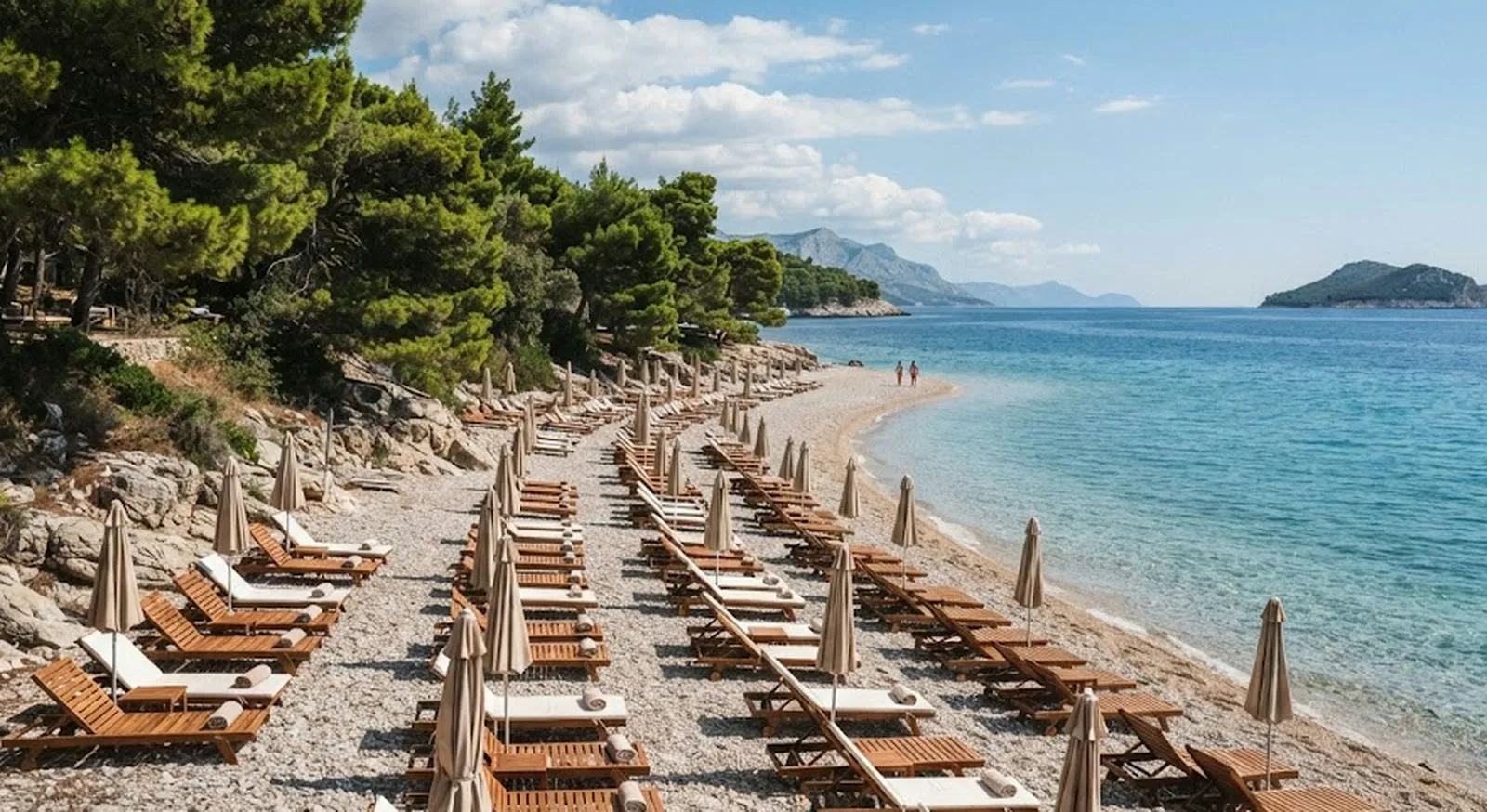
Croatian statistics record a 6.6 percent drop in June, and nearly a third fewer overnight stays from its most important...
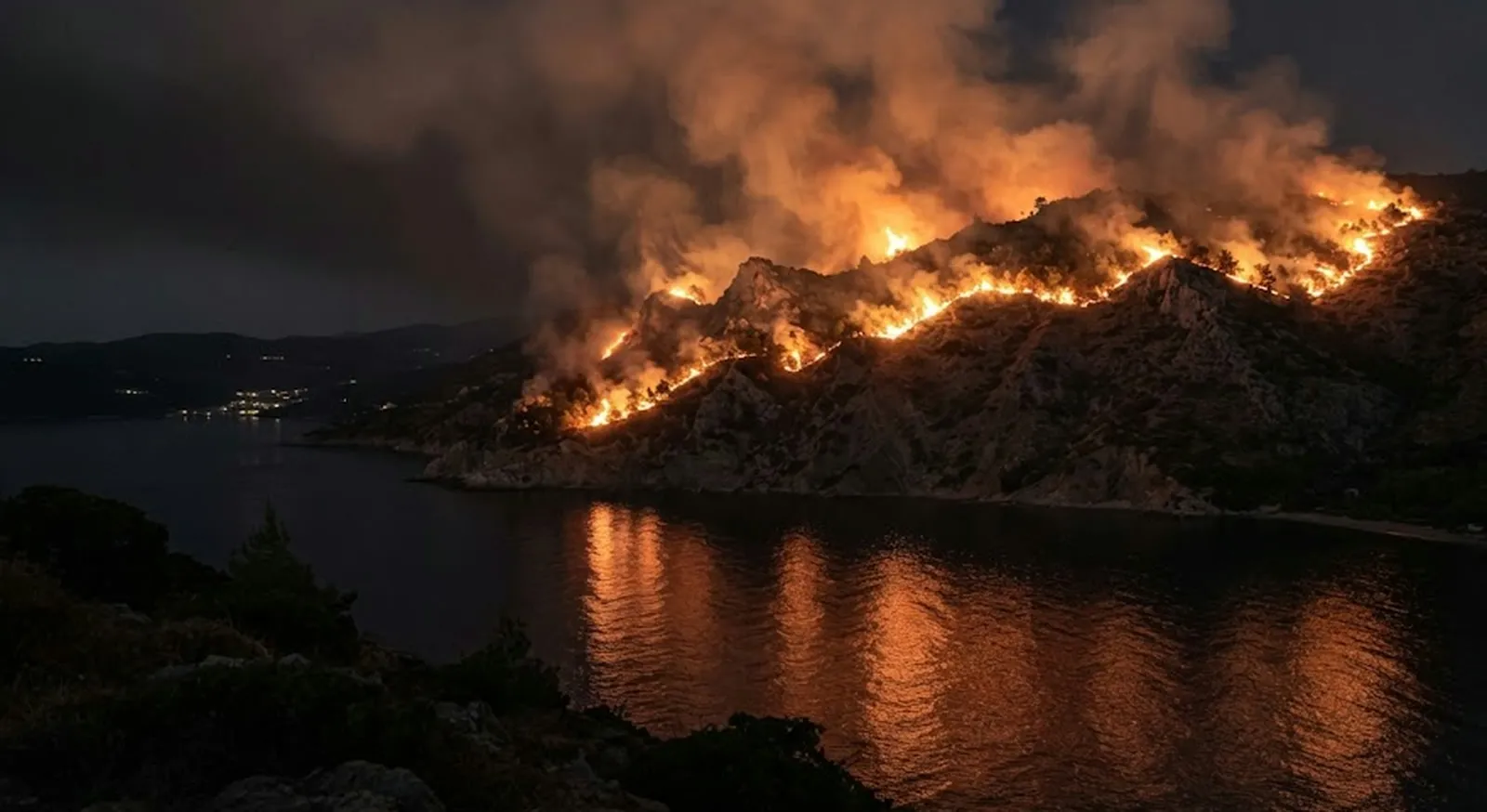
Bijela and Baošići lost power and water while the fire spread along the power line. The number two - that...
This site uses cookies - is that okay? Learn more
Be the first to know when Metla launches something new
Leave your email and we will write when there is a new guide or something new on Metla.
