

Kratovo man stabs police officer mid-intervention: prosecutors want the 40-year-old detained
15.09.2026


15.09.2026

15.09.2026

15.09.2026

15.09.2026

15.09.2026

15.09.2026

15.09.2026

14.09.2026

13.09.2026

15.09.2026

15.09.2026

14.09.2026
15.09.2026

15.09.2026

15.09.2026

15.09.2026

14.09.2026
13.09.2026

15.09.2026

15.09.2026

15.09.2026

15.09.2026

15.09.2026

14.09.2026

09.03.2026

27.02.2026

19.02.2026

15.09.2026

14.09.2026

14.09.2026

23.04.2026

23.04.2026

12.04.2026


In Sarajevo, in the Dobrinja neighbourhood, Elma Godinjak - a 41-year-old journalist - was killed by her own husband. Tarik Prusac, 49, shot his wife and then her brother as well, and fled with their five-year-old daughter. After a multi-hour police chase across Sarajevo he was arrested. The child was found alive and unharmed.
Prusac worked in security and had professional experience with firearms. That detail matters. The killing was by handgun, inside the family home, after a coldly planned send-off of the wife. This is not „he snapped". This is a man who had spent years knowing exactly how a weapon works, and at the moment he refused to accept a divorce, he put that knowledge to use.
Context matters. The couple was in divorce proceedings. According to Elma's family, Prusac would not accept the divorce. He followed her, filmed her, gave her no peace. A textbook case of „a woman wanting to leave a man who won't let her go". And in the Bosnian, Macedonian and Serbian legal systems alike, those cases end badly. Because the institutions react after the event, not before it.
What did we lose today? Not „an entry in the statistics" - not a number in the domestic violence report. We lost a journalist. A woman who worked in the media. Who was writing the historical record of Bosnian society. Who had a five-year-old daughter. That little girl will grow up without her mother, with her father in prison, and with a family that has to pull her through a trauma she did not deserve.
For the Balkan context, this is nothing unusual in recent years. Balkan states, after several decades of rising gender-based violence, have finally codified it as a separate crime. But the sentences remain light. Police react slowly, and courts often accept „emotional state" as a mitigating factor. The result: a killer in prison for 8-12 years, walks out in his fifties, with no consequences for the rest of his life.
The solution is not „harsher sentences". It is prevention. When a woman reports that her husband is following her or threatening her, the state has to react before the tragedy happens. It will not be perfect. It will not stop everything. But at least we will not be telling a five-year-old girl that she lost her mother while we read statistics and write reaction pieces.
The latest 10 news from this category

The domestic regulator found the irregularities first, and then the story stopped. It took crossing a border for the same...

Two million people stood against twenty-seven states and the text never came out. A reminder that EU membership does not...
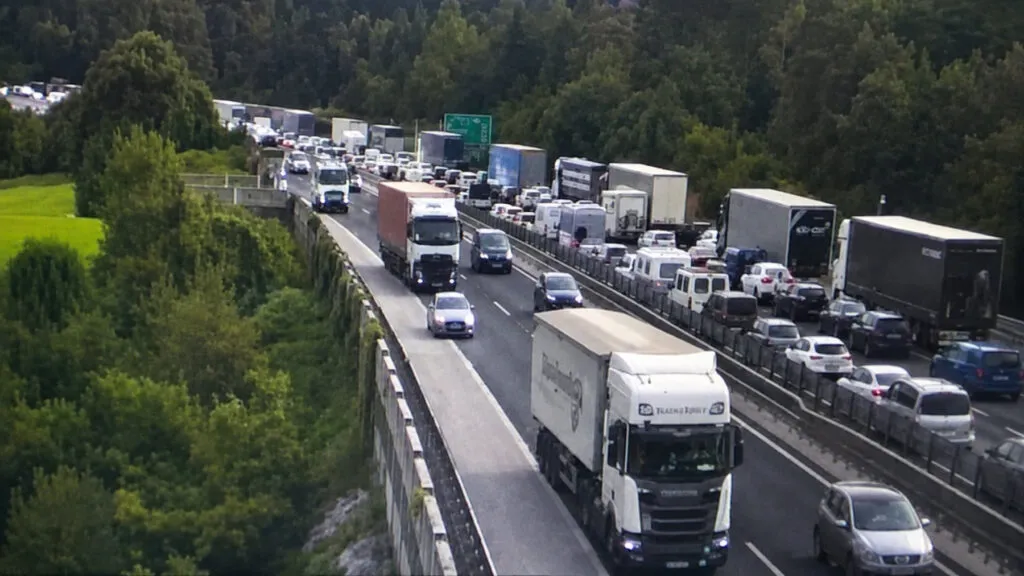
A lorry stopped in the hard shoulder with a breakdown, a car with five passengers and one impact in the...

Forty-two tonnes of water per flight and one well-organised welcome on the runway in Niš. The fire in the Deliblato...

Seven times since 2015, and one trip ended less than two months before the invasion of Ukraine. SOVA says it...
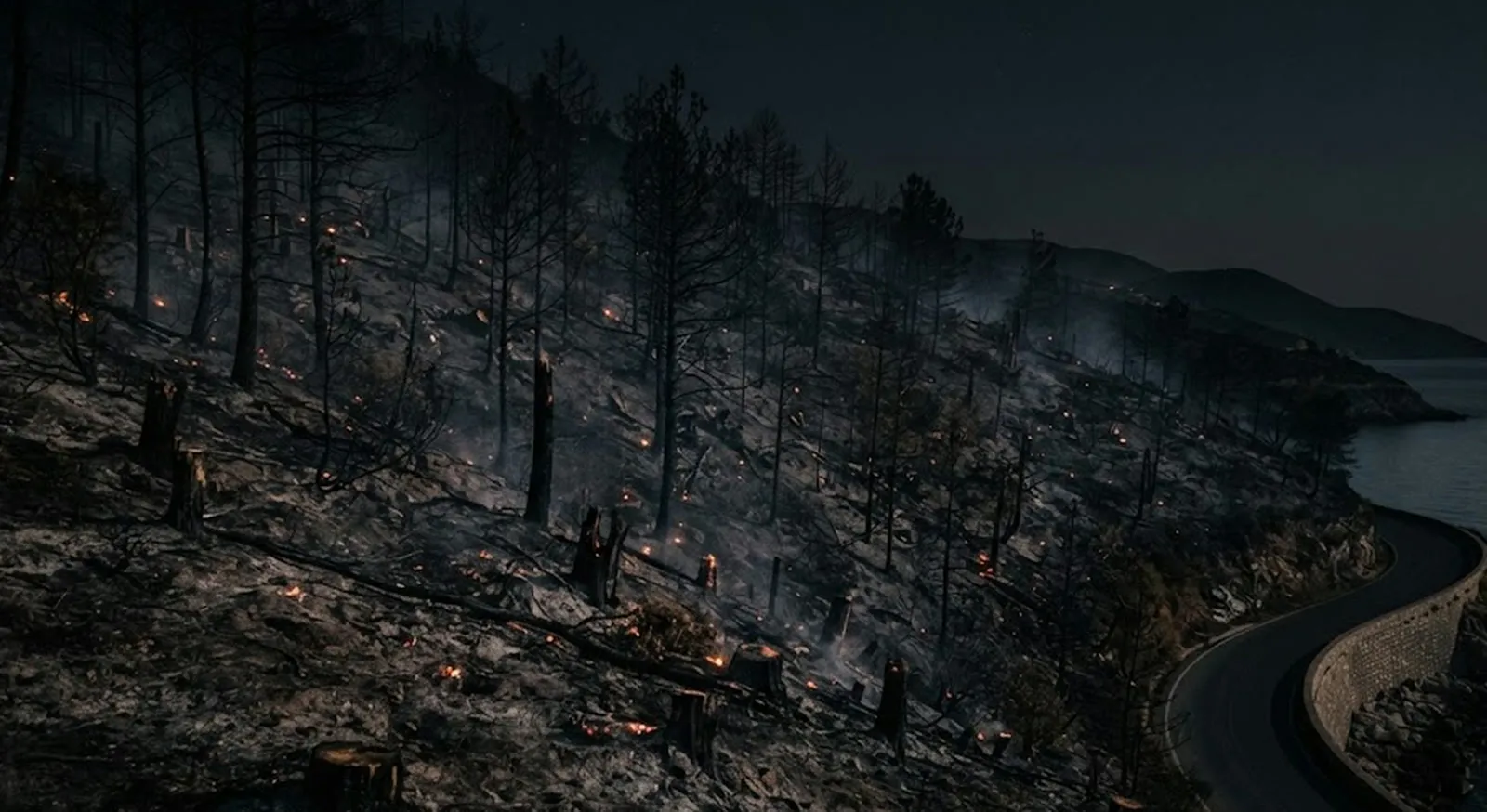
194 people evacuated by boat, 36 injured, one body found in the burnt area. Mobile phones in the zone stayed...
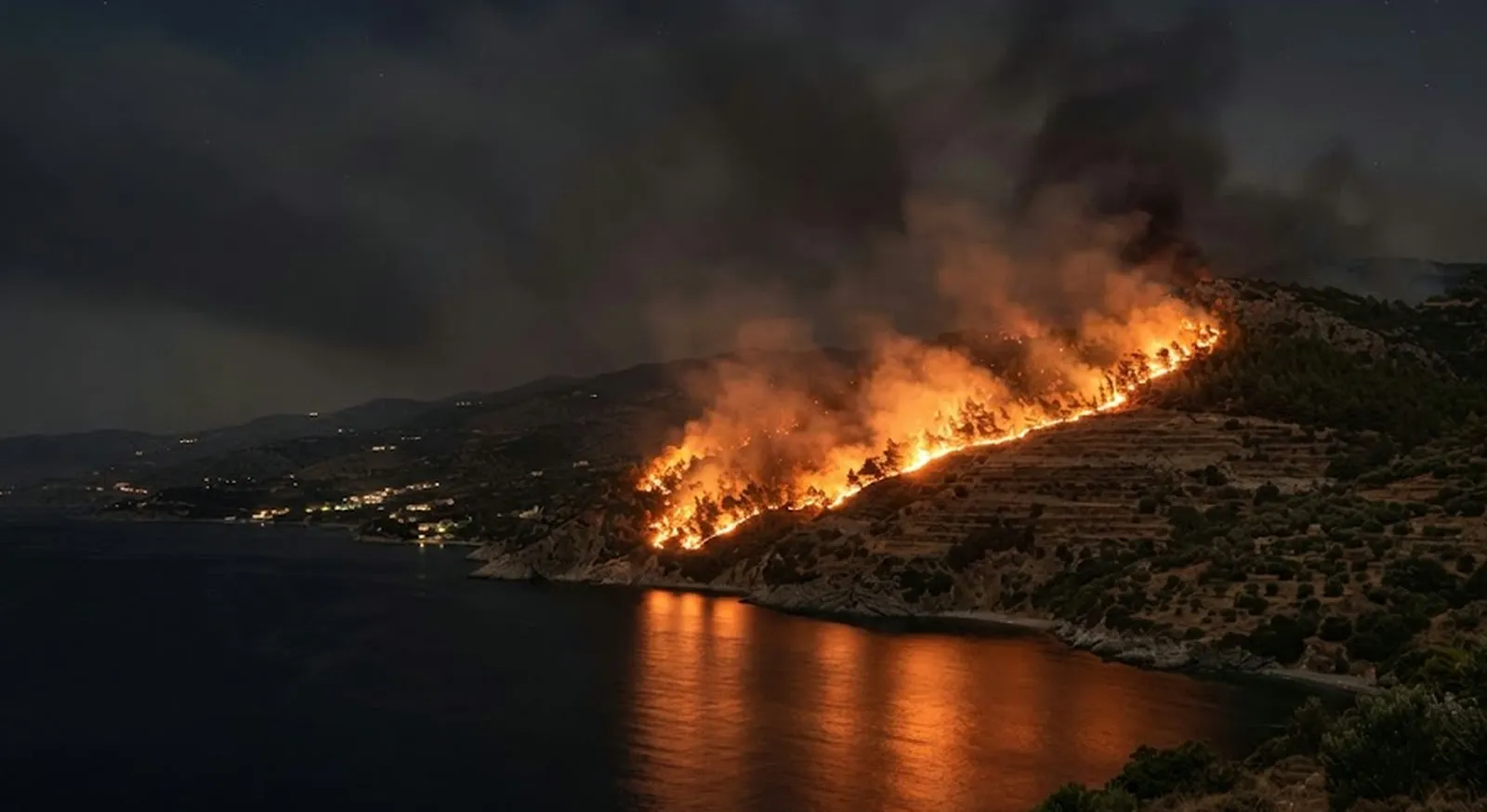
Driven by a strong night wind, the flames covered the distance from Mimice to Omiš in two hours. The question...

The flames reached fifty metres from the centre and people fled by boat because the coastal road was shut. A...

Croatian statistics record a 6.6 percent drop in June, and nearly a third fewer overnight stays from its most important...
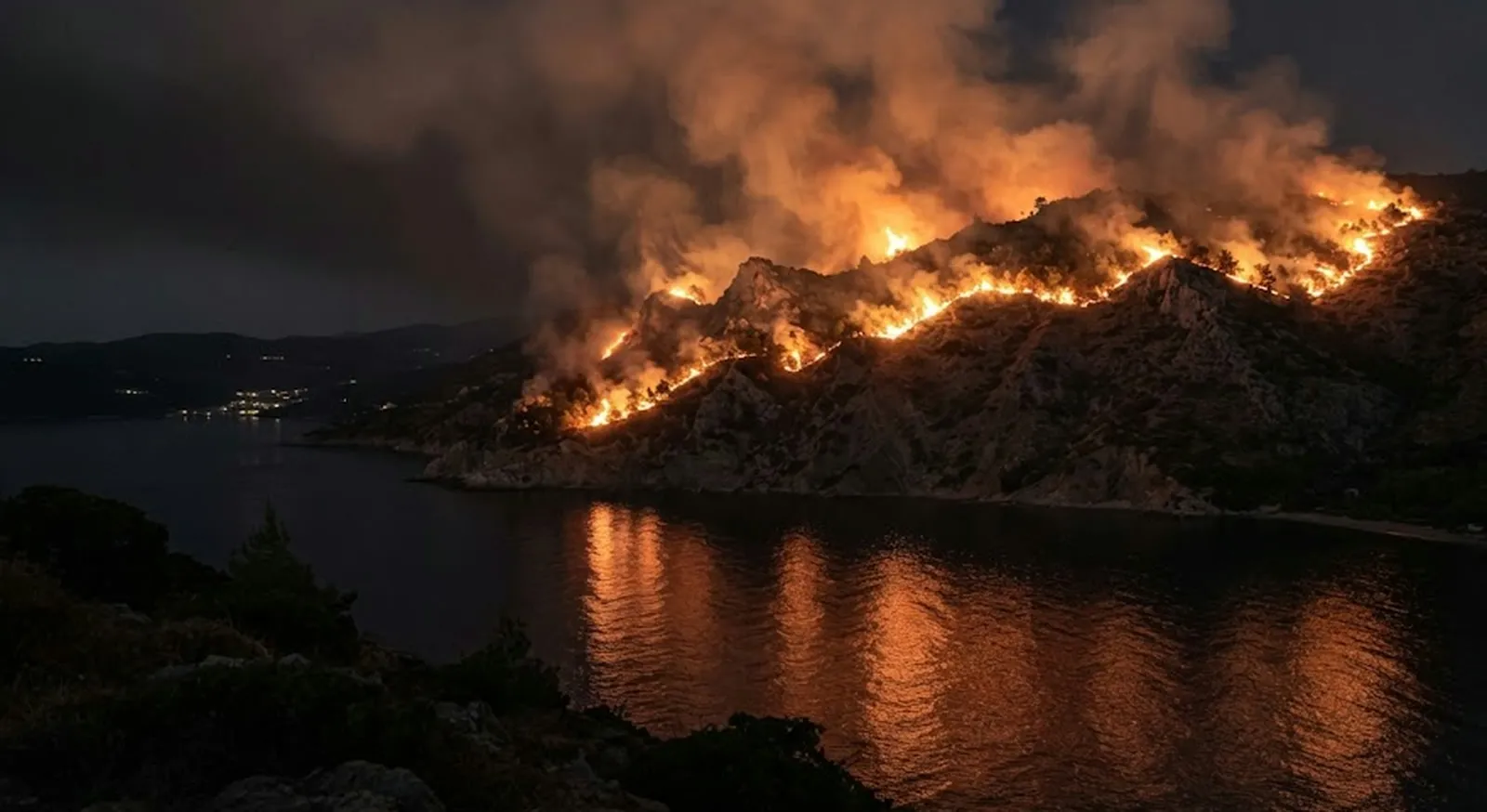
Bijela and Baošići lost power and water while the fire spread along the power line. The number two - that...
This site uses cookies - is that okay? Learn more
Be the first to know when Metla launches something new
Leave your email and we will write when there is a new guide or something new on Metla.
