A New Criminal Complaint Against Jakimovski: A Building Permit Based on a Plan Struck Down Back in 2018
16.09.2026


16.09.2026
16.09.2026

16.09.2026

16.09.2026

16.09.2026

16.09.2026

16.09.2026

15.09.2026

14.09.2026

16.09.2026

16.09.2026

15.09.2026

16.09.2026

15.09.2026

14.09.2026

16.09.2026

16.09.2026

16.09.2026

16.09.2026

15.09.2026
15.09.2026

09.03.2026

27.02.2026

19.02.2026

16.09.2026

15.09.2026

14.09.2026

23.04.2026

23.04.2026

12.04.2026

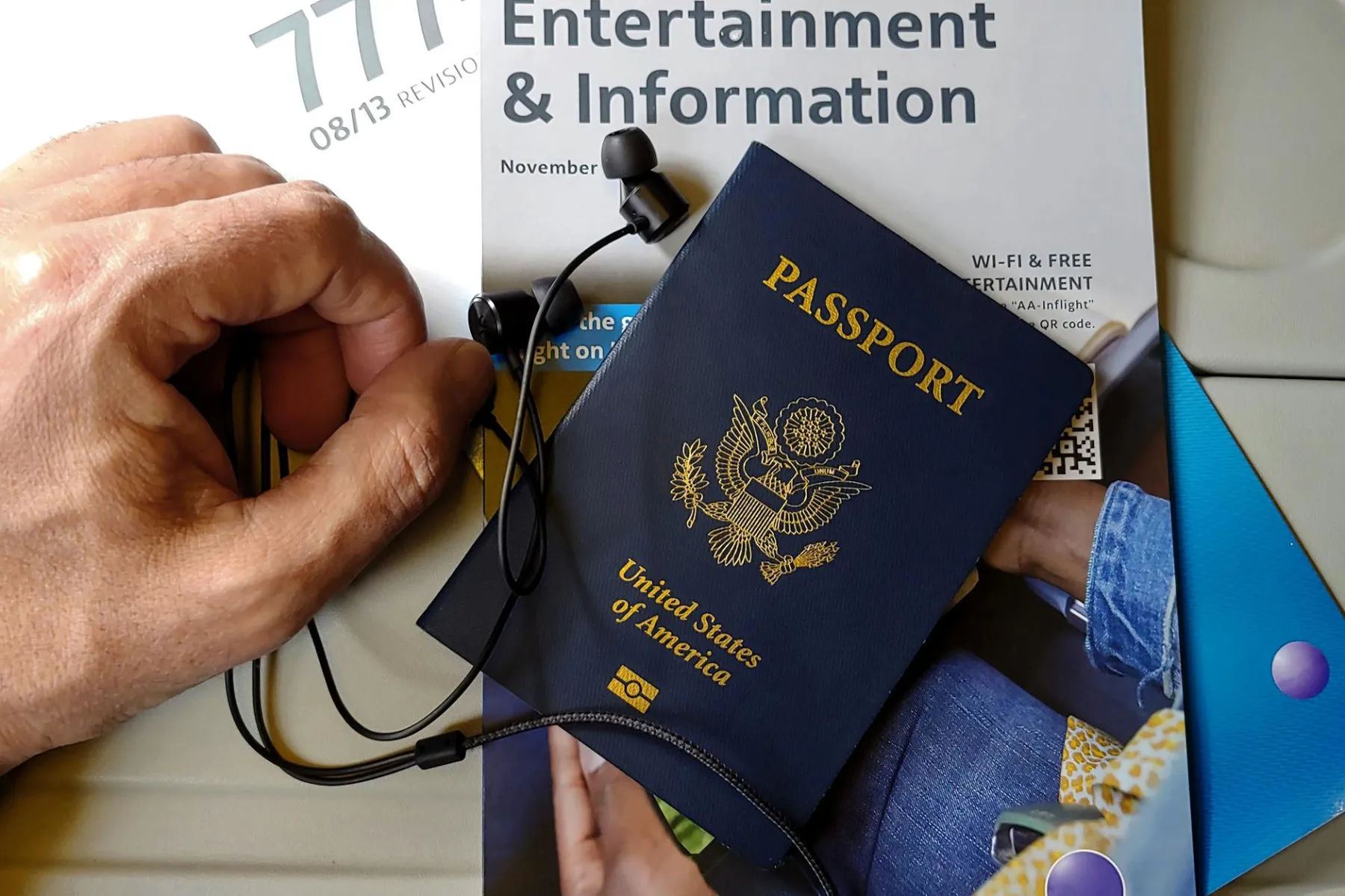
The US is introducing a new visa procedure that boils down to a simple rule: if you have had any kind of trouble in your home country, or if you fear you will - you are not getting the visa.
This week the State Department sent a directive to every American embassy and consulate. The new mandatory questions are: "Have you experienced harm or abuse in your country of citizenship or last residence?" and "Do you fear harm or abuse upon return to your country of citizenship or permanent residence?"
To continue the procedure, the applicant has to answer "no" to both questions. The goal is to prevent people from using tourist visas to file for asylum after entering the US.
"Consular officers are the first line of defence of American national security," a State Department spokesperson said. It sounds logical. But in practice it means that any citizen of a country with real political or social pressure - Turkey, Iran, Russia, parts of the Balkans, Africa, Latin America - is being put in front of a choice: lie to get the visa, or tell the truth and stay home.
What does this mean for North Macedonia? Not much in the short term, because Macedonian citizens do not apply for American asylum in large numbers. But the symbolism matters. America is no longer "welcoming to those in trouble". That is a direct message. And in the context of how the US is now talking about Germany and Europe, it is one more signal that Washington's world is a world of hard borders, not open doors.
For Balkan families sending their kids to study or work in the US, this collision with the State Department's humanitarian policy is a message. In Trump's new world, even an ordinary tourist can be turned away for having a "complicated life" back home. Who are we to define a complicated life? Apparently - we are not anymore.
The latest 10 news from this category

Sanctions imposed over one war are being offered as currency in an entirely different dispute. Most member states are against...
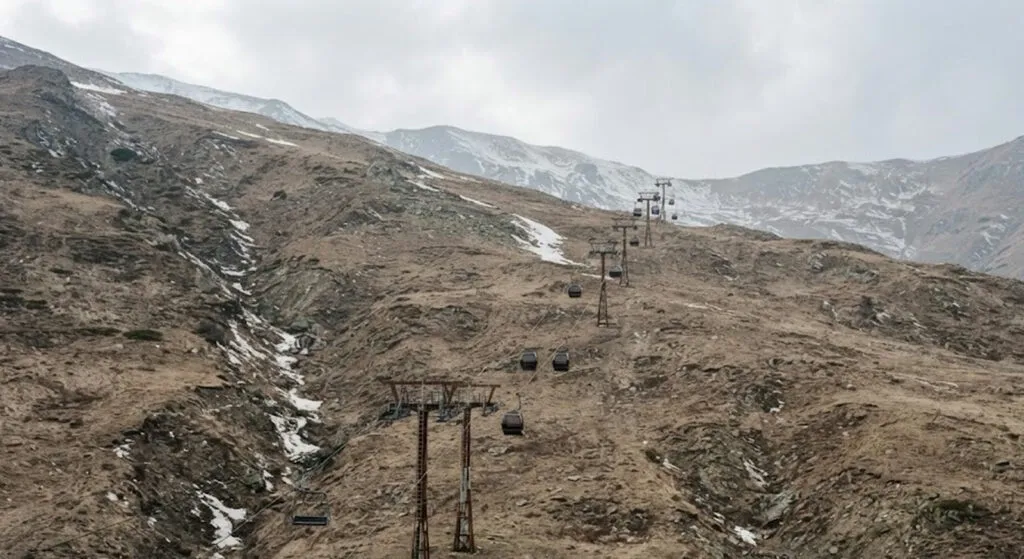
El Nino in the Pacific shifts the currents that decide where snow falls. An area that usually gets a metre...

The easiest way to dismiss an uncomfortable argument is to point at who is making it. But that does not...

The appeals court ruled the entire trial must start over. The son of Norway's queen is waiting for it on...
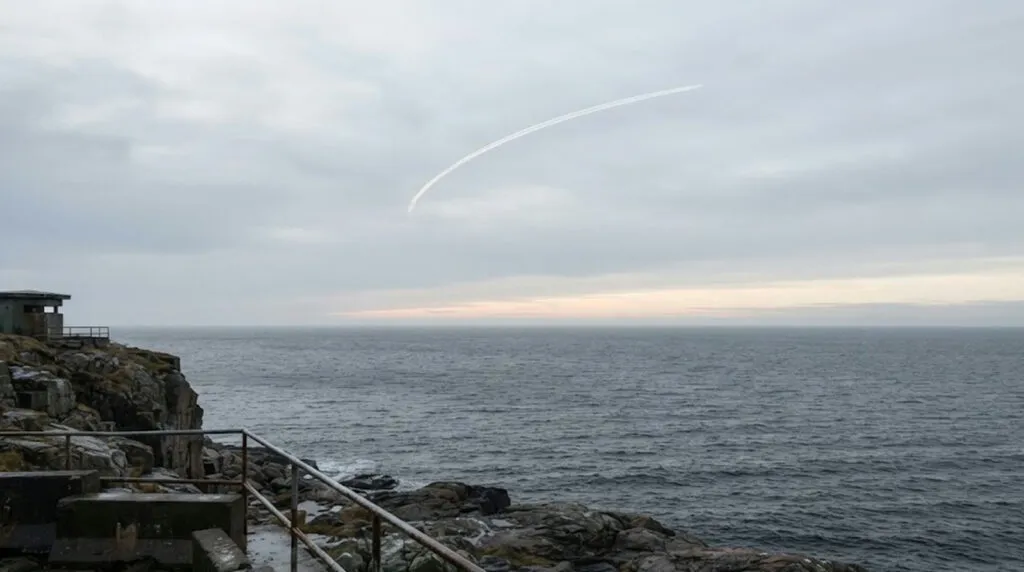
Trump scaled back the military exercises to ease the tension, and Wonsan answered in the form of projectiles. What does...

The sanctions list got a seven-day extension instead of one measured in months, a move diplomats themselves call unprecedented. Two...

Switzerland offered a table for talks on Ukraine, Moscow replied that the table stopped being neutral once Bern adopted EU...

The will says one thing, a committee of twenty-one men decided another. The queen mother says the army pulled the...
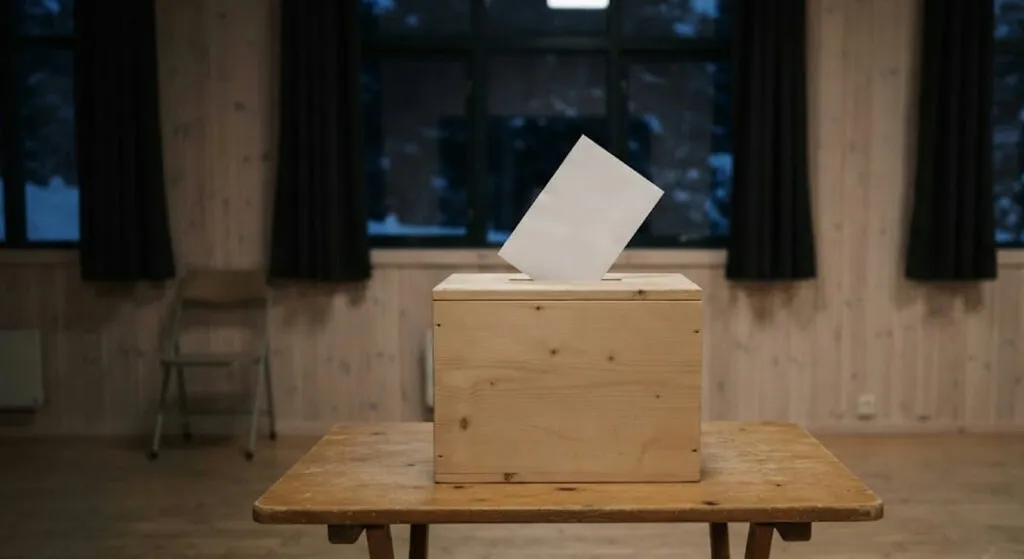
A country that was Europe's byword for stability for decades now has a parliament split into two blocs by a...
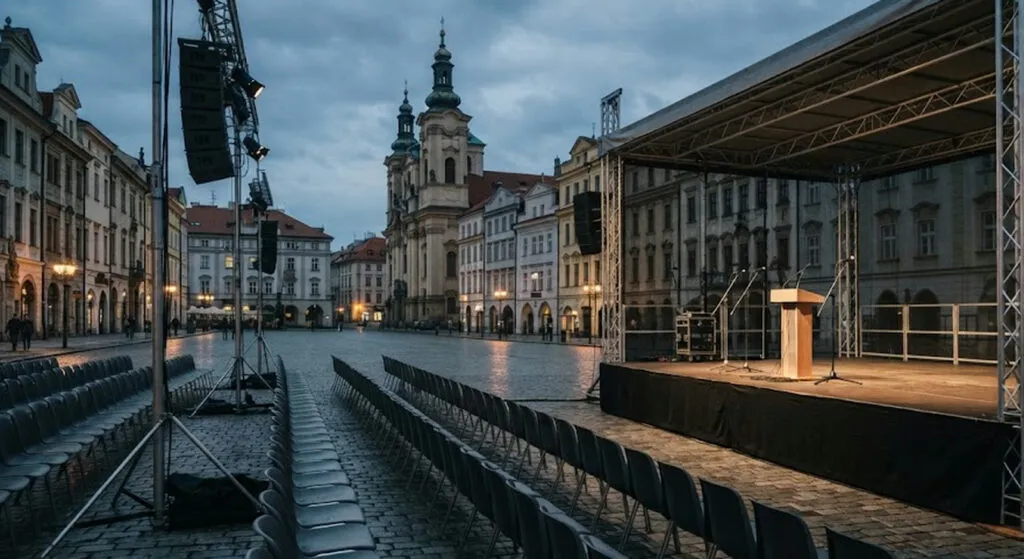
Sixteen years in power, defeat at a regular election, five months of quiet - and now the election result is...
This site uses cookies - is that okay? Learn more
Be the first to know when Metla launches something new
Leave your email and we will write when there is a new guide or something new on Metla.