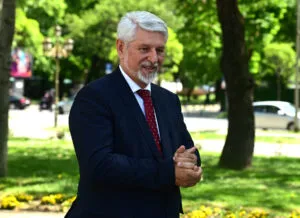
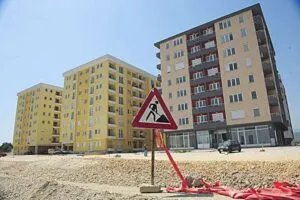
A New Criminal Complaint Against Jakimovski: A Building Permit Based on a Plan Struck Down Back in 2018
16.09.2026


16.09.2026

16.09.2026

16.09.2026
16.09.2026
16.09.2026

16.09.2026
16.09.2026

15.09.2026

14.09.2026

16.09.2026

16.09.2026

15.09.2026

16.09.2026

15.09.2026

14.09.2026

16.09.2026

16.09.2026

16.09.2026

16.09.2026

15.09.2026
15.09.2026

09.03.2026

27.02.2026

19.02.2026

16.09.2026

15.09.2026

14.09.2026

23.04.2026

23.04.2026

12.04.2026

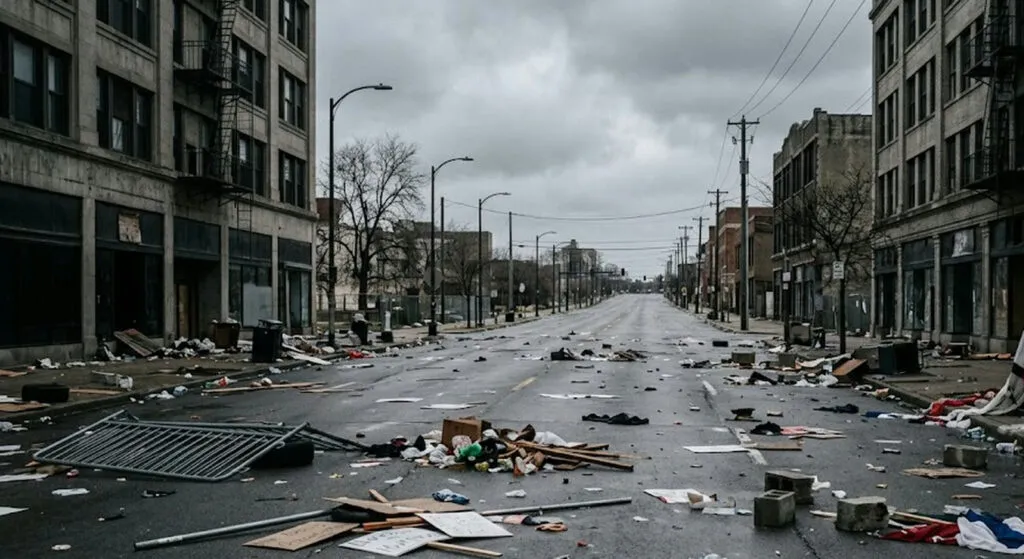
The whole of Europe took to the streets on 1 May. In Athens - a 24-hour general strike, with public transport at a standstill. In Paris - mass protests, with more than 100,000 participants. In Berlin, Madrid, Brussels - demonstrations for higher wages, more social rights, and greater recognition of labour. In Macedonia - 260,000 workers earning under 600 euros, and a single SSM rally where only a few thousand turned up to shout.
Greece in particular was paralysed. The main unions in the public and private sector declared the strike - trains, metro, schools, customs - all were halted. Athens public transport ran nothing the whole day. Tourists who wanted to use the holiday got a new layer of messages at the hotel entrance: „Today there is a strike, there is no way to get up to the Acropolis".
In Paris, the demonstrations were organised by the CGT and FO - the two major French unions. Their demands - a rise in the minimum wage above 1,700 euros net per month, and a return of the pension age to 62. The French police were present, with a few incidents but no major clashes. That is several degrees more civilised than Istanbul.
In Spain, Italy, Germany - the same picture. Different forms, different demands, but the same base: labour in Europe is valued, but underpaid. With energy inflation, a more expensive life, an invisibly rising rent burden - real purchasing power is falling, and workers know that the only way to say so is to go onto the street.
The Balkans, again, no. We have symbolic gatherings in Skopje, Sofia, Zagreb - but with no mass. In Macedonia, the SSM demonstration had a few thousand. Of the 260,000 workers living under 600 euros, a few thousand came out to shout - while the other 250,000 are working, or asking themselves how they'll pay the electricity bill. That isn't apathy. It is fear. When a worker knows that going to a protest will cost him his job, he does not go. And that is what separates Western workers from Balkan ones - not the strength of the union, but the right to protest without consequences.
The latest 10 news from this category

Sanctions imposed over one war are being offered as currency in an entirely different dispute. Most member states are against...
El Nino in the Pacific shifts the currents that decide where snow falls. An area that usually gets a metre...
The easiest way to dismiss an uncomfortable argument is to point at who is making it. But that does not...
The appeals court ruled the entire trial must start over. The son of Norway's queen is waiting for it on...
Trump scaled back the military exercises to ease the tension, and Wonsan answered in the form of projectiles. What does...

The sanctions list got a seven-day extension instead of one measured in months, a move diplomats themselves call unprecedented. Two...
Switzerland offered a table for talks on Ukraine, Moscow replied that the table stopped being neutral once Bern adopted EU...
The will says one thing, a committee of twenty-one men decided another. The queen mother says the army pulled the...

A country that was Europe's byword for stability for decades now has a parliament split into two blocs by a...
Sixteen years in power, defeat at a regular election, five months of quiet - and now the election result is...
This site uses cookies - is that okay? Learn more
Be the first to know when Metla launches something new
Leave your email and we will write when there is a new guide or something new on Metla.