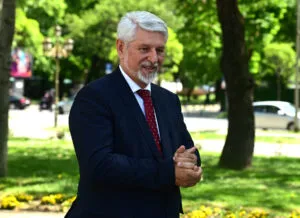
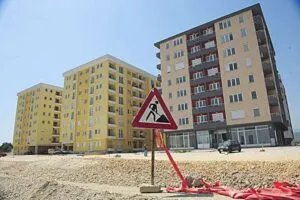
A New Criminal Complaint Against Jakimovski: A Building Permit Based on a Plan Struck Down Back in 2018
16.09.2026


16.09.2026
16.09.2026

16.09.2026

16.09.2026
16.09.2026

16.09.2026

16.09.2026

15.09.2026

14.09.2026

16.09.2026

16.09.2026

15.09.2026

16.09.2026

15.09.2026

14.09.2026

16.09.2026

16.09.2026

16.09.2026

16.09.2026

15.09.2026
15.09.2026

09.03.2026

27.02.2026

19.02.2026

16.09.2026

15.09.2026

14.09.2026

23.04.2026

23.04.2026

12.04.2026

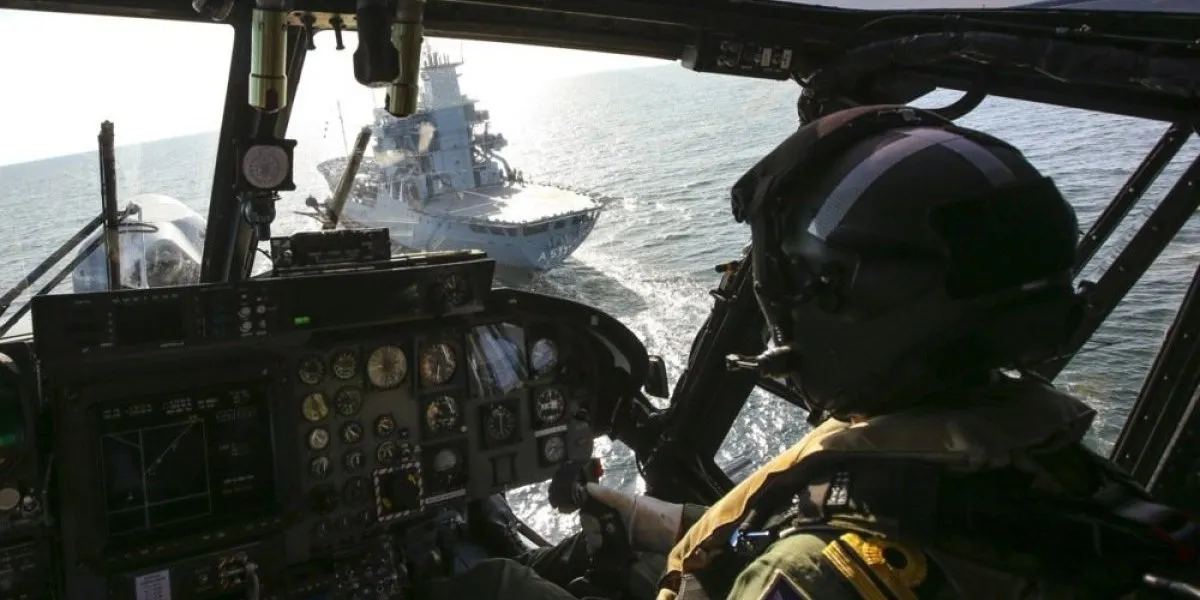
The United Kingdom and nine European countries have formed a new joint naval force. Not within NATO - but as a "complement" to the alliance. They are calling it the European NATO at sea, and London will hold the command. The US? Not part of it.
The agreement, as Royal Navy chief Gwyn Jenkins announced, includes Britain, Denmark, Finland, Iceland, Norway, Sweden, the Baltic states, and the Netherlands. Canada is thinking about it. The Americans - watching from a distance.
The strategic goal is officially defence against Russian threats in northern Europe. But the reality is different - it is the first serious European attempt to build a joint military force without American leadership. Not as a replacement for NATO, but as preparation for a world where Washington pulls back and Europe has to defend itself.
"Concrete capabilities, concrete military plans, real integration," Jenkins said. It sounds healthy, but it hides something more complex. When Britain commands Norwegian and Swedish forces without an American HQ above it, that is no longer NATO - it is a British project with European passports.
Which circle are we in? North Macedonia joined NATO in 2020 with the promise that the Alliance would be a security guarantor. That was true then. Now, six years later, it turns out NATO is not one thing - it is a bundle of different clubs. Five Eyes, the naval force, the eastern front. The Balkans? As usual, no club of its own.
Who will protect us when Britain pulls back into its northern club and America into domestic politics? This is not a rhetorical question. It is the question the government in Skopje should be asking - not Brussels, itself. Because the time when the Balkans got ready-made security solutions handed down from above is over.
The latest 10 news from this category

Sanctions imposed over one war are being offered as currency in an entirely different dispute. Most member states are against...
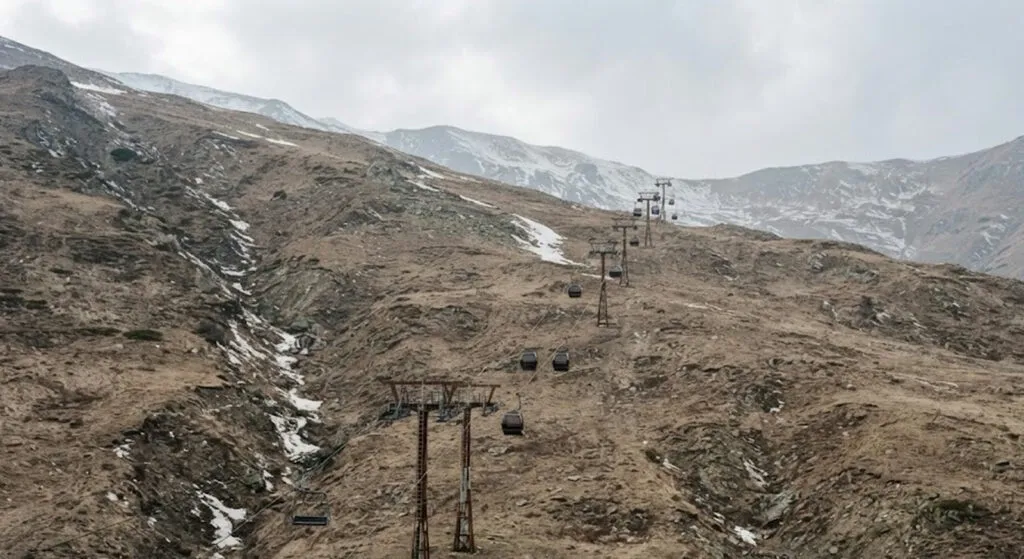
El Nino in the Pacific shifts the currents that decide where snow falls. An area that usually gets a metre...

The easiest way to dismiss an uncomfortable argument is to point at who is making it. But that does not...
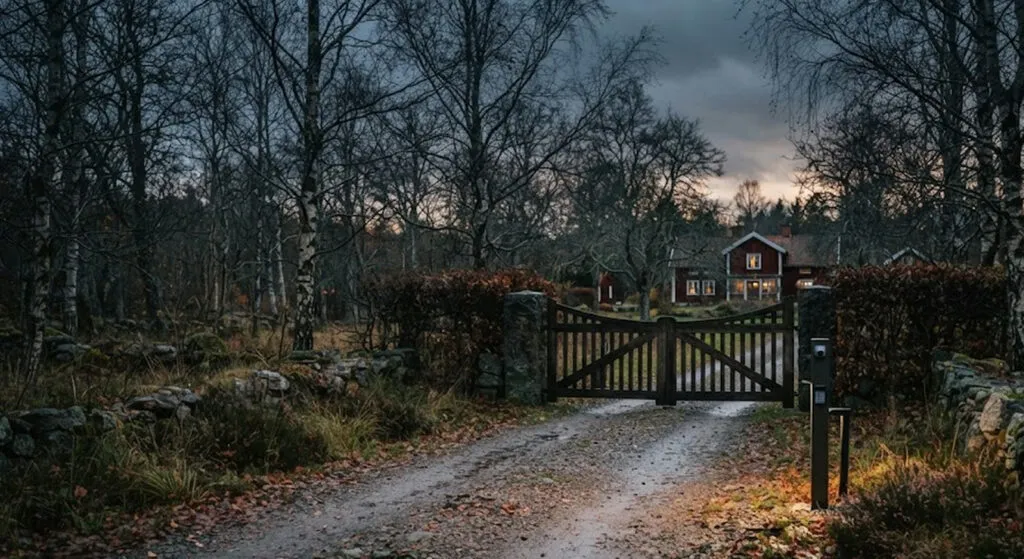
The appeals court ruled the entire trial must start over. The son of Norway's queen is waiting for it on...
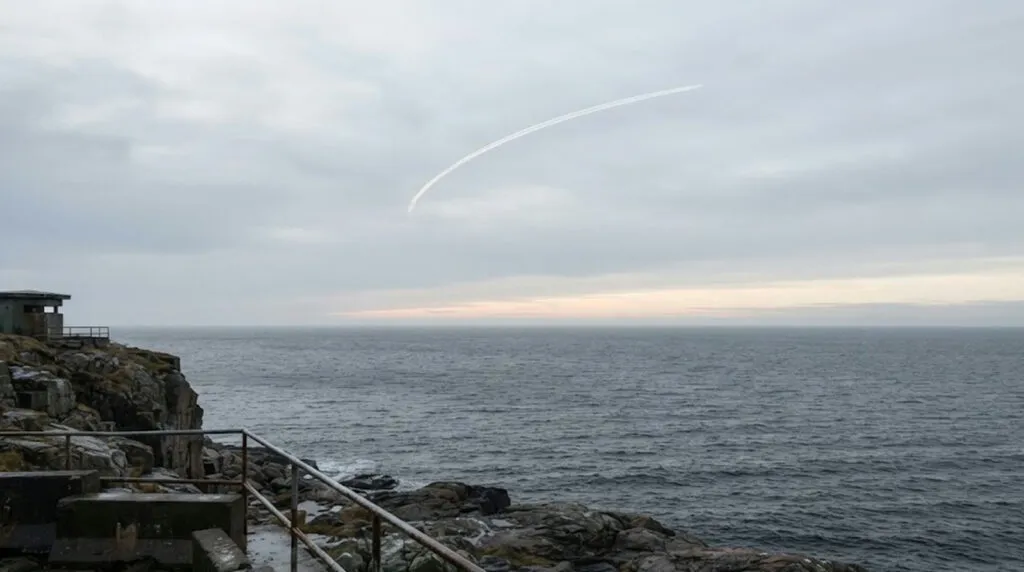
Trump scaled back the military exercises to ease the tension, and Wonsan answered in the form of projectiles. What does...

The sanctions list got a seven-day extension instead of one measured in months, a move diplomats themselves call unprecedented. Two...
Switzerland offered a table for talks on Ukraine, Moscow replied that the table stopped being neutral once Bern adopted EU...
The will says one thing, a committee of twenty-one men decided another. The queen mother says the army pulled the...
A country that was Europe's byword for stability for decades now has a parliament split into two blocs by a...
Sixteen years in power, defeat at a regular election, five months of quiet - and now the election result is...
This site uses cookies - is that okay? Learn more
Be the first to know when Metla launches something new
Leave your email and we will write when there is a new guide or something new on Metla.