
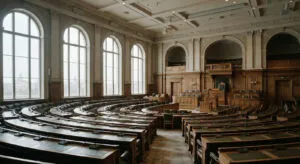
"That's not my job": the trial of the 13 Puls police officers restarted from scratch, and witnesses describe help being refused
22.09.2026


22.09.2026

22.09.2026

22.09.2026

22.09.2026

22.09.2026
22.09.2026

22.09.2026

21.09.2026

20.09.2026

22.09.2026

22.09.2026

21.09.2026
22.09.2026
22.09.2026
22.09.2026
22.09.2026

21.09.2026

20.09.2026

22.09.2026

22.09.2026
22.09.2026
22.09.2026

22.09.2026

22.09.2026

09.03.2026

27.02.2026

19.02.2026

22.09.2026

21.09.2026
21.09.2026

23.04.2026

23.04.2026

12.04.2026

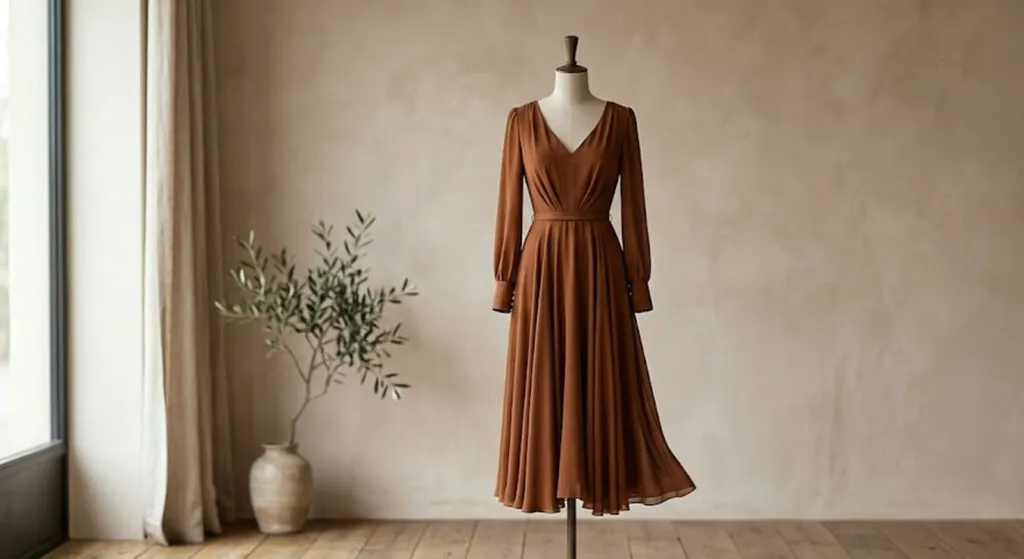
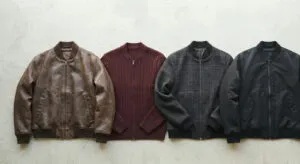
The decade was austere, the colour was grey office and sad outfits. Now brown is coming back as a first pick for wedding guests - and not at just any wedding, but at the high-profile ones that Pinterest, Instagram and lifestyle magazines analyse as small political events.
The colourimetry expert María Moreta says: „Brown gives you differentiation against black, which has been dominant for many decades." Translation: guests are tired of looking like crows in the official photographs. And black doesn't suit everyone - but brown, in the right shade, adapts to nearly every skin tone.
The old objection to brown was that it „dries out" the skin and emphasises the dark circles under the eyes. That's partly true, but only if the wrong shade is picked. Today's colourimetry solves it through subcategorisation by seasonal type. Women with „autumn" and „spring" skin types should go for chocolate brown, baked, café tostado or camel/beige. „Summer" and „winter" types work better with taupe (grey-brown) - but best in the lower half of the outfit or as an accessory, not as the headline statement.
Maybe the most interesting thing about this trend is that it isn't pushed by the designers. They had been watching the end of black coming for several years, but didn't want to move because black is easy. It sells, nothing can go off-key. Brown demands more work - it's harder to nail the shade, harder to brand. But when the consumer tries something different, the industry has to follow.
For the Balkan guest, this is good news. Brown goes with gold jewellery, with pieces from grandmother's old collections, and with outdoor wedding venues (which almost every wedding in our region is). It looks more expensive than it is right away, and doesn't risk leaving people thinking you're „at a fair." The question is whether the next generation of party-style weddings will accept it, or whether it'll stay for those with „taste." That, after all, isn't a matter of colour.
The latest 10 news from this category
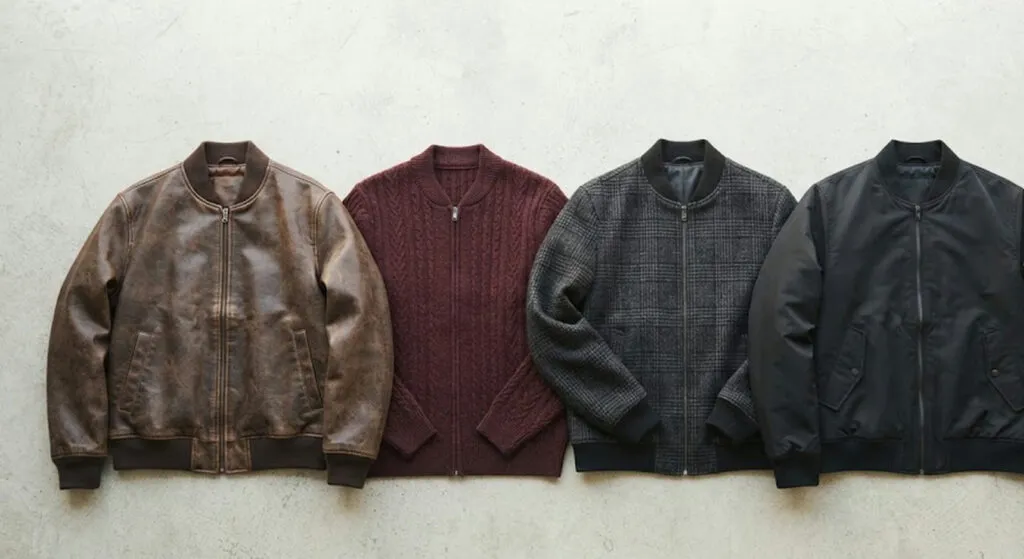
Here, half a wardrobe is bought by calculating how many years it will last. The brown leather one will look...
A decade in which aesthetic medicine sold transformation ends with one sentence: they want to look better, not different.
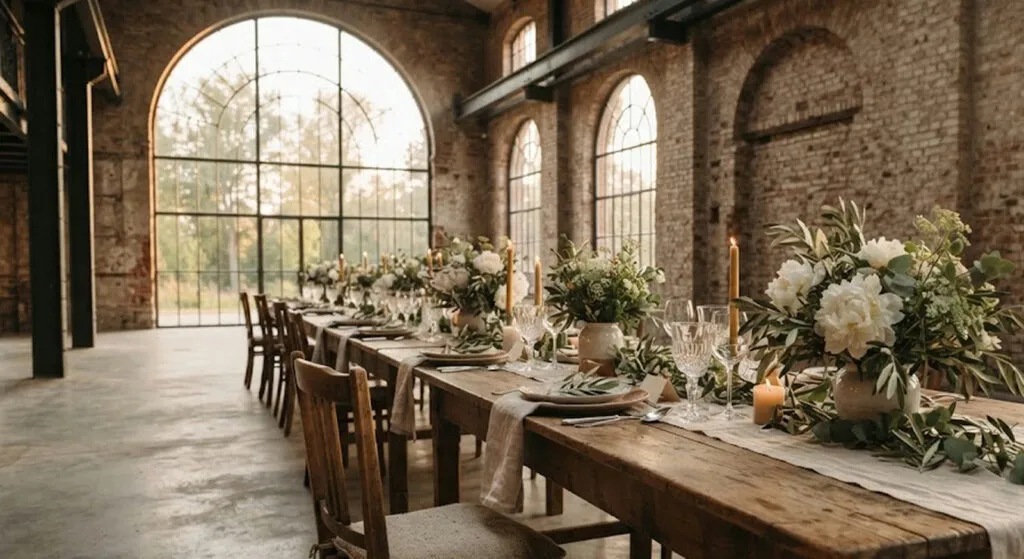
The catering was run by an uncle, the music was played by an uncle. If that sounds familiar, you have...
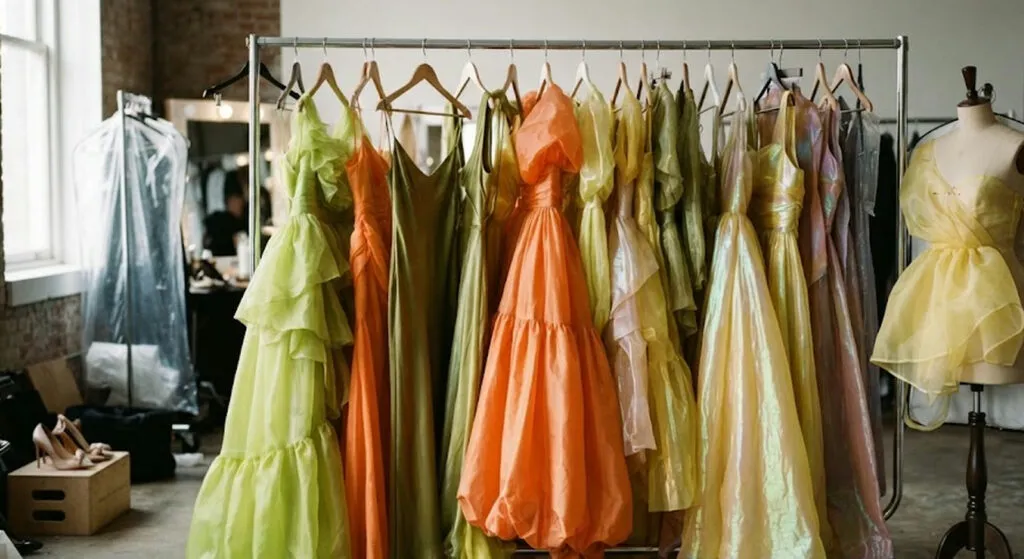
Three days in a lab coat with colorimetry scientists to produce a collection in lime and tangerine. The design director...
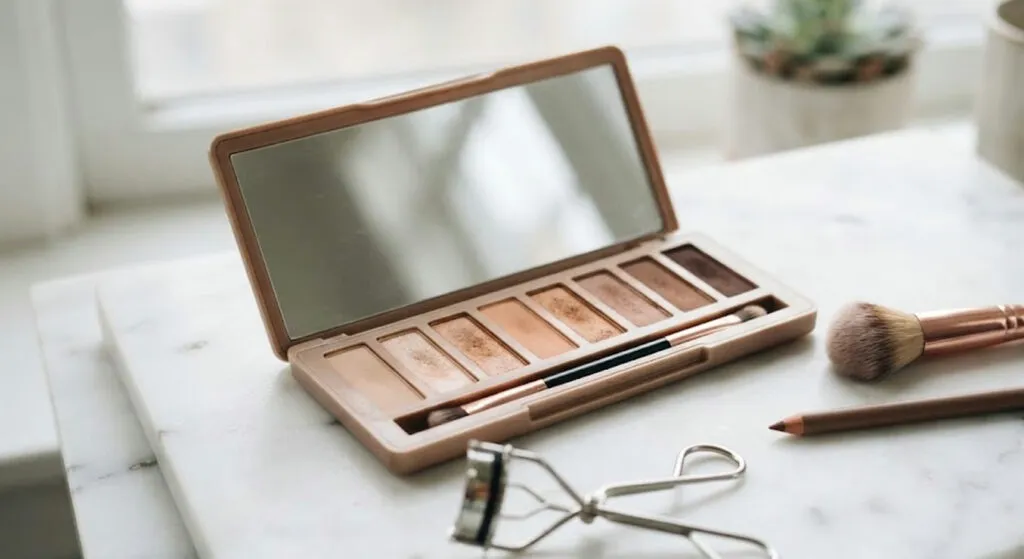
Cream concealer instead of powder, a brown pencil instead of black eyeliner, and a curler before the mascara. Not one...
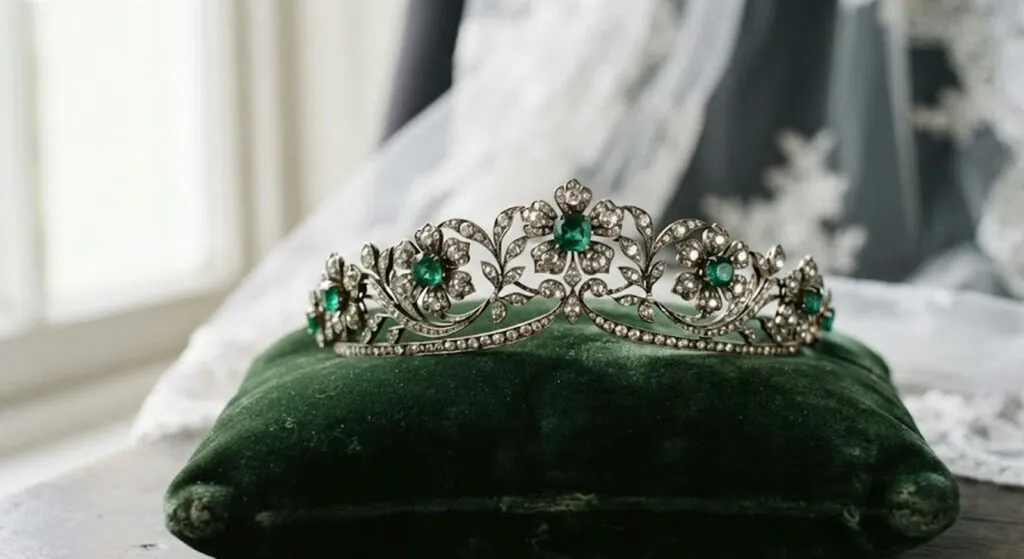
A boat-neck gown and wildflowers that deliberately refuse to compete with the jewellery. A fourth generation under the same diadem,...
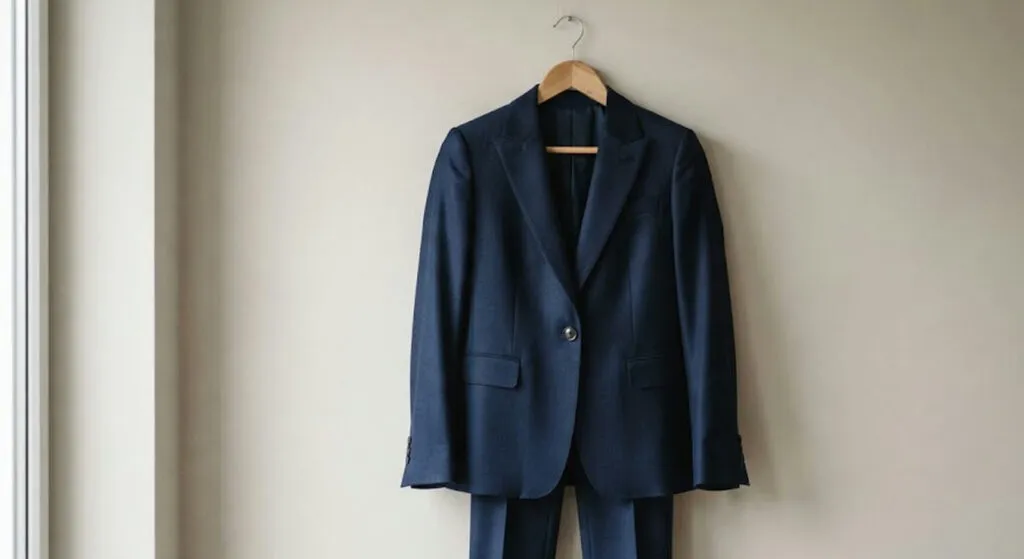
A communications expert says the trouser suit sidesteps sexist readings of hemlines and necklines. The same expert warns that the...
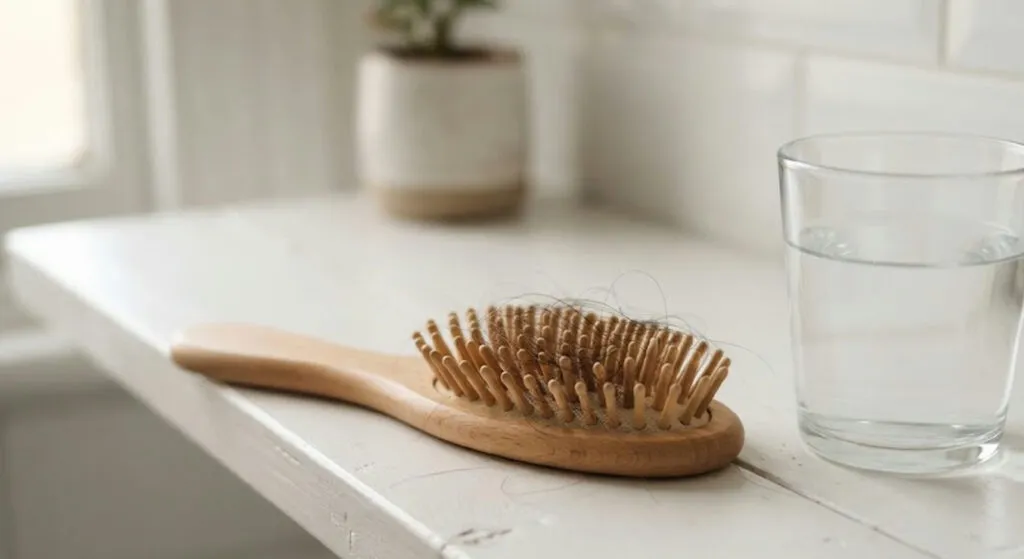
Dermatologists explain why the shedding arrives with a two to three month delay and why iron and vitamins do not...
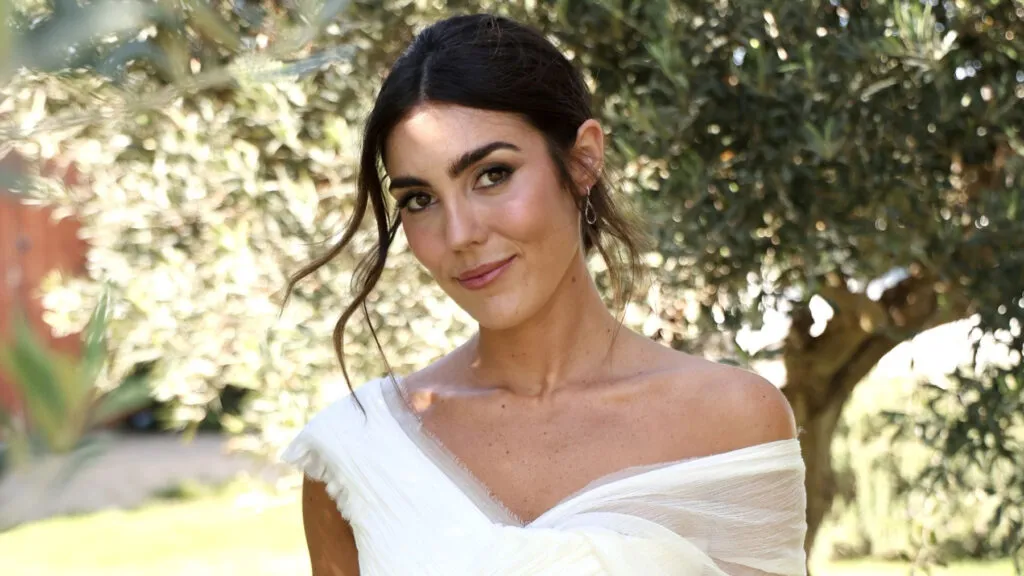
Silk bambula muslin, a hand-draped waist and a veil of crystal organza. The wedding was held in Cadiz, where the...
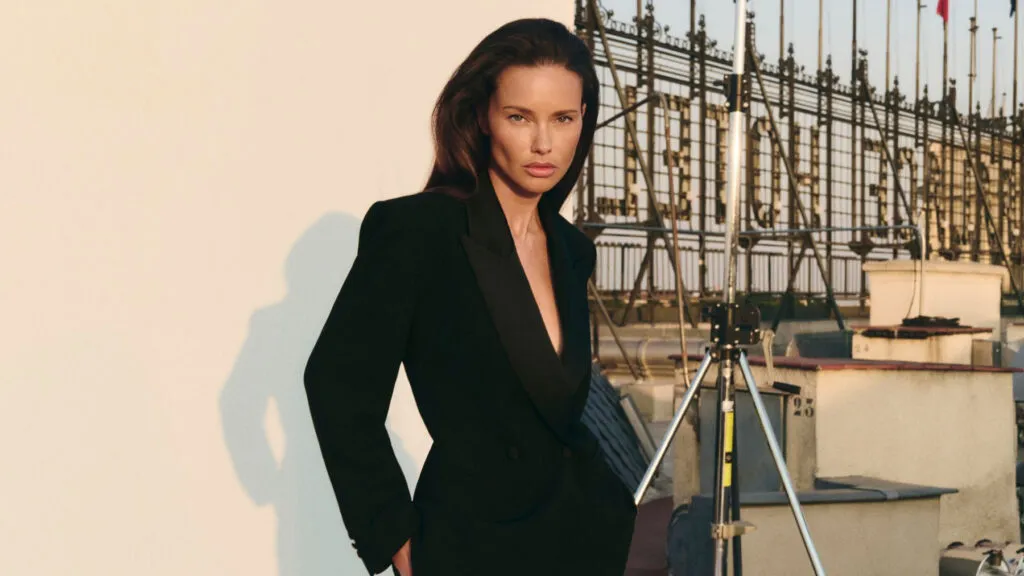
An industry that spent decades selling a flawless illusion is suddenly showing the shoot itself. That is not candour -...
This site uses cookies - is that okay? Learn more
Be the first to know when Metla launches something new
Leave your email and we will write when there is a new guide or something new on Metla.