Nobel Laureate Narges Mohammadi in Hospital: Two Heart Attacks in Prison, 20 kg Lighter, and a Testament of Quiet Courage
11.05.2026


11.05.2026
11.05.2026
11.05.2026
11.05.2026

11.05.2026
11.05.2026
09.05.2026
08.05.2026

07.05.2026

11.05.2026

11.05.2026

10.05.2026
11.05.2026

11.05.2026
11.05.2026
11.05.2026

10.05.2026

09.05.2026

11.05.2026
11.05.2026

11.05.2026

11.05.2026
11.05.2026

11.05.2026

09.03.2026

27.02.2026

19.02.2026

14.04.2026

07.11.2025
07.11.2025

23.04.2026

23.04.2026

12.04.2026

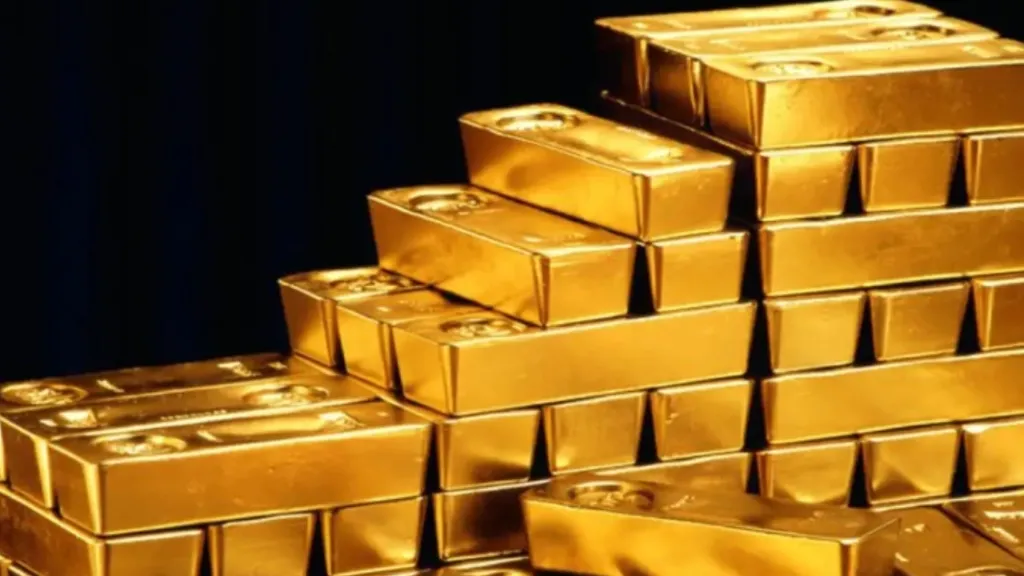
The price of gold made a short-term correction today - 1 gram of 24-carat gold at around 127 euros, and a troy ounce at around 3,950 euros. That's a „drop" after several weeks of steady growth. Which is why the word is „correction", not crash. The small difference in vocabulary means a lot: the market isn't falling, it's resting.
Analysts describe the current phase as a „natural correction" - investors are locking in profits, the dollar is stabilising, and buyers have a moment to recalculate the next move. This isn't a downward trend. This is, put bluntly, a quick gulp of air before the next surge.
Why is gold rising? Geopolitical uncertainty, inflation in developed economies, and - perhaps most importantly - central banks are actively increasing their gold reserves. When China, India, Turkey and Poland buy tonnes of gold a year, that's not a signal of a stable market - it's a signal that they expect trouble. And every investor paying attention has noticed.
In the Balkans, interest in investment gold is growing. Local precious-metal dealers report higher demand for gold in coin form and smaller bars. „Better to have gold in your hand than a deposit in a bank in Skopje" - that's folk wisdom, and the wisdom isn't groundless. After people lost their savings in the old Yugoslav banks between 1992 and 1995, memory sticks around.
A question for the reader: 127 euros a gram. Is that expensive or cheap? Five years ago it was 50 euros. Ten years ago - 35. That means gold has more than doubled in the last decade. It also means the euro has lost purchasing power. Both statements are true. The question is which angle you're looking from.
The latest 10 news from this category
Amazon adds a Clips vertical feed following Netflix and Disney. It's not a trend - it's fear.
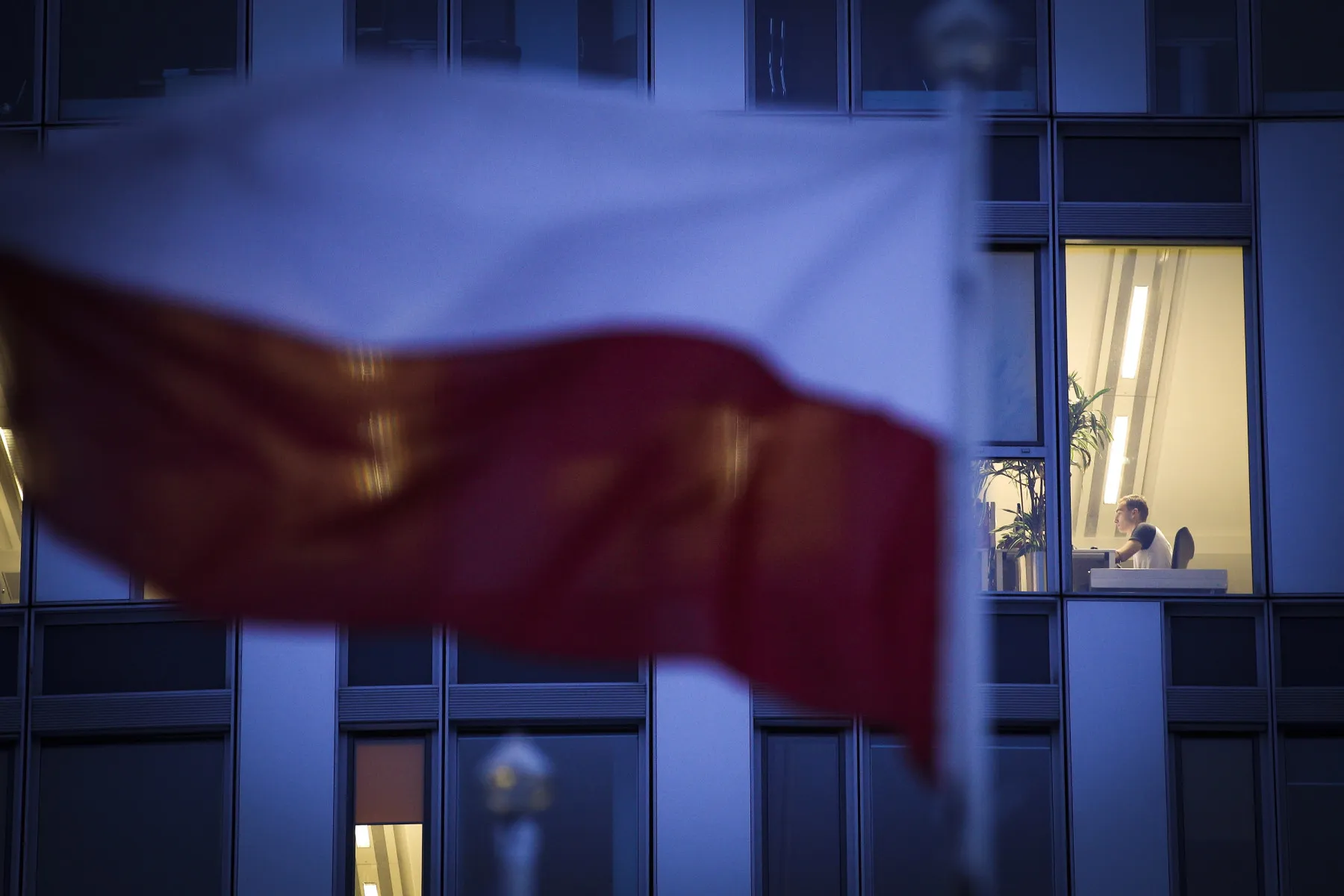
Polish intelligence publishes a report with no hedging. Moscow is breaking infrastructure, the Balkans has no similar document. Is anyone...
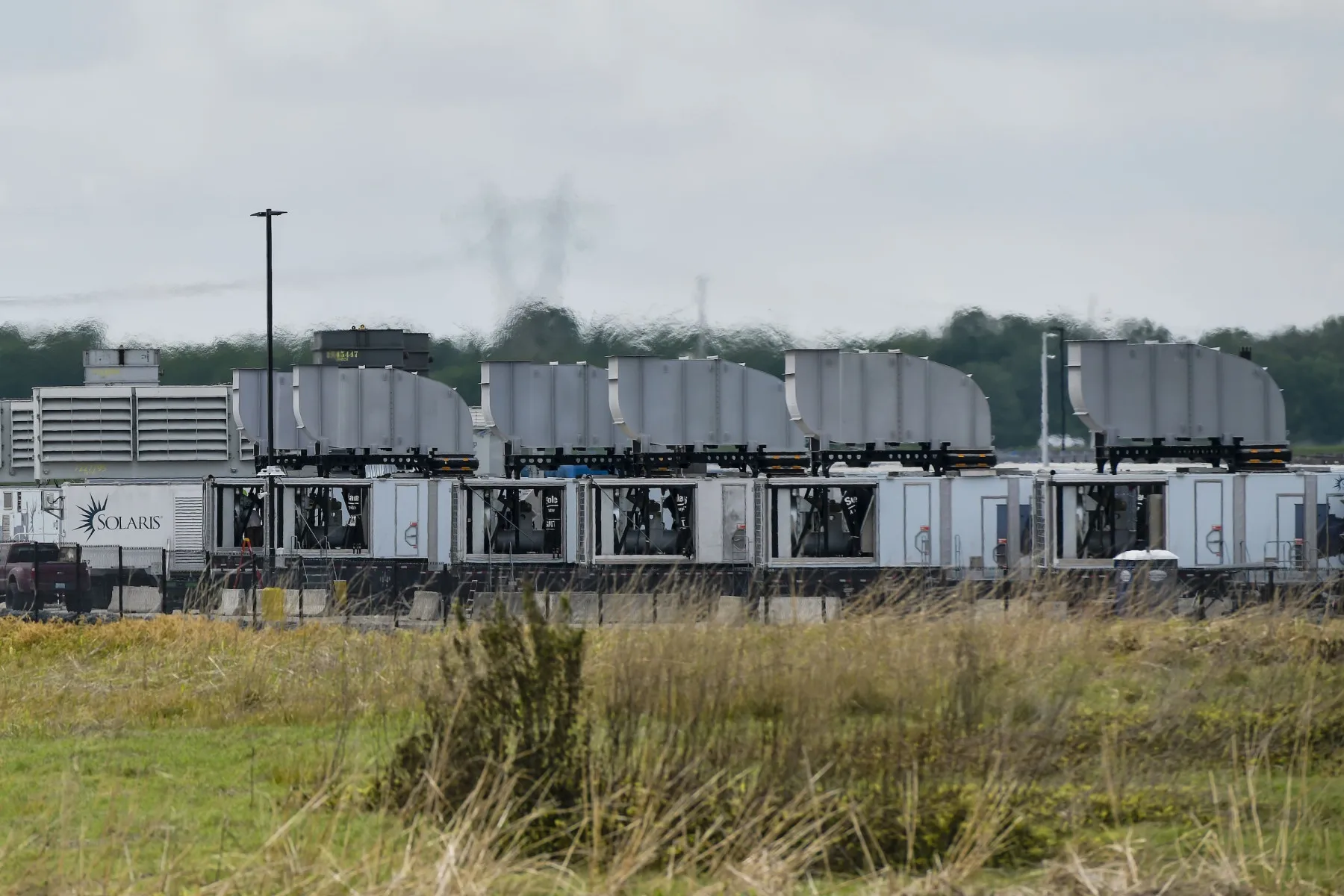
250 billion to buy it, an IPO on the horizon, and a company that, instead of training frontier models -...
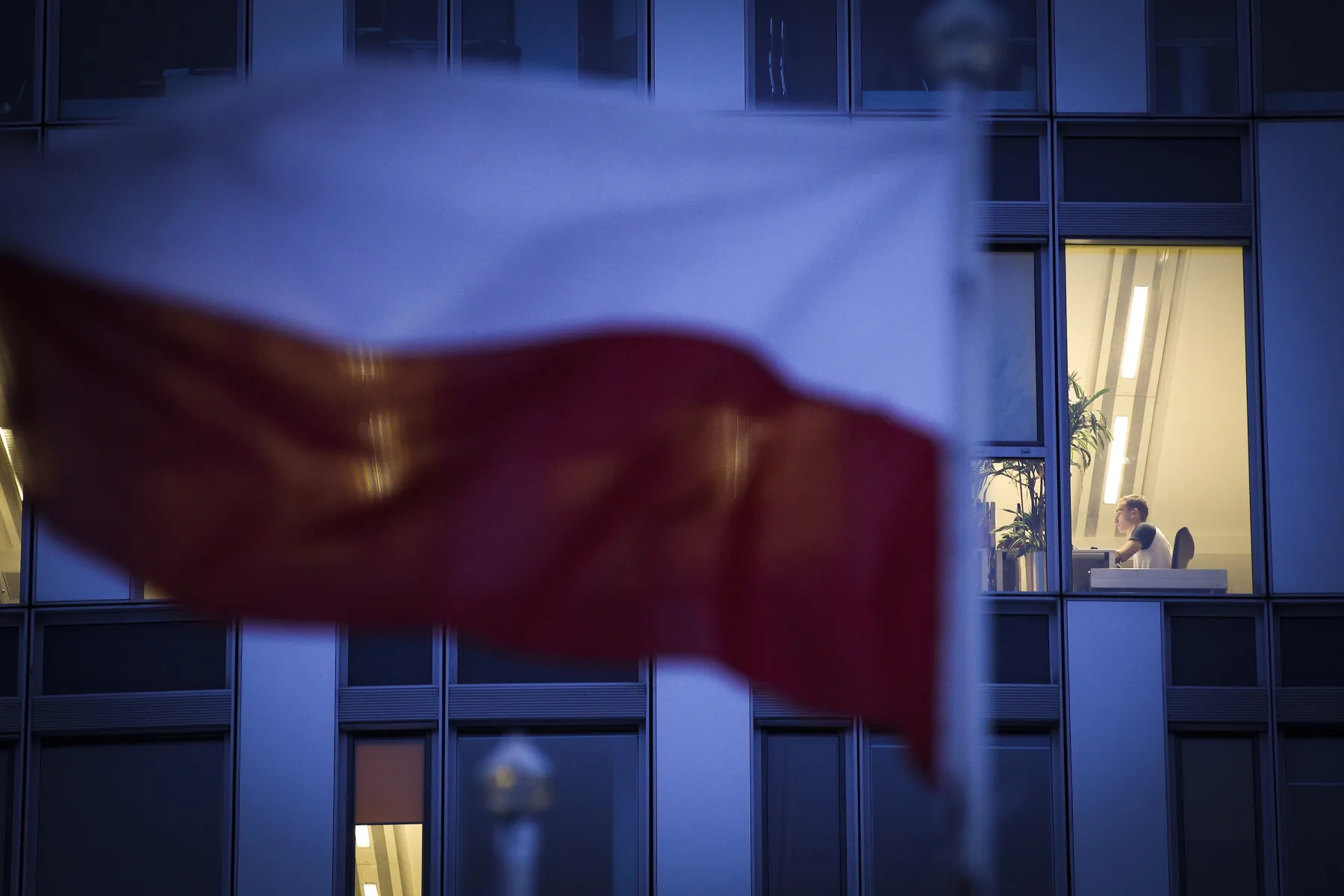
Polish services announce it: five water plants compromised, with potential to poison the supply. The same PLC controllers run here,...

30 billion from Nvidia into OpenAI. Another 10 into companies that are its customers. Analysts call it a circular investment...

Lip-Bu Tan locked in alliances with Washington, Musk, Apple and Tesla. Wall Street is already celebrating the turnaround - but...

Tariffs 66 percent above pre-pandemic levels, 100 jobs possibly gone. Skopjeans who fly out of Thessaloniki just got one more...

90 days of reserves in Macedonia, Brussels green-lit US Jet A, and new routes for Vienna-Ohrid and Palermo. The question...
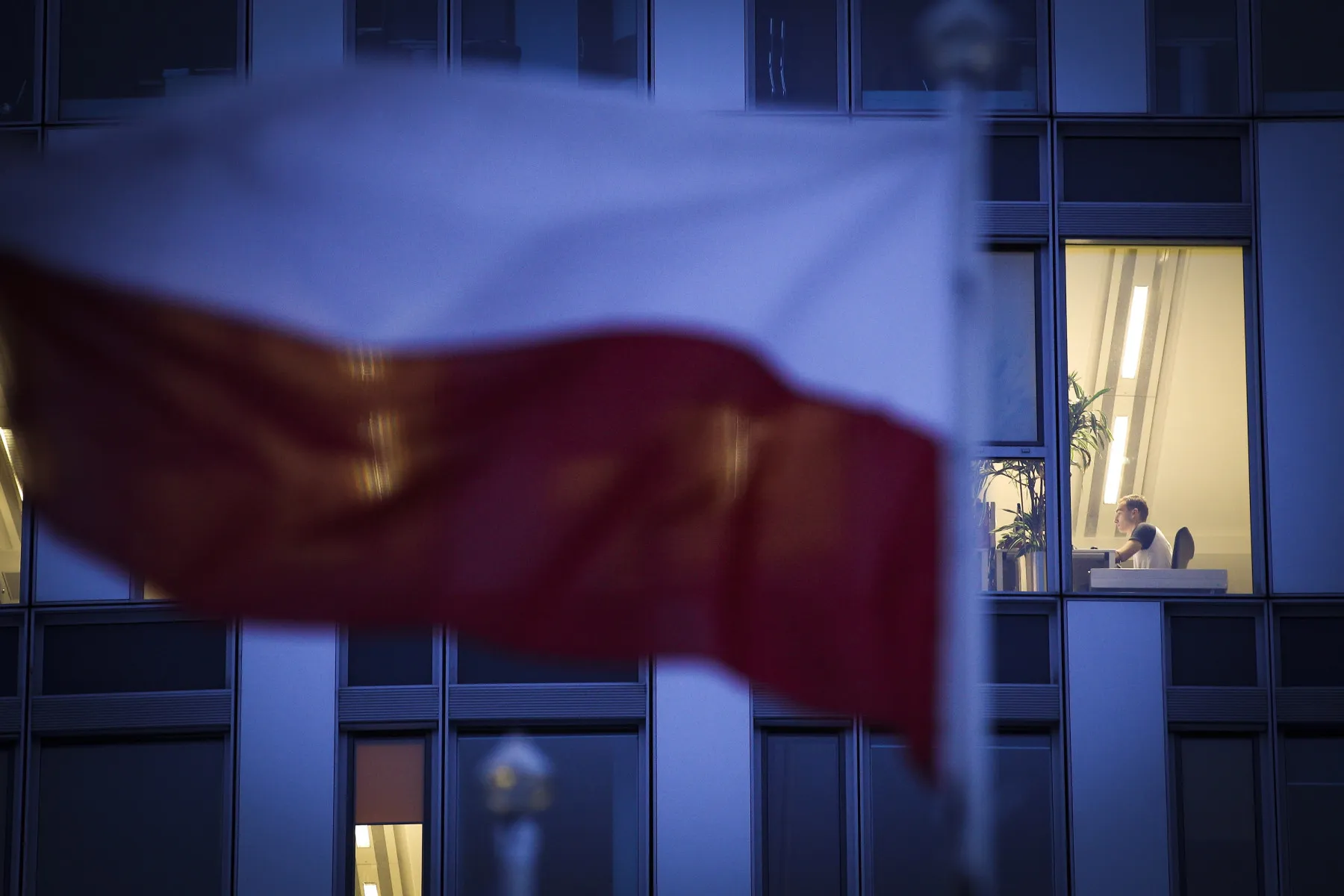
Five water treatment plants in Poland breached by hackers, the attack could have manipulated the safety of the water itself....
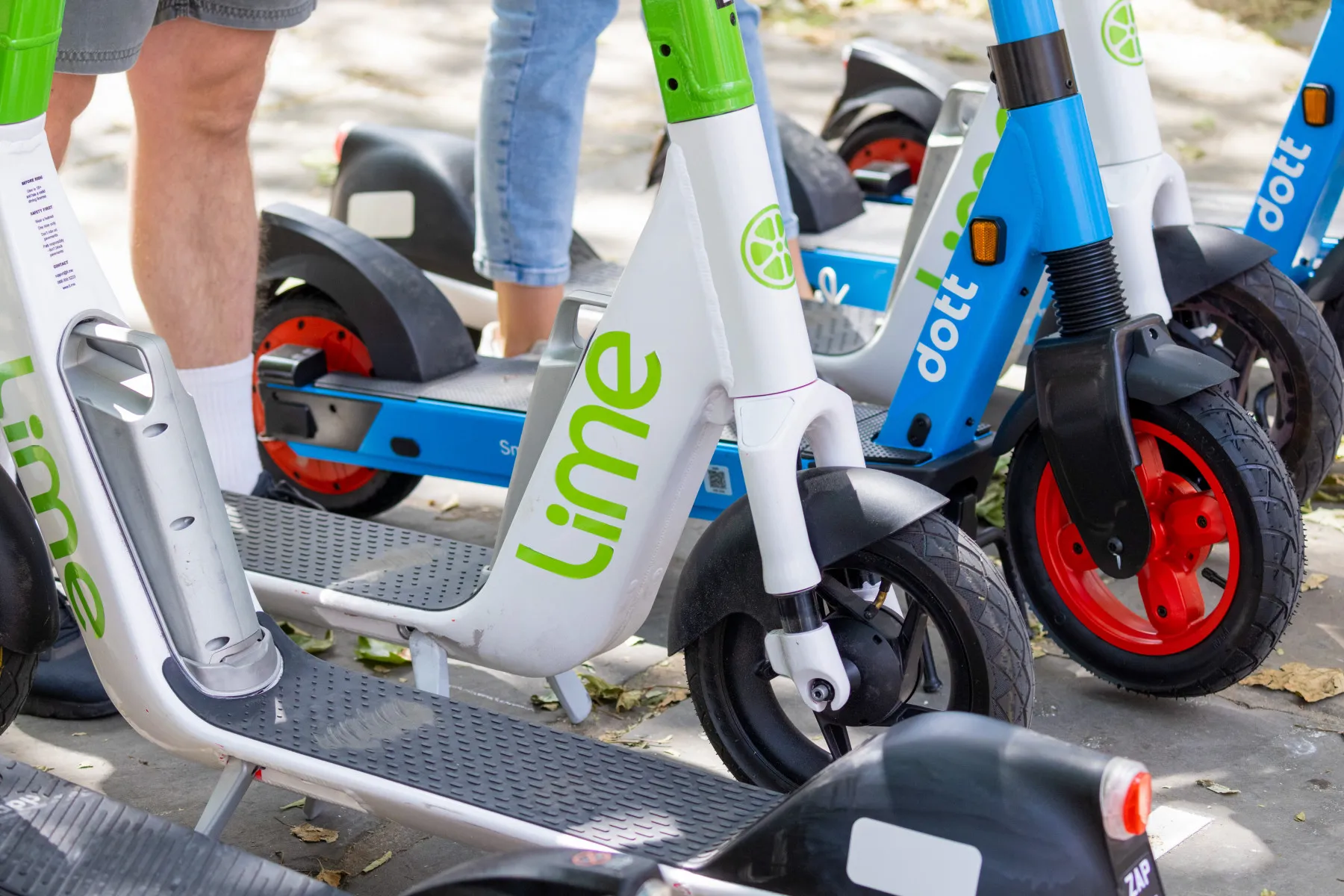
The scooters that don't show up in Skopje, Belgrade or Zagreb will trade under the LIME ticker. The question for...