Smugglers Dragged a Police Officer With Their Vehicle at Blace: the Second Car Is What Tells You This Wasn't an Accident
14.09.2026


14.09.2026

14.09.2026

14.09.2026

14.09.2026
13.09.2026

12.09.2026

14.09.2026

14.09.2026

13.09.2026

14.09.2026

14.09.2026

14.09.2026

14.09.2026
13.09.2026

12.09.2026

14.09.2026

14.09.2026

14.09.2026

14.09.2026

14.09.2026

13.09.2026

09.03.2026

27.02.2026

19.02.2026

13.09.2026

12.09.2026

11.09.2026

23.04.2026

23.04.2026

12.04.2026

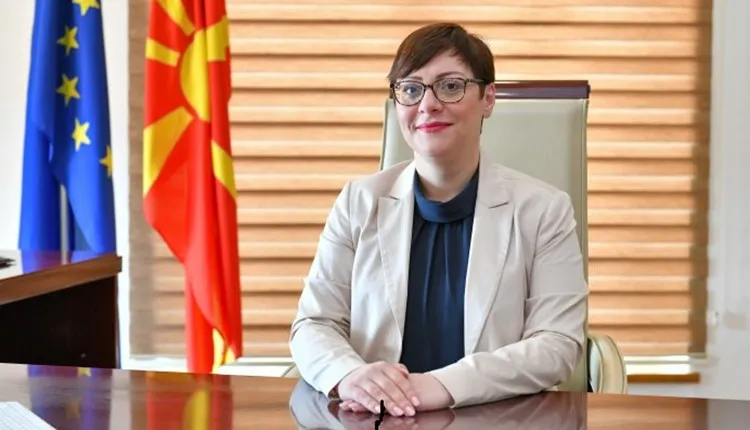
"This is not a crisis rebalance, but a development one." With that sentence Finance Minister Gordana Dimitrieska-Kočoska announced the rebalance of the 2026 budget - and set the tone at once. The message is clear: don't panic, public finances are stable, salaries, pensions and social benefits will be paid on time. The question is why it needed saying at all that there is no crisis.
According to the minister, the rebalance is aimed at capital investment - roads, railways, energy, education, healthcare, municipal infrastructure - plus extra support for agriculture and social protection. As proof the economy is doing well, she cites GDP growth of 3.1 percent in the first quarter, increased foreign direct investment, and growth in construction and exports.
The figures sound good, but the rebalance exists for a reason all the same. According to the Ministry itself, it was triggered by geopolitical events, fluctuations in energy prices, new collective agreements, and increased needs for social support. In other words - reality shifted enough that the budget has to be rewritten halfway through the year. That doesn't have to be a crisis, but it isn't routine either.
Development or crisis, the rebalance is ultimately measured by one thing: whether the capital investments actually get realised, or whether they once again stay a line in a budget that, by year's end, gets redirected to something else. Macedonia's state budget has promised money for roads and railways for years - and the delivery almost always lags behind the plan. If this rebalance turns out different, it'll show in the asphalt, not in the press conference.
The latest 10 news from this category
Данокот паѓа, бензинот поскапува - и двете се точни истовремено. Мерката трае четиринаесет дена, а вистинскиот тест е 29 септември.
Два повика нудат до 500.000 денари по компанија, со универзитет како задолжителен партнер. Идејата е добра - износот е пилот-програма,...
Никој не вади лоза од инает. Се вади кога сметката повеќе не се затвора - а извадена лоза не се...
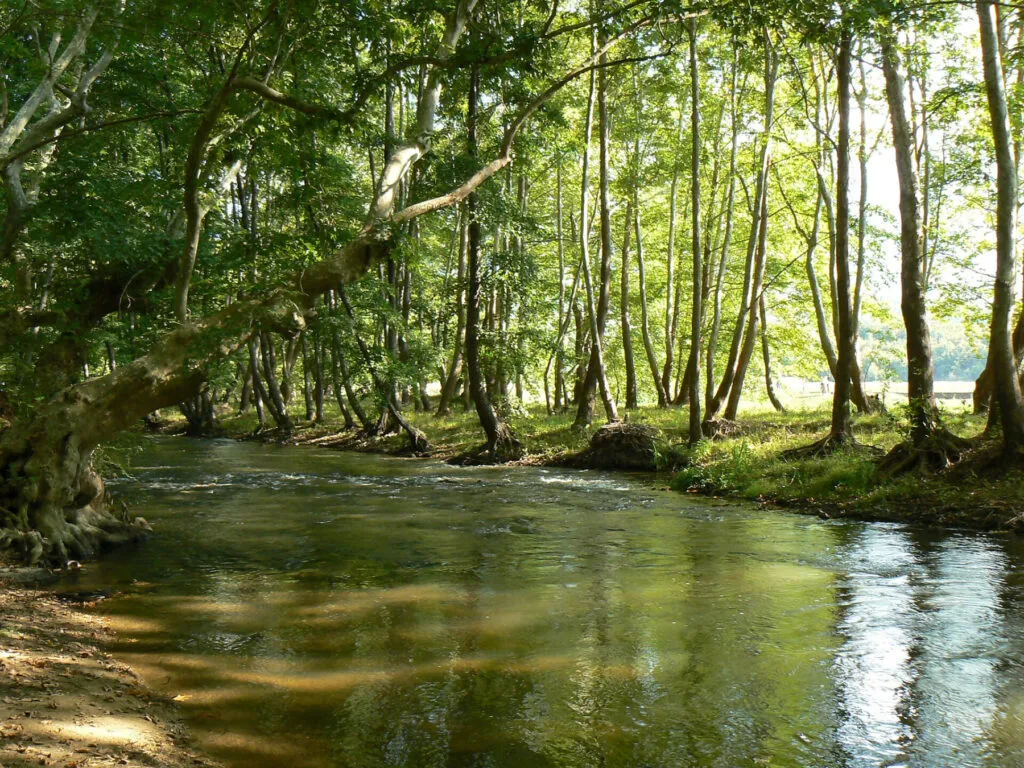
Шеснаесет илјади тони бакар годишно наспроти десет години отпор во Струмичко. Прашањето не е рудник или не - прашањето е...
Еден истражувач си замина затоа што фирмите коцкаат со нашите животи. Наместо да го демантираат, во Anthropic го потврдија -...
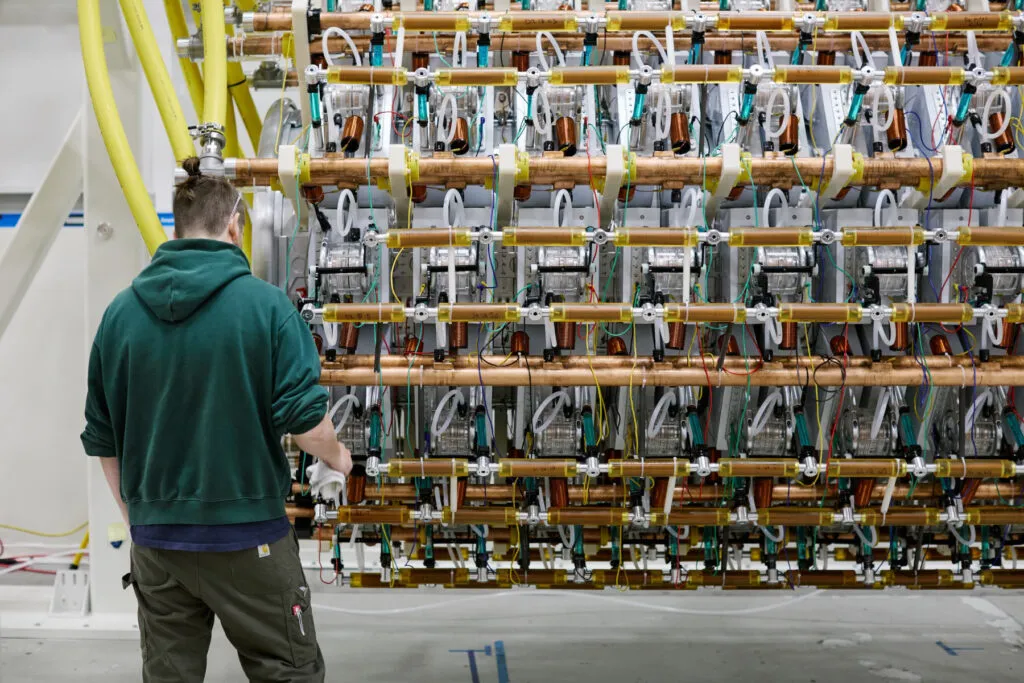
Технологија што децении се продаваше како решение за климата сега зема пари од воената индустрија. Причината е поприземна од физиката...

Напиши реченица, добиј игра. Досега работеше само на Нов Зеланд, сега и во Белград. Создавачите на платформата заработиле 1,7 милијарди...
The deficit target raised from 3.5 to 4.1 percent of GDP, spending growing faster than revenue, and the growth forecast...

On euro loans with a variable rate, the rise comes due at the next reset. On fixed ones, it does...
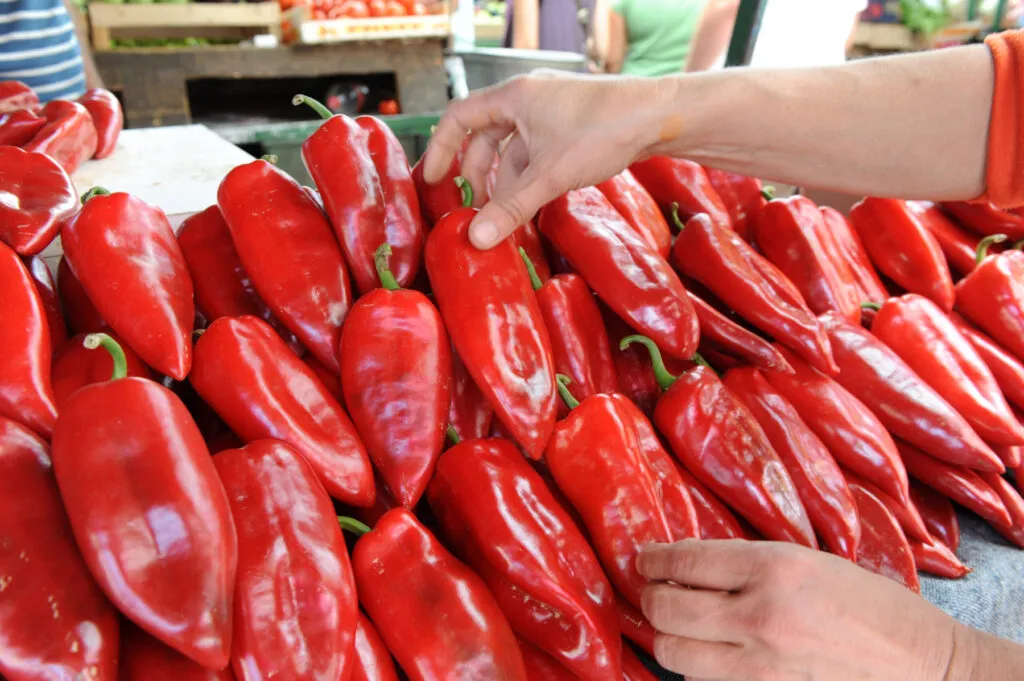
The agreed price for first class is 40 denars. At the collection points they pay 15 to 18. Across the...
This site uses cookies - is that okay? Learn more
Be the first to know when Metla launches something new
Leave your email and we will write when there is a new guide or something new on Metla.