
Stiv Naumov dorm renovated for around 10 million euros: a month later water runs through the walls and the ministry counts wet wipes
24.10.2026


24.10.2026

24.10.2026

24.10.2026

24.10.2026
24.10.2026

24.10.2026

24.10.2026

23.10.2026

22.10.2026
24.10.2026
24.10.2026

23.10.2026

24.10.2026

24.10.2026

24.10.2026

24.10.2026

23.10.2026

22.10.2026

24.10.2026

24.10.2026

24.10.2026

24.10.2026

23.10.2026
23.10.2026

24.10.2026

23.10.2026

23.10.2026
24.10.2026
22.10.2026

20.10.2026

23.04.2026

23.04.2026

12.04.2026

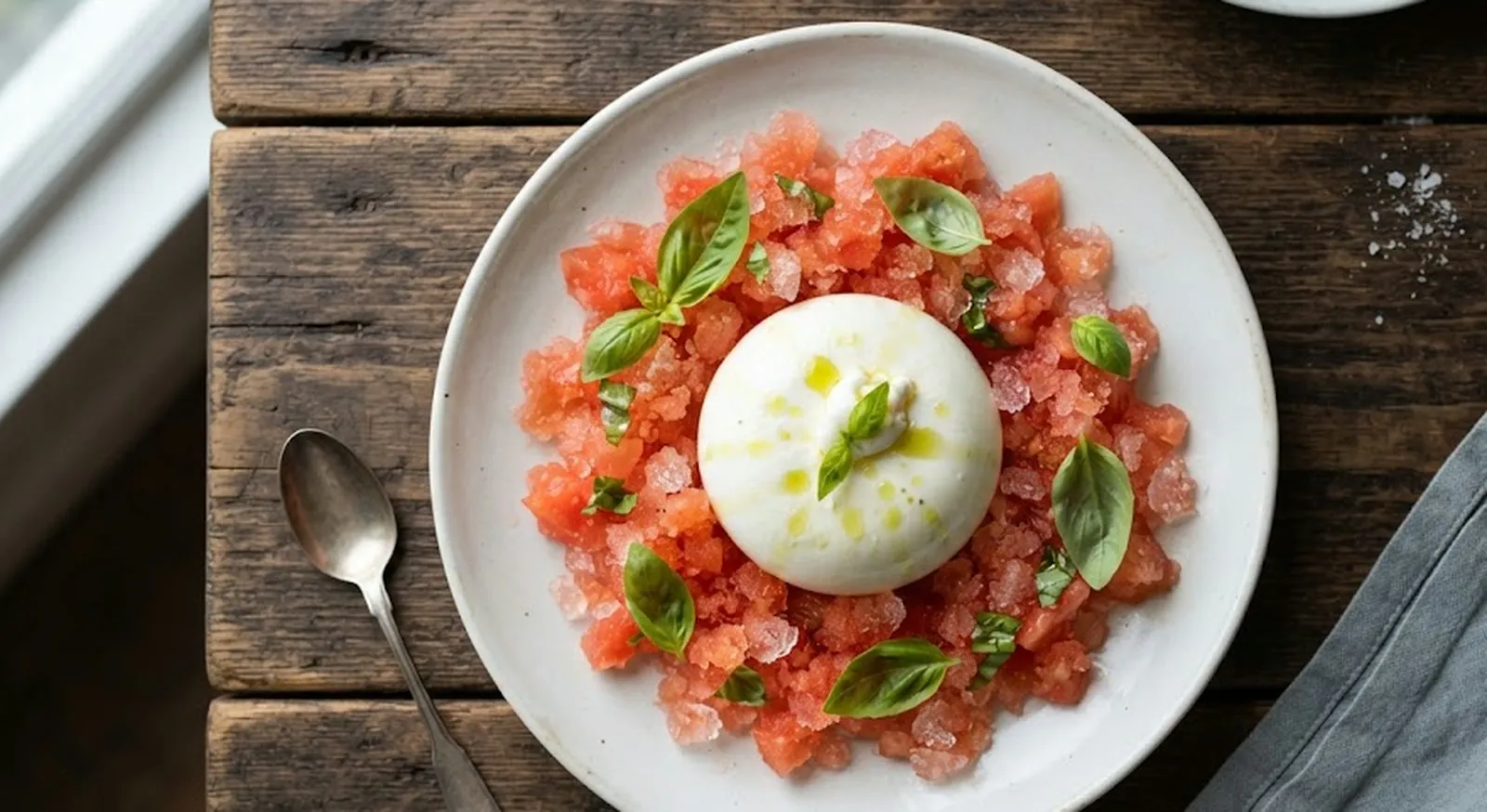
There is a cooking move that sounds like a trick but is really just physics: instead of letting gazpacho be a soup, turn it into an icicle. The whole difference is that the vegetables go in the freezer before you blend them, not after.
The recipe now doing the rounds online is signed by Spanish chef Cristina Oria, and it consists of creamy burrata surrounded by a gazpacho granita. Simple, colourful, and made from produce that in August fills every market stall around here.
What goes in
Cucumber, red pepper, nectarine or peach, and tomato. That is all. Each of the four brings something specific, and it is worth knowing what, so nobody starts swapping them blind.
The cucumber is there for the water. That high water content is what keeps the granita light and genuinely cold, with that recognisable vegetal note playing against the fat of the burrata. The red pepper brings colour, aroma and a sweetness it only has when it is in its moment - fleshy and full of juice.
The nectarine or peach is the part that surprises people most. Two summer fruits that add sweetness, scent and a very pleasant acidity. Gazpacho with stone or red fruit works beautifully, something obvious to anyone here who has ever tried cold watermelon soup.
And finally the tomato. It is the ingredient that gives the granita its identity. It has to be ripe, fleshy and full of flavour - because when the preparation is this simple, the quality of the raw material is the only place left where you can get it wrong.
The one rule
All the vegetables have to be in the freezer, and they come out at the exact moment you are preparing and serving. Immediately. No waiting here, no making it ahead and setting it aside. If the granita waits, it stops being a granita and becomes lukewarm soup with burrata in the middle.
That is also why the recipe is good for a home kitchen and bad for a restaurant. It tolerates not a single step of delay.
From her own field
Oria takes the ingredients from her own land in Morata de Tajuña, in the Madrid region. She has 20 hectares of olive trees there for her own olive oil, plus large plots of fruit and vegetables for her kitchens. She also grows flowers, which she later uses to decorate events.
In 2024 she was recognised by the local fair precisely for defending local produce. By then she was already saying that the project that makes her happiest is the field, with the idea of reaching self-sufficiency in flowers, oil, fruit and vegetables.
That is the part worth more than the recipe. Not because everyone can go buy 20 hectares, but because the logic behind it is available to anyone: if the tomato is good, you need nothing else. If it is bad, no trick will save it - not even the freezer.
The latest 10 news from this category
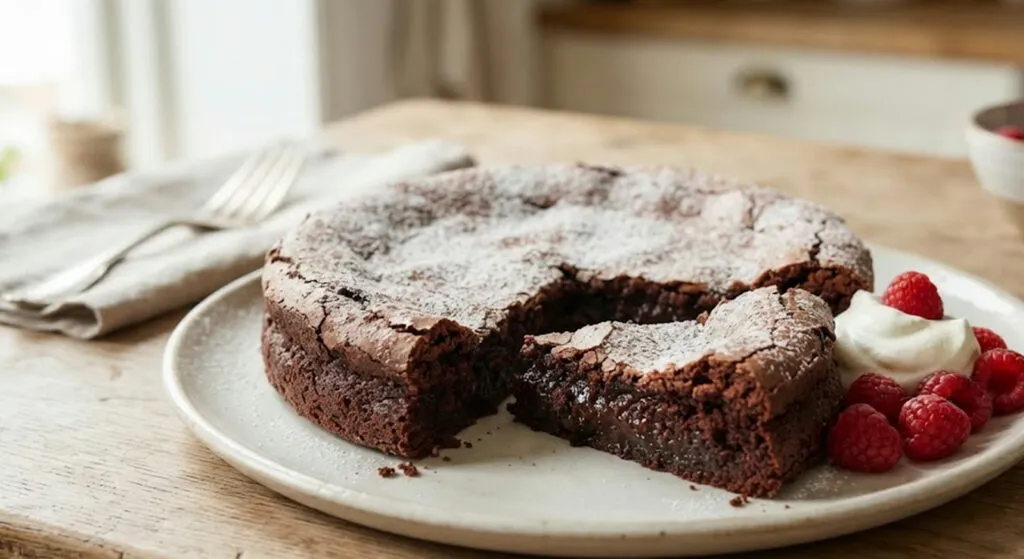
The Swedes have their own brownie, just humbler: two eggs, 250 grams of sugar and the nerve to take it...

Jesús Sánchez defends squid against every add-on that supposedly improves it - egg, milk, and even lemon.
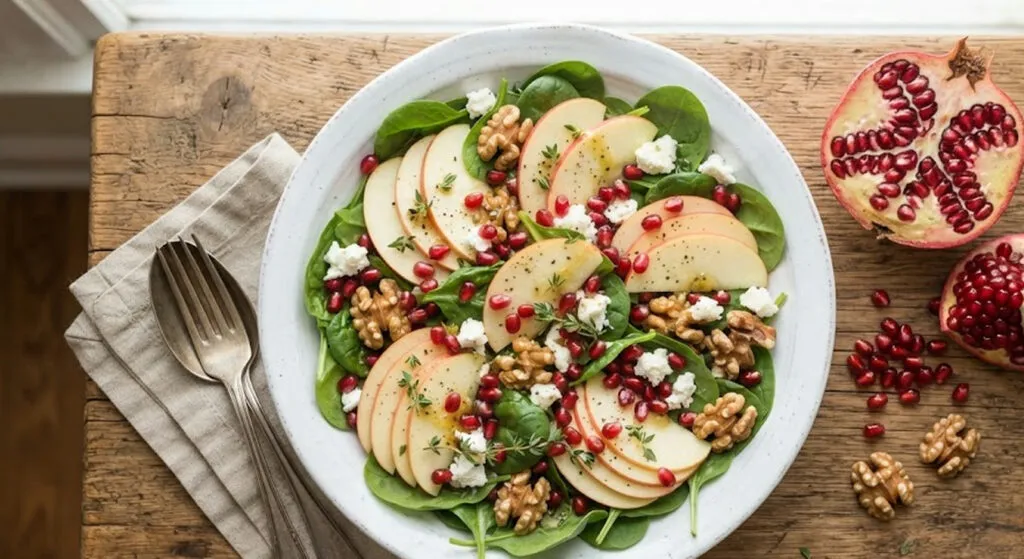
The seeds burst between your teeth, the sweet-sour taste tames the salty, and the juice is a ready-made dressing. In...
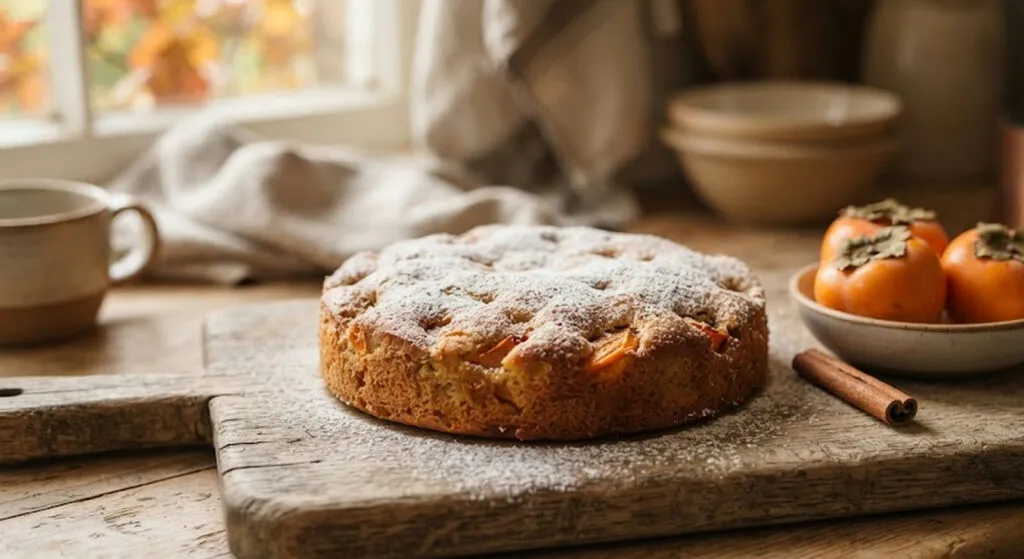
The persimmons that have gone too soft to eat are exactly the ones you need. A recipe for a 22-centimetre...
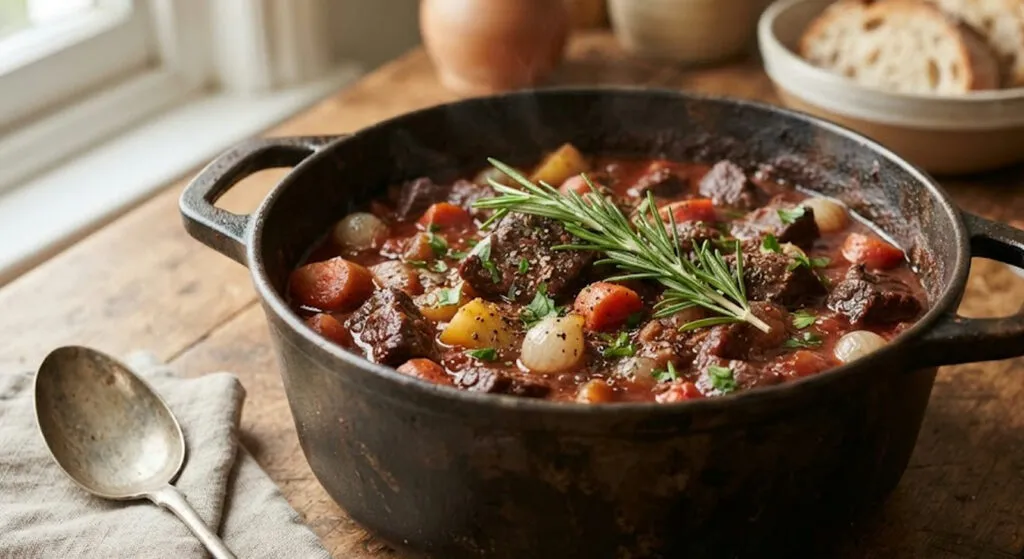
The most tender stew is not made from the leanest meat, but from the cuts that demand patience. And it...
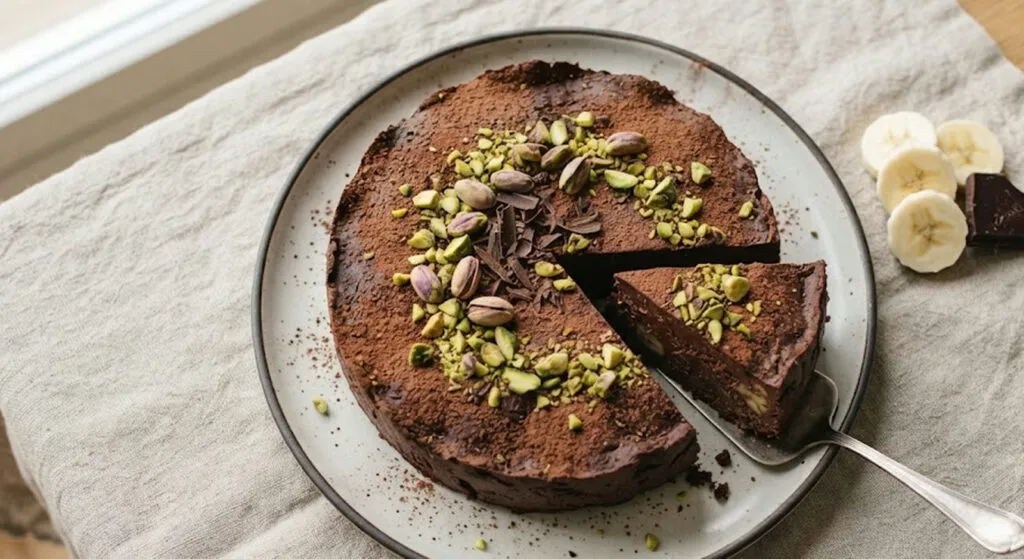
Two ripe bananas, a little dark chocolate and a fridge instead of an oven: the Olympic canoeist's dessert for evenings...
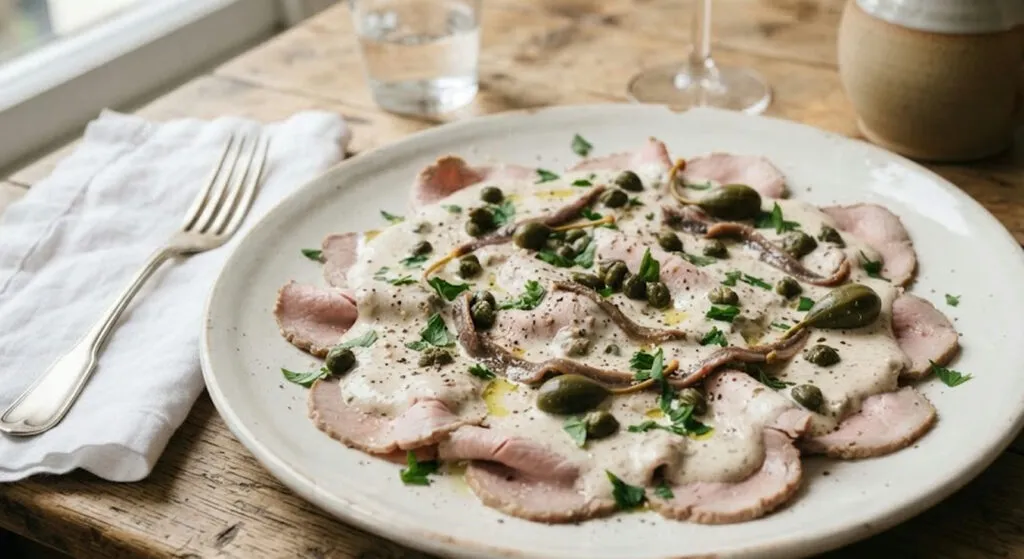
Lean meat that never goes above 65 degrees inside, a night in the fridge and a mayonnaise with tuna, anchovies...
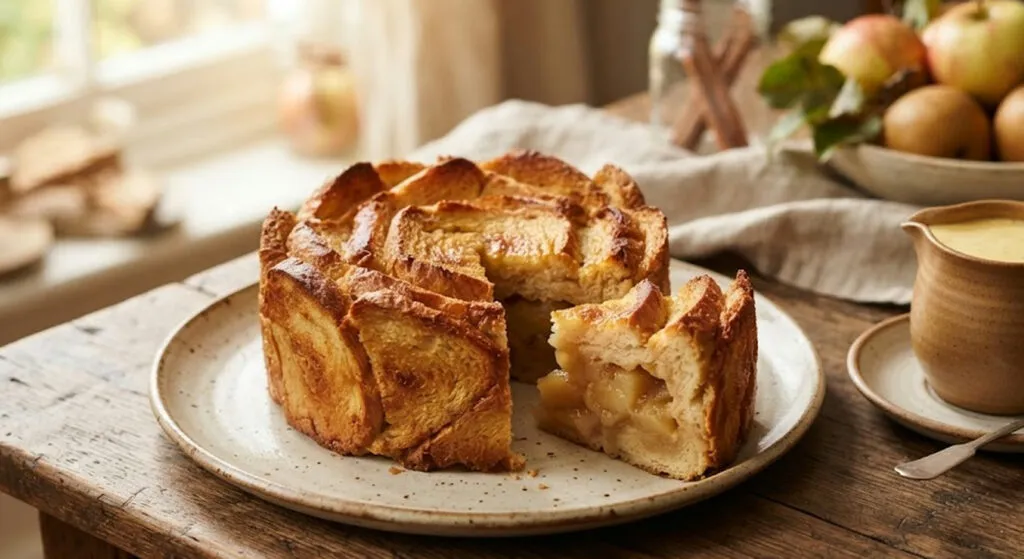
The British turned stale bread into a warm pudding served with custard. The secret isn't the bread, it's the filling,...
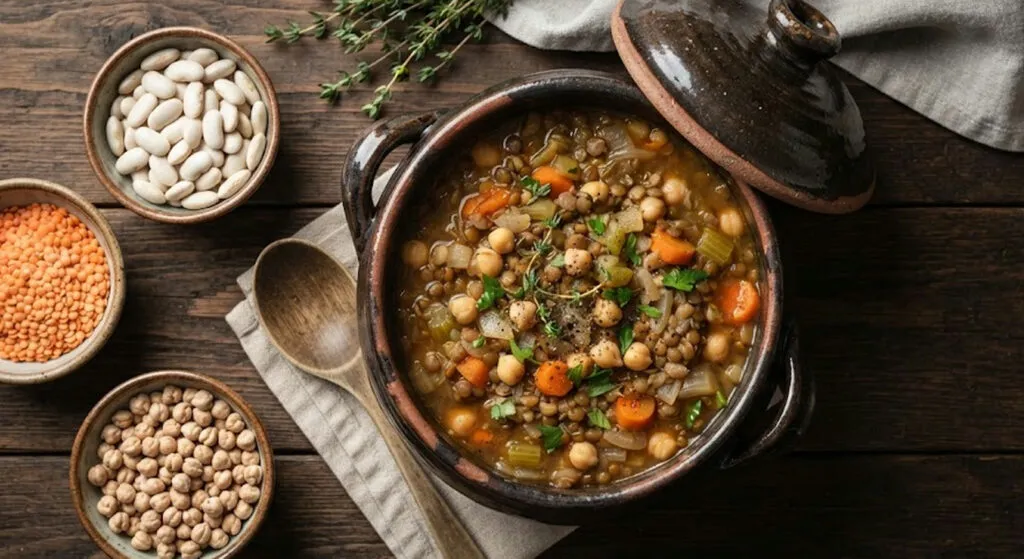
Cheap, filling, cholesterol-free and happy to wait months in the pantry. Ten legume recipes for autumn - and the trick...
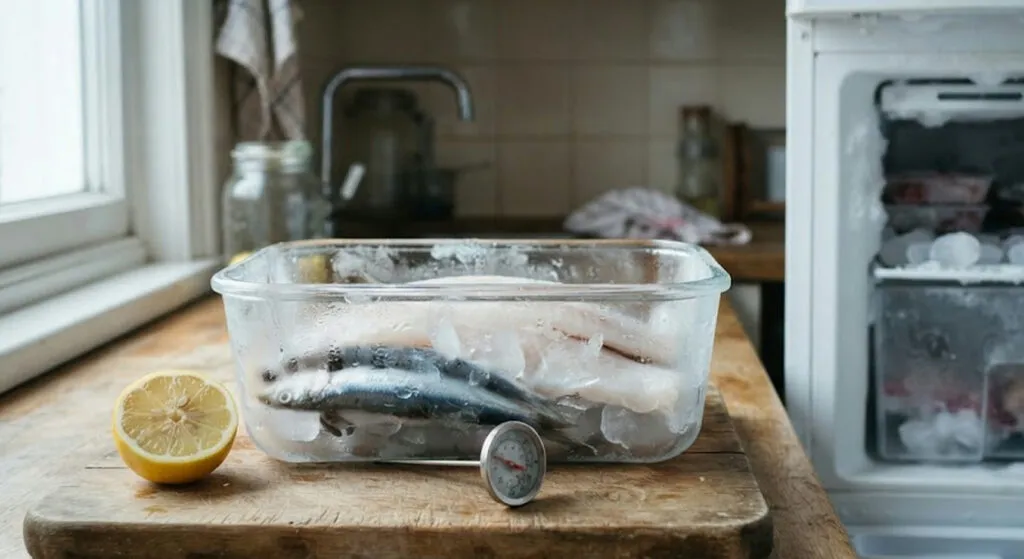
The larvae are killed only by 60 degrees at the centre of the piece or at least four days in...
This site uses cookies - is that okay? Learn more
Be the first to know when Metla launches something new
Leave your email and we will write when there is a new guide or something new on Metla.