


Two failing grades and you're out: parliament brings in automatic dismissal for civil servants, but who will write the appraisals?
20.10.2026


20.10.2026

20.10.2026

20.10.2026

20.10.2026

20.10.2026

20.10.2026

20.10.2026

19.10.2026

19.10.2026

20.10.2026
20.10.2026

19.10.2026

20.10.2026

20.10.2026

20.10.2026

20.10.2026

19.10.2026

18.10.2026

20.10.2026

20.10.2026

20.10.2026

20.10.2026

20.10.2026

20.10.2026

20.10.2026

19.10.2026

18.10.2026
19.10.2026

17.10.2026

15.10.2026

23.04.2026

23.04.2026

12.04.2026

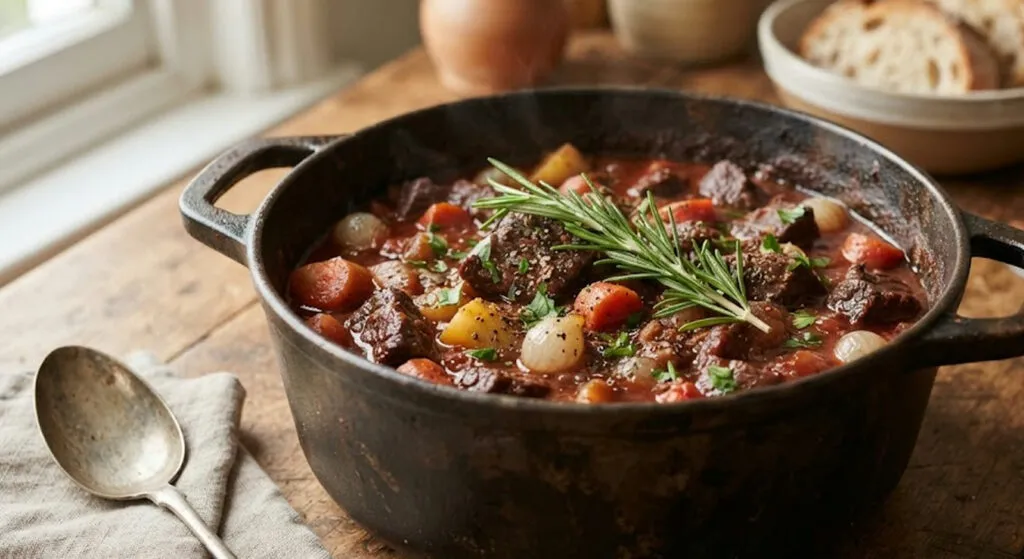
Stew is a dish nobody believes in until they taste it after an hour on a low flame. The Spanish version, estofado de carne, is made with red wine, carrots and a sauce that thickens almost by itself. The secret is not in the seasoning. The secret is in the choice of meat and in patience.
Which meat to buy
Beef with plenty of connective tissue: shank, neck, cheeks or flank. During long cooking, the collagen in these cuts turns into gelatine, the meat softens and the sauce gains body. Lean, "clean" cuts are not for this dish - they will stay dry. If you prefer pork, go for neck, cheeks or ribs. A leg of lamb cut into pieces is also a good substitute.
Ingredients for 4 servings
Method
The three mistakes that make meat tough
The first is a pot crammed with meat. If the pieces are packed together they release water and, instead of browning, they boil. That is why the meat is seared in batches, and the flour helps the crust colour and later thickens the sauce. The second is rushing. In an ordinary pot, stew needs at least an hour, but the reward is a more concentrated flavour and a silky sauce. In a pressure cooker it is ready in 30 to 40 minutes, depending on the cut, but the sauce is thinner and usually needs reducing a bit more. The third is the wrong meat, which we have already covered.
If the sauce is thin and you do not want to add more flour, you have three options. Blend some of the cooked vegetables and return them to the pot. Add a piece of fried bread or a few breadcrumbs and blend them with the liquid. Or simply choose cheeks or shank - their collagen thickens the sauce on its own as it cooks slowly.
Better tomorrow
Stew is one of the few dishes that tastes better the next day. A night in the fridge rounds out the flavours, the gelatine spreads through the sauce and melts again when reheated. Serve with white rice, mashed potatoes, roast or fried potatoes, peas or short pasta. Every Balkan kitchen has its own stew and its own grandmother who swears hers is the best. The Spanish add wine - the only question is whether anything will be left for tomorrow.
The latest 10 news from this category
Two ripe bananas, a little dark chocolate and a fridge instead of an oven: the Olympic canoeist's dessert for evenings...

Lean meat that never goes above 65 degrees inside, a night in the fridge and a mayonnaise with tuna, anchovies...
The British turned stale bread into a warm pudding served with custard. The secret isn't the bread, it's the filling,...
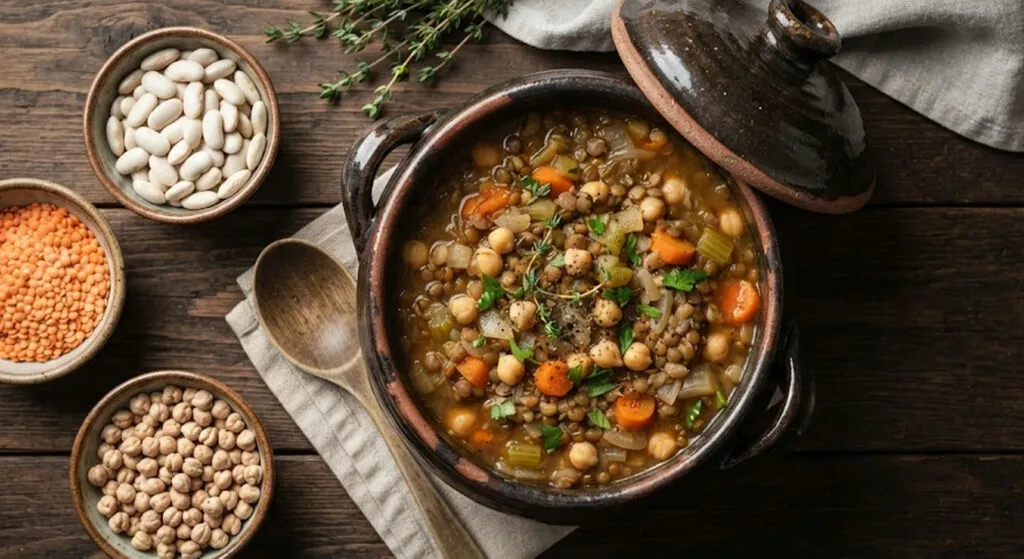
Cheap, filling, cholesterol-free and happy to wait months in the pantry. Ten legume recipes for autumn - and the trick...
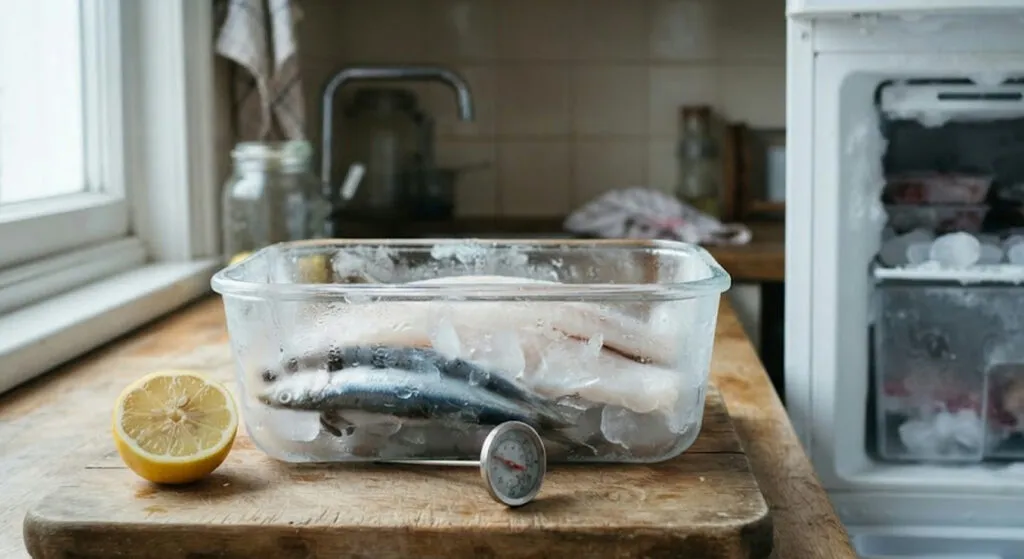
The larvae are killed only by 60 degrees at the centre of the piece or at least four days in...

In Macedonia, pumpkin usually ends up in tikvenik, the filo pumpkin pie, or baked with sugar. Three recipes for four...
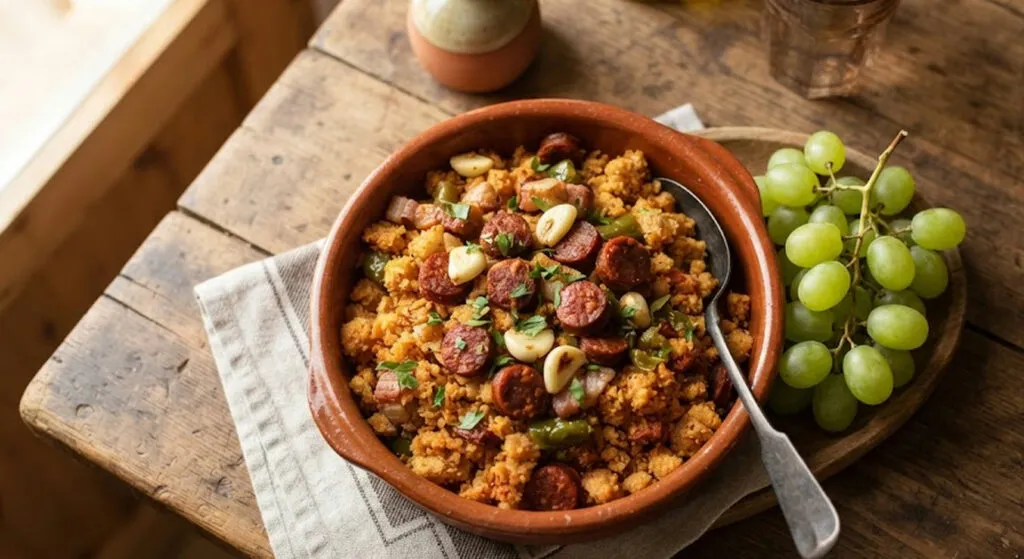
Aragonese cooking was made to feed shepherds and farmers, not to impress a jury. Yesterday's bread, lard, garlic and patience...
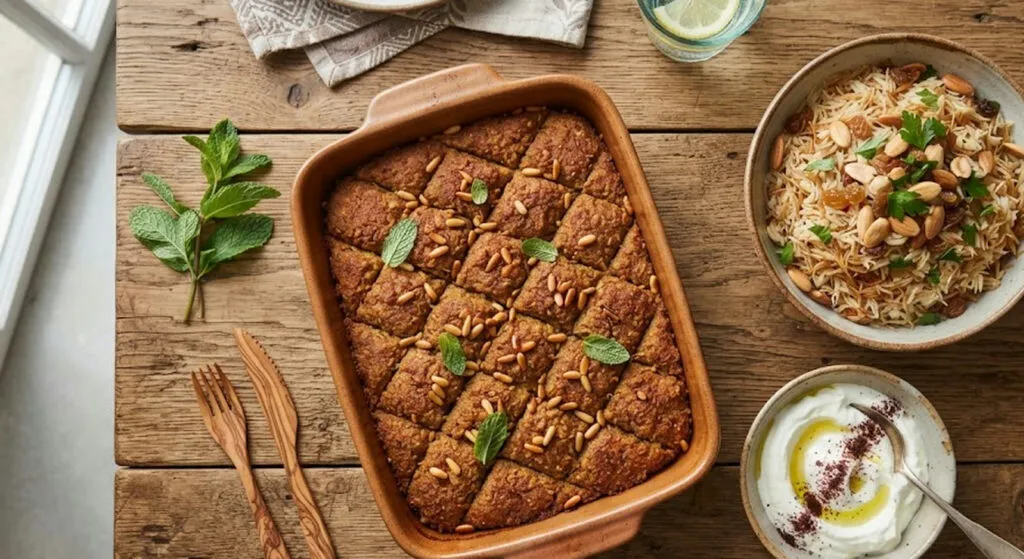
Her Madrid park for 55,000 people includes Lebanese food as a nod to the singer's heritage. The rice simmers for...
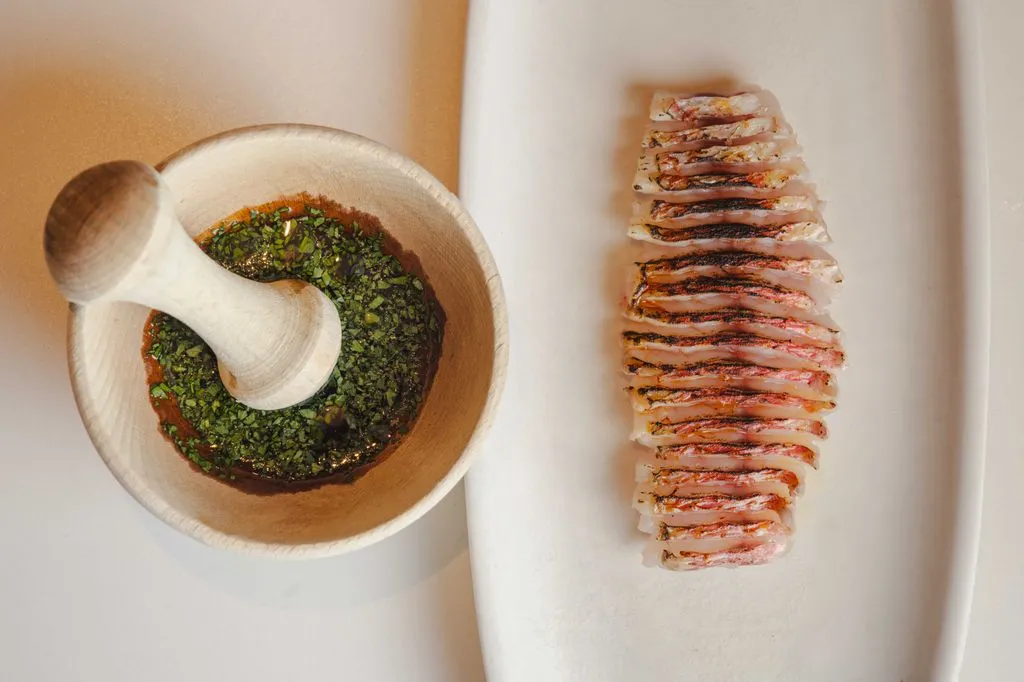
In an age of foam and smoke on the plate, an Andalusian with a star goes back to the stews...
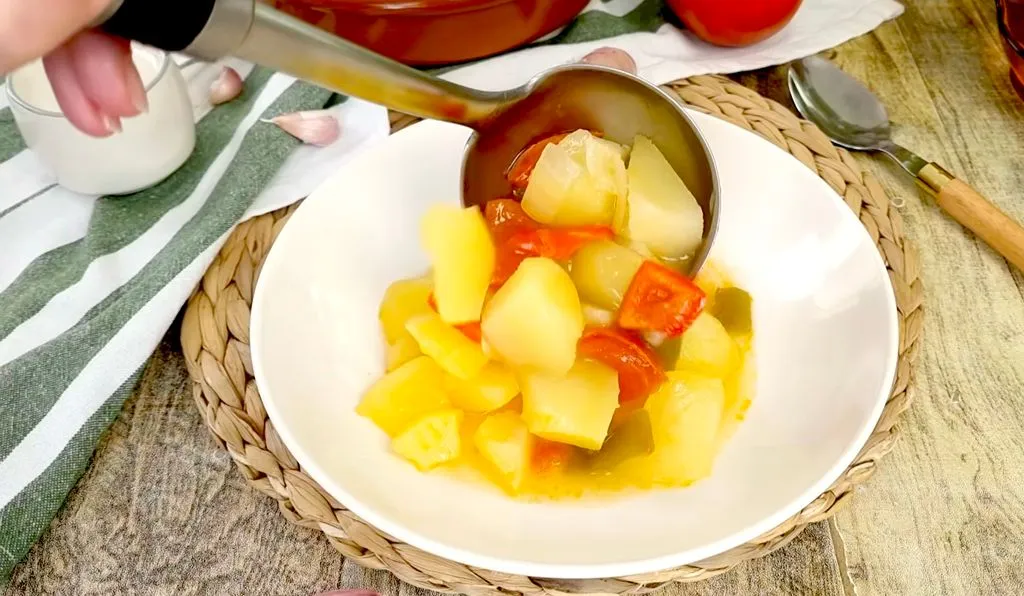
A dish born of ration coupons after the Spanish Civil War: potatoes, peppers, tomato, onion and garlic. The secret is...
This site uses cookies - is that okay? Learn more
Be the first to know when Metla launches something new
Leave your email and we will write when there is a new guide or something new on Metla.


