


A week after the police brutality story, the Interior Ministry has its own version: the passenger took the officer's gun
15.10.2026


15.10.2026

15.10.2026

15.10.2026
15.10.2026
15.10.2026

15.10.2026

15.10.2026

14.10.2026

13.10.2026

15.10.2026
15.10.2026

14.10.2026
15.10.2026

15.10.2026

15.10.2026

15.10.2026

14.10.2026

13.10.2026

15.10.2026

15.10.2026

15.10.2026
15.10.2026

15.10.2026

15.10.2026

15.10.2026

14.10.2026

13.10.2026
13.10.2026

12.10.2026

10.10.2026

23.04.2026

23.04.2026

12.04.2026

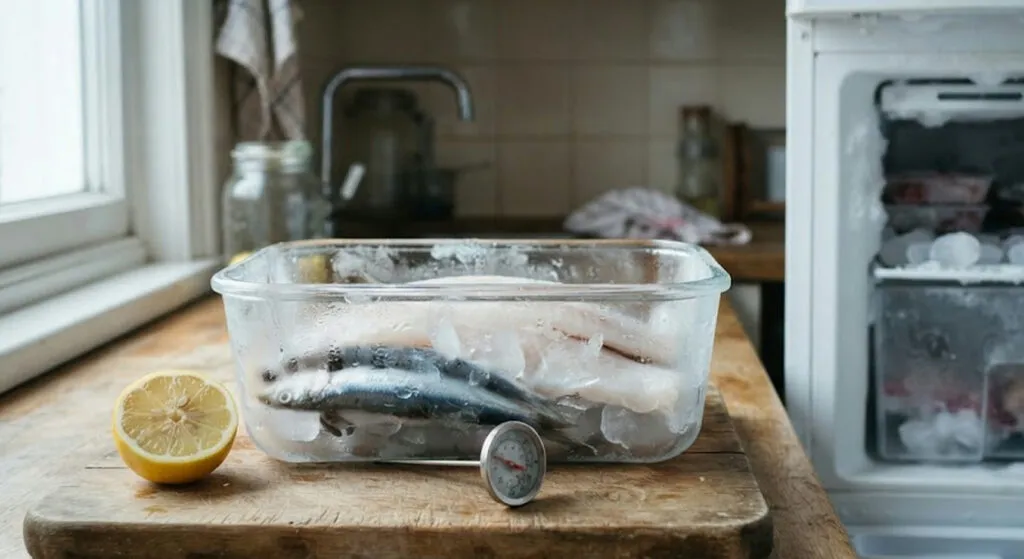
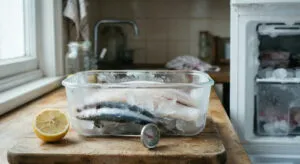
Anchovies in vinegar, tataki, tartare, ceviche. If you make them at home from fresh fish, vinegar, salt and lemon won't protect you from anisakis. This parasite lives in fish and in cephalopods - squid, octopus and cuttlefish - and only two things kill its larvae: enough heat or enough cold.
Live larvae can cause a digestive illness known as anisakiasis, as well as allergic reactions, sometimes severe ones. The risk lies mainly in raw fish and in preparation methods that don't destroy the parasite.
Heat: 60 degrees at the centre
Spain's food safety agency (AESAN) requires the whole piece, including the centre, to reach at least 60 °C for one minute. That applies to roasting, frying, grilling and boiling. A nicely seared crust doesn't mean the inside is hot enough. Tuna or bonito seared only on the outside, and tataki or salmon with a raw centre, are considered insufficiently cooked - and need to be frozen first, just like raw fish.
Cold: four days, but count five
For home conditions, AESAN specifies at least four days at -15 °C or lower. Because fish takes time to freeze all the way through, it's safer to count at least five days from the moment you put it in the freezer. And check your appliance: freezers with three or four stars reach around -18 °C, those with one or two don't. If you're not sure, buy fish that's already frozen. Write down the date, thaw it in the fridge and don't refreeze it.
Vinegar, salt and lemon don't kill the larvae. Homemade pickled anchovies, tartare, carpaccio, ceviche and home-dried or smoked fish all require fish that has been frozen first. Shop-bought ready-made versions are frozen by the producer. Because of anisakis there's no need to freeze oysters, clams, mussels, freshwater fish or semi-preserved anchovies - but that exemption applies to this parasite only.
Ask the fishmonger to clean and gut the fish, or do it as soon as you get home: after the fish dies, the larvae can move from the gut into the flesh. Don't rely on your eyes, because the larvae aren't always visible. Restaurants and bars serving raw or undercooked fish are required to freeze it in advance, with a stricter treatment than a home freezer can achieve.
Whether the fish comes from a market in Skopje or a stall on the seafront, there is one rule: raw means previously frozen. And one more important thing - removing the larvae doesn't rule out reactions in people who are already sensitised. Anyone with an anisakis allergy should stick to their specialist's advice.
The latest 10 news from this category
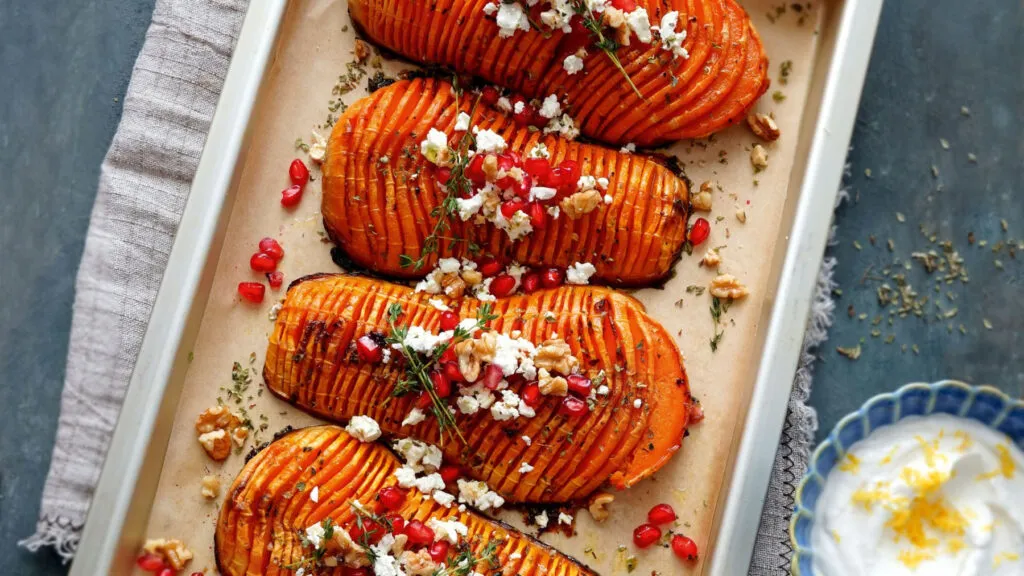
In Macedonia, pumpkin usually ends up in tikvenik, the filo pumpkin pie, or baked with sugar. Three recipes for four...
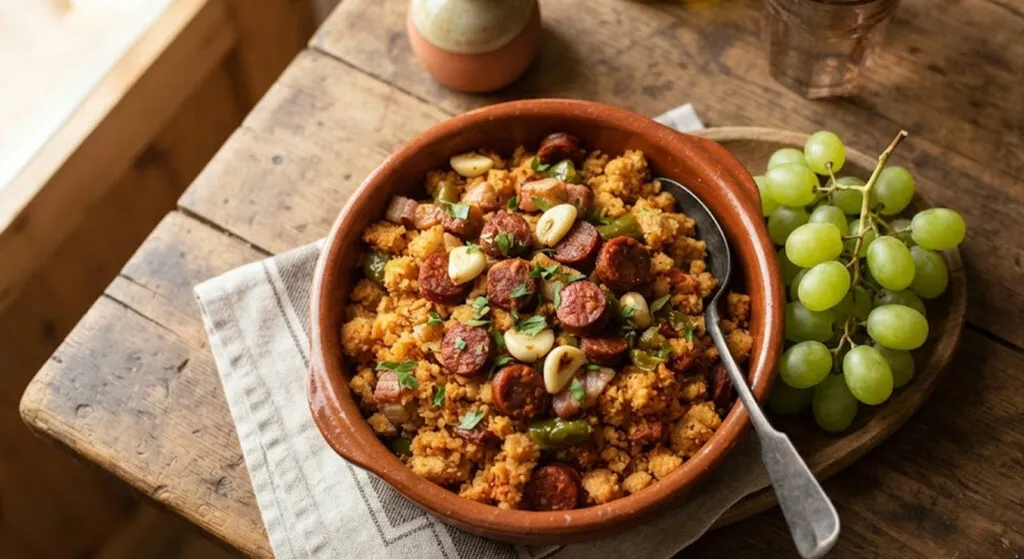
Aragonese cooking was made to feed shepherds and farmers, not to impress a jury. Yesterday's bread, lard, garlic and patience...
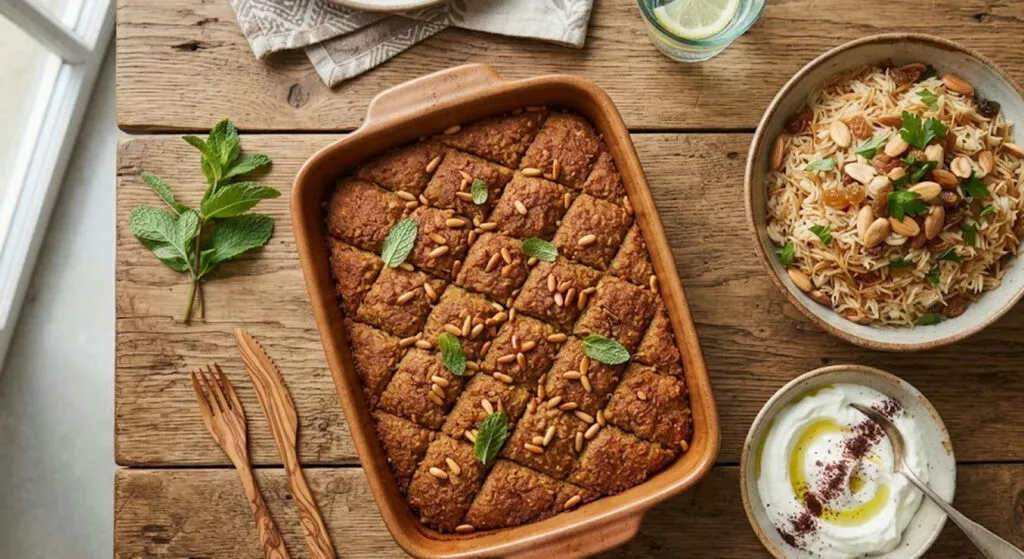
Her Madrid park for 55,000 people includes Lebanese food as a nod to the singer's heritage. The rice simmers for...
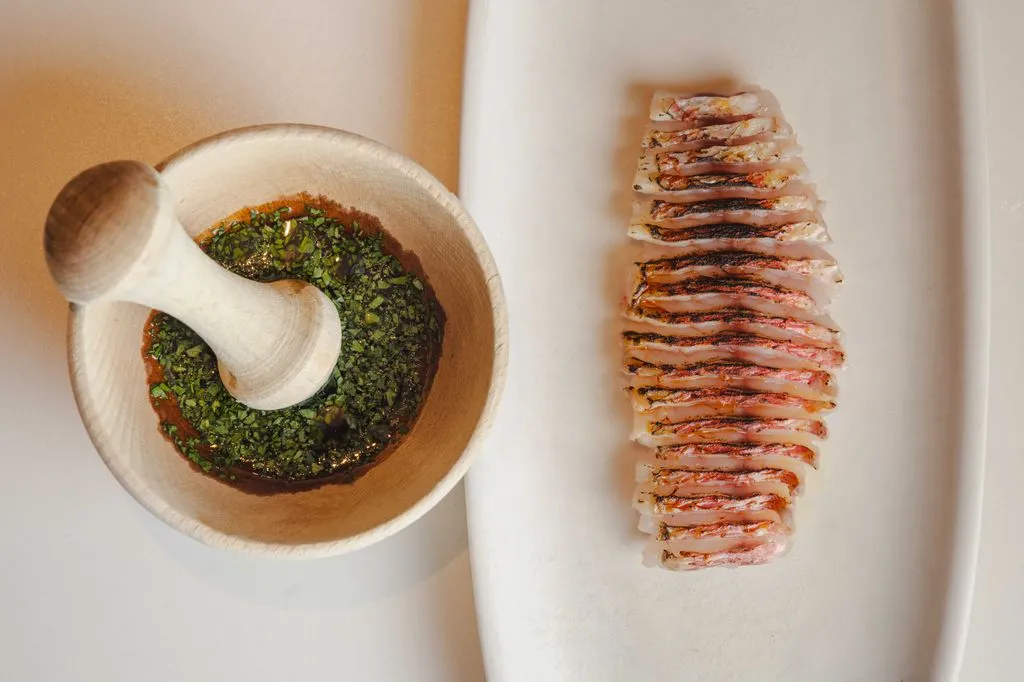
In an age of foam and smoke on the plate, an Andalusian with a star goes back to the stews...
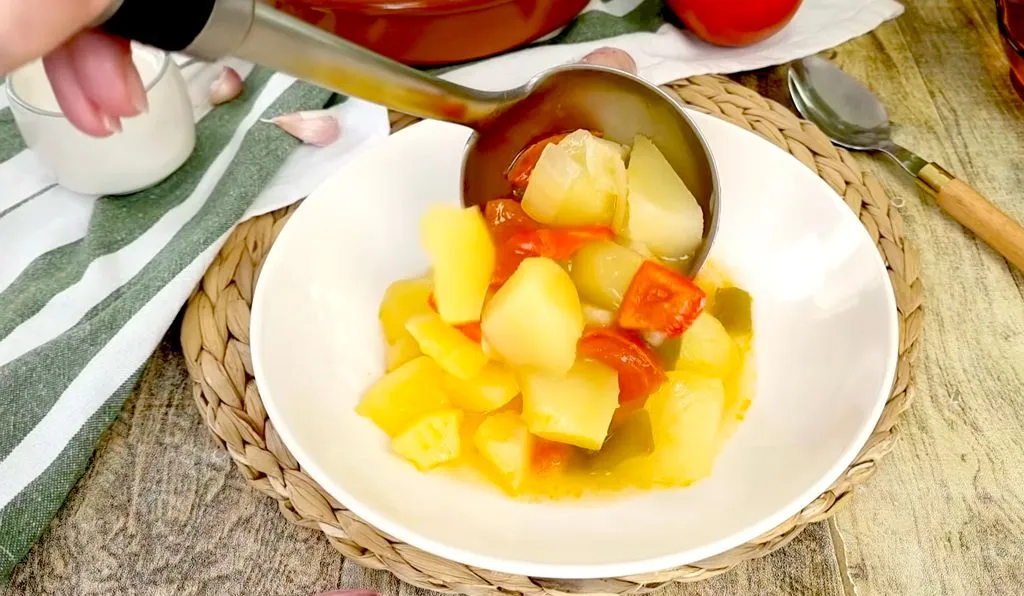
A dish born of ration coupons after the Spanish Civil War: potatoes, peppers, tomato, onion and garlic. The secret is...
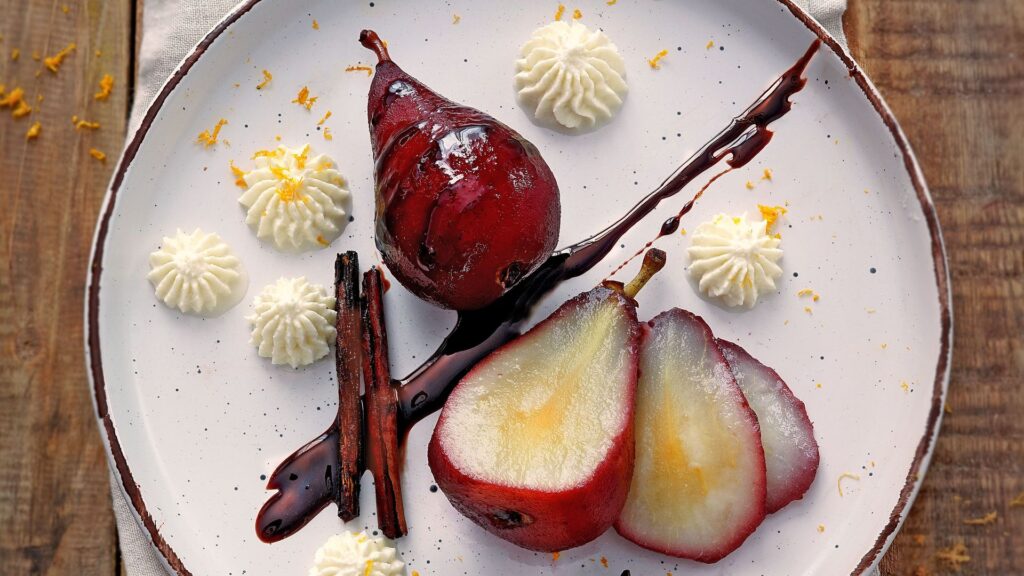
In our part of the world, pears mostly end up as compote or in a rakija still. Three ways to...
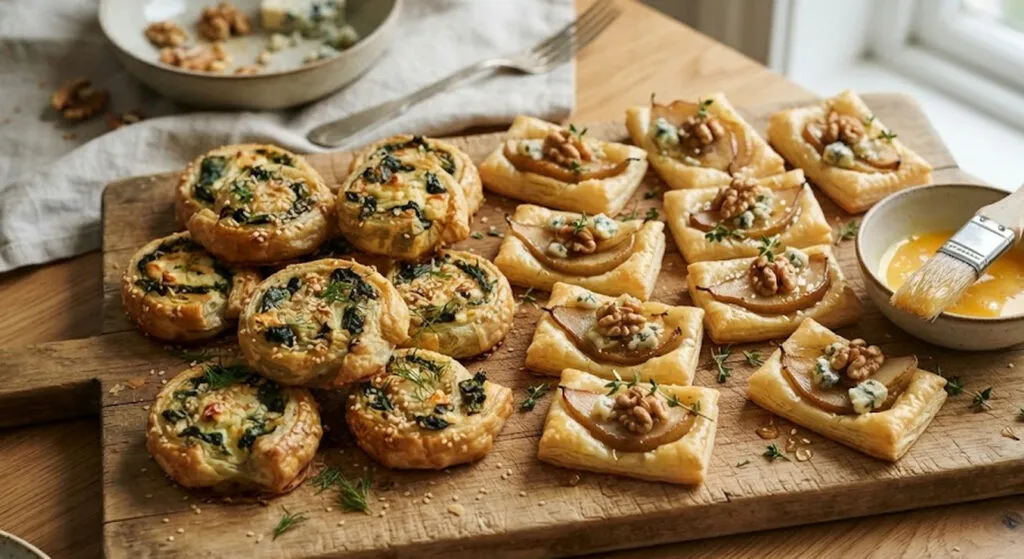
Legend has it that it was born from a French pastry cook's mistake around 1613. Today it's the fastest route...
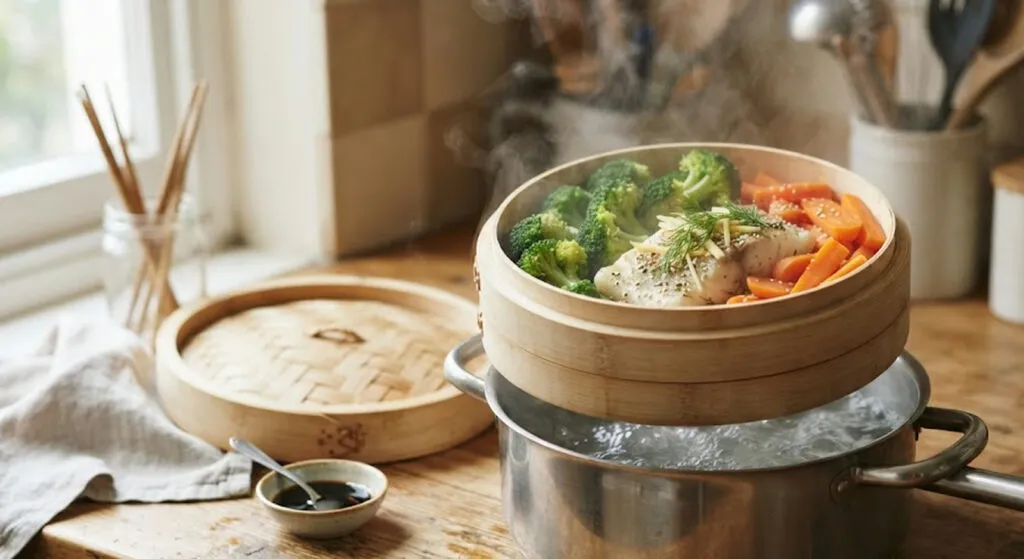
If "steamed" means bland hospital vegetables to you, the problem isn't the technique - it's the minutes. Here are the...
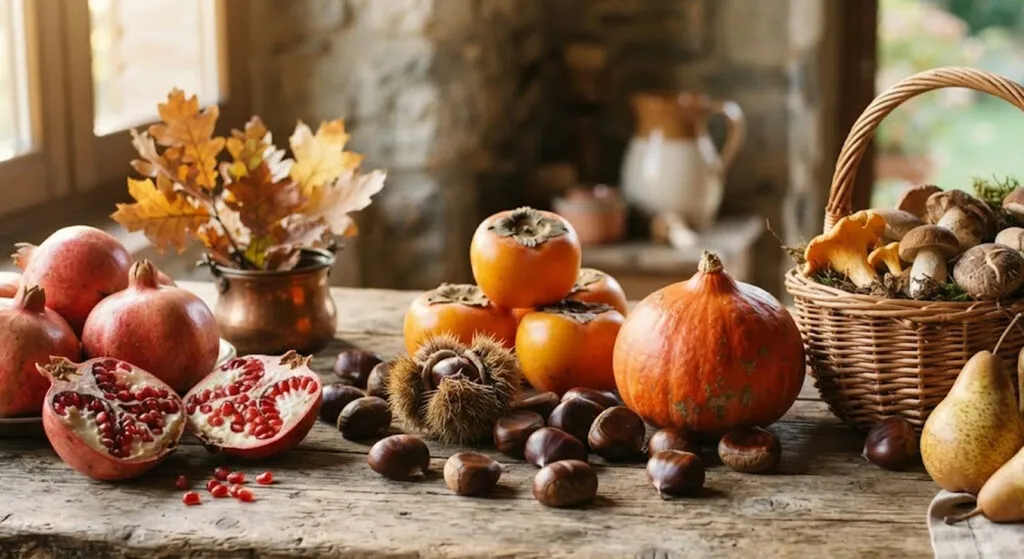
The markets are filling up with quinces and pumpkins, hunting season is opening, and after the first rains the mushrooms...

The world's fifth-best restaurant isn't closing because of empty tables, but to have time to think. The team's wages keep...
This site uses cookies - is that okay? Learn more
Be the first to know when Metla launches something new
Leave your email and we will write when there is a new guide or something new on Metla.


