

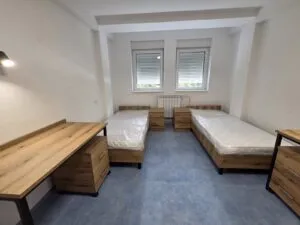
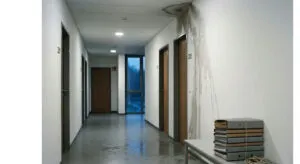
Stiv Naumov dorm renovated for around 10 million euros: a month later water runs through the walls and the ministry counts wet wipes
24.10.2026


24.10.2026
24.10.2026
24.10.2026

24.10.2026
24.10.2026

24.10.2026

23.10.2026

22.10.2026

22.10.2026

24.10.2026

24.10.2026

23.10.2026

24.10.2026

24.10.2026

24.10.2026

24.10.2026

23.10.2026

22.10.2026

24.10.2026

24.10.2026

24.10.2026

24.10.2026
23.10.2026
23.10.2026
24.10.2026
23.10.2026

23.10.2026
22.10.2026
20.10.2026
19.10.2026

23.04.2026

23.04.2026

12.04.2026


Volodymyr Zelensky has said no again. No withdrawal from the part of Donbas still under Ukrainian control, because - according to him - it wouldn't be the end of Russian demands, but the start of a new march. Speaking to Steven Bartlett, host of the podcast The Diary of a CEO, the Ukrainian president listed the cities the whole story revolves around: Sloviansk, Kramatorsk and Druzhkivka.
"They want the east. That means they want Sloviansk. Sloviansk, Kramatorsk and Druzhkivka are key, and from there you go straight into Dnipropetrovsk region, towards Pavlohrad and Dnipro," Zelensky said. He specifically mentioned Kryvyi Rih, his home town, and Nikopol, which he described as an important industrial, engineering and manufacturing centre.
The logic is military, not diplomatic. The rest of Donbas is defended by positions that have been prepared for years, and withdrawing would mean simply abandoning them. "That is very dangerous, because if we hand them that part, and that is where our country's heavily fortified defence is, the risk is huge. If Putin wants to continue, he could take a large number of our cities. That risk is real. Nobody guarantees anything," Zelensky said.
According to him, Moscow's appetite doesn't stop at Sloviansk and Kramatorsk - it extends to Zaporizhzhia, Kherson and Mykolaiv. That is why Kyiv refuses to withdraw without firm security guarantees. "Everyone talks about security guarantees and we are completely open to them. But they are asking us to withdraw even further. If we withdraw, where are the guarantees then? Besides, it's unfair," he said. Moscow, for its part, insists that the Ukrainian army leave Donbas and presents this as one of the basic conditions for lasting peace.
Here comes the seemingly contradictory part. On 21 October, in an interview with Fox News, Zelensky confirmed he is ready to accept a freeze of the conflict on the current line of contact. "We have to freeze the situation now. I think that is a realistic way for this war to end. Call it a ceasefire or stopping the killing, as President Trump says," he said. So: stop where the armies stand today - yes. Handing over more territory - no. After a truce, Kyiv would seek long-term security guarantees from the US and European partners.
Some media report that the demand for a full withdrawal from Donbas has been dropped from the latest version of the American peace plan, and that the proposal envisages a ceasefire along the current front line, without Kyiv formally recognising Russian sovereignty over the territory Moscow has seized. But the final content of the plan has not been published, and Russia has not said it is giving up its territorial demands. A plan everyone talks about and nobody has seen - a classic of the genre.
Diplomacy, meanwhile, is travelling. US special envoy Steve Witkoff met Vladimir Putin in St Petersburg on 21 October, after talks with Zelensky and European representatives in Oslo. At the almost three-hour meeting, he presented new American proposals, including security guarantees for Ukraine. Putin's foreign policy adviser, Yuri Ushakov, said Russia is in principle ready to continue three-way negotiations around 10 November, possibly in Abu Dhabi.
The question for Kyiv isn't just whether there will be a ceasefire, but whether the line where the front stops will be the end of the war or just a pause before the next attack. How many "temporary" lines in the Balkans stayed permanent long after everyone forgot they were meant to be temporary? Zelensky said it out loud: "Nobody guarantees anything." Will anyone in Abu Dhabi try to prove him wrong?
The latest 10 news from this category
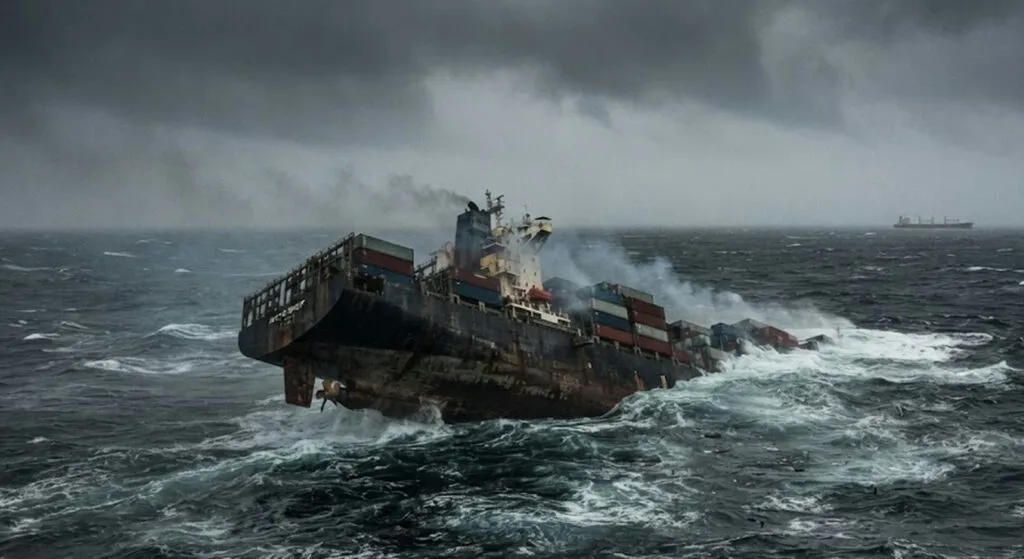
One dead, three missing, and no official cause. Before it, in October alone, drones attacked at least seven cargo ships...

Security guarantees and ten years of funding for the army - that's Kyiv's price. Putin, meanwhile, doesn't want a short-lived...

Seven sailors went missing after a drone attack on a tanker off the Romanian coast, and the union says there's...

Ukraine has revealed details of the secret offensive near Lyman: 277 square kilometres and 16 villages, but also more than...

An empty tanker, a distress call at seven in the morning and seven missing, among them a Croatian officer. Off...

Storing dangerous pathogens doesn't by itself prove biological weapons. But at the UN, "the documents show" is often enough for...
Patriot missiles at 12 a month, Starshield restricted, and now advice from the allies: don't anger Washington. Ukraine is heading...
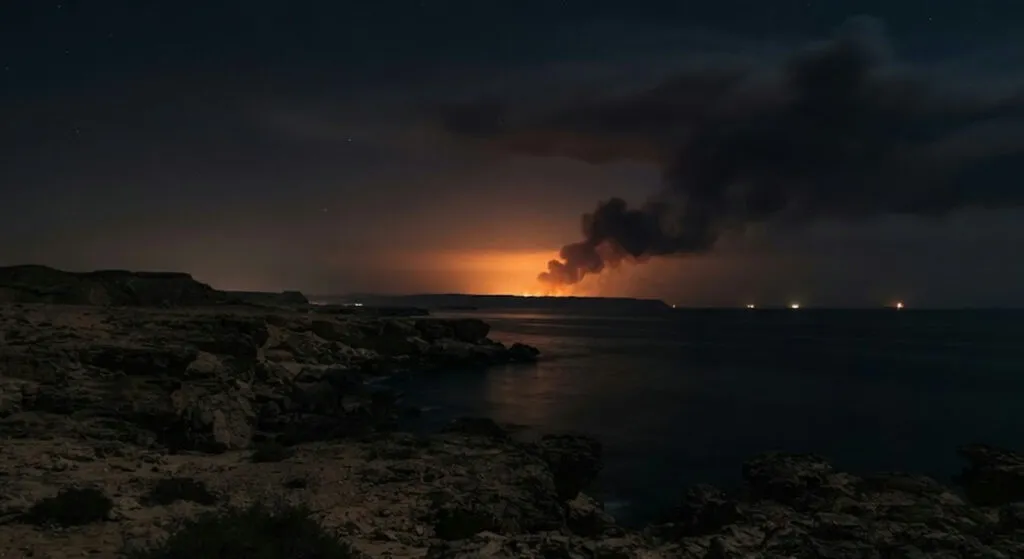
For months Washington was bringing people back to its embassies, now some of them are packing their suitcases again. The...
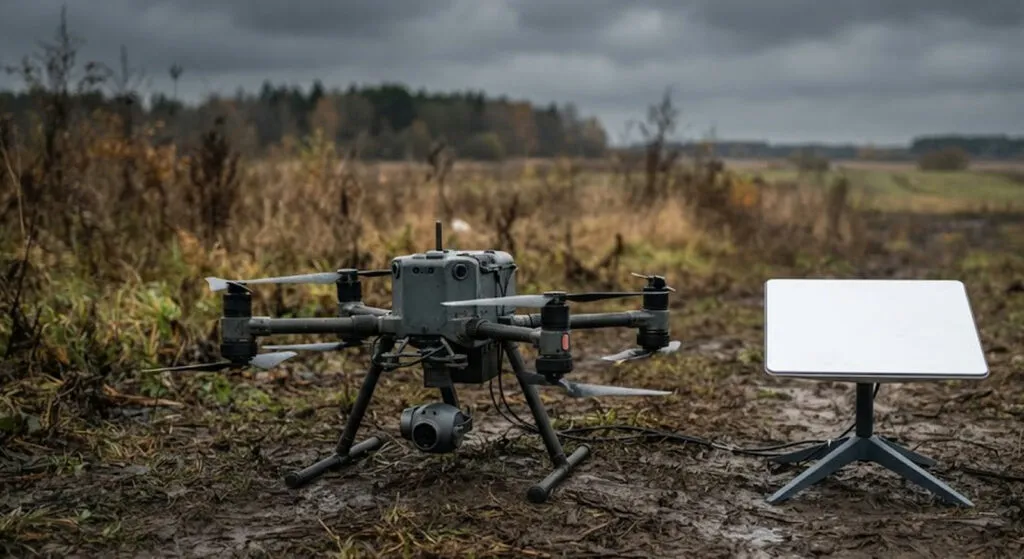
One billionaire's decision, and Ukrainian drones lose their link mid-flight. When a war depends on someone else's satellite, who is...
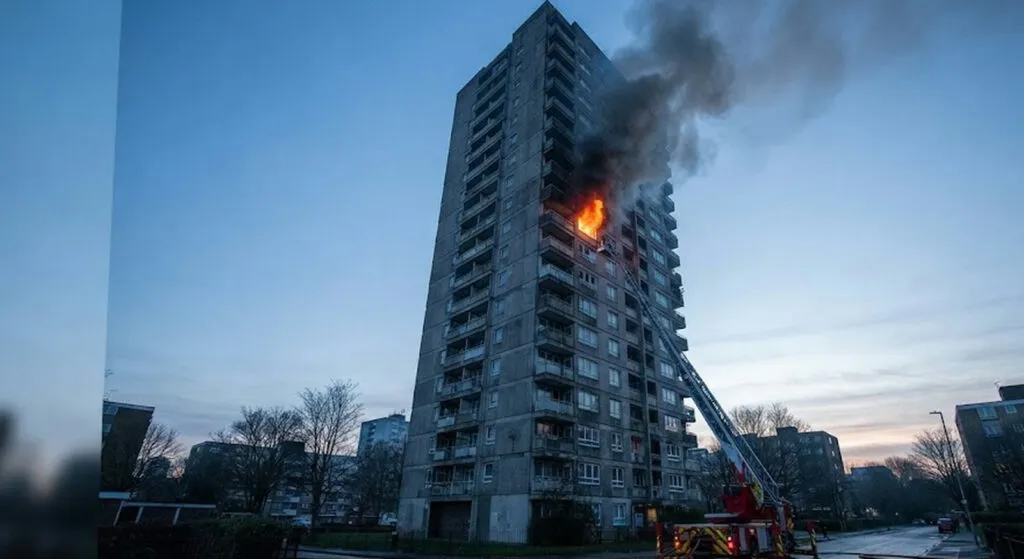
At seven in the morning a drone slammed into a flat on the twentieth floor and two people were killed....
This site uses cookies - is that okay? Learn more
Be the first to know when Metla launches something new
Leave your email and we will write when there is a new guide or something new on Metla.


