


Bear cub killed on the Skopje-Tetovo motorway: the fence is a legal obligation, while the rescue team exists only in a Viber group
25.10.2026


25.10.2026

25.10.2026

25.10.2026

25.10.2026

25.10.2026
25.10.2026

25.10.2026

25.10.2026

25.10.2026

25.10.2026

25.10.2026

24.10.2026

25.10.2026

25.10.2026

25.10.2026

25.10.2026

24.10.2026

23.10.2026

25.10.2026

25.10.2026

25.10.2026

25.10.2026

25.10.2026

25.10.2026

25.10.2026

25.10.2026

24.10.2026

24.10.2026

22.10.2026

20.10.2026

23.04.2026

23.04.2026

12.04.2026


The chemical tanker Vine Trader, flying the flag of San Marino, was hit by drones on October 15, about 13 nautical miles south-east of the Romanian town of Sulina, near the border with Ukraine. There were 12 crew members on board: two Croatians, one citizen of Bosnia and Herzegovina and nine from Benin. Five were rescued. Seven went missing - one Croatian and six from Benin.
The search has been called off. Neven Melvan, general secretary of the Seafarers' Union of Croatia, said there is almost no hope of finding the missing. The rescue operation began immediately after the attack but was hampered by very bad weather at sea. The second Croatian suffered superficial burns, was kept in hospital, then discharged and put up in a hotel, Croatia's Ministry of Foreign and European Affairs confirmed.
"People are dying in the European Union too"
Through the International Transport Workers' Federation (ITF), the union is now demanding that the part of the Black Sea off Romania and Bulgaria be officially declared a war zone. "People are dying in the European Union too," Melvan warned. The logic is simple and brutal: with war-zone status, sailors gain the right to refuse to sail through those waters, with all the protections they're entitled to when working in a war.
That's where the problem starts. Melvan himself admits it remains to be seen whether there will be enough political will, because these are waters off EU member states. In other words - someone has to say out loud that the war has reached the Union's shore. How many governments will want to put their name to that sentence?
Seven ships in two weeks
The Vine Trader isn't an isolated case. On October 13 alone, two merchant ships were hit off the Bulgarian coast: Malta's Chelsea 3 was struck by three drones and its 15 crew members were rescued, while HS Dignity, flying the flag of Guinea-Bissau, sank, with 11 of its crew reported missing. According to Bulgarian data, four ships were attacked in Bulgaria's exclusive economic zone in one month, two of which sank. In the last two weeks at least seven vessels have been hit off the coasts of the two NATO members, and at least 30 sailors have been killed or gone missing.
The response so far is military, not legal. Romanian F-16s shot down two Russian drones over Romanian territorial waters on October 17. On October 20 NATO announced additional patrol aircraft, radars, drones and explosive ordnance experts for the region, and a US P-8A Poseidon reconnaissance plane is already flying out of Bulgaria's Varna. Bulgaria has asked the Alliance for fighter jets, missile systems and counter-drone protection, and Bucharest has announced closer cooperation with Bulgaria and Turkey.
And one more uncomfortable detail: NATO hasn't officially attributed all the attacks to Russia, nor has it been established where the drones that hit the Vine Trader came from. Bulgarian authorities speak of "serious indications" of Russian responsibility but admit they have no conclusive proof. Moscow has not claimed responsibility. So the ships are sinking, the sailors are disappearing, and officially - nobody fired a shot.
The Balkans know this scene: a war that officially doesn't exist until it knocks on someone's door. The Croatian union is at least asking for something concrete - for a sailor to have the right to say "no." The question is whether that right comes before the next ship goes down, or after it.
The latest 10 news from this category

Trump says Zelensky is a harder partner than Putin. Behind the scenes, American intelligence is sending Kyiv strike data and...
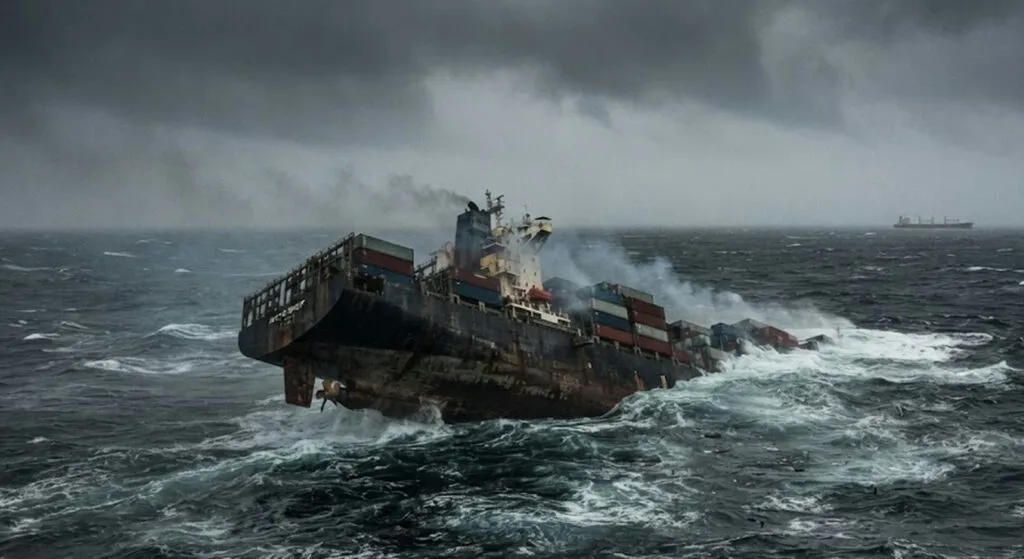
One dead, three missing, and no official cause. Before it, in October alone, drones attacked at least seven cargo ships...

Security guarantees and ten years of funding for the army - that's Kyiv's price. Putin, meanwhile, doesn't want a short-lived...

Ukraine has revealed details of the secret offensive near Lyman: 277 square kilometres and 16 villages, but also more than...

An empty tanker, a distress call at seven in the morning and seven missing, among them a Croatian officer. Off...

Kyiv is ready to freeze the war on the current line, but not to abandon positions it spent years preparing....

Storing dangerous pathogens doesn't by itself prove biological weapons. But at the UN, "the documents show" is often enough for...

Patriot missiles at 12 a month, Starshield restricted, and now advice from the allies: don't anger Washington. Ukraine is heading...
For months Washington was bringing people back to its embassies, now some of them are packing their suitcases again. The...
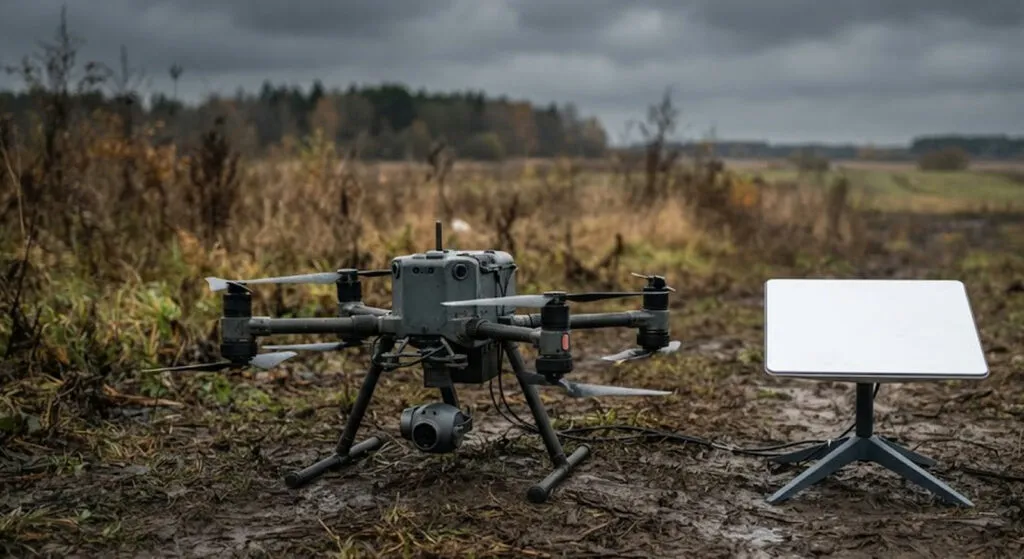
One billionaire's decision, and Ukrainian drones lose their link mid-flight. When a war depends on someone else's satellite, who is...
This site uses cookies - is that okay? Learn more
Be the first to know when Metla launches something new
Leave your email and we will write when there is a new guide or something new on Metla.


