


Stiv Naumov dorm renovated for around 10 million euros: a month later water runs through the walls and the ministry counts wet wipes
24.10.2026


24.10.2026

24.10.2026

24.10.2026

24.10.2026
24.10.2026

24.10.2026

23.10.2026

22.10.2026

22.10.2026

24.10.2026

24.10.2026

23.10.2026

24.10.2026

24.10.2026

24.10.2026

24.10.2026

23.10.2026

22.10.2026

24.10.2026

24.10.2026

24.10.2026

24.10.2026

23.10.2026
23.10.2026

24.10.2026

23.10.2026

23.10.2026
22.10.2026
20.10.2026

19.10.2026

23.04.2026

23.04.2026

12.04.2026


If you thought drones had killed off the classic infantry offensive, Ukraine's Operation "Vivaldi" says otherwise. The secret and still active offensive in the Lyman sector, in the north of Donetsk region, has for the first time been described by the commanders themselves. By 14 October, brigades of the Third Army Corps had liberated 277 square kilometres and 16 villages.
On a map, the number looks modest. The price shows in the details. The village of Shandryholove covers just 0.17 square kilometres, and it took the Ukrainians more than a month to liberate it. "The enemy mined the area unusually densely, because it realised it couldn't stop us any other way," said battalion commander Serhiy Halchenko, known as "Psycho".
Anti-personnel mines, according to Halchenko, account for 80 percent of the losses. He did not reveal the total number of Ukrainian casualties. The Balkans know how long the ground keeps its mines after a war ends: Bosnia and Croatia are still clearing them three decades later. How many generations will be pulling mines out of the fields of Donbas?
Four hours among the drones
Oleksandr, a 37-year-old soldier known as "the Marine", was in the first group to enter the village. Three soldiers had cleared one building and were approaching the church when a Russian FPV drone probably spotted them. A whole swarm followed. For about four hours they ran zigzag through the ruins, sticking to the concrete paths so as not to step on a mine. All three survived, with shrapnel wounds and concussions. "Honestly, I was sure we wouldn't survive," he said.
The tactic was silence and encirclement. Instead of a frontal assault, the infantry advanced through the forest belts to cut off the Russian soldiers in the villages. Soldiers in pairs slipped up to five kilometres deep behind Russian lines. Some days they covered two kilometres, and sometimes it took them four days to cover 200 metres. A commander nicknamed "Judo" admits that in 30 to 40 percent of cases the drones spotted them anyway.
The hardest scenes come from the evacuations. A soldier dragging a wounded comrade on a stretcher stepped on a mine and killed the man he was trying to save. A seriously wounded soldier, loaded onto a ground drone so that no other lives would be risked, made it 1,500 metres from the front before a Russian drone hit him. At one point, six Ukrainian soldiers were attacked by 35 fibre-optic FPV drones and 12 "Molniya" drones. One was killed, five were wounded.
Numbers nobody has checked
The Third Army Corps claims the Russians lost around 8,000 men and that more than 250 were taken prisoner. Andriy Biletsky, who heads the corps, spoke at a briefing of a loss ratio of one to seven in Ukraine's favour. None of these figures has been independently confirmed, and that should be said just as loudly as when we read Russian statements. The war is fought on the ground, but also in the presentations.
Biletsky announced the end of the fourth phase with the line: "The four seasons of 'Vivaldi' are over, but the music goes on." The commanders expect the pace of operations to slow. But if "Vivaldi" has shown anything, it is that even in a war saturated with drones, ground is still taken step by step - and under many of those steps, a mine is waiting.
The latest 10 news from this category
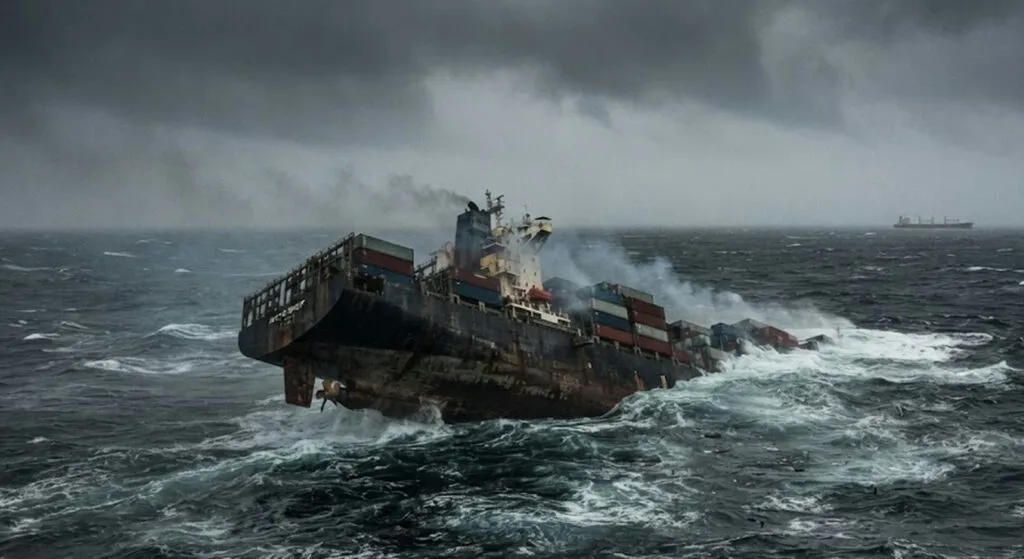
One dead, three missing, and no official cause. Before it, in October alone, drones attacked at least seven cargo ships...

Security guarantees and ten years of funding for the army - that's Kyiv's price. Putin, meanwhile, doesn't want a short-lived...

Seven sailors went missing after a drone attack on a tanker off the Romanian coast, and the union says there's...

An empty tanker, a distress call at seven in the morning and seven missing, among them a Croatian officer. Off...

Kyiv is ready to freeze the war on the current line, but not to abandon positions it spent years preparing....

Storing dangerous pathogens doesn't by itself prove biological weapons. But at the UN, "the documents show" is often enough for...

Patriot missiles at 12 a month, Starshield restricted, and now advice from the allies: don't anger Washington. Ukraine is heading...
For months Washington was bringing people back to its embassies, now some of them are packing their suitcases again. The...
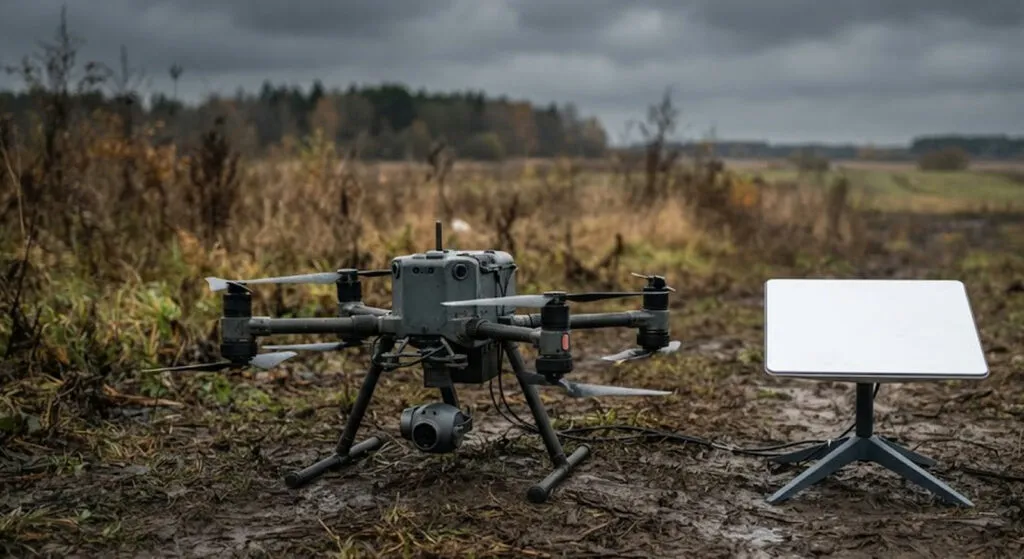
One billionaire's decision, and Ukrainian drones lose their link mid-flight. When a war depends on someone else's satellite, who is...
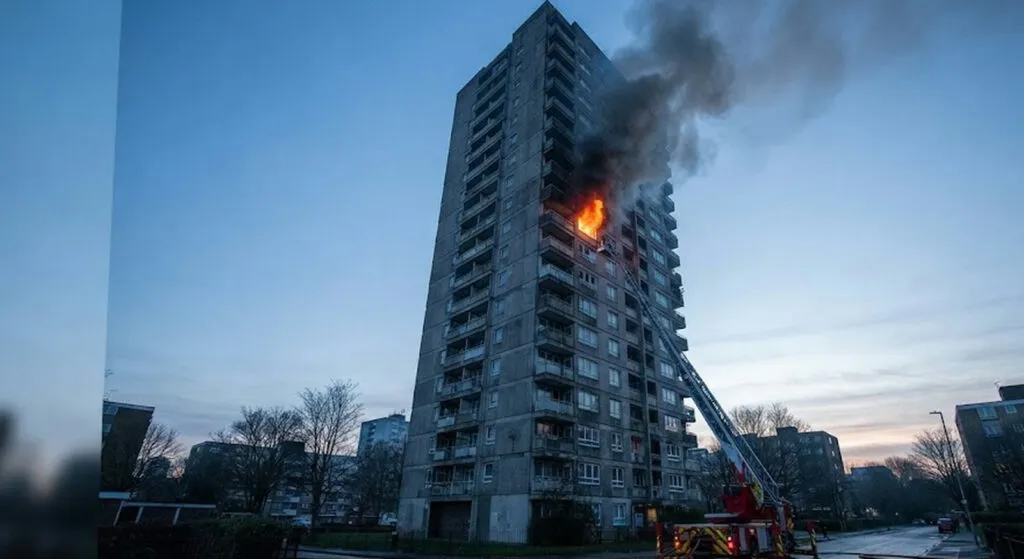
At seven in the morning a drone slammed into a flat on the twentieth floor and two people were killed....
This site uses cookies - is that okay? Learn more
Be the first to know when Metla launches something new
Leave your email and we will write when there is a new guide or something new on Metla.


