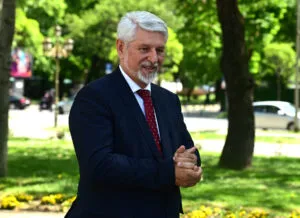
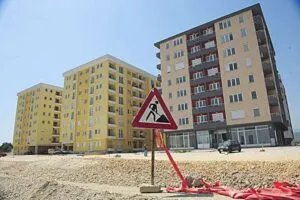
A New Criminal Complaint Against Jakimovski: A Building Permit Based on a Plan Struck Down Back in 2018
16.09.2026


16.09.2026

16.09.2026

16.09.2026

16.09.2026
16.09.2026

16.09.2026

16.09.2026

15.09.2026

14.09.2026

16.09.2026

16.09.2026

15.09.2026

16.09.2026

15.09.2026

14.09.2026

16.09.2026

16.09.2026

16.09.2026

16.09.2026

15.09.2026
15.09.2026

09.03.2026

27.02.2026

19.02.2026

16.09.2026

15.09.2026

14.09.2026

23.04.2026

23.04.2026

12.04.2026

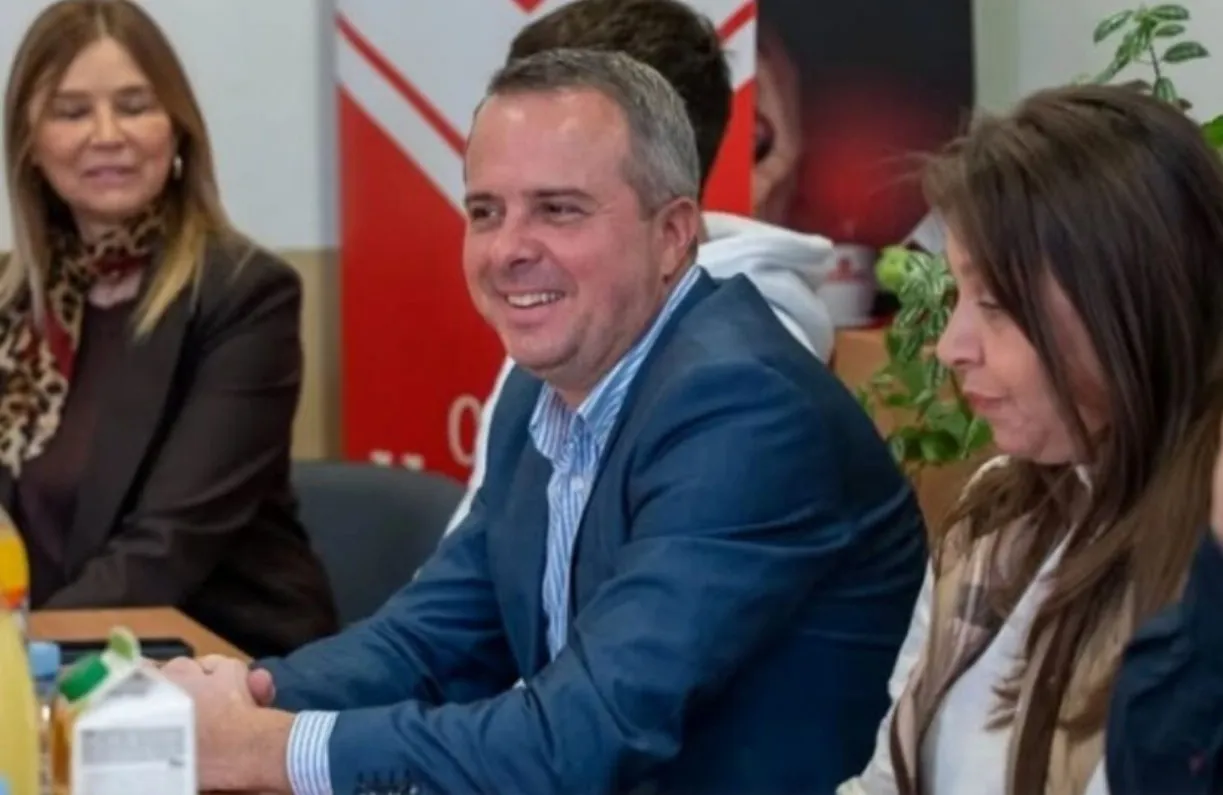
The Centar municipality has increased its financial support for newborns. From January 2026, every baby born to parents with residence in Centar receives a one-off payment of 10,000 denars - up from the previous 7,000 denars. That is a 43 percent rise, funded through this year's budget.
The total support fund for 2026 stands at around 4 million denars. From January until now, approximately 696,681 denars have been paid out to a few dozen families. Simple arithmetic - that averages 10,000 denars per baby, and if the pace holds, more than 50 new births in the municipality will be processed by year's end. For a central municipality, that is a respectable rhythm.
To claim the support, parents must submit: a birth certificate extract, a valid ID card showing Centar residence, and a copy of their bank account details. The paperwork isn't overwhelming - but for first-timers, in the first 2-3 months after birth, every extra document can feel like a mountain.
What's really behind this move? Demographics. Macedonia has one of the lowest birth rates in Europe. Central Skopje municipalities, with their higher cost of living, take the hardest hit. A 10,000-denar handout won't solve the demographic crisis - but it is a political signal that the municipality is looking at families.
Mayor Goran Gerasimovski has announced this is part of a wider package Centar is planning for families - including a new kindergarten near the Clinical Centre. The second point is arguably the more important one. Every baby gets the cash. A spot in kindergarten - not so much. And that is the real problem for families in Centar: there's money, but nowhere to leave the child when you have to go to work.
The municipality has also raised the one-off payment to pensioners to 5,000 denars. A smaller but symbolic move - it shows the municipality isn't only courting „future voters" (young families), but also older citizens, who make up the bulk of the population in central municipalities.
At the local level, this is good practice. Macedonian municipalities often fail to use their budgets efficiently - a large chunk goes on „administrative needs" instead of direct benefit to citizens. Centar is showing it can be done differently, even with limited resources. The question is whether other municipalities will follow suit, or whether this stays a local quirk of one of the wealthiest municipalities in the country.
The latest 10 news from this category

The World Bank dropped out over misalignment with EU requirements. Construction will take two and a half years, and the...

Of 9,500 square metres of greenery, 268 remain. Terrain with an 80-metre height difference, no erosion study and no opinion...
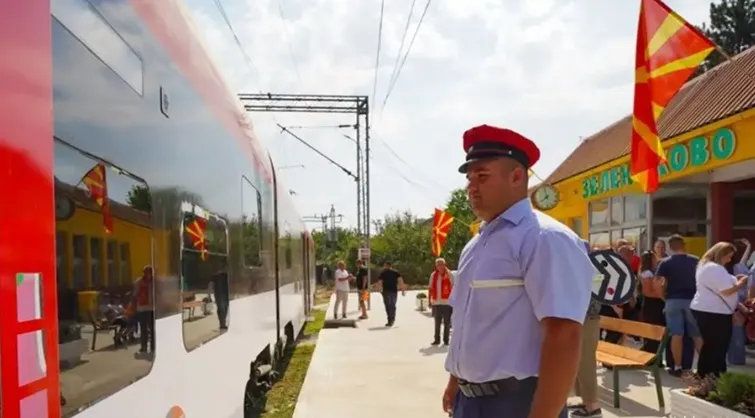
Gjorgjievski says the system should be ready by the middle of next year. The BRT tender is announced for the...
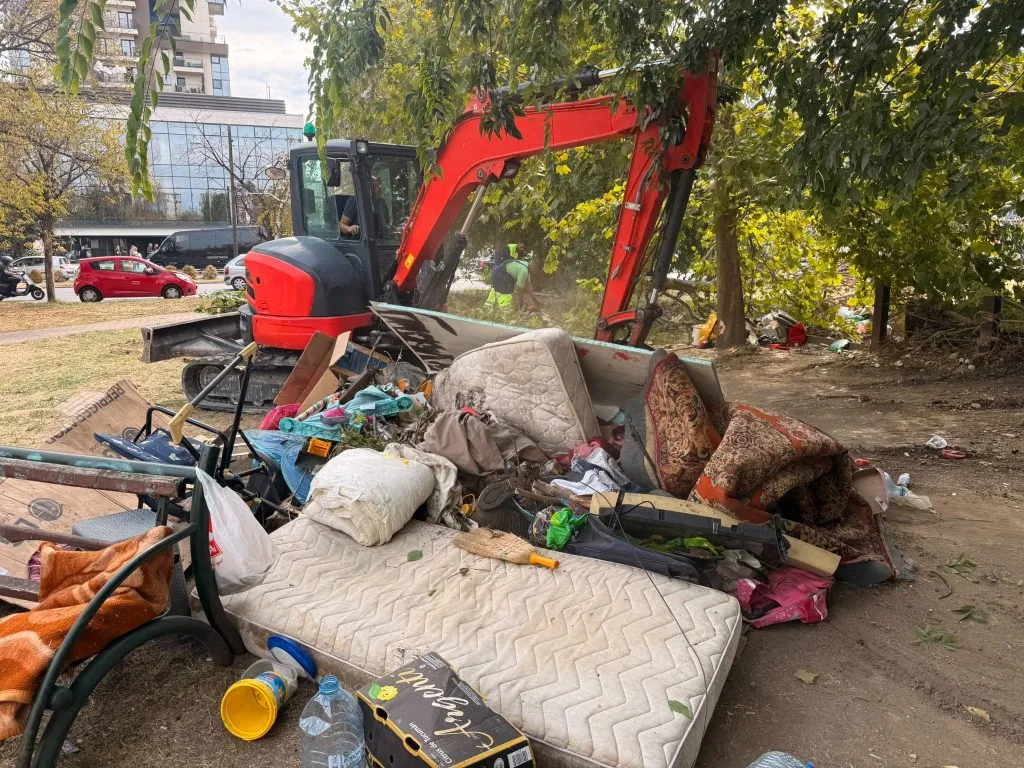
The second operation at the same site within a year. Gerasimovski himself is appealing to the Labour Ministry - because...
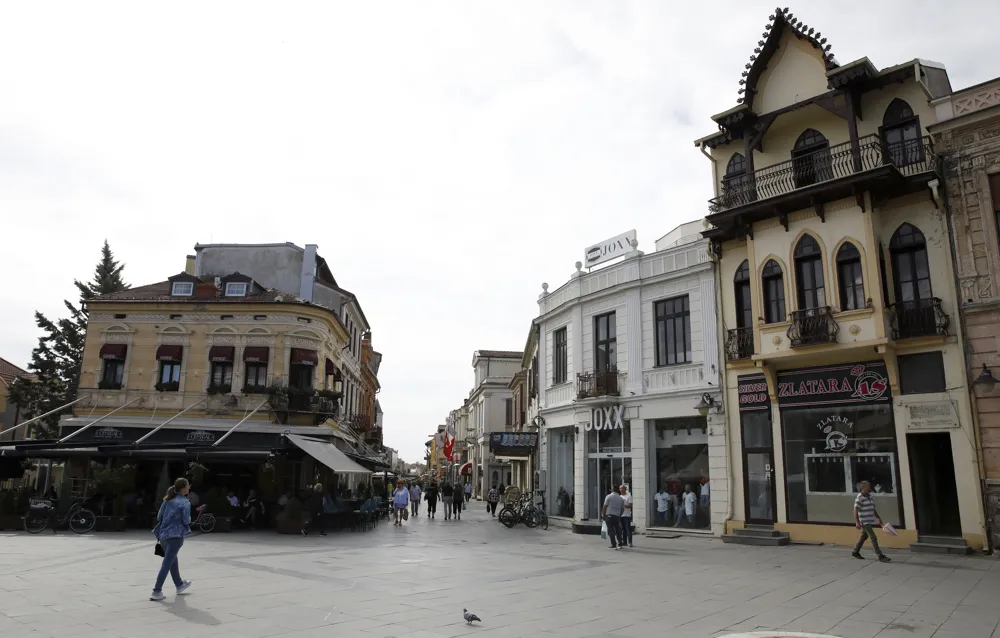
A prosumer scheme, a solar oven and electricity generated by bicycle on Magnolija square. The city that has paid the...
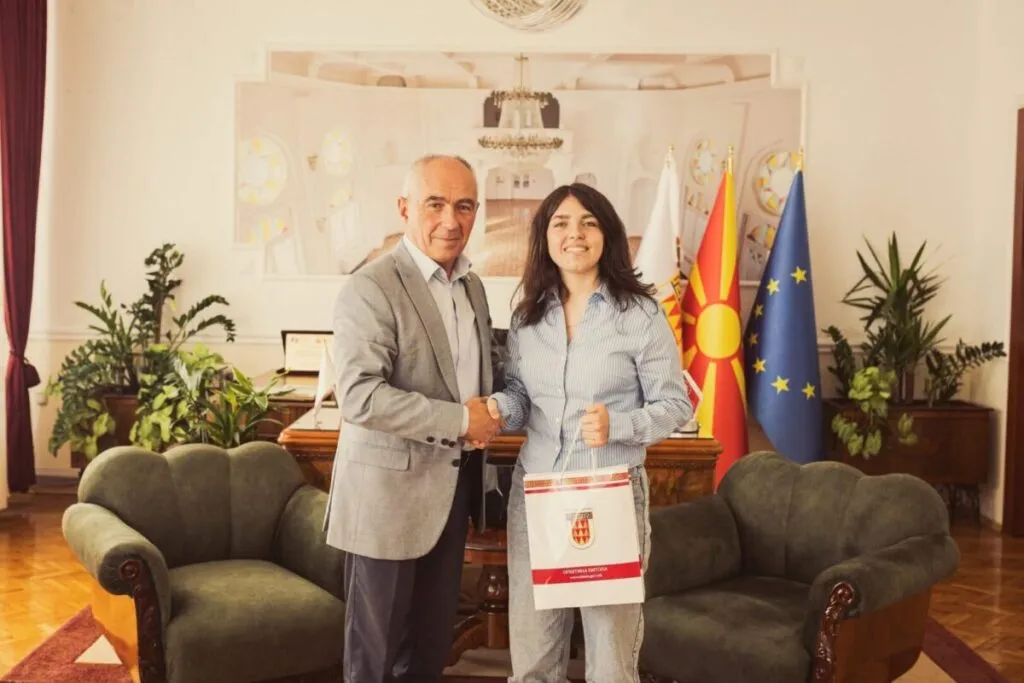
Stefanija Dimovska won two medals at IESO 2026, working in mixed international teams. Before that she was also national champion...
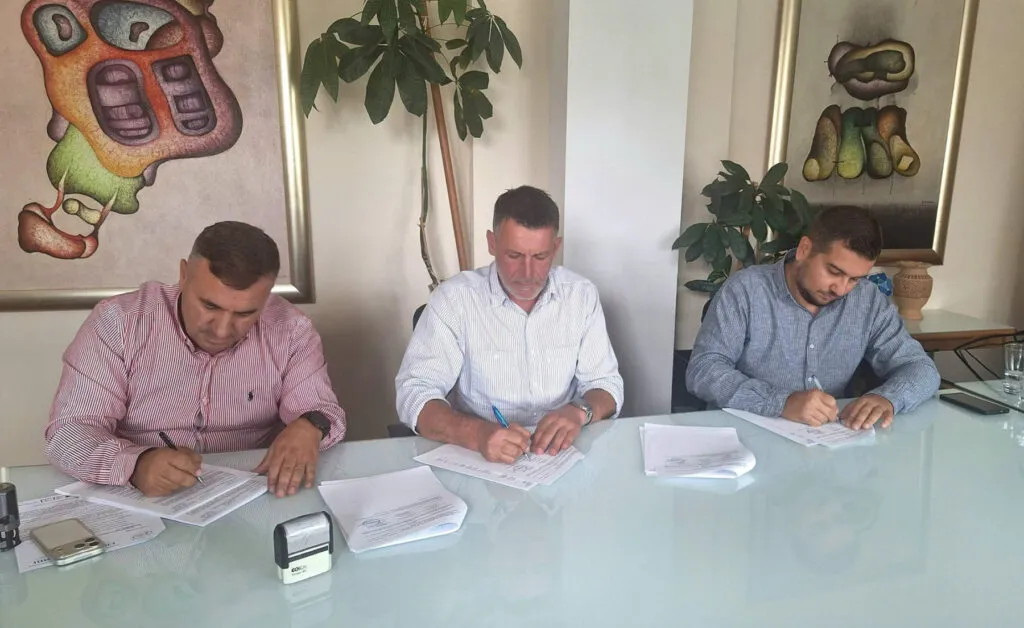
Out of nearly 4.7 million denars, the municipality is putting in around 180,000. The rest comes through the Bureau for...

Ten years working inside the health system - and she still had to pull strings to be admitted. The clinic...
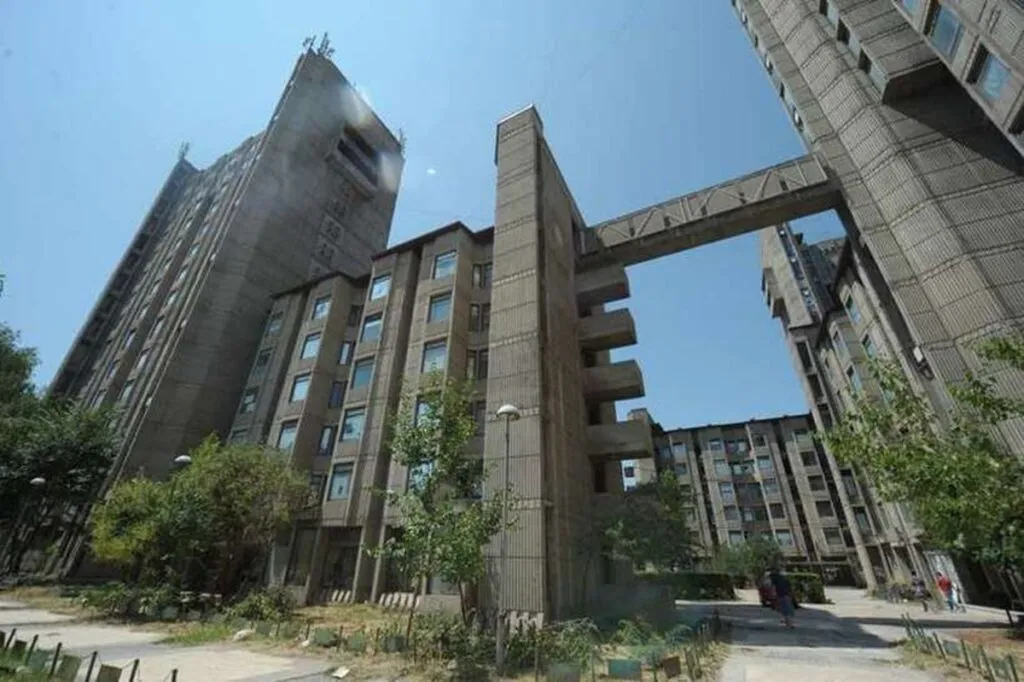
Appeals run from 15 to 25 September. There is not enough space at Goce Delčev, so students go to Stiv...
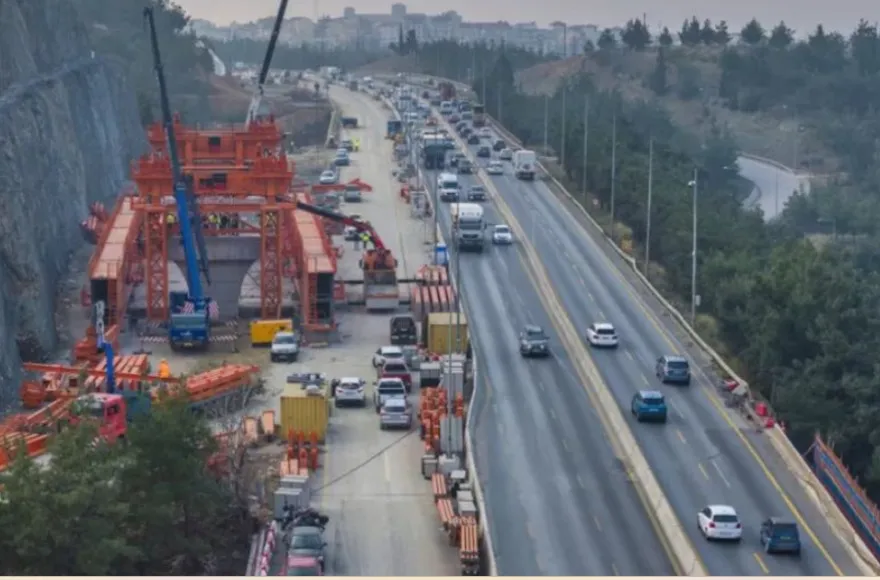
From 23:00 to 05:00 there is no getting through towards Evzoni. Towards Halkidiki - business as usual. Those heading on...
This site uses cookies - is that okay? Learn more
Be the first to know when Metla launches something new
Leave your email and we will write when there is a new guide or something new on Metla.