Three of Four Sensors Were Dead: Skopje's Vodno Cable Car Ran Fifteen Years Without a Real Service
17.09.2026


17.09.2026

17.09.2026
17.09.2026

17.09.2026

17.09.2026

17.09.2026

17.09.2026

16.09.2026

15.09.2026

17.09.2026

17.09.2026

16.09.2026
17.09.2026

17.09.2026

17.09.2026
17.09.2026

16.09.2026

15.09.2026

17.09.2026

17.09.2026
17.09.2026

17.09.2026

17.09.2026

17.09.2026

09.03.2026

27.02.2026

19.02.2026

23.04.2026

23.04.2026

12.04.2026

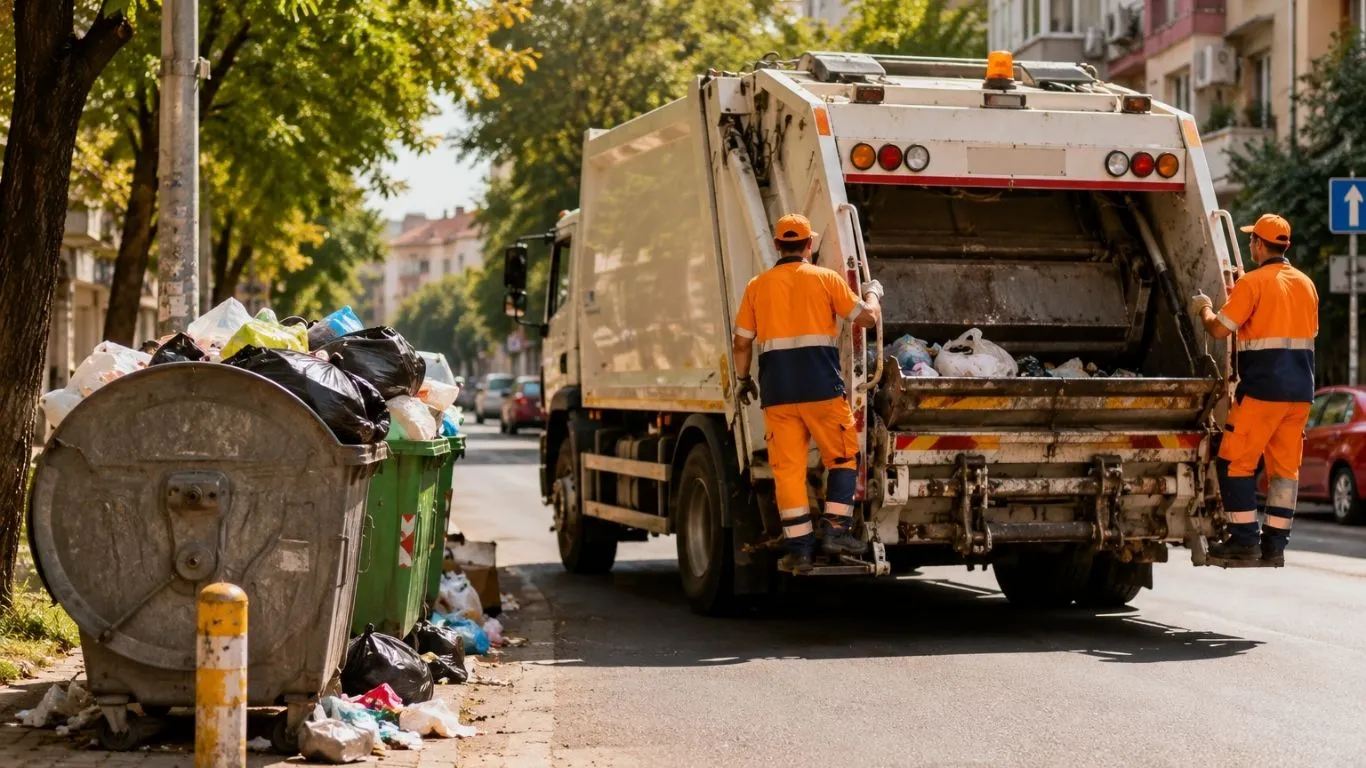
Skopje's mayor Orce Gjorgjievski has announced that in the next 10-15 days, around 40 new trucks for waste collection will arrive, along with 2,600 new containers. It is a logistical answer to one of the biggest problems the city faces - the waste management system simply doesn't work.
„When I became mayor we had 16 trucks at our disposal, now that number is approximately 60”, Gjorgjievski says. A four-fold increase in the fleet sounds impressive. Except the number of vehicles is not the only problem. In February 2026, Skopje had around 11,000 tonnes of improperly dumped waste - bags that never made it to containers, containers that overflowed, rubbish thrown on the ground or into streams.
The point is: even if you have 100 trucks, if citizens don't follow the rules on separation and pickup times, the problem doesn't go away. That is a behavioural issue, not just a logistical one. And no tender fixes it.
Another core problem: the schedule. A large share of Skopje's houses and apartment buildings have no clear idea when a truck is coming. Schedules change without warning, containers stay full for two or three days, and it isn't unusual for residents to leave bags on the pavement because they had only a day or two to get rid of the waste. The system is run as if this were a big city in the 19th century, not the 21st.
The context you cannot ignore: Skopje is preparing to be European Capital of Culture in 2028. That means tourists, media, diplomats. Every one of them will see the bin bags piled outside the Cathedral, the overflowing containers in Debar Maalo, and the animals living off rubbish in Aerodrom. The branding of a tourist destination won't survive if this isn't sorted.
Buying 40 trucks and 2,600 containers is a decent first step. A one-off cost of several million euros. But the equipment is not the key. The key is: a) a systematic schedule that is actually followed; b) educating citizens about waste separation; c) penalties for those who break the rules; and d) transparency in how public services operate.
For now, we have two out of four. Equipment - yes. The stated intent for a systematic approach - allegedly. Education and penalties - not yet. And most important - citizens' trust that the city will actually keep its promises - that trust has been ground down for decades by the brute force of political campaigns. Gjorgjievski has a chance to win it back. Whether he does depends not only on him, but on whether the city's institutions can actually deliver a plan without party games.
The latest 10 news from this category
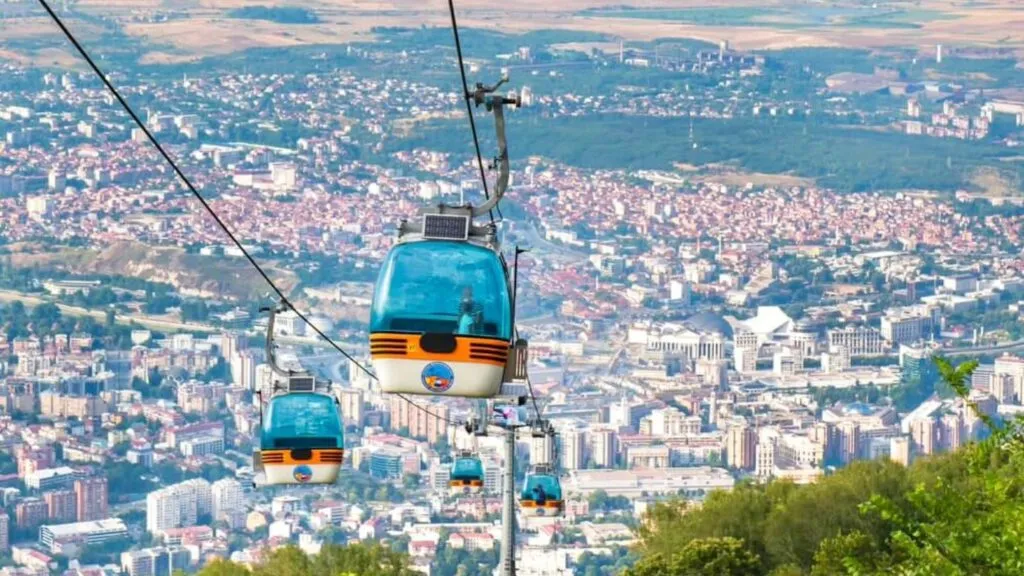
The mayor says the cable car was one step away from tragedy. The manufacturer's report found worn-out parts and dead...
One ticket for both train and bus by the middle of next year, 40 new eco-friendly buses, waits under six...
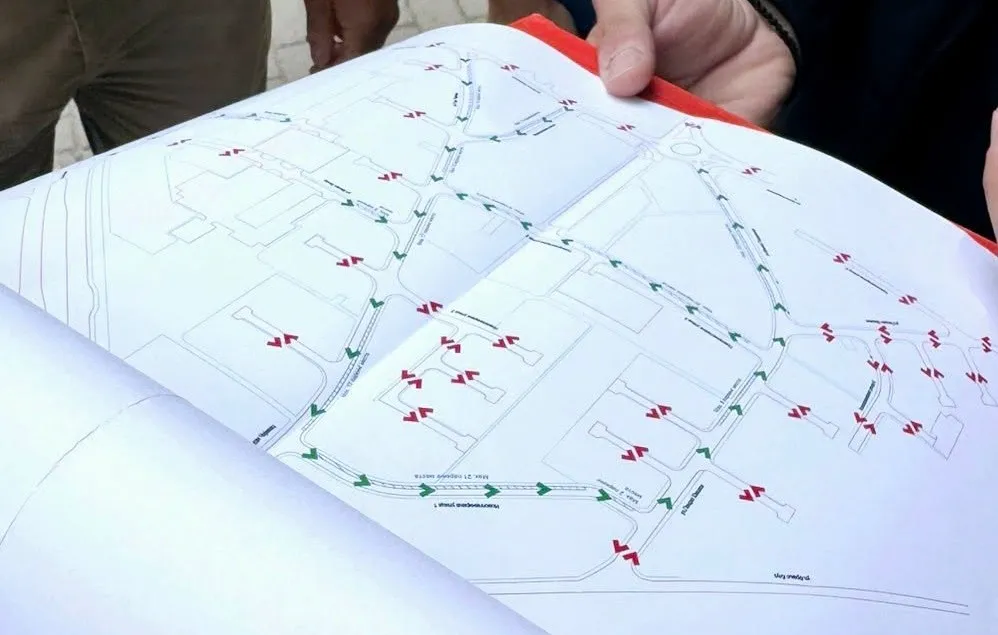
Two streets go one-way, cycle lanes appear and the speed limit drops to 30 km/h. The question nobody answered is...
The same system ran for six months and was scrapped over losses. The question facing every councillor is simple -...
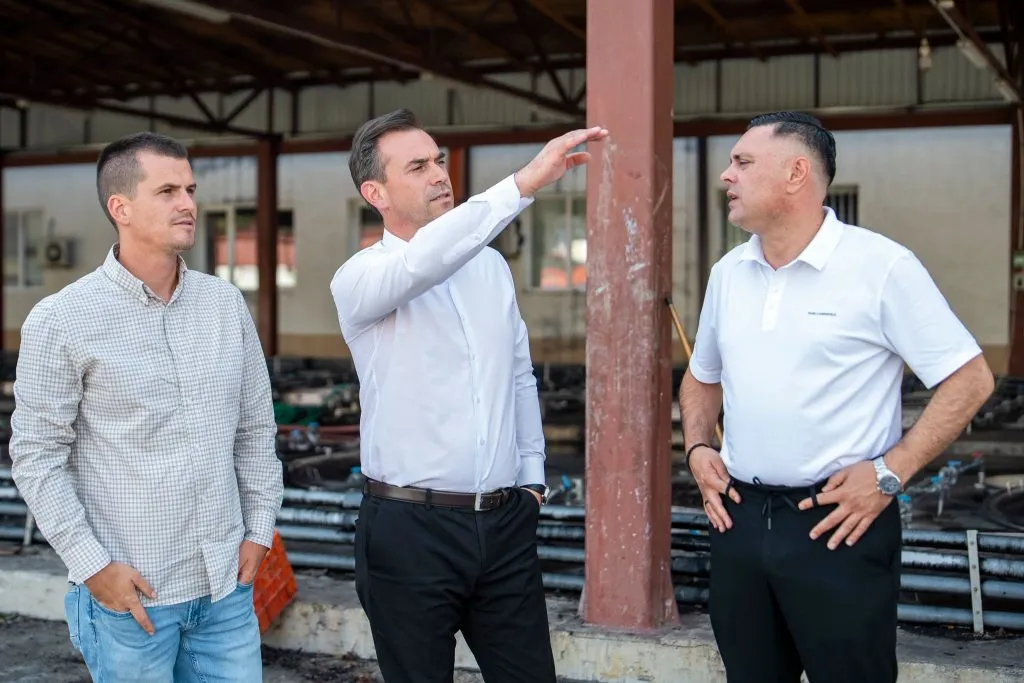
Every healthy Vranec grape has been promised a buyer. Who decides what counts as healthy and in good condition is...
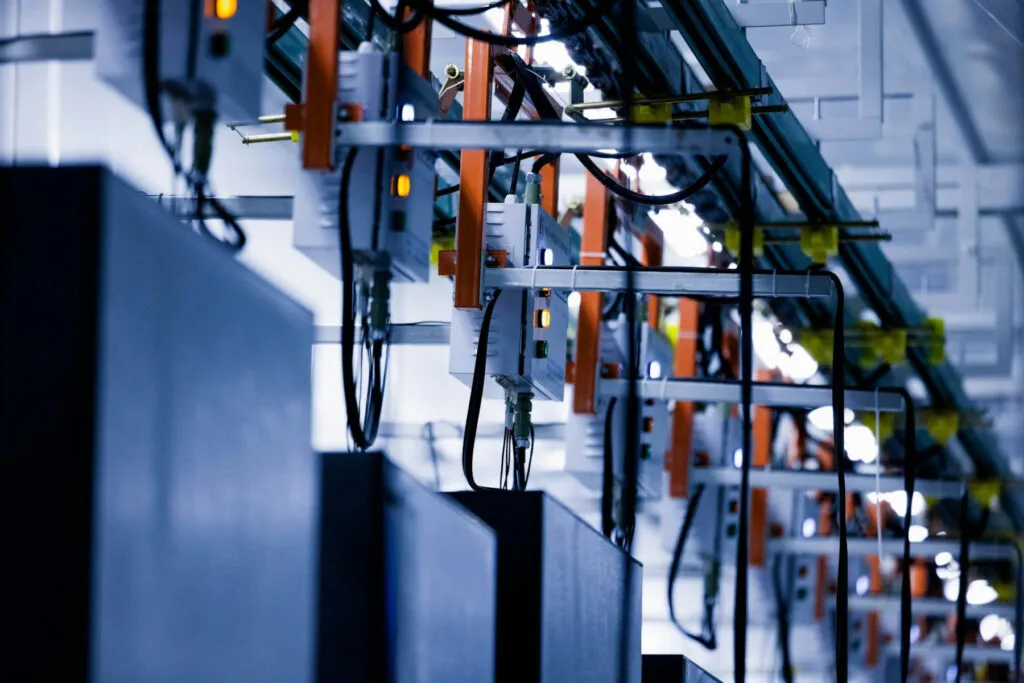
The World Bank dropped out over misalignment with EU requirements. Construction will take two and a half years, and the...
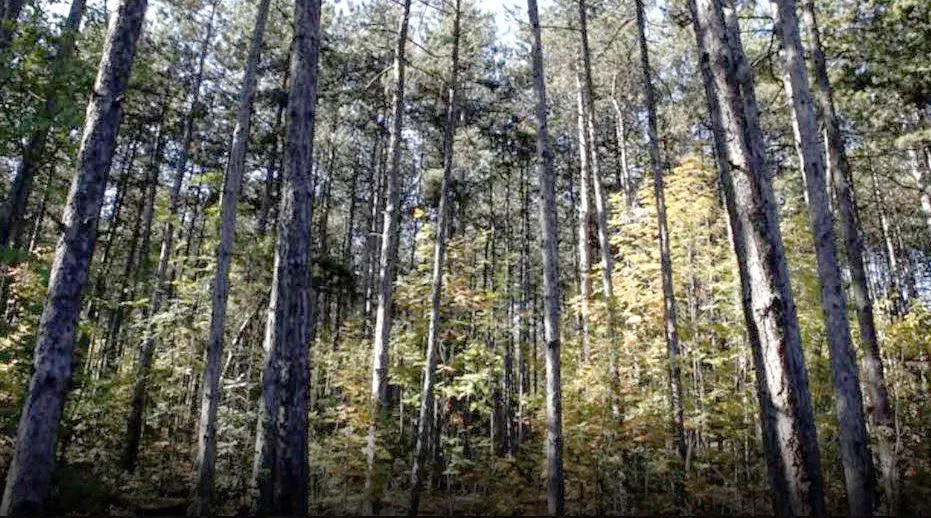
Of 9,500 square metres of greenery, 268 remain. Terrain with an 80-metre height difference, no erosion study and no opinion...
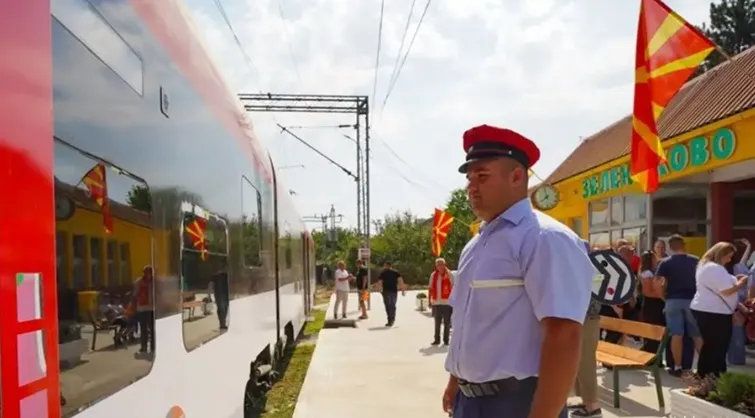
Gjorgjievski says the system should be ready by the middle of next year. The BRT tender is announced for the...
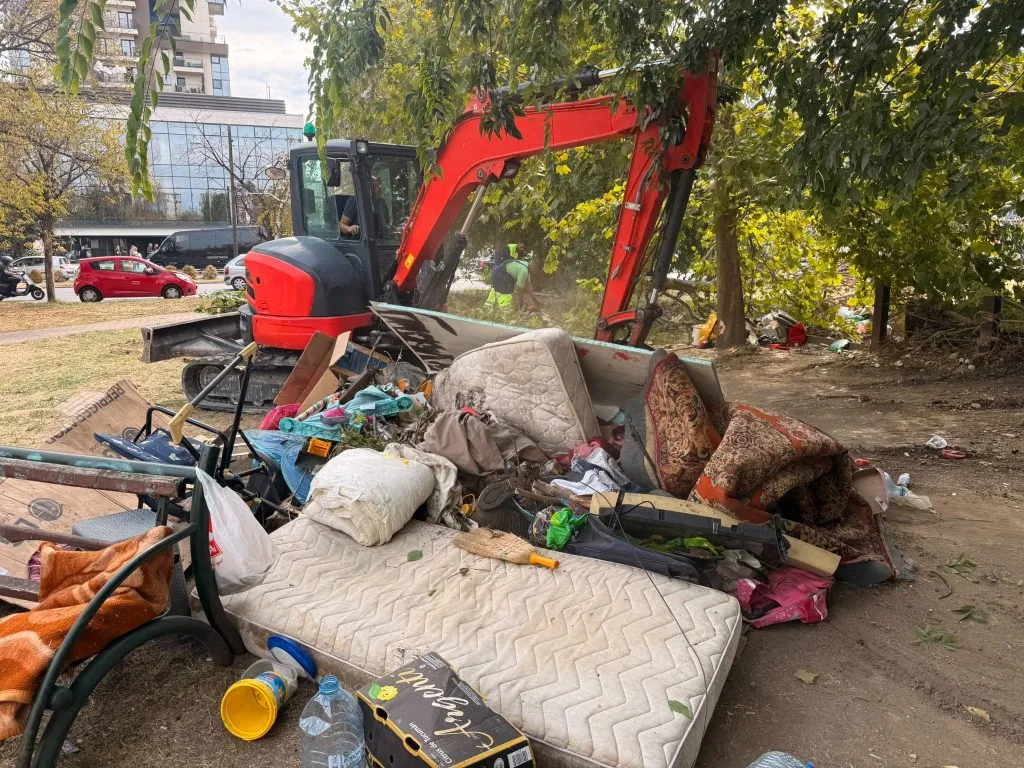
The second operation at the same site within a year. Gerasimovski himself is appealing to the Labour Ministry - because...
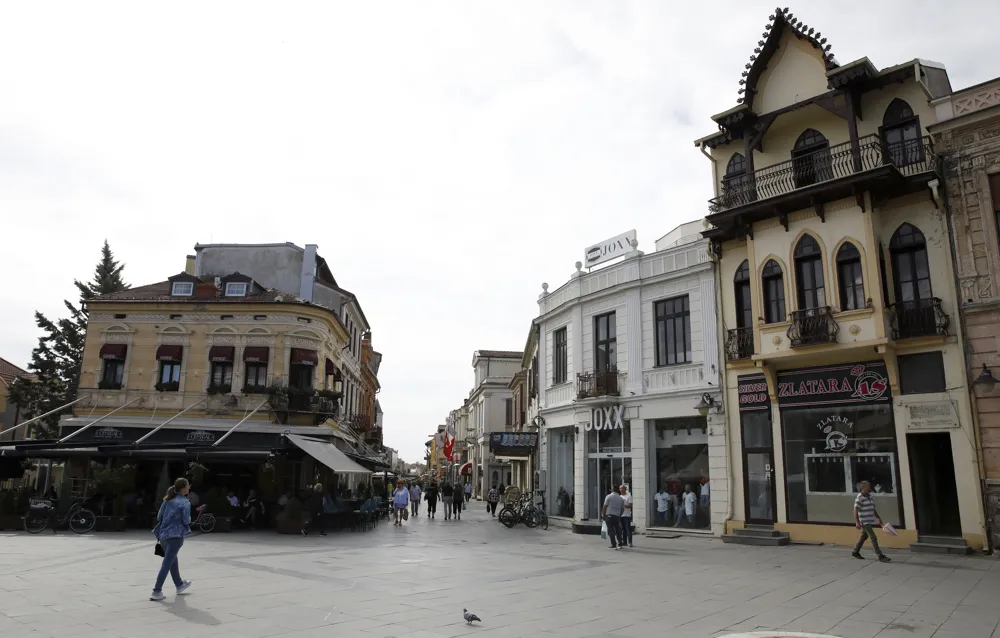
A prosumer scheme, a solar oven and electricity generated by bicycle on Magnolija square. The city that has paid the...
This site uses cookies - is that okay? Learn more
Be the first to know when Metla launches something new
Leave your email and we will write when there is a new guide or something new on Metla.