
Centar Municipality Raises Newborn Support to 10,000 Denars - 4 Million Budget for 2026
17.05.2026


17.05.2026

17.05.2026

17.05.2026
17.05.2026
17.05.2026
17.05.2026

17.05.2026

16.05.2026

15.05.2026

17.05.2026

17.05.2026

16.05.2026

17.05.2026

17.05.2026

17.05.2026

17.05.2026

16.05.2026

15.05.2026

17.05.2026

17.05.2026

17.05.2026

09.03.2026

27.02.2026

19.02.2026

14.04.2026

07.11.2025
07.11.2025

23.04.2026

23.04.2026

12.04.2026

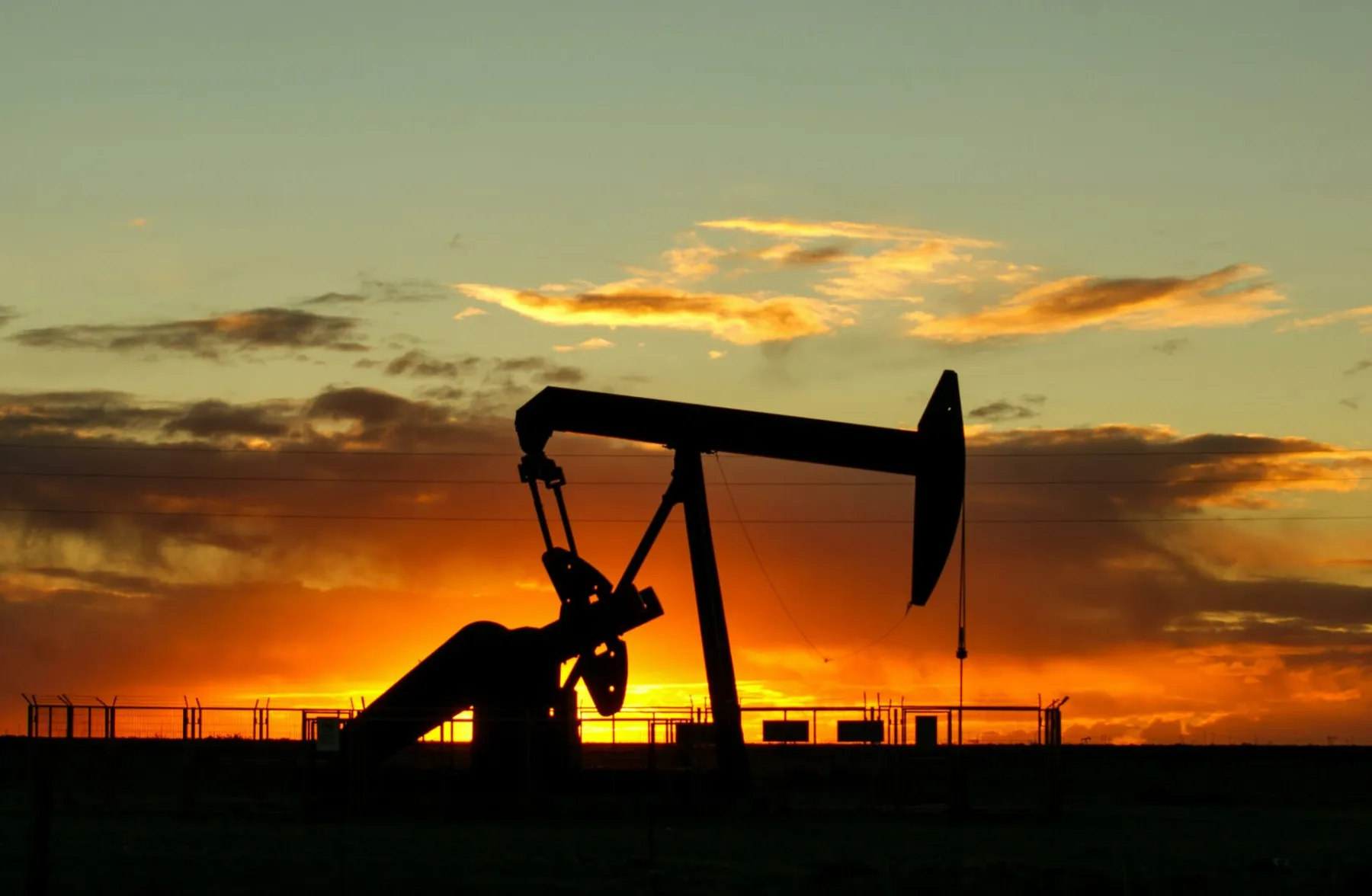
Oil prices are climbing, and the Strait of Hormuz remains closed. According to current estimates, Brent has reached over 109 dollars a barrel, and analysts are warning - if the passage stays closed for a few more weeks, the world could see triple-digit oil prices as the standard floor.
Why is the Strait of Hormuz so important? Roughly 20 percent of the world's total daily oil consumption passes through this tiny chokepoint in the Persian Gulf. A large share of crude from Saudi Arabia, Iran, Iraq, Kuwait and the UAE flows through it. Translation: if this shuts, the entire global energy market suffers.
Diplomatic efforts to de-escalate are stuck. Both sides - the United States and Iran - are clinging to maximalist demands. Washington wants the blockade lifted with no conditions. Tehran wants negotiations conditional on full removal of sanctions. There is no room for compromise, at least not right now.
For the Balkans, this means a lot. Macedonia imports virtually all of its petroleum products. Pump prices here are tied directly to global crude prices. If Brent stays above 100 dollars for another month, citizens will pay 2.5 - 3 euros per litre for petrol and diesel. That's a price we last saw during the pandemic and the early stages of the war in Ukraine.
What can the domestic economy do? Not much. The Energy Regulatory Commission can use temporary stabilisation mechanisms, but they only work for a few weeks. The long-term hit to Macedonian household and corporate budgets is unavoidable. And as a rule, an oil price shock is always followed by a price shock on everything else two or three months later.
Global markets are still trying to absorb the shock, but without a quick diplomatic solution, we're heading into an era where energy prices will be significantly higher. And we're getting there with no serious strategy from any political party in the current situation. As usual, we pretend it won't be a problem until it obviously becomes one.
The latest 10 news from this category
Oil already at 105 dollars, and if the Strait of Hormuz stays closed for a few more weeks, the Balkan...
Kevin O'Leary's Stratos will raise daytime temperatures by 2.8 degrees and night-time by 15.5 - and the Croatian Pantheon, nine...

Through the Plaid integration, subscribers can link Schwab, Fidelity, Chase - 200 million people are already asking ChatGPT about money.

Sam Altman is unhappy with how ChatGPT is buried in iOS - Apple, for its part, has its own complaints...
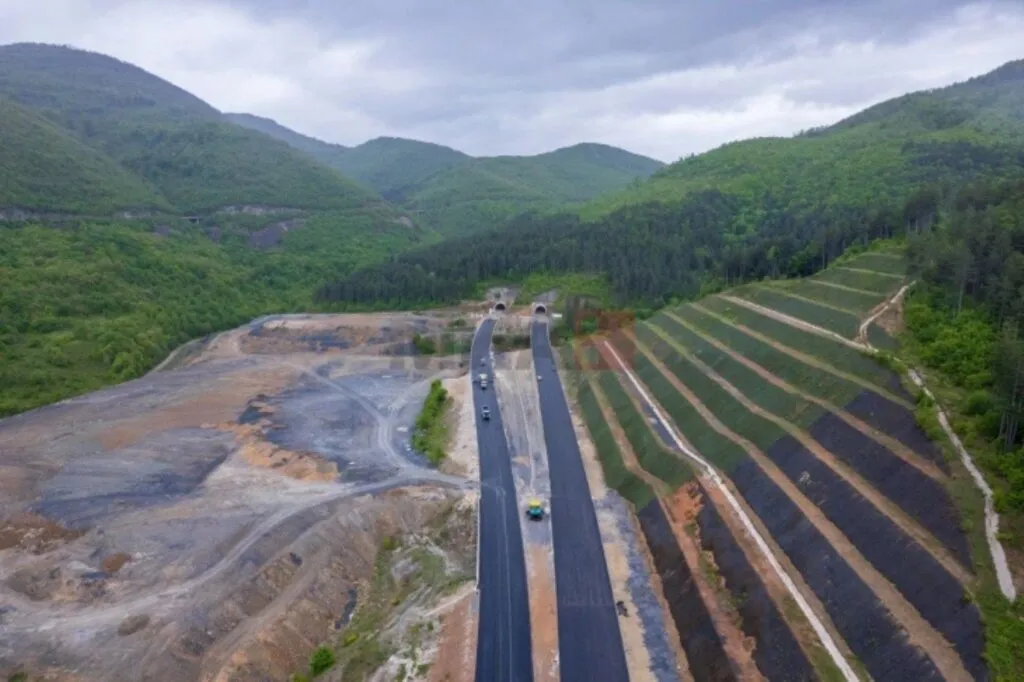
200,000 trees against erosion. 14 protective galleries. One UNESCO approval. When it's all done, the Skopje-Ohrid drive will be 20...
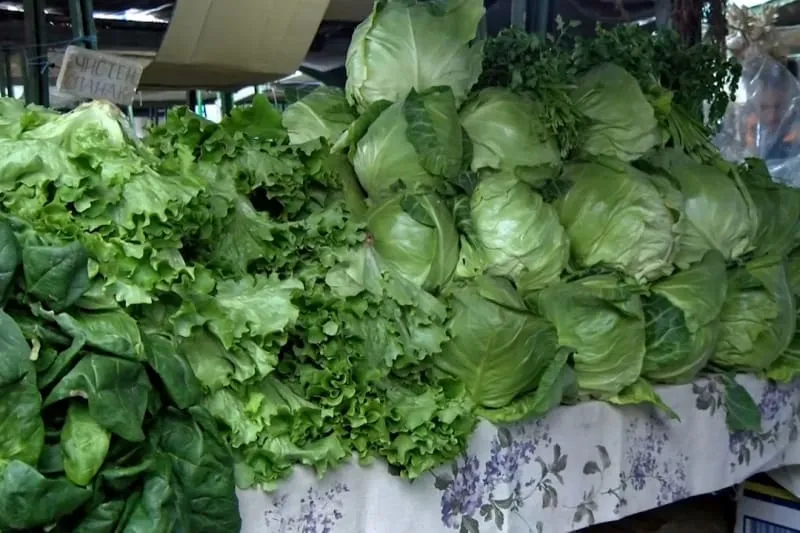
Minister Durmishi blames the previous government and the war in Iran for 5.7 percent inflation. But the war doesn't put...

5.7 percent inflation. 8 percent rise in food prices. The Chamber of Commerce president says out loud - one more...

Nine years of hardware grind, one failed IPO, OpenAI and AWS as new customers - and suddenly Benchmark beats the...
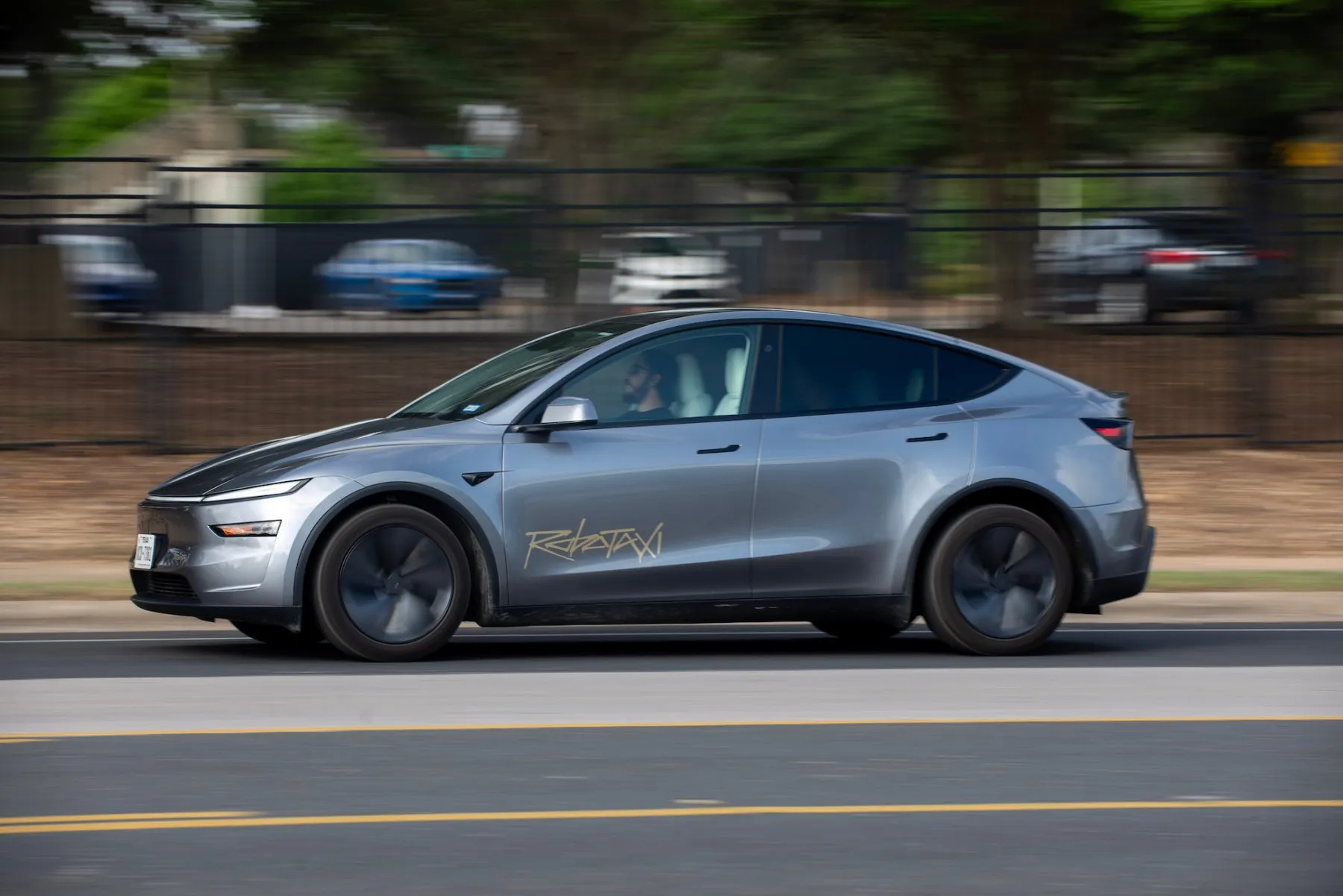
For the first time, Musk's company published detailed descriptions of every traffic incident. The irony: some of them happened precisely...

Pro users in the US can connect their entire financial portfolio to ChatGPT through Plaid. What could go wrong with...