A New Criminal Complaint Against Jakimovski: A Building Permit Based on a Plan Struck Down Back in 2018
16.09.2026


16.09.2026
16.09.2026

16.09.2026

16.09.2026
16.09.2026

16.09.2026

16.09.2026

15.09.2026

14.09.2026

16.09.2026

16.09.2026

15.09.2026

16.09.2026

15.09.2026

14.09.2026

16.09.2026

16.09.2026

16.09.2026

16.09.2026

15.09.2026
15.09.2026

09.03.2026

27.02.2026

19.02.2026

16.09.2026

15.09.2026

14.09.2026

23.04.2026

23.04.2026

12.04.2026

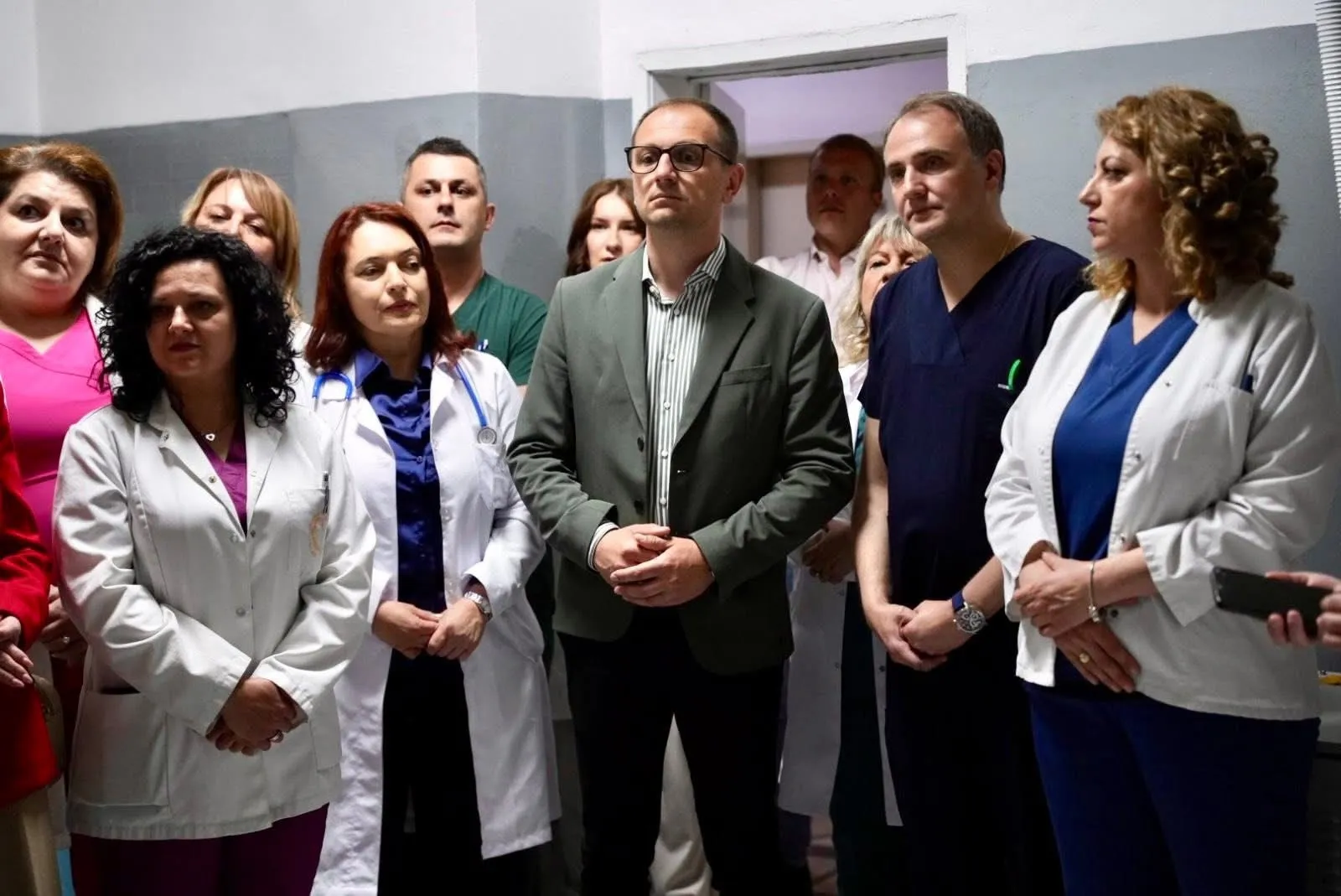
The „Borka Taleski” general hospital in Prilep has received two new specialised machines. A digital ceiling-mounted X-ray system with a wireless detector - 9.3 million denars, and a video-EEG suite for paediatric patients - around 1.7 million denars. The second machine is a donation from the company VIK, and it is the first place outside Skopje for diagnosing paediatric neurological episodes.
For a region that serves around 120,000 residents, this matters. Until now, patients needing quality radiology had to travel to Skopje or to private clinics - at costs many simply could not afford. The digital X-ray means scans that used to take four days to process are now ready in a few minutes.
Other paradoxes of the system: the hospital still runs with 4 radiologists instead of the 6 required by law. The equipment is there - the people for it aren't. That is the old Macedonian story: we bought the machine, there is nobody to drive it.
In recent years, the hospital has invested more than 50 million denars in equipment for urology, orthopaedics, sterilisation and gynaecology. The debt has been cut from 200 to 109 million denars. That is the first time in a decade that Prilep's healthcare is reporting falling debt rather than a fresh credit line.
The video-EEG suite is especially important. From the moment it went into operation, parents of children with epileptic episodes no longer have to travel to the University Clinic for Paediatrics in Skopje for diagnosis. That is a three- to four-hour journey, waiting rooms, overnight stays - for something that can now be done 80 kilometres from home.
That is why this good news comes with a twist at the end: these investments are the exception, not the rule. The Skopje Clinical Centre is still falling apart. The Veles hospital runs on equipment from the 1990s. Prilep got lucky this time. The question is whether the next big move will be in another town - or whether this will remain a one-off example of what can happen when local authorities and companies get seriously involved in healthcare.
The latest 10 news from this category
The World Bank dropped out over misalignment with EU requirements. Construction will take two and a half years, and the...

Of 9,500 square metres of greenery, 268 remain. Terrain with an 80-metre height difference, no erosion study and no opinion...
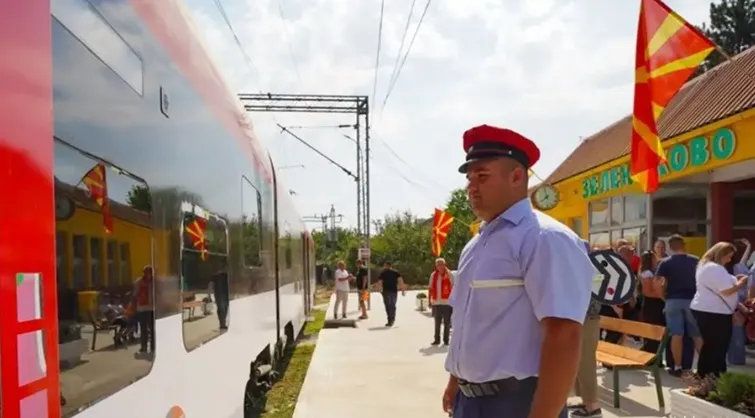
Gjorgjievski says the system should be ready by the middle of next year. The BRT tender is announced for the...

The second operation at the same site within a year. Gerasimovski himself is appealing to the Labour Ministry - because...
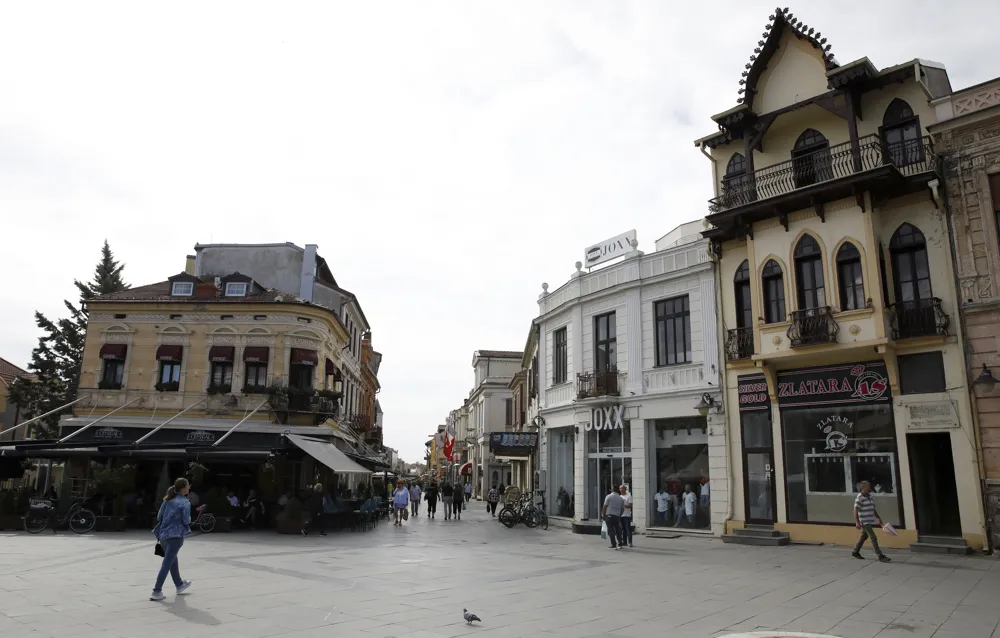
A prosumer scheme, a solar oven and electricity generated by bicycle on Magnolija square. The city that has paid the...
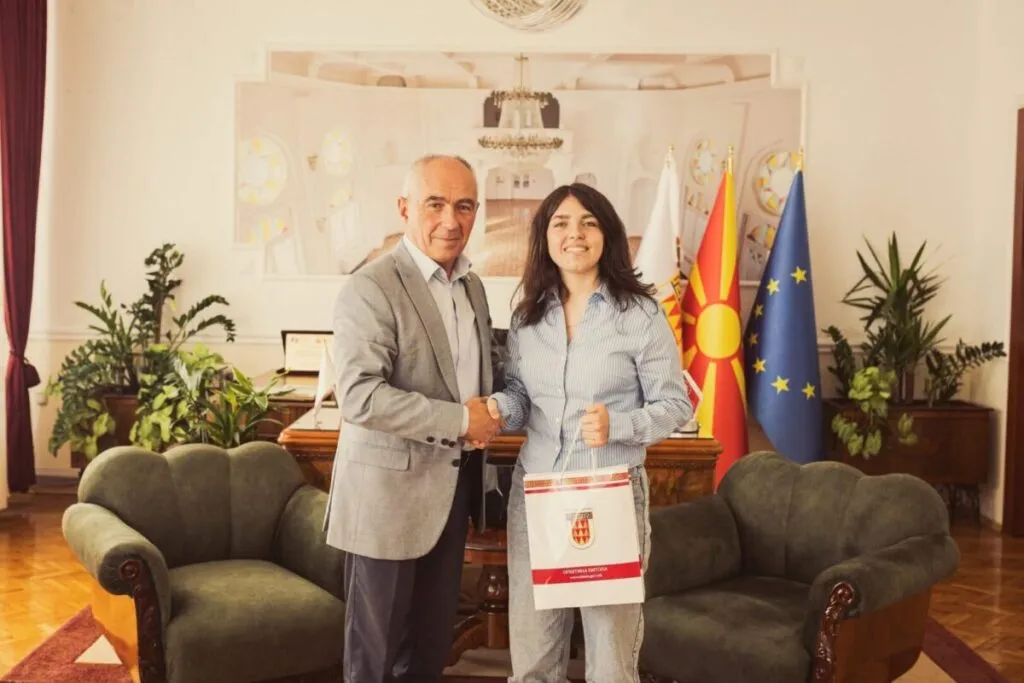
Stefanija Dimovska won two medals at IESO 2026, working in mixed international teams. Before that she was also national champion...
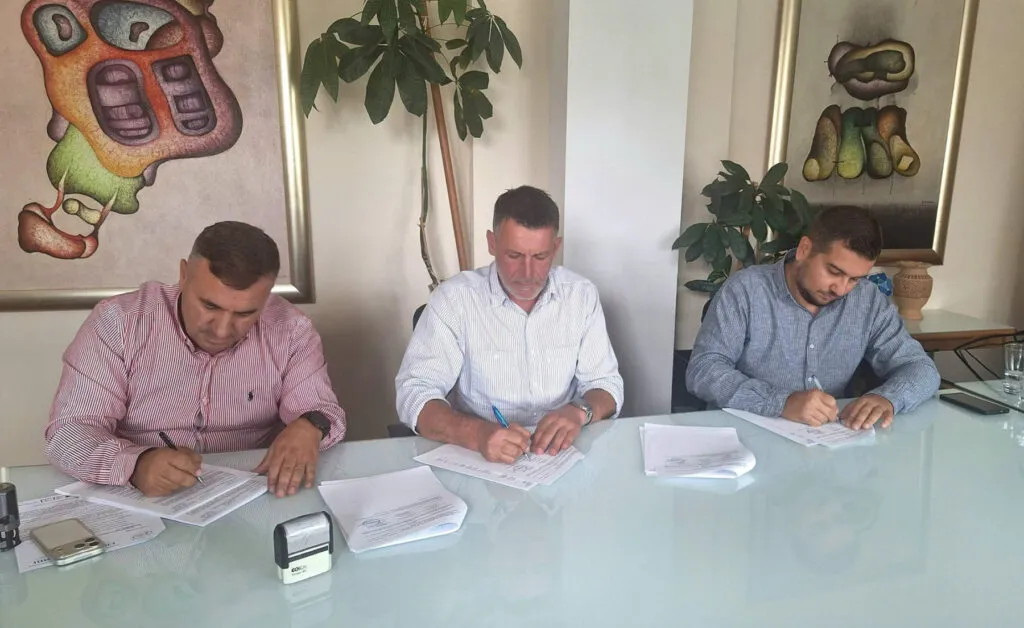
Out of nearly 4.7 million denars, the municipality is putting in around 180,000. The rest comes through the Bureau for...

Ten years working inside the health system - and she still had to pull strings to be admitted. The clinic...
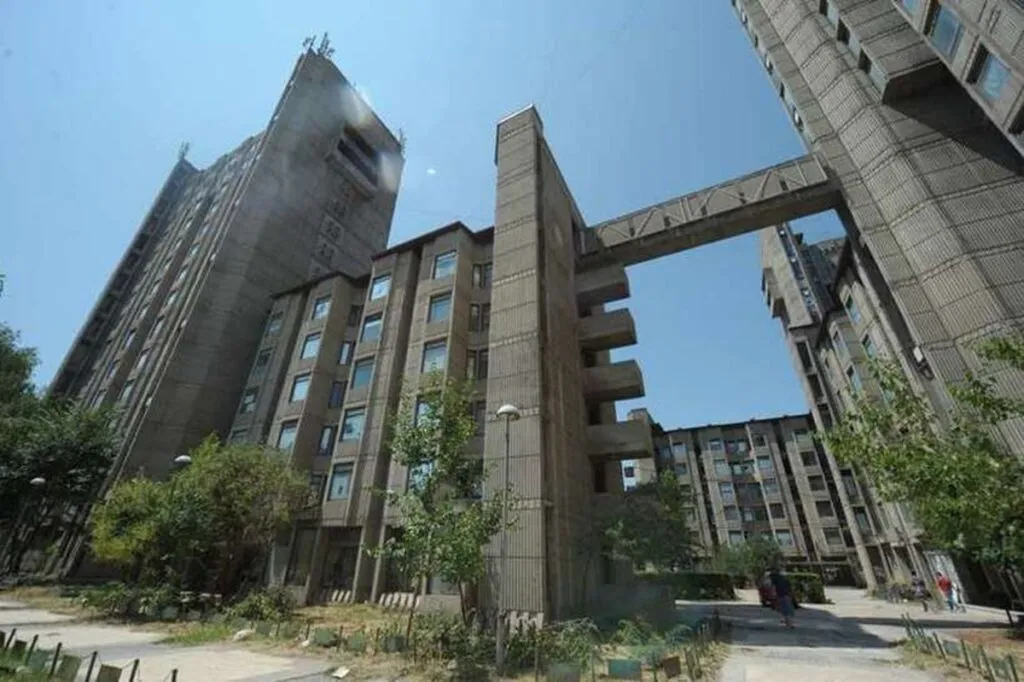
Appeals run from 15 to 25 September. There is not enough space at Goce Delčev, so students go to Stiv...

From 23:00 to 05:00 there is no getting through towards Evzoni. Towards Halkidiki - business as usual. Those heading on...
This site uses cookies - is that okay? Learn more
Be the first to know when Metla launches something new
Leave your email and we will write when there is a new guide or something new on Metla.