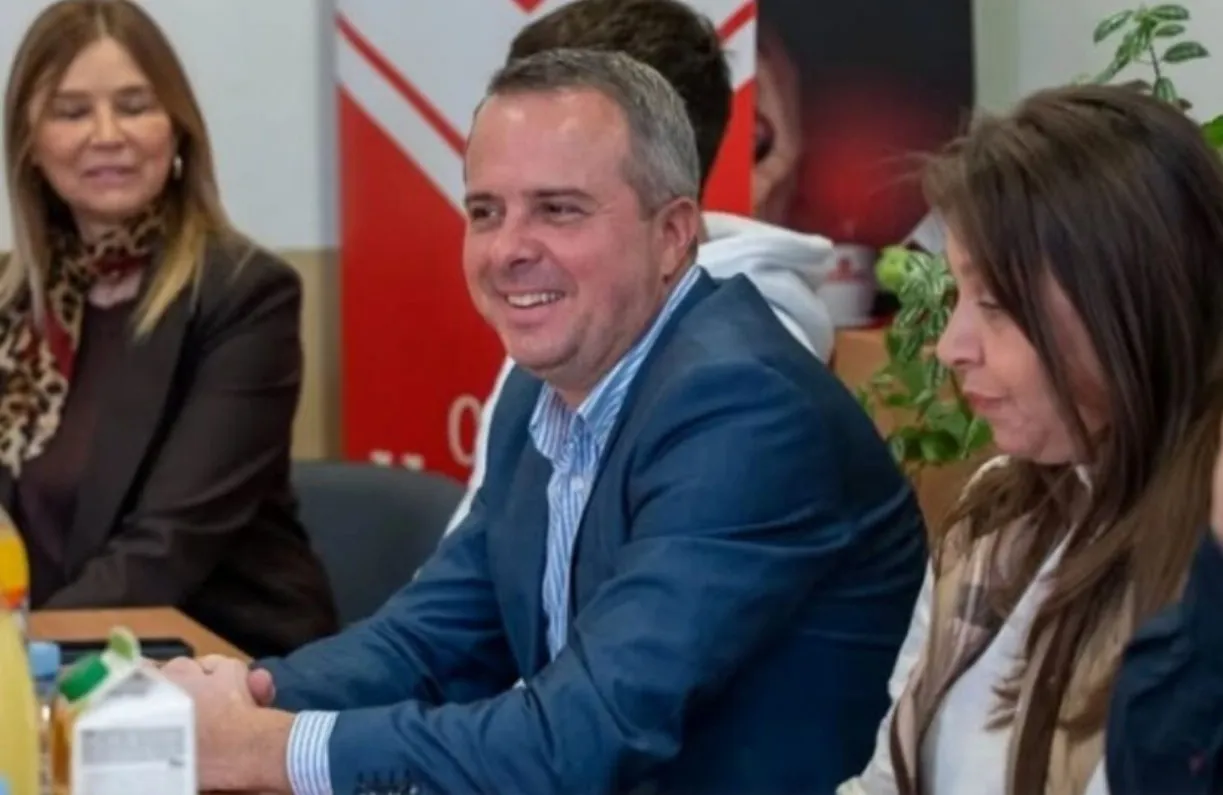
Centar Municipality Raises Newborn Support to 10,000 Denars - 4 Million Budget for 2026
17.05.2026


17.05.2026
17.05.2026
17.05.2026

17.05.2026
17.05.2026

17.05.2026
17.05.2026
16.05.2026

15.05.2026
17.05.2026

17.05.2026
16.05.2026
17.05.2026
17.05.2026
17.05.2026
17.05.2026
16.05.2026
15.05.2026

17.05.2026

17.05.2026
17.05.2026

09.03.2026

27.02.2026

19.02.2026
14.04.2026

07.11.2025
07.11.2025

23.04.2026

23.04.2026

12.04.2026

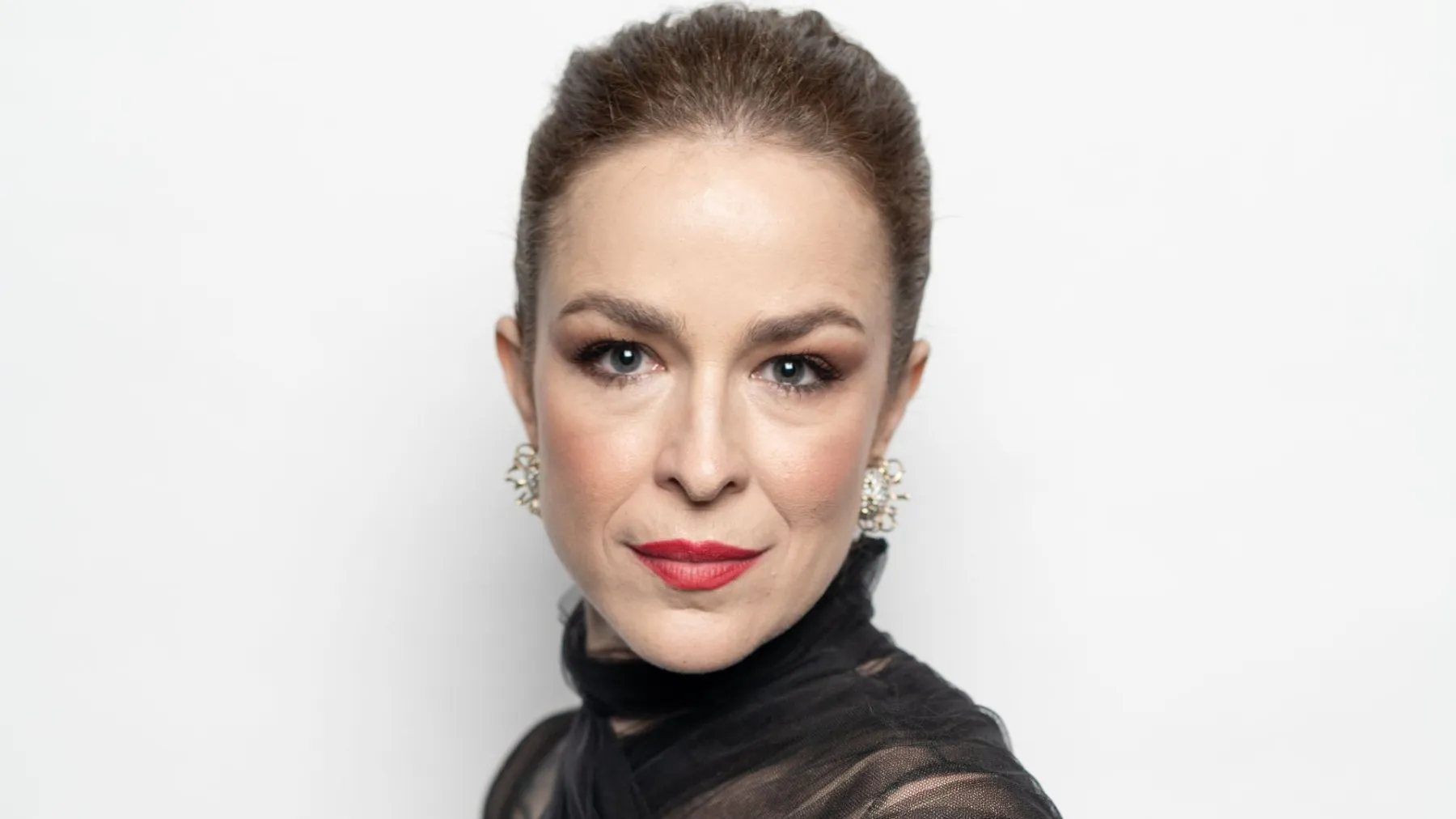
The Spanish actress Silvia Abascal, now 47, is speaking openly for the first time about the moment that changed her life - a stroke in a dressing room at the Málaga Festival in 2011. It happened before a gala evening. She was 32. And the only reason she survived was that she wasn't alone in the hotel room.
„It was like a volcano in my head. I felt fire, as if my ears were bleeding”, Abascal describes it. A haemorrhagic stroke, hitting the left hemisphere. An extra stroke of luck - the Carlos Haya Hospital was five minutes away from the festival venue.
Out of all the truths in this story, the one that hurts most: „If it had happened in my hotel room ten minutes earlier, I wouldn't be alive to tell you”. Coincidence, not a plan. No reflex called upon. Just a sum of minutes and people.
What followed was two years of rehabilitation in a public institution. Coordination, balance, movement - all of it had to be learned again. The left hemisphere of the brain controls the right side of the body and speech, and for her that meant rebuilding the most basic functions. She made her first major public appearance at the Goya awards in 2012 - and for many people, she became an example then of what a personal comeback without fanfare looks like.
Today Abascal acts in the drama series Entre Tierras and is the mother of an eight-year-old daughter called Leona. Why is she speaking about this now, 15 years on? Perhaps because in Spain, as here, a stroke in your thirties is still treated as something that happens to other people. It does happen. It happens more and more often. And public stories about it change the way people seek help.
One sentence from the interview everyone should remember: „I was hugely lucky to have it happen when I was surrounded by people”. That isn't philosophy - it is pedagogy. A stroke plays out in minutes. When you're alone, the chance of survival drops drastically. Knowing the symptoms and calling for help quickly is what saves lives. The rest is luck - which Abascal was handed with both hands.
The latest 10 news from this category
Top 5 with Bulgaria, Israel, Romania, Moldova, Ukraine - the 70th edition of Eurovision ends with a Balkan victory 200...
A Hollywood mum sent all her kids to top universities - and now watches her elder daughter open up a...
Daily horoscope - 15.05.2026
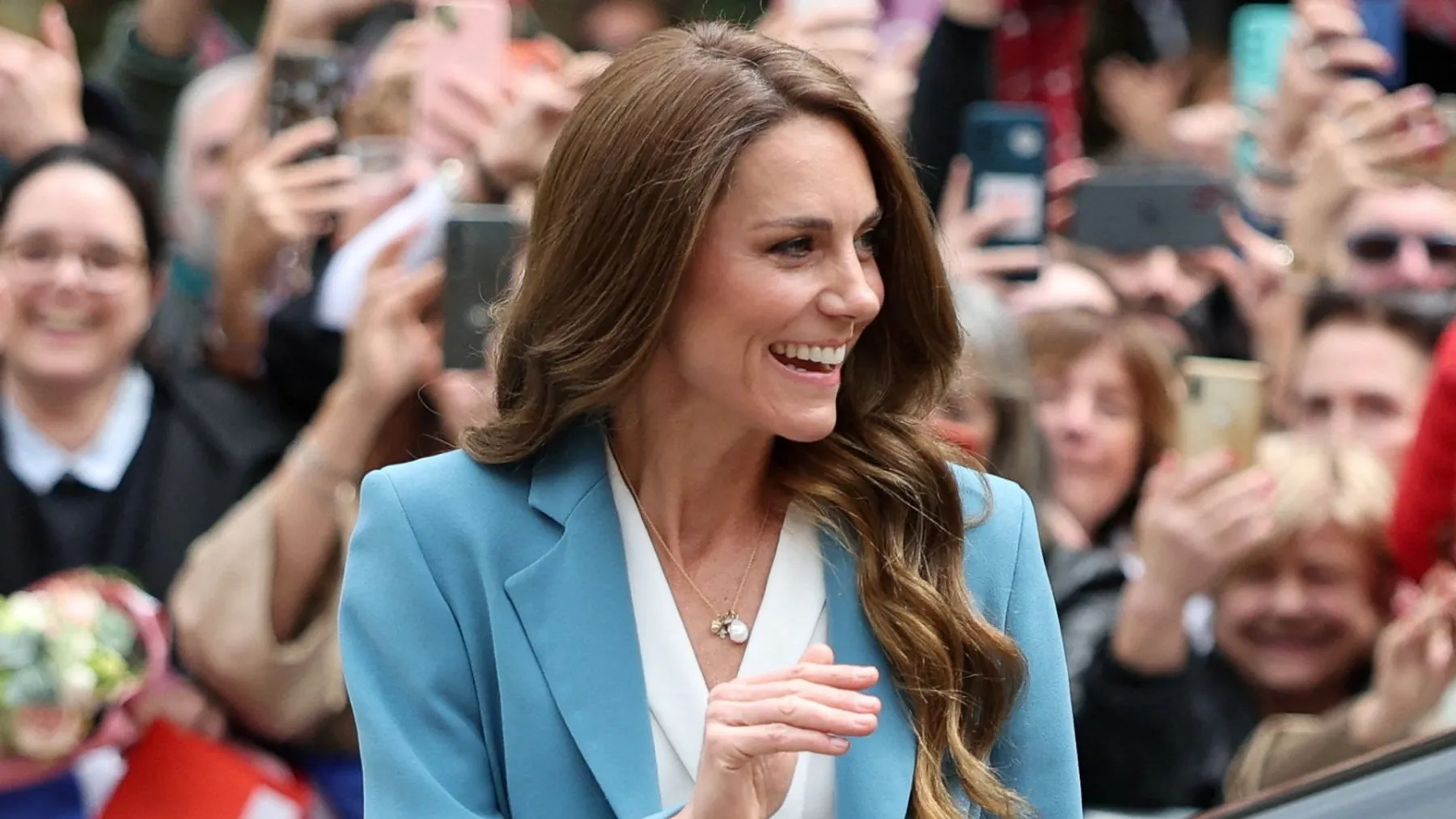
First international trip after the illness, first language test as the next Queen, and one tender moment about their late...
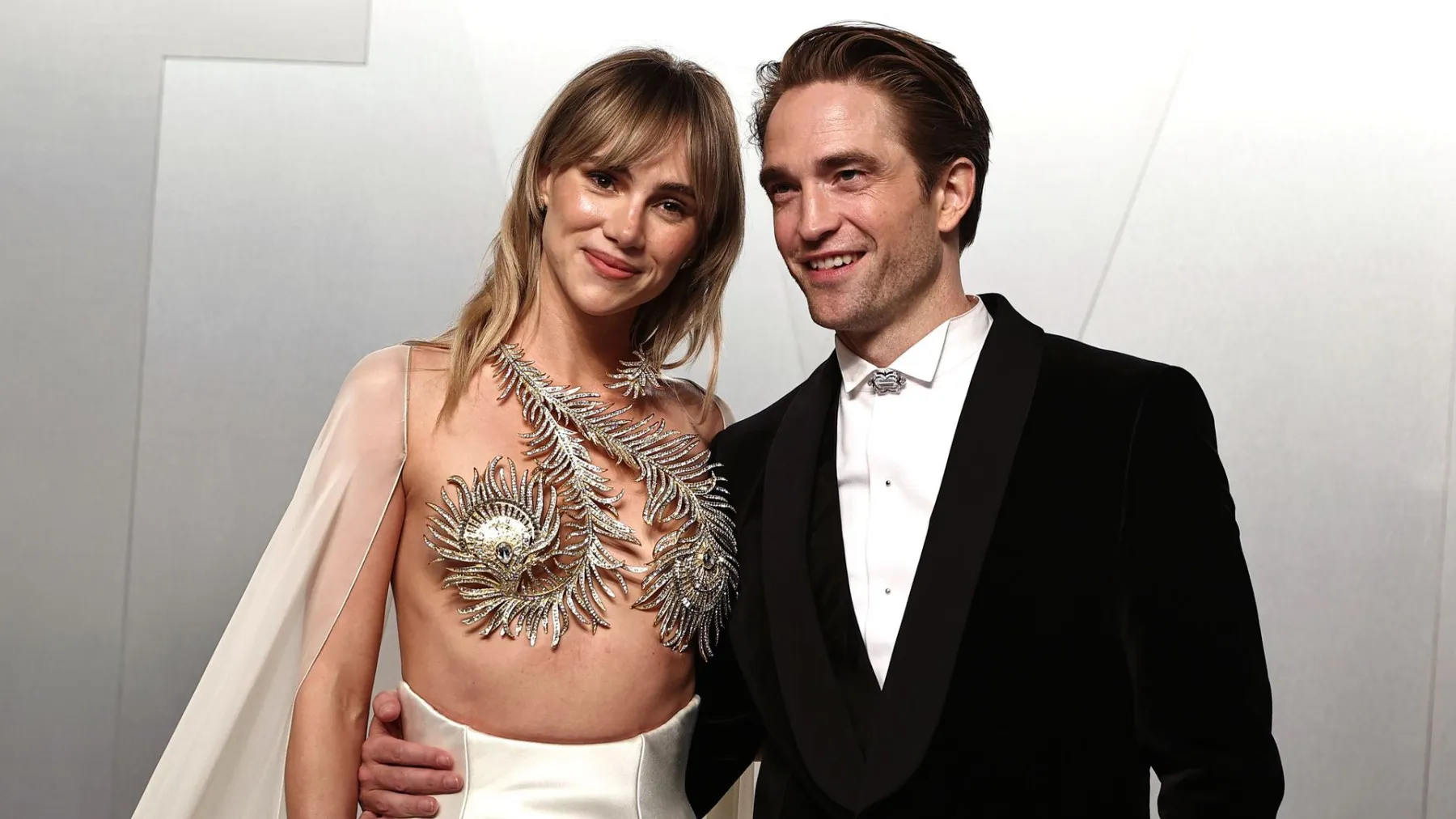
A Brit who survived his own first fame with deliberate moves - independent directors, the big-studio circuit, and a privacy...
Daily horoscope - 12 May 2026