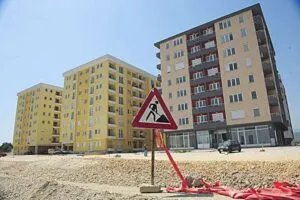
A New Criminal Complaint Against Jakimovski: A Building Permit Based on a Plan Struck Down Back in 2018
16.09.2026


16.09.2026
16.09.2026

16.09.2026
16.09.2026
16.09.2026

16.09.2026

16.09.2026

15.09.2026

14.09.2026

16.09.2026

16.09.2026

15.09.2026

16.09.2026

15.09.2026

14.09.2026

16.09.2026

16.09.2026

16.09.2026

16.09.2026

15.09.2026
15.09.2026

09.03.2026

27.02.2026

19.02.2026

16.09.2026

15.09.2026

14.09.2026

23.04.2026

23.04.2026

12.04.2026

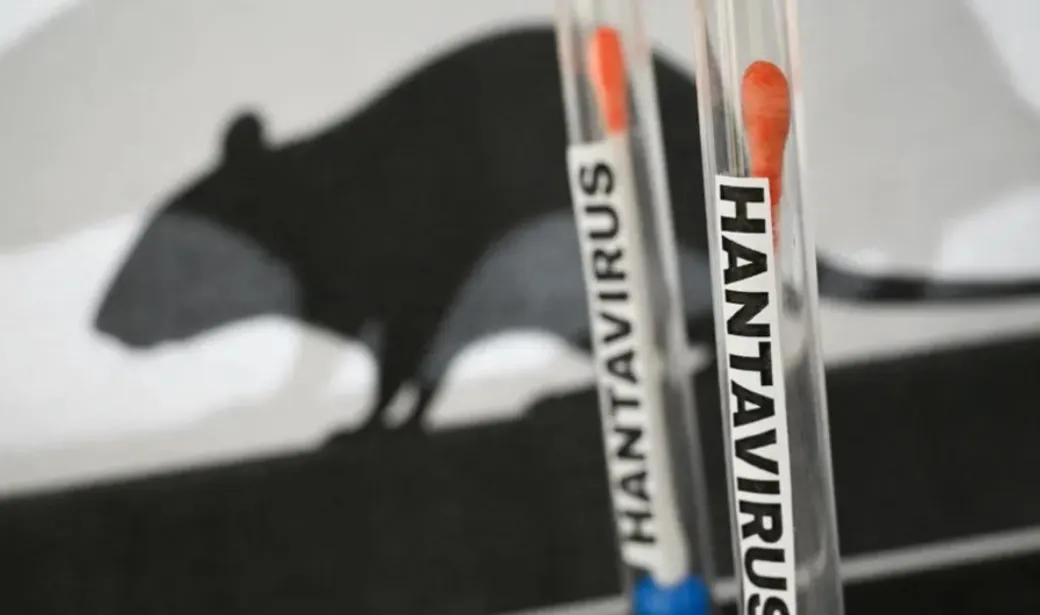
Macedonia's Commission for Infectious Diseases met to assess the global spread of the hantavirus-Andes variant, and the conclusion is that the risk in Macedonia is low. The health system is prepared, reagents are available at the Institute for Public Health, and the Clinic for Infectious Diseases has the capacity for urgent cases.
We are not entirely out of harm's way, but the context has to be understood. The case started on the MV Hondius cruise ship, which was sailing from Argentina to Cape Verde in early May. The World Health Organization reported three passengers died from the infection. The cluster has been confirmed in the lab, but assessments say this does not amount to the start of a pandemic.
Hantavirus is not a new virus. It exists in two main disease families: haemorrhagic fever with renal syndrome (Europe and Asia), and the hantavirus pulmonary syndrome (the Americas). It spreads through contact with infected rodents or with particles of their urine, faeces or saliva. The symptoms - fever, headache, muscle pain, nausea - appear 1 to 8 weeks after exposure.
What matters: the European variants do not spread between humans. The Andes variant, linked to the cruise-ship cluster, can spread between humans - but only in prolonged close contact, and not „quickly and easily” like coronavirus, as the commission stresses. That is important to remember so we don't repeat the same panicked reactions as in 2020.
For Macedonia specifically: zero confirmed cases, and no special measures for travellers at the moment. The Institute is tracking the situation daily. If a confirmed case appears, a protocol kicks in that includes isolation, contact tracing and laboratory confirmation. For now - prevention through simple measures: avoid contact with rodents, good hygiene, clean food storage areas.
Having lived through Covid-19, every piece of news about a virus automatically becomes a headline. That is understandable on a human level. What isn't understandable is the volume of panic being sold on social media. Hantavirus is real. It is not „the new Covid”. And calm institutional responses, like the one from the Macedonian Commission, deserve more attention than internet speculation.
The latest 10 news from this category

The World Bank dropped out over misalignment with EU requirements. Construction will take two and a half years, and the...
Of 9,500 square metres of greenery, 268 remain. Terrain with an 80-metre height difference, no erosion study and no opinion...
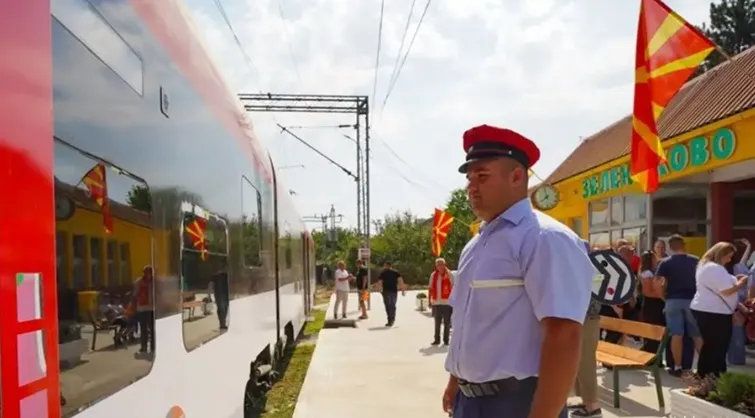
Gjorgjievski says the system should be ready by the middle of next year. The BRT tender is announced for the...
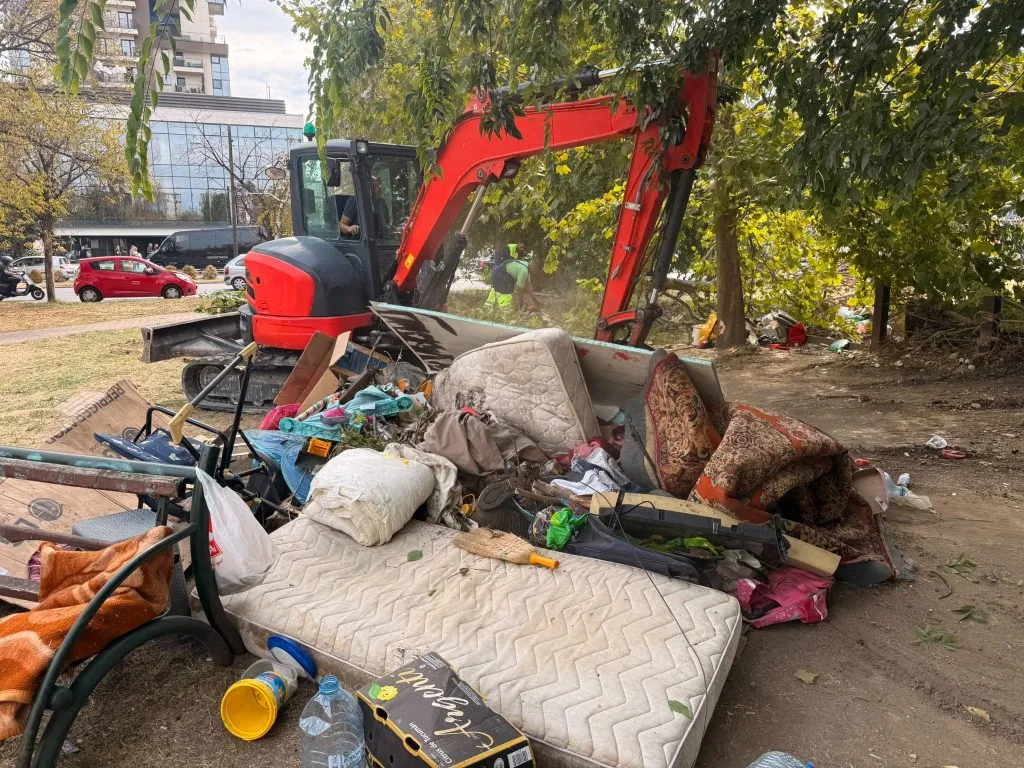
The second operation at the same site within a year. Gerasimovski himself is appealing to the Labour Ministry - because...
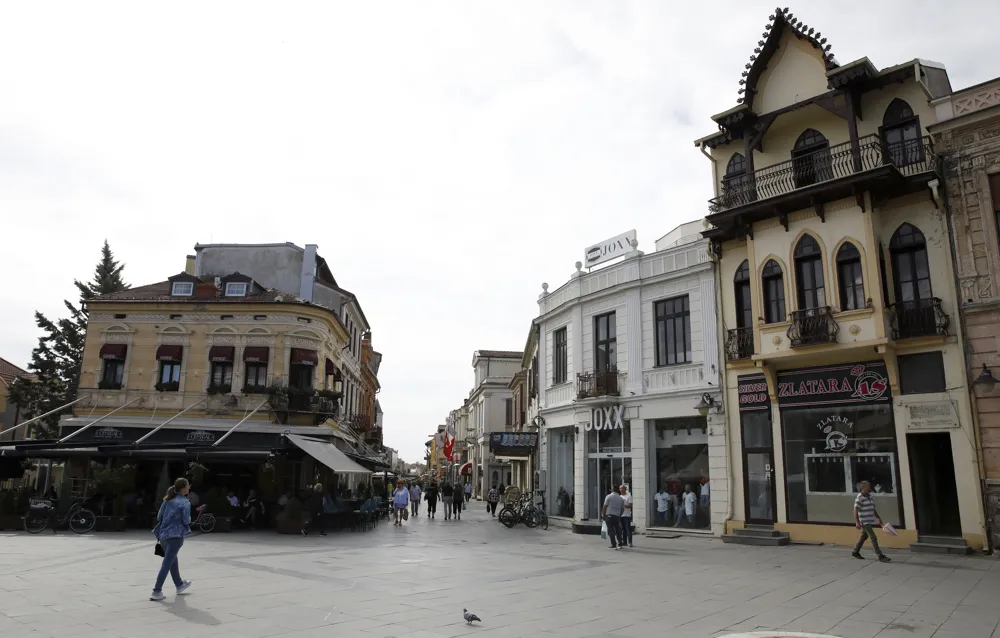
A prosumer scheme, a solar oven and electricity generated by bicycle on Magnolija square. The city that has paid the...
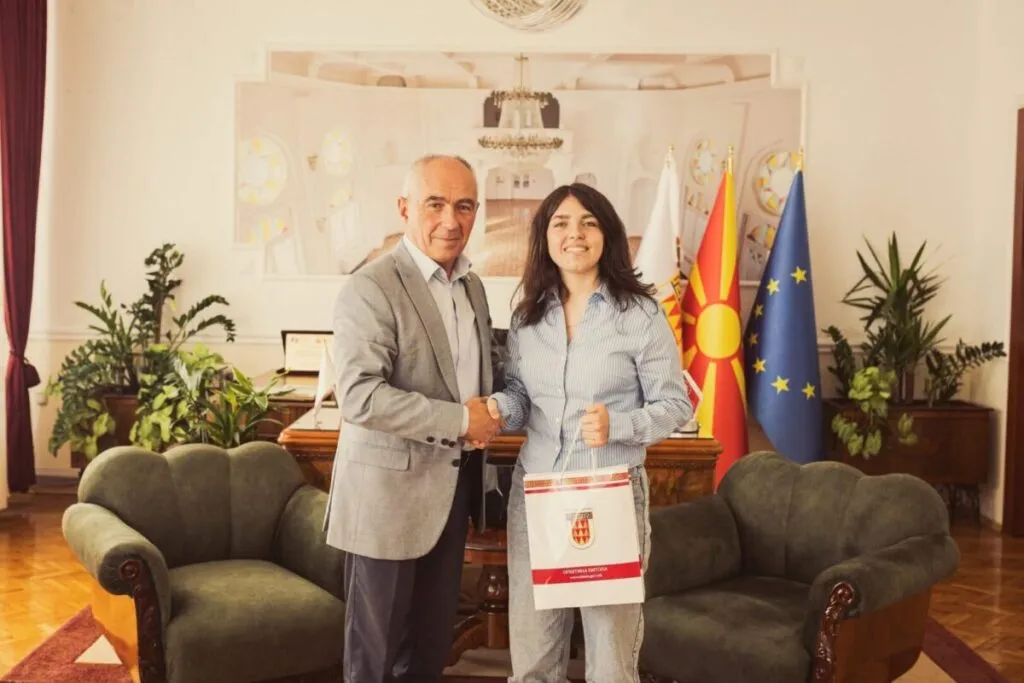
Stefanija Dimovska won two medals at IESO 2026, working in mixed international teams. Before that she was also national champion...
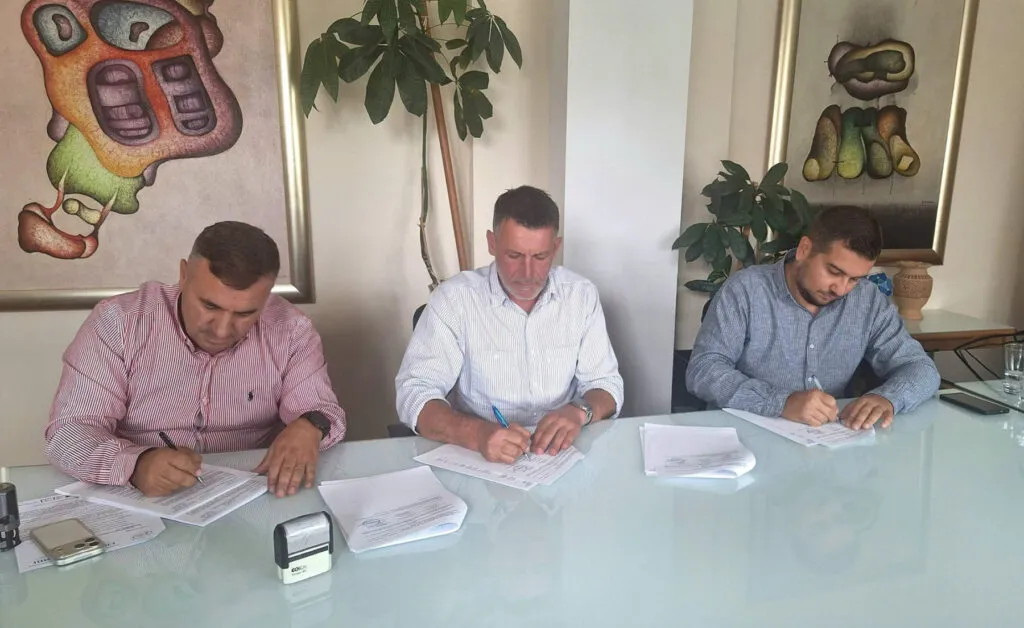
Out of nearly 4.7 million denars, the municipality is putting in around 180,000. The rest comes through the Bureau for...
Ten years working inside the health system - and she still had to pull strings to be admitted. The clinic...
Appeals run from 15 to 25 September. There is not enough space at Goce Delčev, so students go to Stiv...
From 23:00 to 05:00 there is no getting through towards Evzoni. Towards Halkidiki - business as usual. Those heading on...
This site uses cookies - is that okay? Learn more
Be the first to know when Metla launches something new
Leave your email and we will write when there is a new guide or something new on Metla.