Centar Municipality Raises Newborn Support to 10,000 Denars - 4 Million Budget for 2026
17.05.2026


17.05.2026

17.05.2026

17.05.2026
17.05.2026
17.05.2026
17.05.2026

17.05.2026
16.05.2026

15.05.2026
17.05.2026

17.05.2026

16.05.2026

17.05.2026

17.05.2026

17.05.2026

17.05.2026

16.05.2026

15.05.2026

17.05.2026

17.05.2026

17.05.2026

09.03.2026

27.02.2026

19.02.2026

14.04.2026

07.11.2025
07.11.2025

23.04.2026

23.04.2026

12.04.2026

The Trump administration let the temporary licence that allowed certain countries - among them India and Indonesia - to buy Russian oil under certain conditions expire this Saturday. The short period of softening sanctions on Moscow is over. What comes next is one of the most important questions in today's global energy market.
The licence was introduced in April this year, when finance ministers of more than 10 energy-vulnerable countries asked Washington to loosen the sanctions regime on the Russian energy sector. The context - the Strait of Hormuz is closed due to the escalation between the United States and Iran, and without Russian oil on the market, prices started to fly.
Treasury Secretary Scott Bessent initially opposed extending it, then flipped position in two days following appeals from allies. Now that approach has been dropped. At the same time, Washington decided not to extend the similar Iranian carve-out. Both decisions mean even tougher sanctions on the two states - and potentially catastrophic oil prices.
European allies see this as good news. From their perspective, every euro that dries up for Moscow is one less euro to finance the war in Ukraine. From the perspective of New Delhi and Jakarta, it is a disaster for economies that depend on cheap energy. And for us in the Balkans - it is a serious threat.
We have already seen Brent prices above 105 dollars a barrel. Analyses warn that if the situation continues for a few weeks, we could see triple-digit prices per barrel on a standard basis. For a country like Macedonia, dependent on imports of every form of energy, that means more expensive fuel, more expensive food, and within 6 months - more expensive everything on the supermarket shelves.
The Hormuz crisis combined with the end of the oil exemptions is precisely what our economy cannot absorb. In the current situation, governments are talking about „readiness”, „monitoring”, „coordination with partners” - the usual political phrases that don't solve any concrete problem. The reality at the petrol pump and in electricity bills will start to bite over the coming weeks. And by then there will be no room left for diplomatic-economic rhetoric - just bills that have to be paid.
The latest 10 news from this category
20 percent of the world's oil passes through Hormuz, and in Macedonia, with no alternative strategy, pump prices could hit...
Kevin O'Leary's Stratos will raise daytime temperatures by 2.8 degrees and night-time by 15.5 - and the Croatian Pantheon, nine...

Through the Plaid integration, subscribers can link Schwab, Fidelity, Chase - 200 million people are already asking ChatGPT about money.

Sam Altman is unhappy with how ChatGPT is buried in iOS - Apple, for its part, has its own complaints...
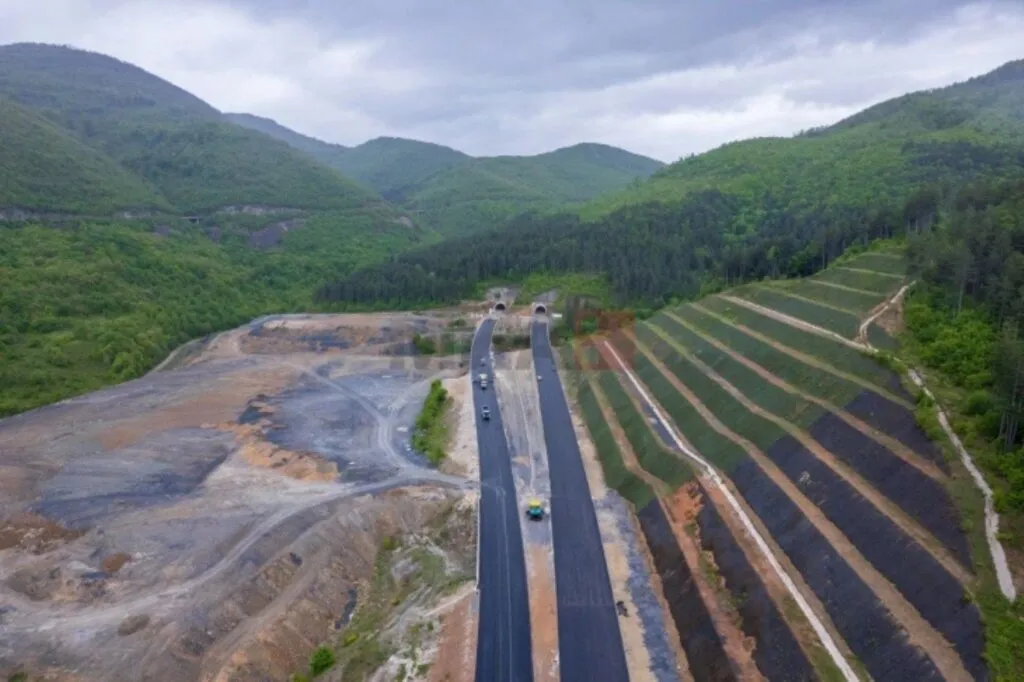
200,000 trees against erosion. 14 protective galleries. One UNESCO approval. When it's all done, the Skopje-Ohrid drive will be 20...
Minister Durmishi blames the previous government and the war in Iran for 5.7 percent inflation. But the war doesn't put...

5.7 percent inflation. 8 percent rise in food prices. The Chamber of Commerce president says out loud - one more...

Nine years of hardware grind, one failed IPO, OpenAI and AWS as new customers - and suddenly Benchmark beats the...
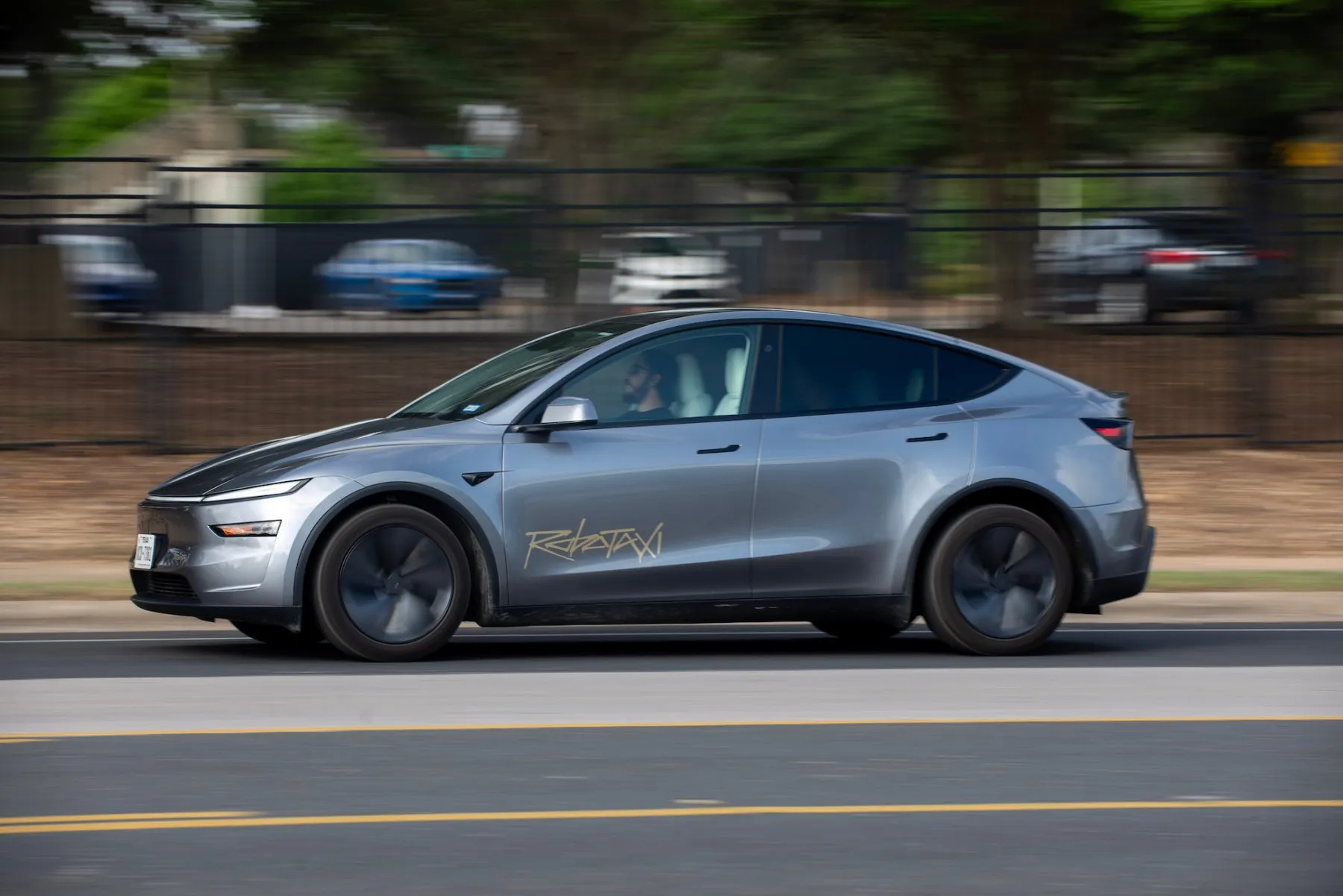
For the first time, Musk's company published detailed descriptions of every traffic incident. The irony: some of them happened precisely...

Pro users in the US can connect their entire financial portfolio to ChatGPT through Plaid. What could go wrong with...