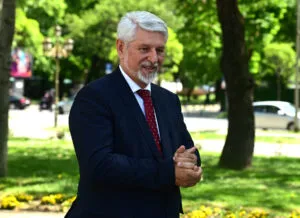
A New Criminal Complaint Against Jakimovski: A Building Permit Based on a Plan Struck Down Back in 2018
16.09.2026


16.09.2026

16.09.2026

16.09.2026
16.09.2026
16.09.2026

16.09.2026

16.09.2026
15.09.2026

14.09.2026

16.09.2026

16.09.2026

15.09.2026

16.09.2026

15.09.2026

14.09.2026

16.09.2026

16.09.2026

16.09.2026

16.09.2026

15.09.2026
15.09.2026

09.03.2026

27.02.2026

19.02.2026

16.09.2026

15.09.2026

14.09.2026

23.04.2026

23.04.2026

12.04.2026

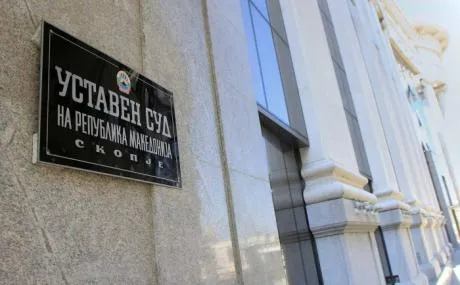
The Constitutional Court of the Republic of North Macedonia is holding its 14th session this morning. On the agenda: seven initiatives to review the constitutionality of laws from several sectors, and a series of other items. All in a single working day that could routinely reshape the legal system in several areas.
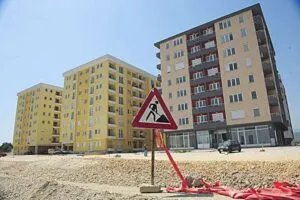
Among the laws to be discussed is the Construction Law - with provisions affecting urban planning. The Game and Hunting Law - with questions about managing natural resources. And the Waste Management Law - with environmental regulations being tested for compliance with the Constitution.
Beyond these three major laws, the agenda also includes regulations in the area of health insurance, as well as specific decisions taken by units of local self-government. An additional item - a draft decision tied to Article 176 paragraph 2 of the Child Protection Law.
The Constitutional Court operates with a panel of 9 judges, and its decisions are final. When it rules that a specific legal provision is not in line with the Constitution, that provision ceases to apply. The sessions aren't public - but their decisions have direct consequences for citizens' lives. Whether the construction law gets properly aligned with the Constitution, or whether open debates about how an urban plan is drawn up come back - all of that is decided today.
For a Balkan context this matters. The Constitutional Court in many regional countries is a victim of political pressure. When political forces in parliament want to push through a controversial law, they often probe the boundaries of what the constitution allows. The reality afterwards is that constitutional courts either roll those decisions back, or - more often - stay silent. The question today isn't only how they'll decide. The question is whether there will be any serious review of the disputed provisions at all, or whether the decisions will simply track the status quo.
The latest 10 news from this category

The World Bank dropped out over misalignment with EU requirements. Construction will take two and a half years, and the...
Of 9,500 square metres of greenery, 268 remain. Terrain with an 80-metre height difference, no erosion study and no opinion...
Gjorgjievski says the system should be ready by the middle of next year. The BRT tender is announced for the...
The second operation at the same site within a year. Gerasimovski himself is appealing to the Labour Ministry - because...
A prosumer scheme, a solar oven and electricity generated by bicycle on Magnolija square. The city that has paid the...

Stefanija Dimovska won two medals at IESO 2026, working in mixed international teams. Before that she was also national champion...
Out of nearly 4.7 million denars, the municipality is putting in around 180,000. The rest comes through the Bureau for...

Ten years working inside the health system - and she still had to pull strings to be admitted. The clinic...
Appeals run from 15 to 25 September. There is not enough space at Goce Delčev, so students go to Stiv...
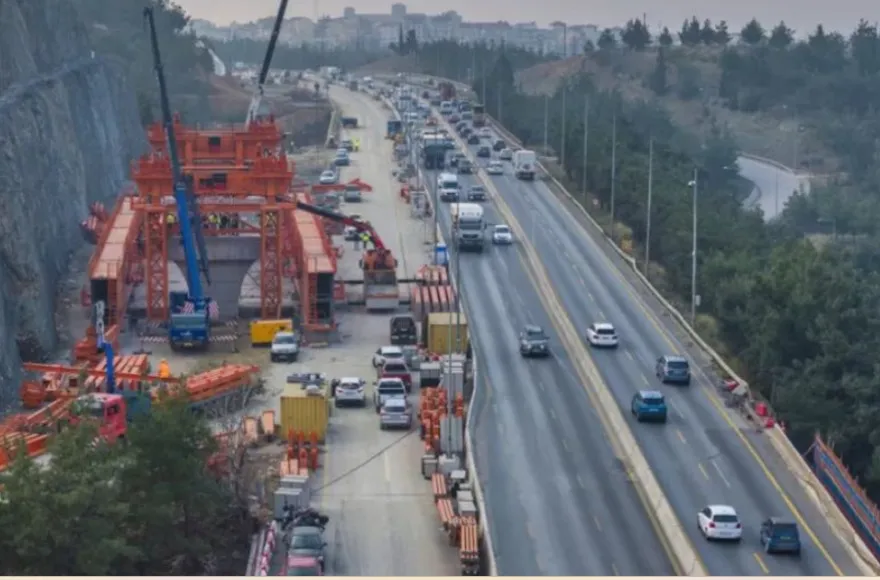
From 23:00 to 05:00 there is no getting through towards Evzoni. Towards Halkidiki - business as usual. Those heading on...
This site uses cookies - is that okay? Learn more
Be the first to know when Metla launches something new
Leave your email and we will write when there is a new guide or something new on Metla.