Six Men Brawled Outside the Police Station in Kočani: Now They'll Also Check What the Officers Were Doing
17.08.2026


17.08.2026
17.08.2026

17.08.2026

17.08.2026

17.08.2026

17.08.2026
17.08.2026
16.08.2026
15.08.2026
17.08.2026

17.08.2026
16.08.2026

17.08.2026

17.08.2026
17.08.2026

17.08.2026

16.08.2026
15.08.2026
17.08.2026

17.08.2026

17.08.2026
17.08.2026

17.08.2026
16.08.2026

09.03.2026

27.02.2026

19.02.2026
16.08.2026
15.08.2026
14.08.2026

23.04.2026

23.04.2026

12.04.2026
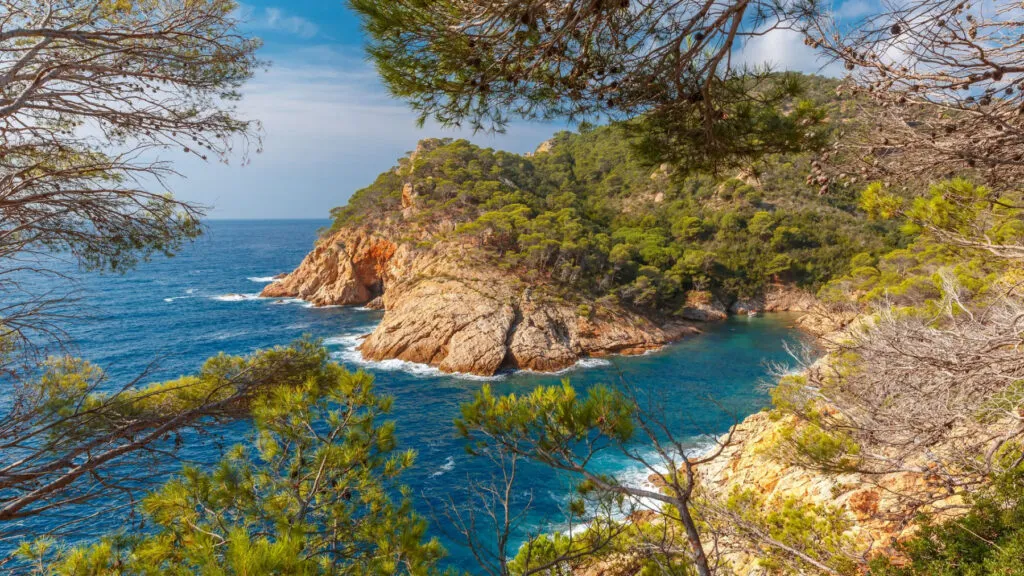
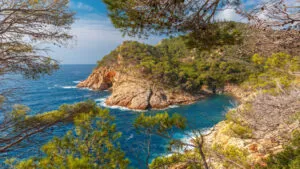
The Costa Brava is the coast where the pine forest comes down to the water and stops only when it hits rock. Between Blanes and Cap de Creus there are about a dozen small coves that tourist brochures photograph, and few people know how to reach them without losing the day hunting for a parking space.
This is the part worth knowing in advance, because the difference between a good day and a wasted one on that coast is usually settled before ten in the morning.
The ones you can reach by car
Aiguablava near Begur has fine sand and water so clear it looks Caribbean. The car park is close to the beach, which sounds like an advantage - and is, but only if you arrive early. In July and August the spot is in demand and full. An alternative few use: go up to the terrace of the Parador above the cove, have a drink and watch the sunset without going down among the parasols at all.
Cala Pola near Tossa de Mar is eighty metres of golden sand wedged between rocks and pine that literally touches the sea. You park at the campsite entrance and walk about four hundred metres downhill in the shade. There is a beach bar and a shower, and the water is sheltered from the wind - so it is good for snorkelling almost all year. Glass-bottom boats also set off from the shore.
The ones that need shoes, not sandals
Cala Jugadora near Cap de Creus is the wild option. The nature park, the lighthouse eighty-seven metres above the sea, dark oddly-shaped rocks and turquoise water between them. The path is steep and stony. No beach bar, nothing at all - you bring water, food and a mask, or you do not go.
Illa Roja near Begur is reachable only on foot, along the Camí de Ronda coastal path from the neighbouring Racó beach, descending steep steps. The cove is about a hundred metres, and its name comes from the huge reddish rock rising out of the water. Historically it is a beach where people swam without clothes.
Cala Rustella near Roses is eight kilometres from the town's bustle - a hundred and ten metres of crescent with pines coming down towards the water. The bottom is rocky, with posidonia meadows. It makes sense to come here with a mask rather than platform sandals: you walk two hundred metres along a dirt path to reach it.
The ones big enough not to elbow anyone
Cala Senyor Ramon near Sant Feliu de Guíxols is eight hundred metres of sand between rocks, which makes it one of the rare spots on this coast where you do not have to calculate your arrival time. There is free parking up by the road with a longer walk down, or paid parking on private land with direct access to the sand.
Sa Boadella near Lloret de Mar sits between the Santa Clotilde gardens and Santa Cristina beach - the only genuinely untouched stretch of sand in that area. The path through pine forest smells of resin, the bottom is shallow and rocky with caves, so it is good for a kayak or a mask. There is a zone here too where people traditionally swim without clothes.
And both extremes
Es Castell near Palamós is a beach the locals saved from development - and it shows. Pines and old village houses around it, not a single apartment block. Salvador Dalí and Josep Maria Sert painted here. In summer you park on a paid dirt lot, then walk ten minutes.
Aigua Xelida near Tamariu is at the other end of the scale: twenty-five metres in total. So small that catching it empty makes it feel private. Failing to catch it empty makes it feel like a waiting room. You come at dawn or you do not come at all.
Sant Francesc near Blanes is called Cala Bona by locals, and that is where the Costa Brava officially begins. It is semi-urban, with services - for those who want a good view and a coffee fifty metres away. When it gets too much, the Marimurtra botanical garden is right next door.
What all ten have in common is one thing: none of them is solved by announcing yourself. Half of them require setting off before eight in the morning, the other half require shoes with grip. That is the price of a coastline that still looks like itself.
The latest 10 news from this category
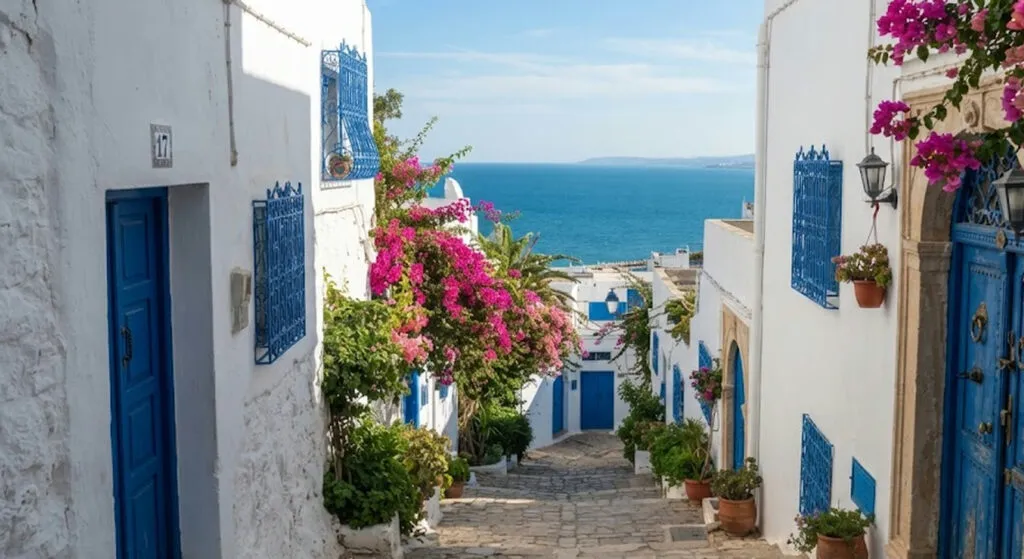
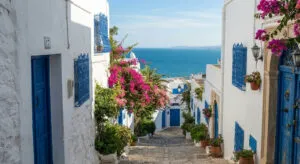
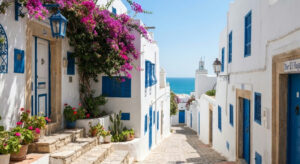
Twenty kilometres from the Tunisian capital, the most photographed village in the country. The aesthetic the world now protects was...
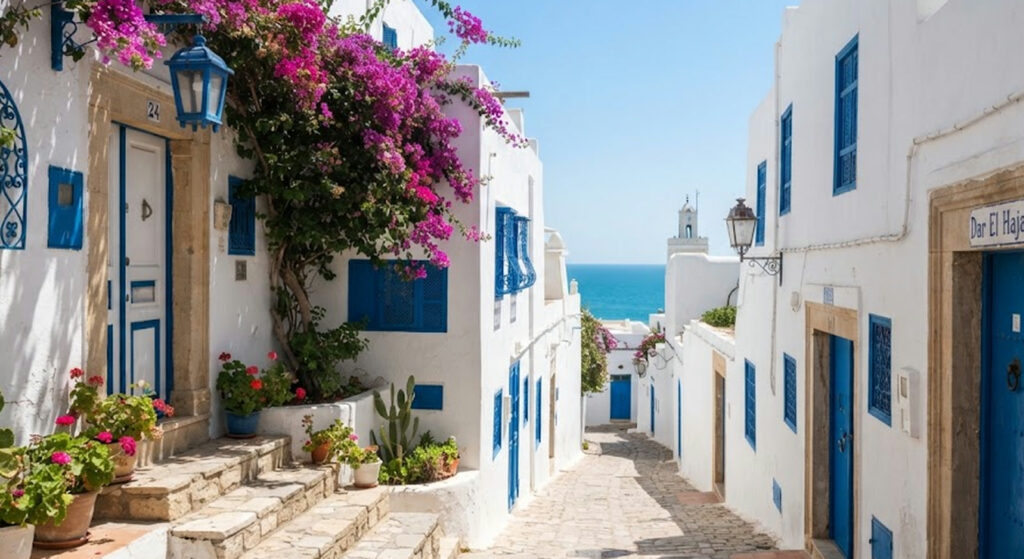
A British baron wrote the rule a century ago: facades white, doors and windows cobalt blue only. Not one owner...
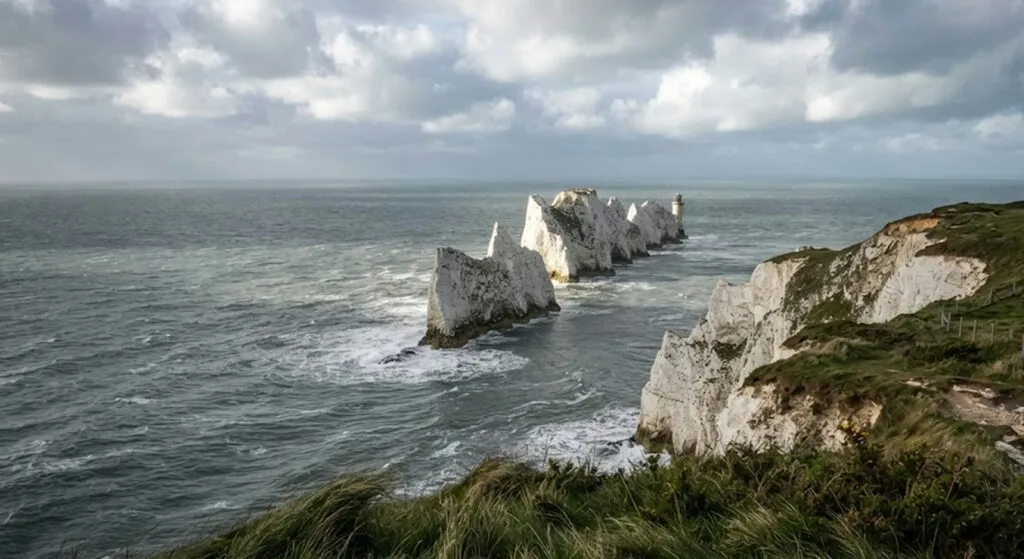
The world's only scheduled hovercraft service still runs there. Victoria called it her little paradise, so did Marx, and in...
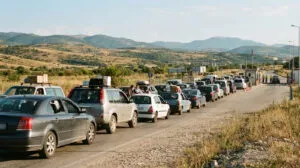
Eight days of measurements at the crossing into Macedonia show the hour you leave changes more than anything else. Between...
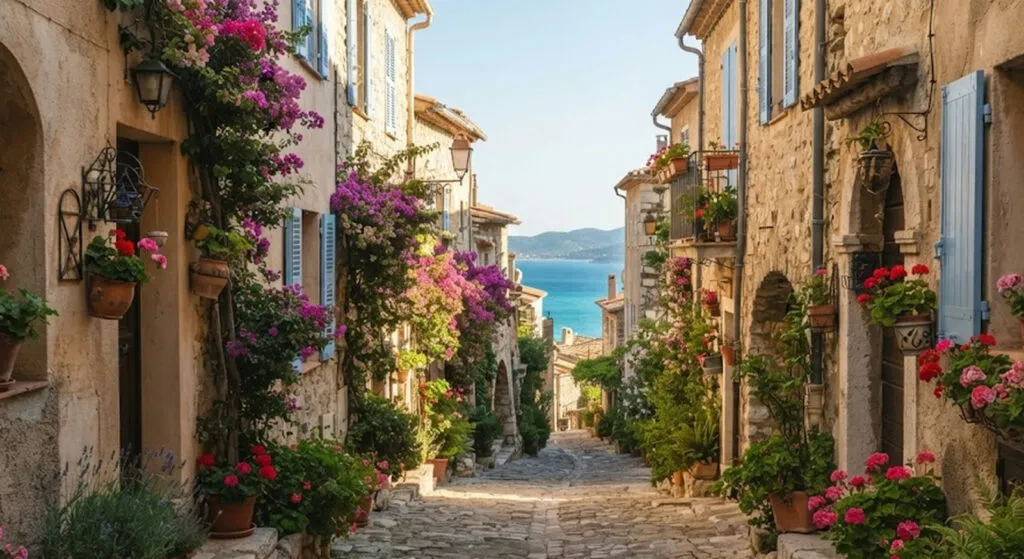
Hemingway, Picasso and Fitzgerald did not come on holiday - they came to live there for a season. Everyone copied...
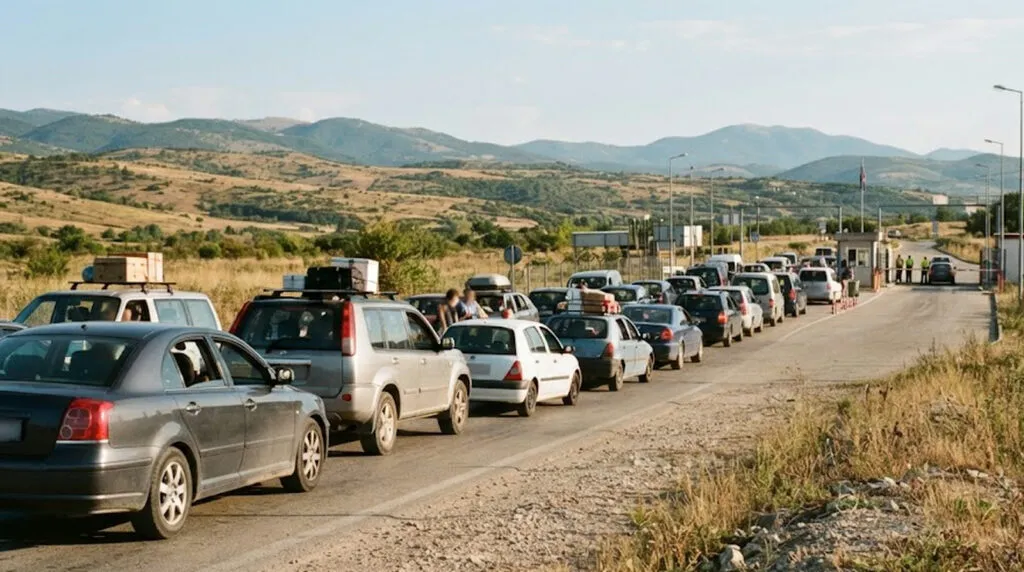
Three cars at midnight, twenty-nine at six in the morning. That same morning Medzitlija was empty, and the hour you...
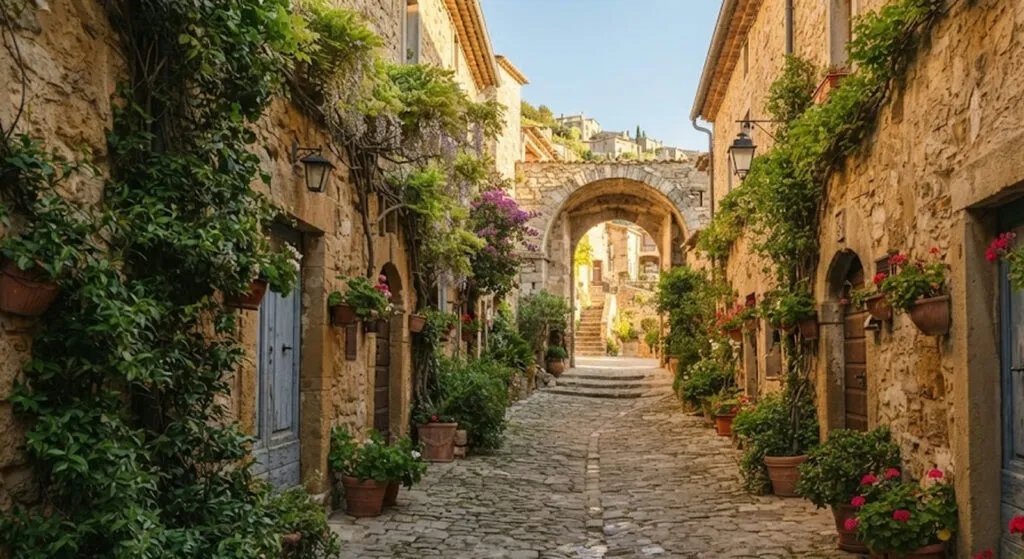
The moat around the village was not banked up but cut out of the stone. The shape stayed because for...
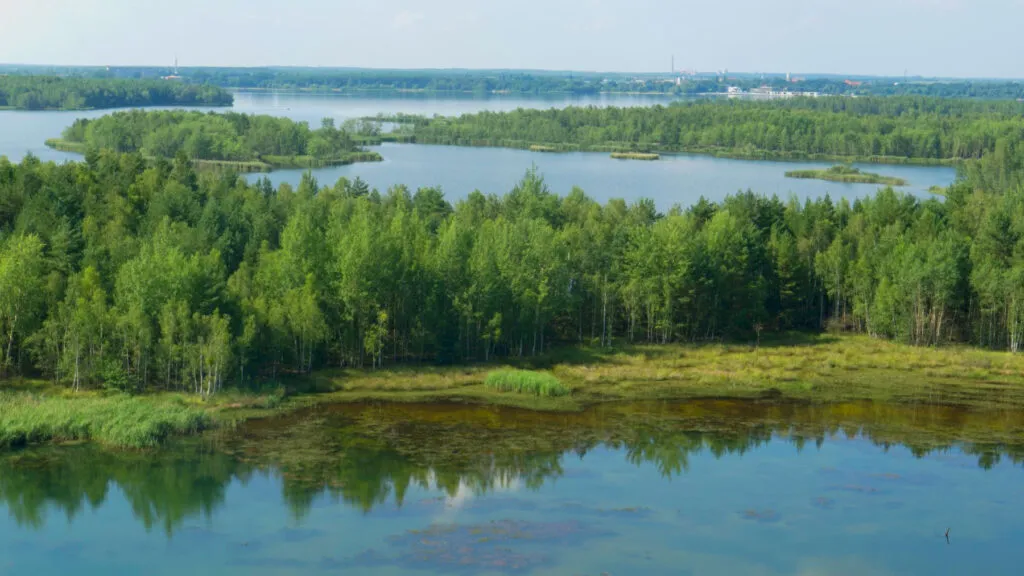
Two billion tonnes of coal taken out of the ground, and today they call the water the German Lake Como....
Bogorodica, Medzitlija and Star Dojran in one place - live cameras, queues hour by hour, and a forecast for the...
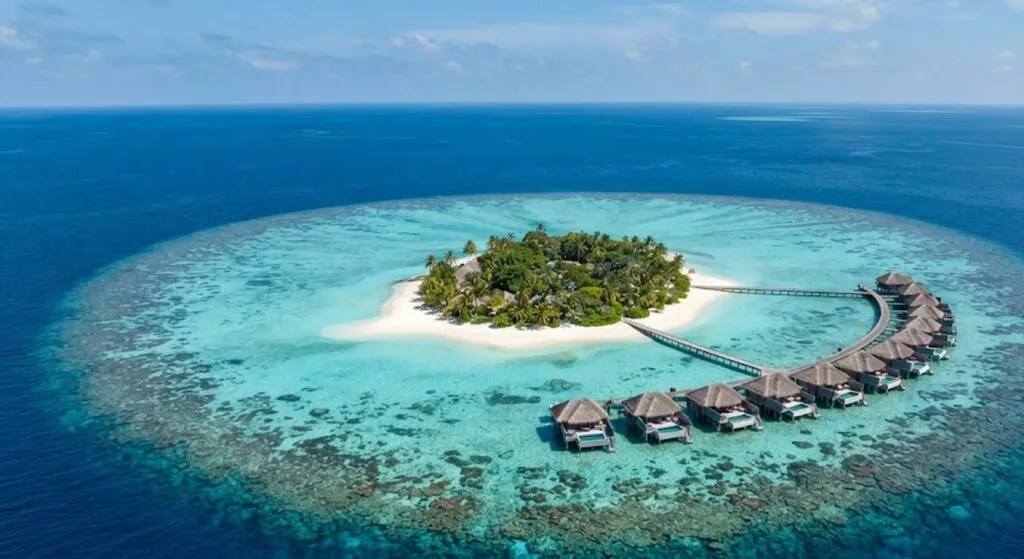
Of a thousand islands, only around a hundred have a single hotel each. There is another Maldives too - fishing...
This site uses cookies - is that okay? Learn more
Be the first to know when Metla launches something new
Leave your email and we will write when there is a new guide or something new on Metla.