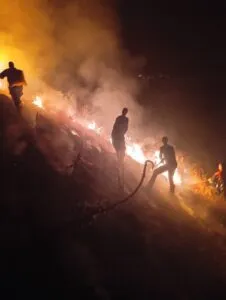
Twenty Fires in One Day, and the Blaze at Bogomila Was Stopped by Villagers and Veles Firefighters
15.08.2026


15.08.2026

15.08.2026

15.08.2026

15.08.2026

15.08.2026

15.08.2026

15.08.2026
14.08.2026
14.08.2026

15.08.2026

15.08.2026

14.08.2026

15.08.2026

15.08.2026

15.08.2026

15.08.2026

14.08.2026
13.08.2026

15.08.2026

15.08.2026

15.08.2026

09.03.2026

27.02.2026

19.02.2026

15.08.2026
14.08.2026

13.08.2026

23.04.2026

23.04.2026

12.04.2026

Two water samples, taken from the same measuring point, on two consecutive days. Two different institutions. Two opposite results.
Monday's sample, analysed by the Institute of Public Health in Skopje, showed the water does not meet the conditions set out in the drinking water regulations. Tuesday's sample, analysed by the Centre for Public Health in Veles, showed the water does meet those conditions, under the same regulations.
As a result, the Bošava utility company and local authorities in Demir Kapija imposed a full ban: water from the town mains must not be drunk, nor used to prepare food. The ban stands until the final results of a super-analysis arrive, scheduled for Monday.
The decision is right - and that is exactly what makes it worrying
When two measurements disagree, a ban is the only sensible move. Nobody should be leaving to chance the question of whether the water several thousand people are drinking is safe. In that sense, the utility did what it had to do.
But the situation itself raises a question bigger than Demir Kapija. If two accredited public health centres produce opposite findings from the same tap one day apart, then something in the chain - the sampling, the transport, the method, the network itself - is not working predictably.
One of three answers has to be true
Either the water was bad on Monday and cleaned itself up by Tuesday. Or one of the two findings is wrong. Or the water quality swings from day to day so much that a single measurement means nothing at all.
Each of the three possibilities demands a different fix, and not one of them is good news.
The context that cannot be skipped
This ban lands in the same week that Gostivar finally closed a crisis in which faecally contaminated water ran for twenty-two days and over 5,000 people ended up with health problems.
Demir Kapija is not Gostivar and there is no reason to fold the two stories into one. The difference matters: here the ban came before anyone fell ill, not three weeks after. That is the difference between a system that reacts and a system that apologises.
Until Monday, residents are boiling their water. And waiting for a third opinion on something they should have known from the first.
The latest 10 news from this category
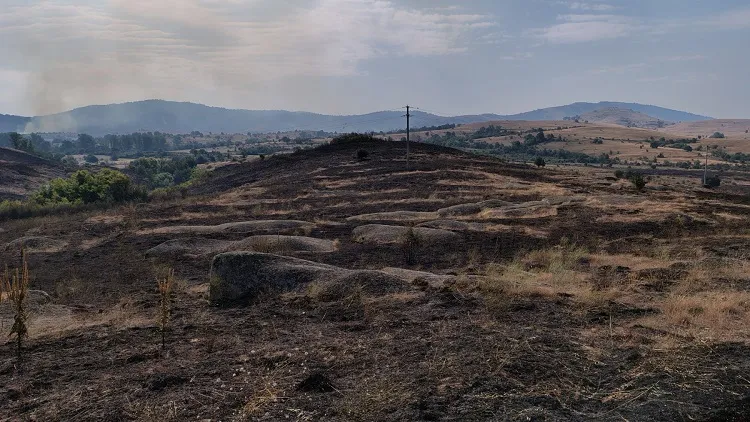
Makovo, Graešnica, Ivanjevci, Lozani - and the same finding at every location. It was not the drought, it was somebody's...
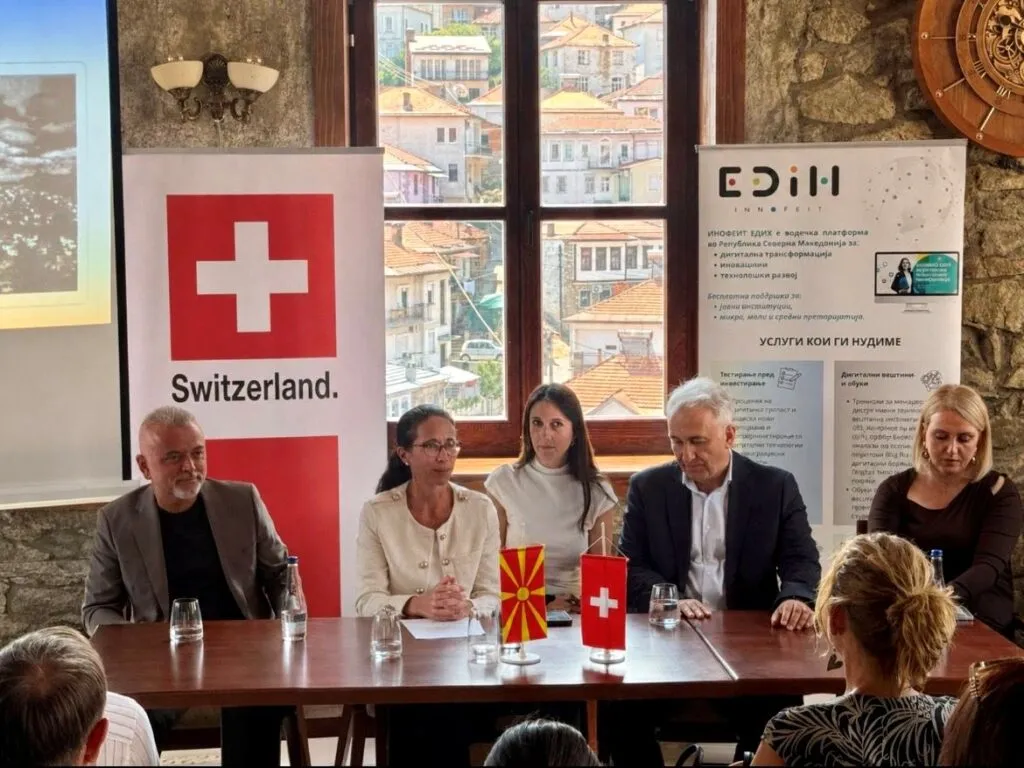
Certification as a green destination, a digital platform, a waste press. It works, and that is the point - if...
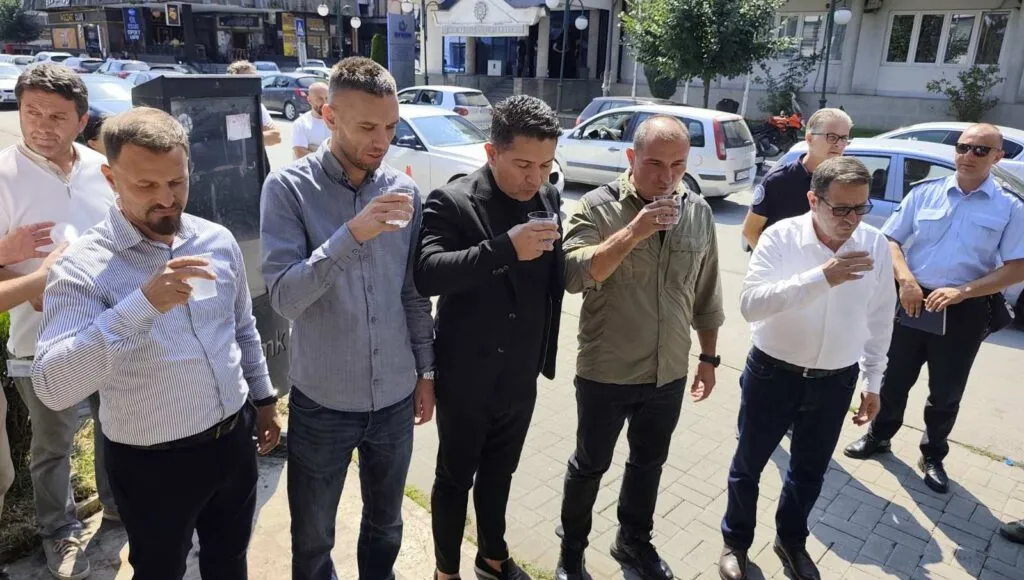
Twenty-two days of faecal contamination, over 5,000 people ill, three arrests. The end of the crisis was announced with a...
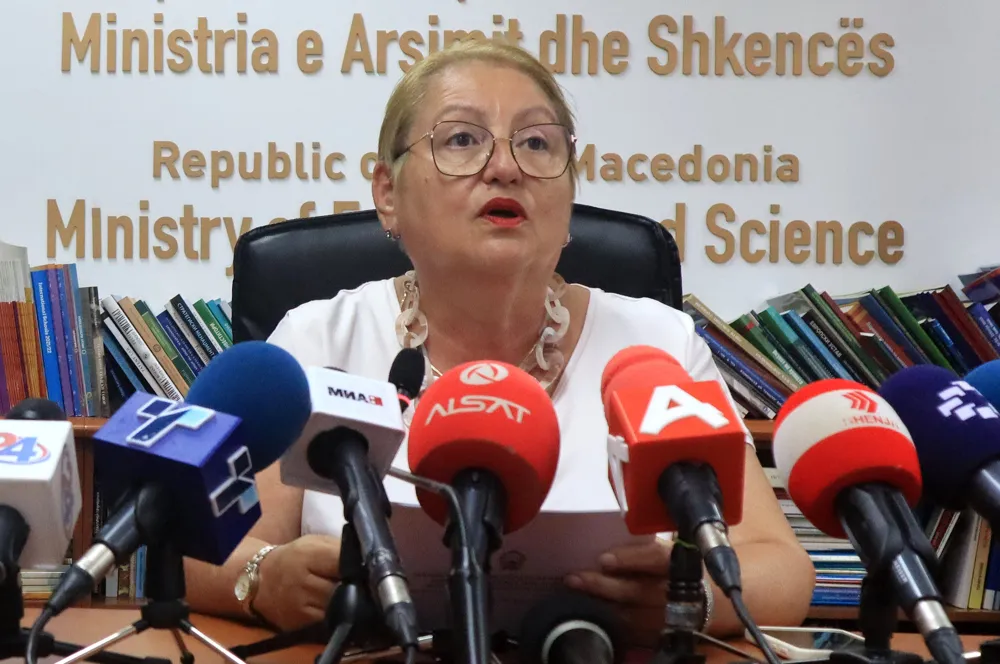
Cutting the administration quotas makes sense - it is just a few generations late. And a renovated dorm that has...
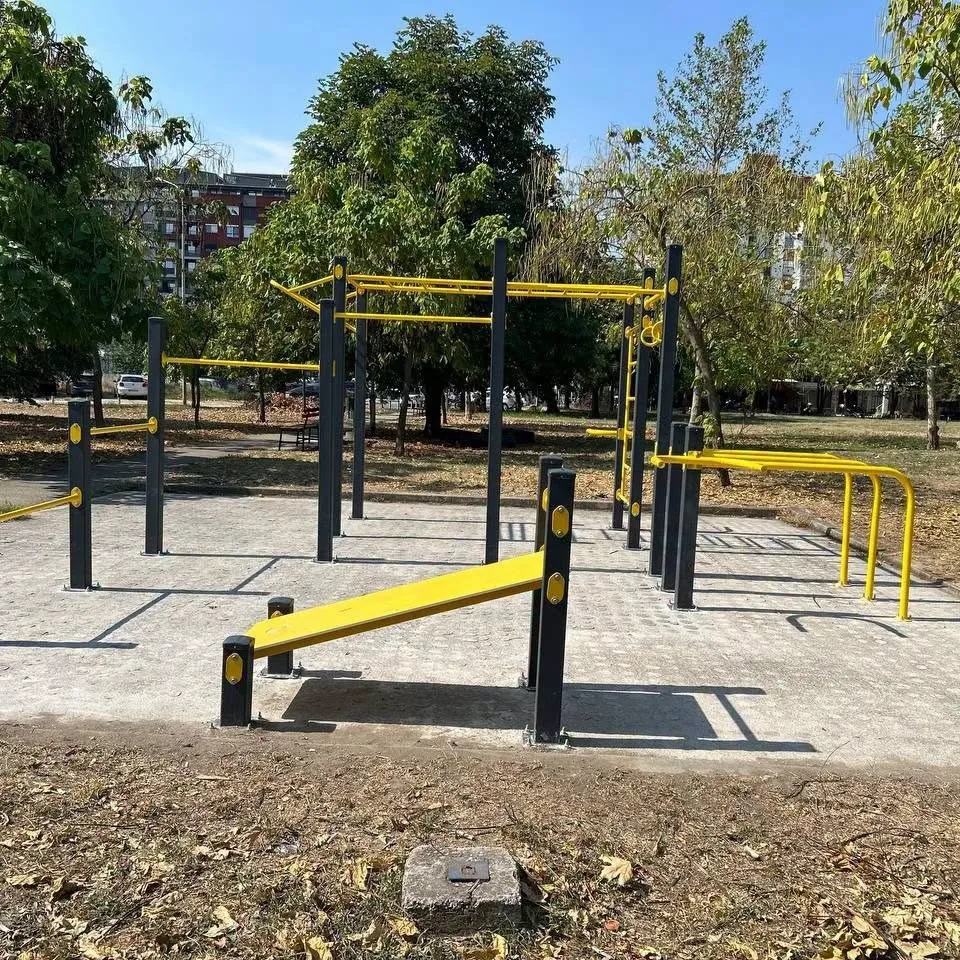
Five free zones have been announced and it is a good idea. Except that the equipment is a one-off cost...
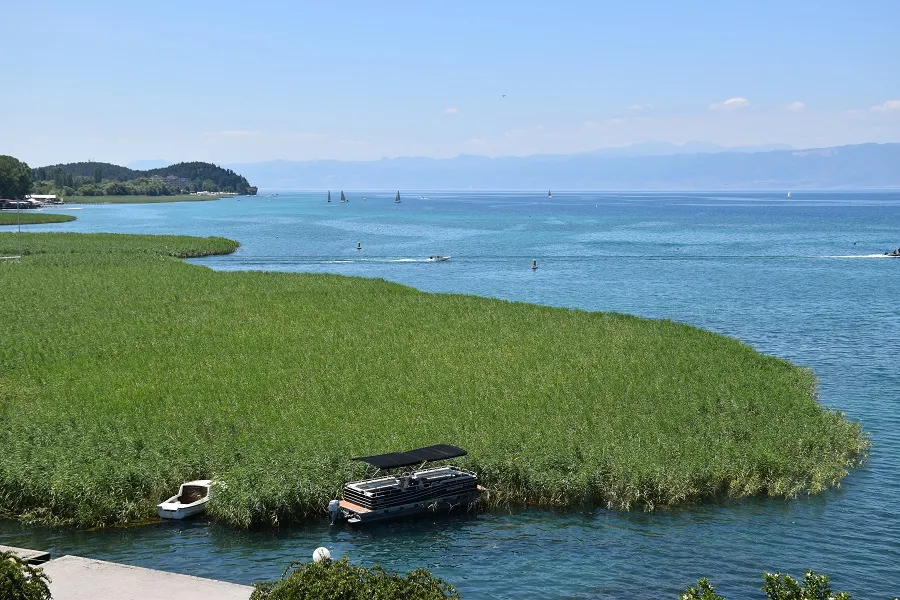
The level is holding, the temperature is running away. Two numbers telling the same story from two sides, and only...
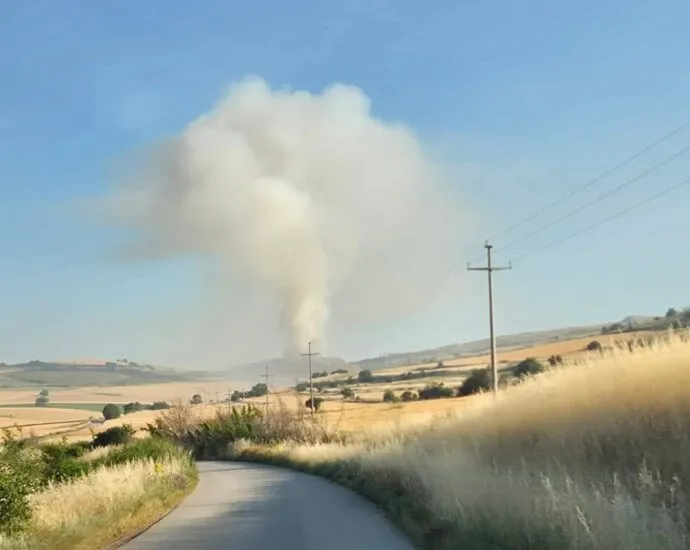
Methane breaks through in new places while others are being buried under soil. The problem is not unknown - what...
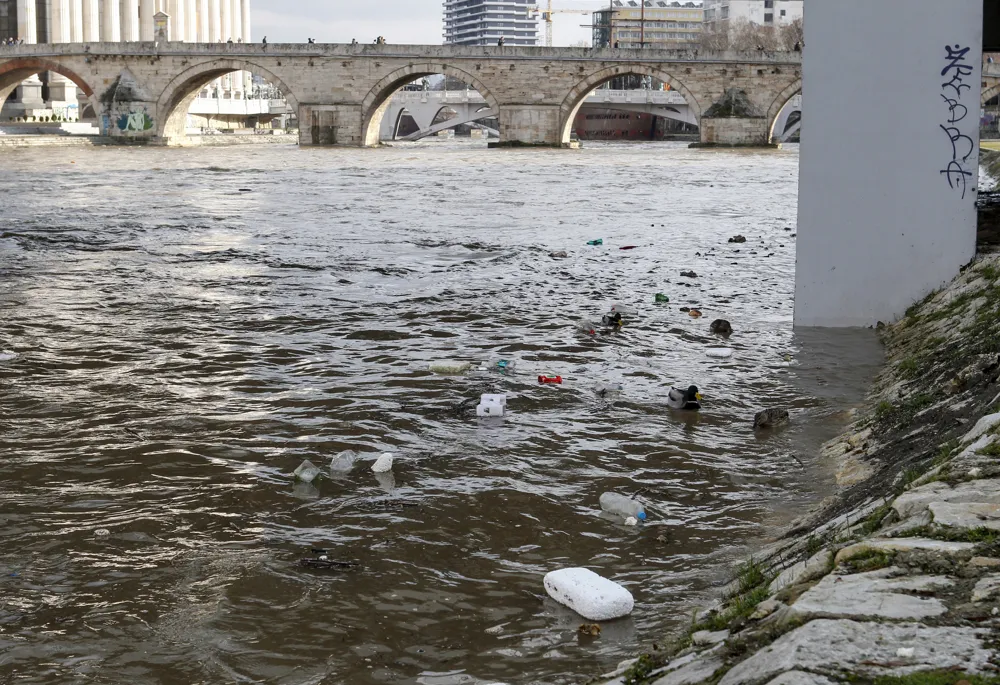
Only 23 percent of Skopje residents are satisfied with cleanliness, against a European average of 59. A bin does not...
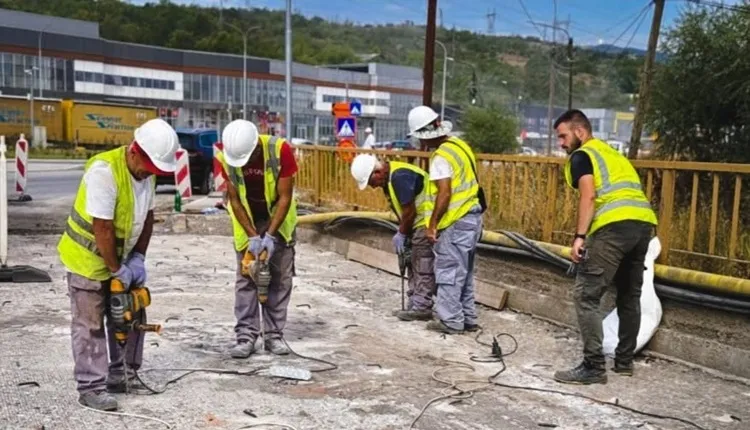
The state roads company looks after 1,100 bridges across the country. Once a repair becomes urgent it is no longer...
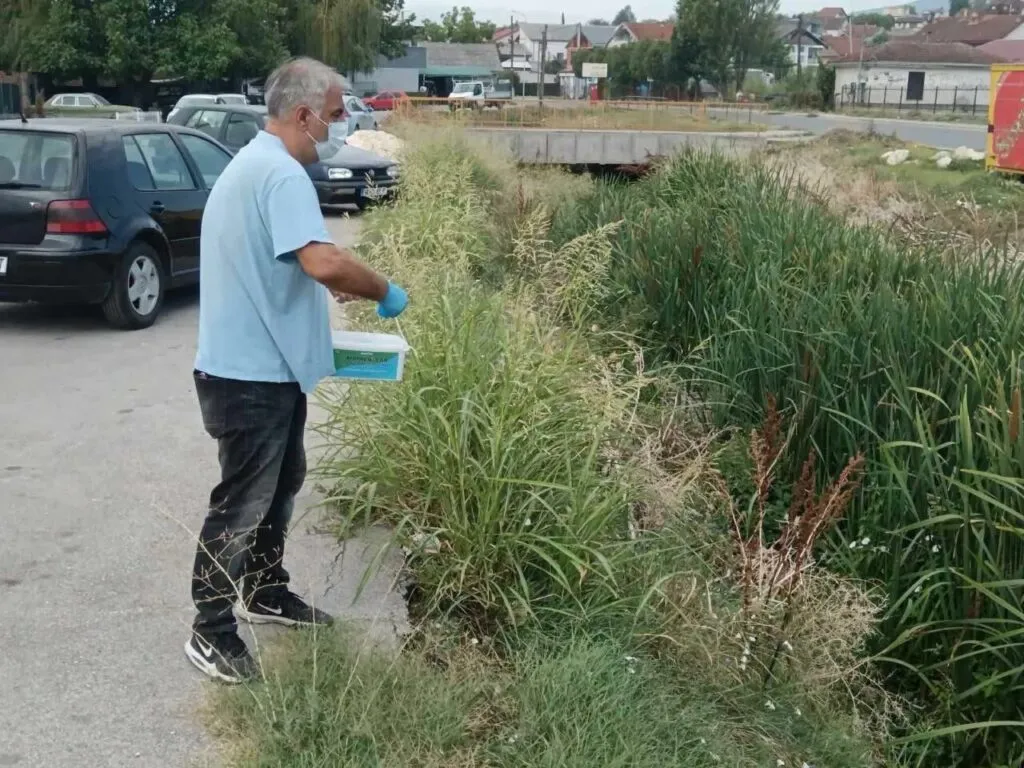
Mosquitoes do not recognise a municipal border. The pest control plan evidently does.
This site uses cookies - is that okay? Learn more
Be the first to know when Metla launches something new
Leave your email and we will write when there is a new guide or something new on Metla.