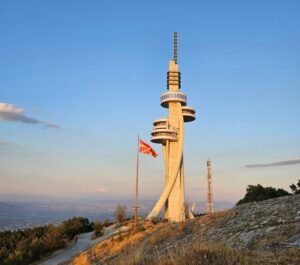
The Vodno Tower Was Finished in January, Opens Only in June: When Delay Becomes the Norm, We Stop Counting It
04.06.2026


04.06.2026

04.06.2026

04.06.2026
04.06.2026

04.06.2026
04.06.2026
04.06.2026

03.06.2026

03.06.2026

04.06.2026
04.06.2026

03.06.2026

04.06.2026

04.06.2026

04.06.2026

04.06.2026

03.06.2026

02.06.2026

04.06.2026

04.06.2026

04.06.2026

09.03.2026

27.02.2026

19.02.2026
14.04.2026

07.11.2025
07.11.2025

23.04.2026

23.04.2026

12.04.2026

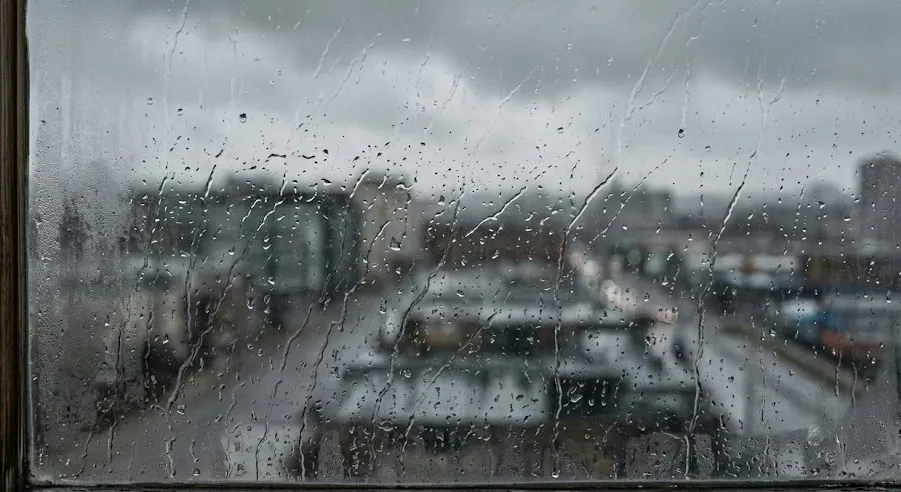
"It's literal. Depressed people see more grey." The sentence isn't a metaphor and it isn't poetic licence - it comes from a neurologist, the head of Spain's Brain Council. And if it sounds exaggerated, that's precisely the point: depression isn't just sadness, it's a change in the very way the brain perceives reality.
Mara Dierssen is describing something many people feel but few can name. "Our mental processes depend on the architecture and connectivity of the brain," she says. The brain's language is electrical and chemical - and when those circuits are disrupted, perception, motivation, emotions, even the experience of colour all shift. The world really does look duller.
The numbers behind this aren't small. Depression fails to respond adequately to existing treatment in about 30 percent of patients. In Spain alone, nearly 4,000 suicides are recorded each year. And the rate among adolescents is rising - partly, experts say, tied to the pressure of social media, which amplifies every insecurity instead of soothing it.
This is where the mechanism that makes depression so insidious lives: it creates cognitive distortions in which negative events get disproportionate attention. The bad is remembered, the good is skipped over. The brain, instead of an ally, becomes a filter that lets through only the dark tones.
But the same science that describes the problem also points to the protection. Quality connections with people, regular physical movement, enough sleep, constant learning, a sense of meaning. None of this is magic, nor a substitute for professional help - but it's no accident that these are exactly the things the Balkan tradition of community, in its better days, offered on its own. The question is how much of it we've let disappear in the name of being in a hurry.
The latest 10 news from this category
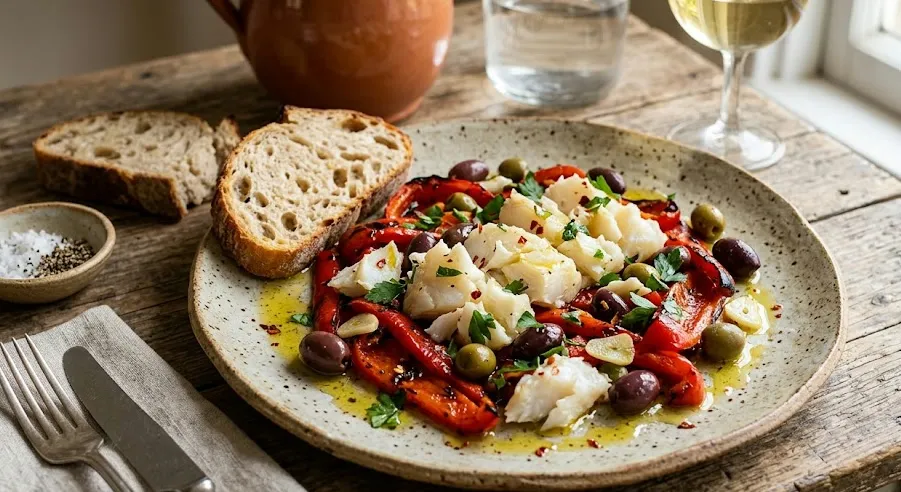
Esgarraet has neither fire nor rush - just a few ingredients and time. Roast, wait, and wait a little more....
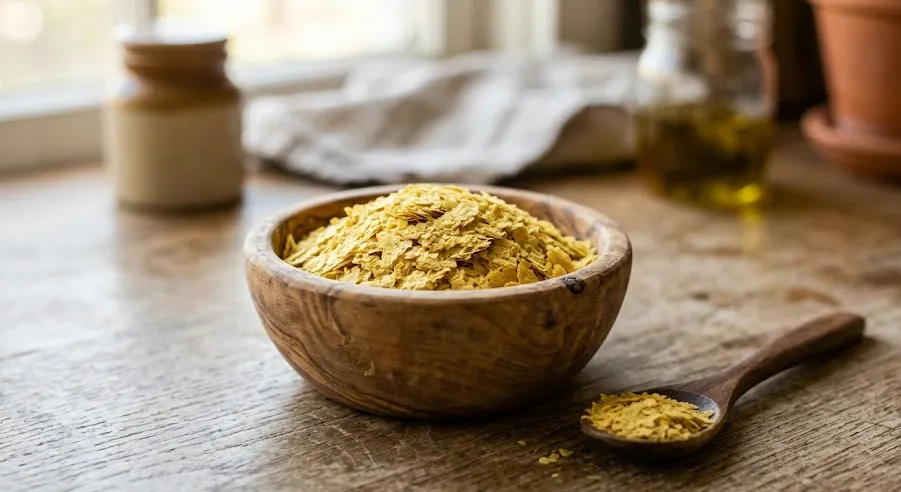
Nutritional yeast is over a third protein, full of B vitamins and without a drop of milk. A nutritionist: this...

It looks restaurant-grade but demands more patience than skill. One step makes the difference between juicy and dry - and...

A study of nearly 2,000 people: those with a richer intellectual life have a 38 percent lower risk of Alzheimer's....
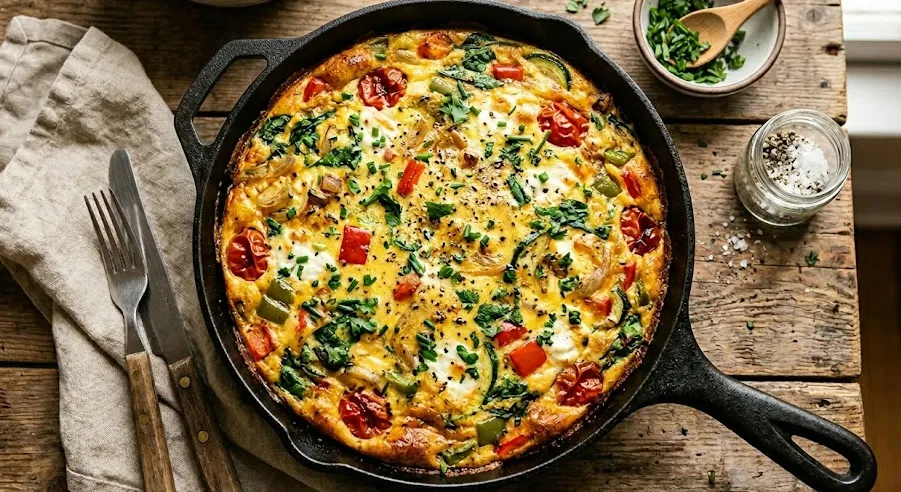
Start on the stovetop, finish in the oven, and no flipping. The Balkan grandmother knows this logic without an Italian...
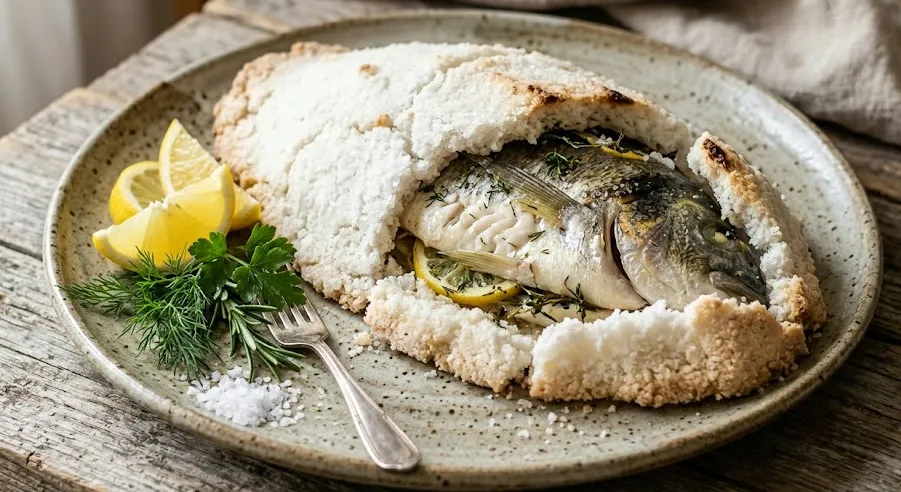
Two kilos of salt, an egg white and 30 minutes in the oven. The salt never gets inside - it...

From the wardrobe to friendships and thoughts - decluttering as a way to live more lightly. We don't get happier...
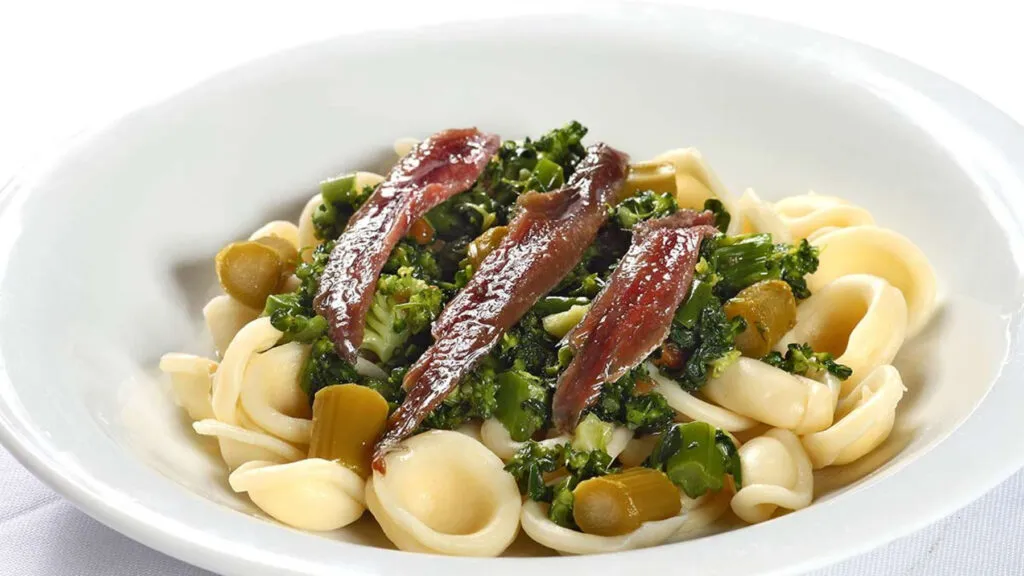
A handful of ingredients, one pan, and a result that smells of Mediterranean summer. The anchovies don't dominate - they...
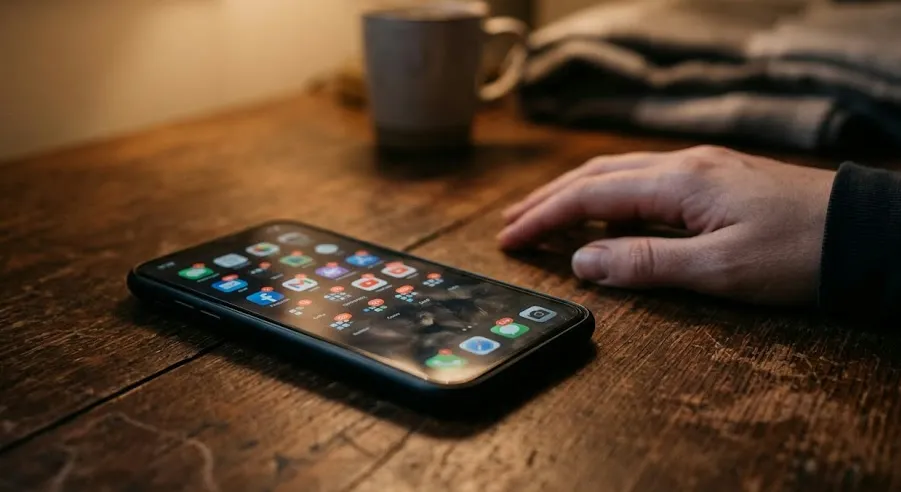
Being late more rarely means you don't care, and more often that the brain has no energy for one more...
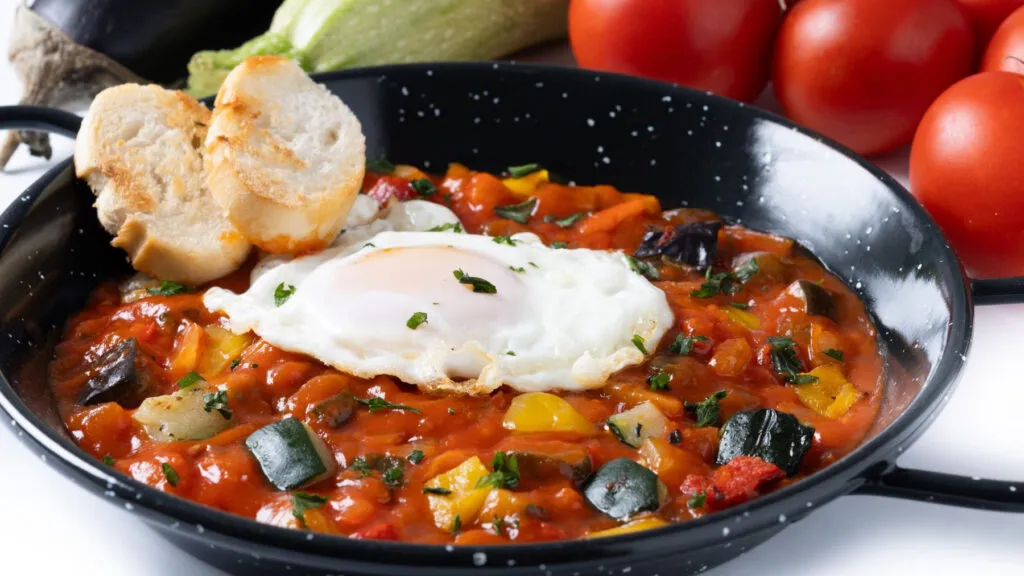
Vegetables cooked for 40 minutes on the lowest flame. It is spectacular the next day, and the real service is...