
Three of Four Sensors Were Dead: Skopje's Vodno Cable Car Ran Fifteen Years Without a Real Service
17.09.2026


17.09.2026

17.09.2026

17.09.2026

17.09.2026

17.09.2026

17.09.2026

17.09.2026

16.09.2026

15.09.2026

17.09.2026

17.09.2026
16.09.2026

17.09.2026

17.09.2026

17.09.2026

17.09.2026

16.09.2026

15.09.2026

17.09.2026

17.09.2026

17.09.2026

17.09.2026

17.09.2026

17.09.2026

09.03.2026

27.02.2026

19.02.2026

23.04.2026

23.04.2026

12.04.2026

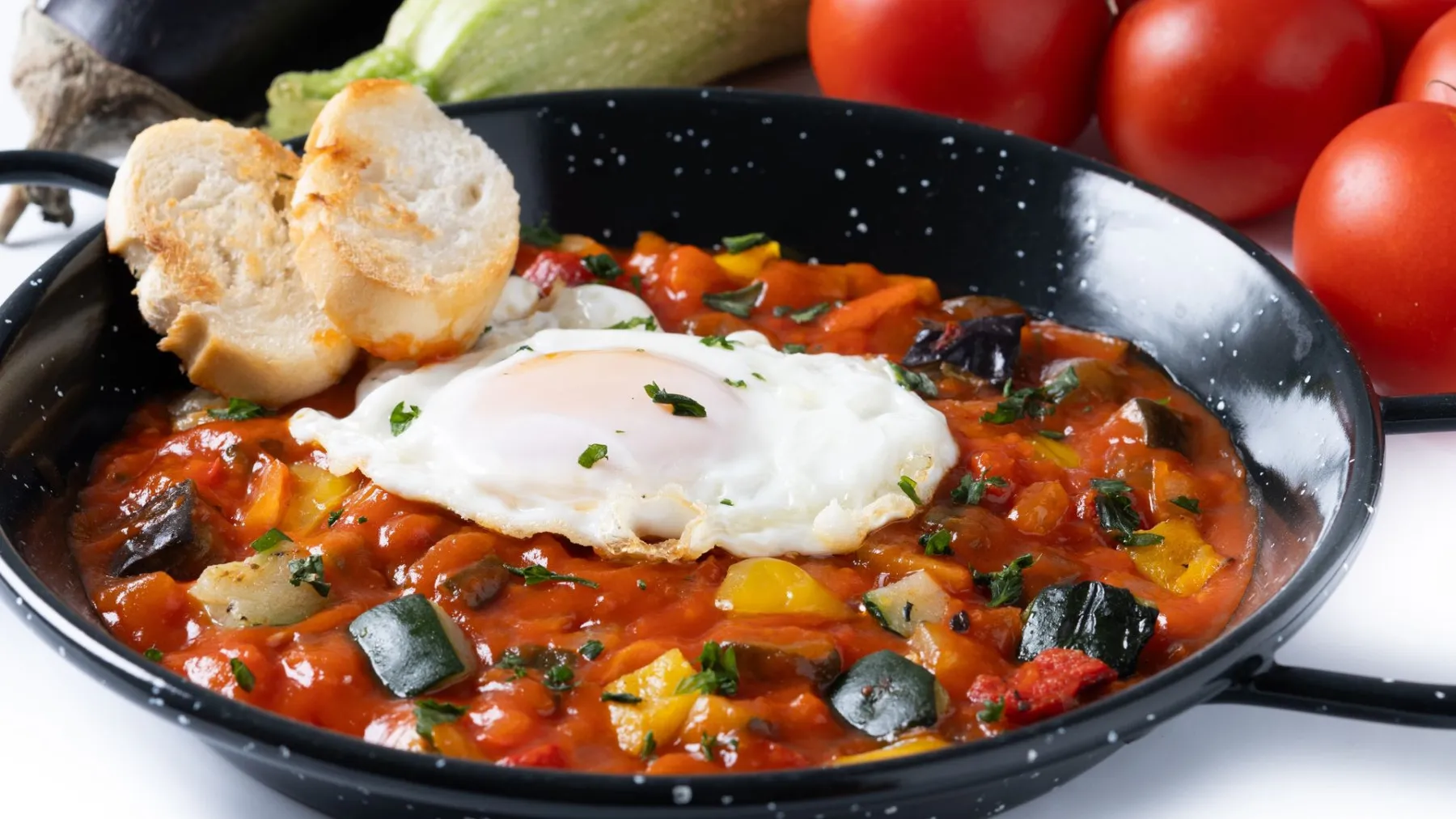
Pisto manchego is one of those dishes that look simple on paper but in the mouth show why Spanish regional cuisine is one of the oldest in Europe. Tiny pieces of vegetable - courgette, two peppers, onion, tomato - are cooked long and slow, on an exceptionally gentle flame, until they turn into what is almost a single structure. The word "pisto" comes from the Latin pistus, meaning "crushed" or "ground" - and that is exactly the effect: vegetables so tender they melt, but do not fall apart.
Historically, pisto is the food of the shepherds and peasants of Castilla-La Mancha, cooked outdoors over fire with whatever was in the garden. The most orthodox version contained only oil (or lard), tomato and pepper, cut into tiny pieces over low heat. French ratatouille, Sicilian caponata and Maghrebi shakshuka are close cousins - all descended from the Arab dish alboronía, mentioned in "One Thousand and One Nights". The Spanish piperade (Basque), zangolo (Murcian) and samfaina (Catalan) are regional siblings.
The secret is not in the additions, but in the order and the time. First the onion and pepper - 15 to 20 minutes on low heat, until they soften and release sweetness. Then the courgette and the tomato. All the pieces must be cut to the same size - otherwise some will fall apart while others are still raw. Tomato, if seasonal and ripe, is dipped 30-40 seconds in boiling water, lifted out into iced water, peeled, deseeded, and only then chopped. If it is not the season - a quality canned tomato works without shame.
The vegetables are cooked covered for 30 to 40 minutes on the lowest possible flame - not boiling, just sweating. Then the flame is raised for five minutes to evaporate the excess liquid. The oil must be a good cold-pressed olive oil; overly bitter ones will spin the flavour off. Pisto is good straight away, but spectacular the next day - the flavours bind while it sits in the fridge, and what you eat tomorrow will be different from what you have tonight.
The classic service: with a perfectly fried egg on top, with plenty of bread. It is a village supper that every Spanish café in La Mancha has on the menu. For Balkan readers who want a similar version - this is the same principle as our đuveč or Roman "caponata": vegetables, time, and a flame that does not let anyone rush.
The latest 10 news from this category
Home-made chicken curry fails at the same point for everyone. The difference is made by one step that has nothing...
Jose Andres has lived in America for over thirty years, and when asked for his favourite American dish he named...
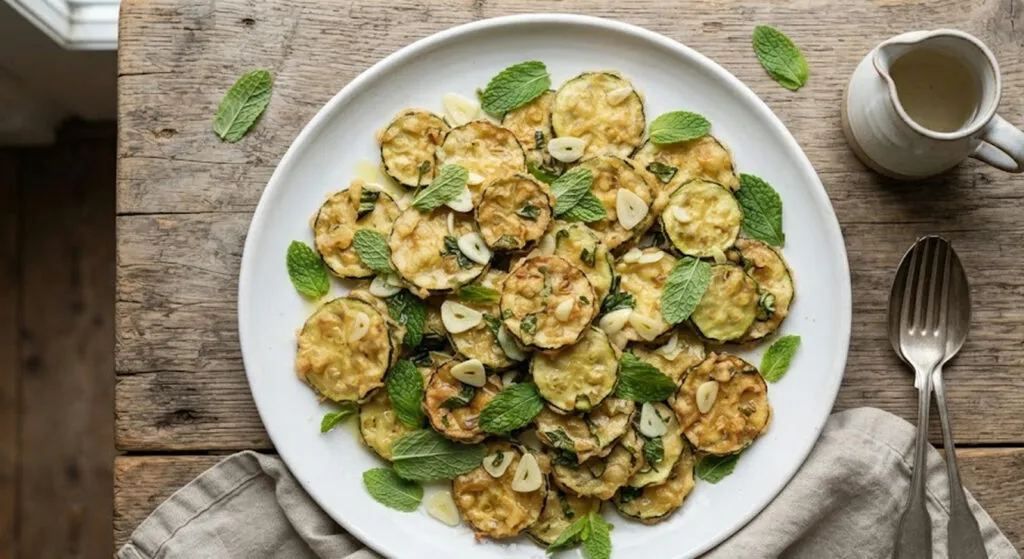
A kilo of courgettes, mint, garlic and eighty millilitres of vinegar. Not one expensive ingredient - and the water you...
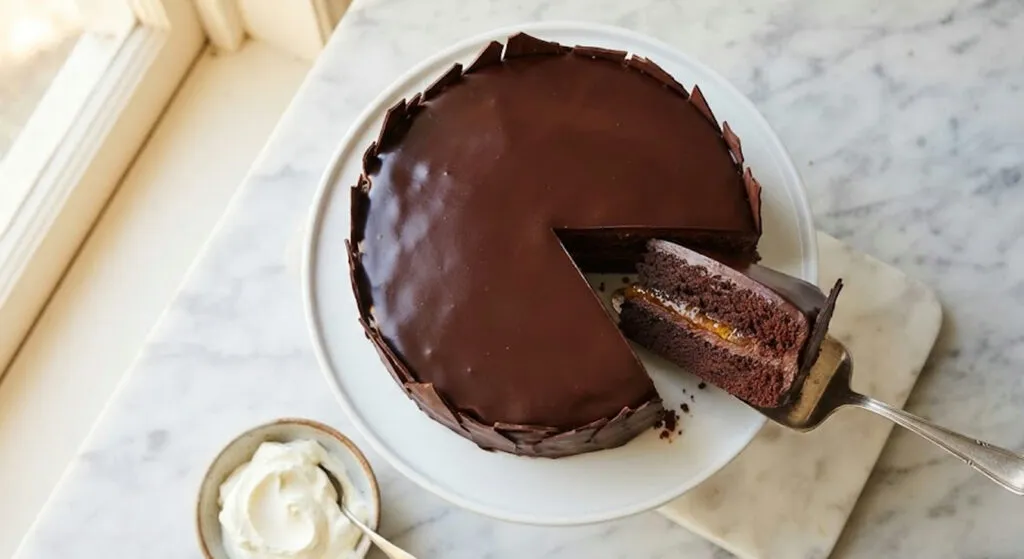
Whoever beat all the eggs together made a different cake. And the glaze must not pass 45 degrees, or the...
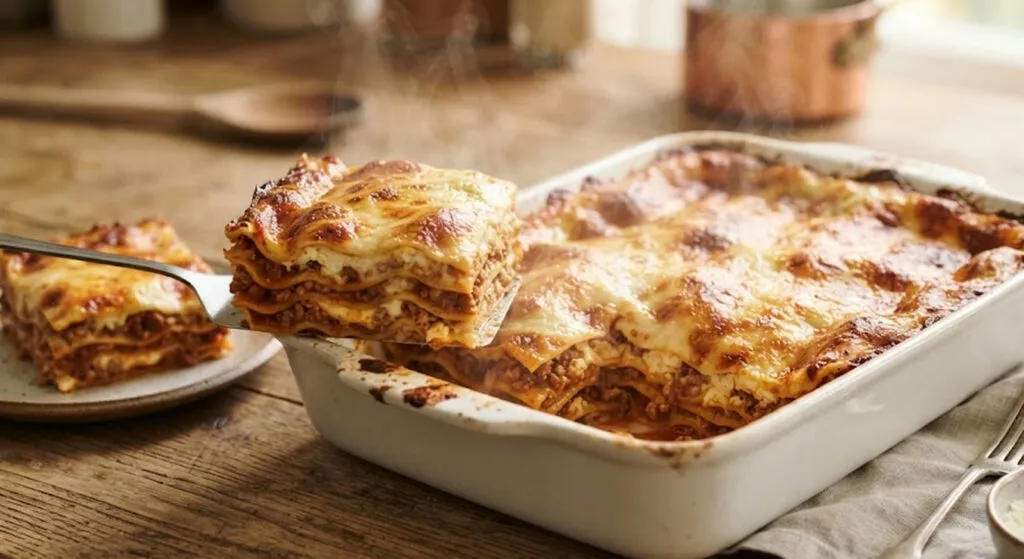
One rule applies to all three and it is the one most often skipped. It is not a recommendation to...
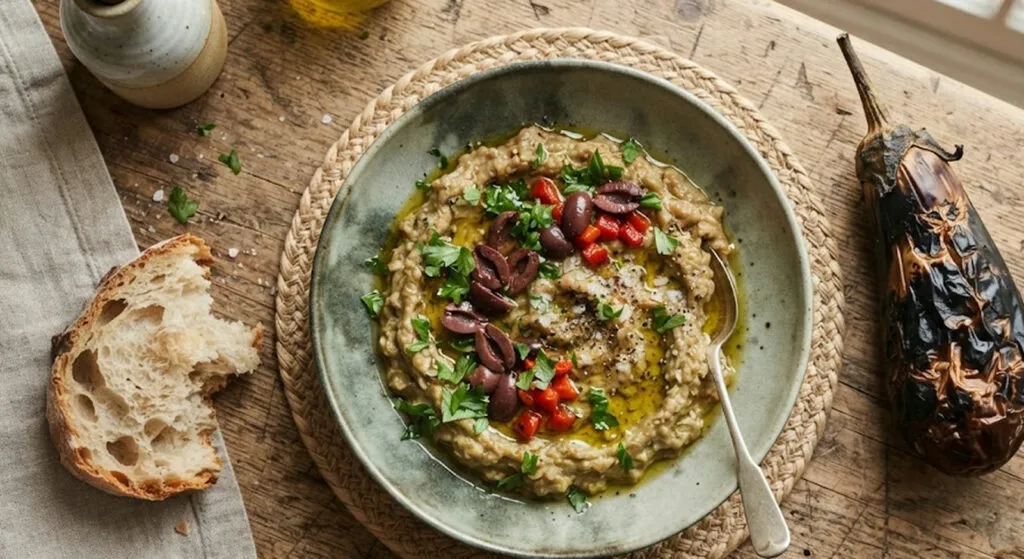
One single ingredient separates melitzanosalata from mutabal - tahini. Three aubergines, one clove of garlic, and an oven at 220...

The chicken ends up in the pan anyway. The salad that was sitting half a metre away does not.
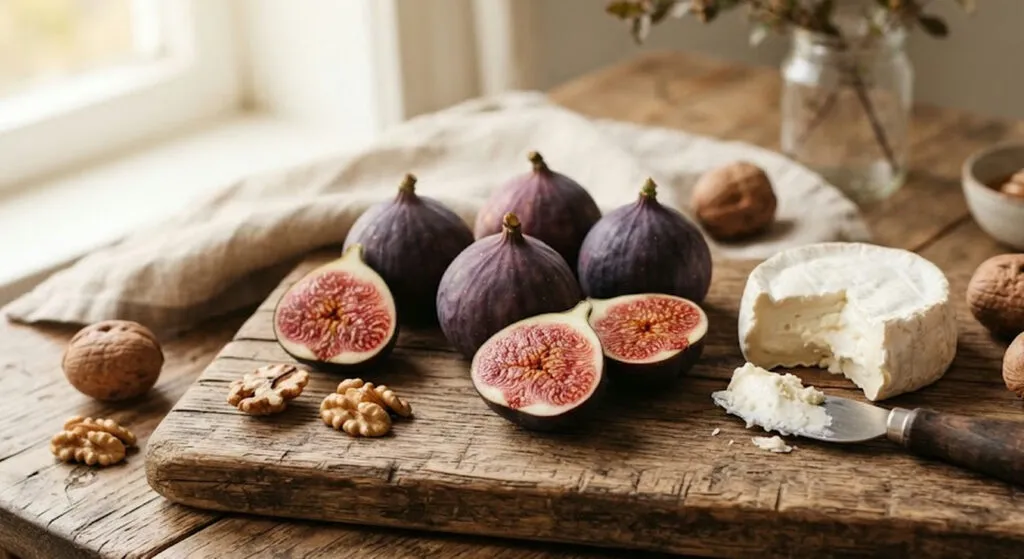
This year the season started as early as August because of the heat. From breakfast to pizza - everywhere a...
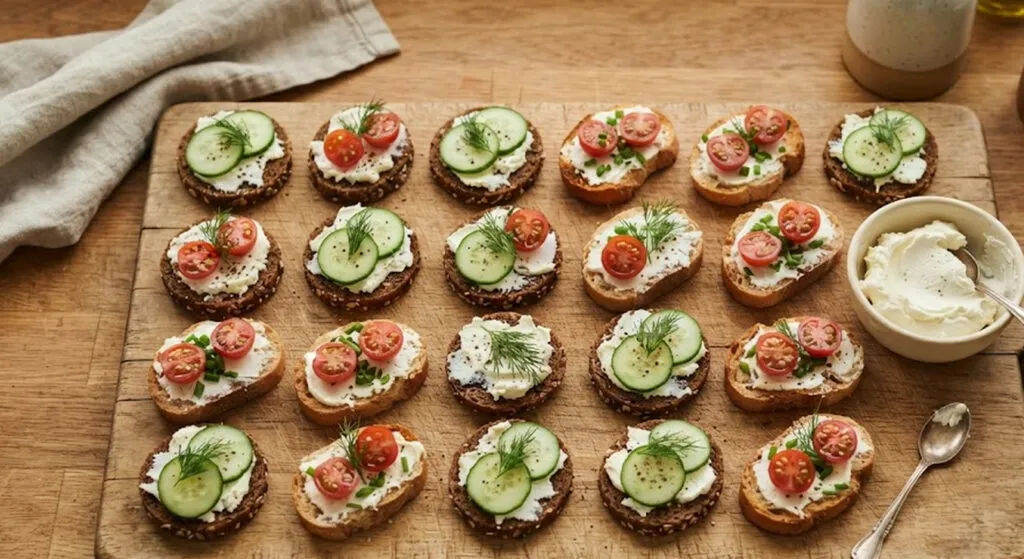
The recipe is not hard, the temperature is wrong. Ten cream cheese canapés and the two rules without which none...
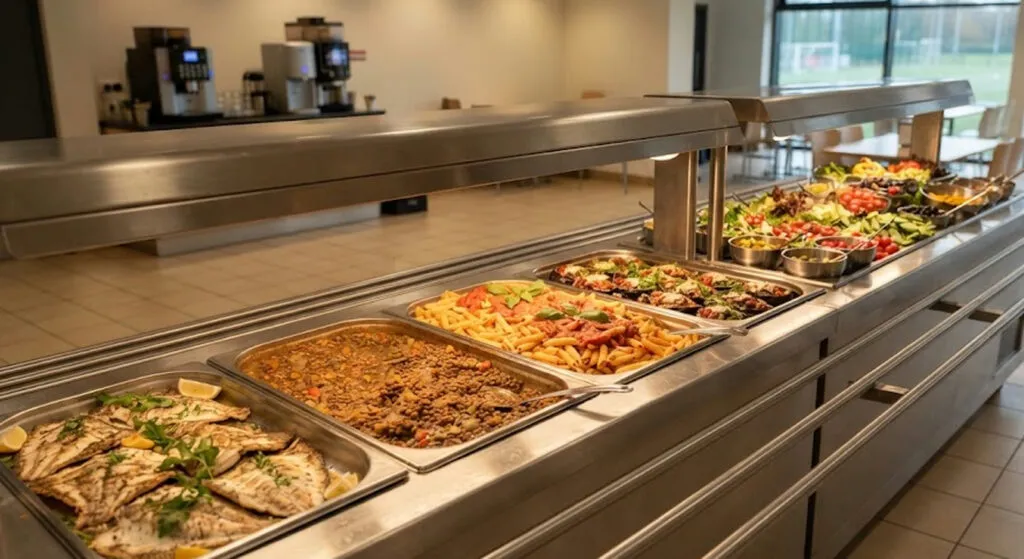
The image of boiled chicken breast is wrong. The indulgence is planned, not broken.
This site uses cookies - is that okay? Learn more
Be the first to know when Metla launches something new
Leave your email and we will write when there is a new guide or something new on Metla.