
The "Lottery" Trial: 231 Pieces of Evidence, and So Far Not a Single Message Between Grubi and Bajrami
24.09.2026


24.09.2026

24.09.2026

24.09.2026

24.09.2026

24.09.2026

24.09.2026

24.09.2026

23.09.2026

22.09.2026

24.09.2026

24.09.2026
23.09.2026

24.09.2026

24.09.2026

24.09.2026
24.09.2026
23.09.2026
22.09.2026

24.09.2026

24.09.2026

24.09.2026

24.09.2026

23.09.2026
23.09.2026

09.03.2026

27.02.2026

19.02.2026

24.09.2026
23.09.2026

22.09.2026

23.04.2026

23.04.2026

12.04.2026

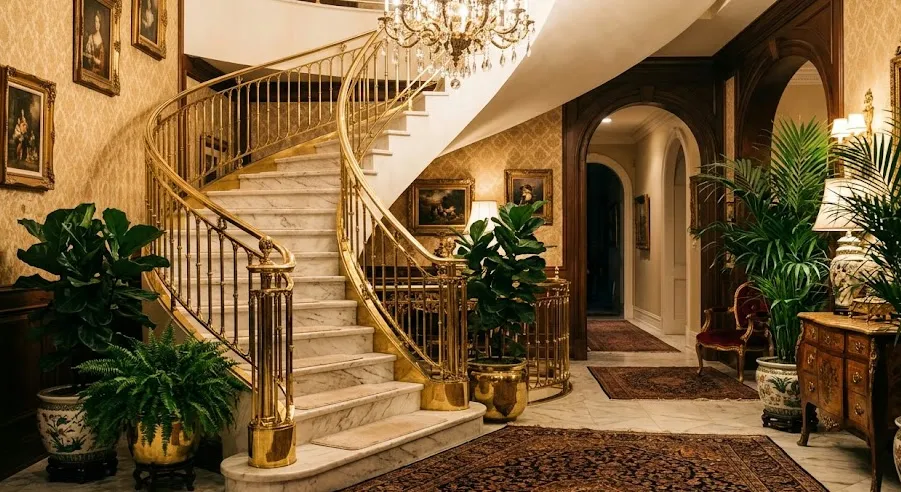
Twenty years after the death of Rocio Jurado, one of Spain's greatest singers, her home in Madrid's elite La Moraleja district is again in the spotlight. The house, bought in 1988, is a living capsule of one aesthetic period - the lavish maximalism of the eighties and nineties, when luxury wasn't hidden but shown off in every corner.
The entrance sets the tune at once. A spiral marble staircase with bronze railings, Persian rugs and climbing ficus plants that bring greenery into the space - a detail we'd call "biophilic design" today, but back then was simply beauty. This is not a home introduced quietly; it presents itself.
The main salon is split into several smaller sections with a fireplace, cream-coloured silk stools and wall-to-wall carpet. The paintings are hung gallery-style, frame to frame. Beside it sits a lower seating level with ceramic floor tiles, jacquard cushions and directed lighting - a space meant for conversation, not posing, even if it looks like a stage.
But the real stamp of personality is downstairs. In the basement - a tablao, a Spanish flamenco bar, with a gym and an indoor heated pool right next to it. The music room, meanwhile, keeps a walnut piano with a bronze bust of Rocio herself and platinum records hung on the walls. When a singer's house has a dedicated music room with her own monument inside it, that says everything about how consciously the legacy was built.
The other rooms hold the same note. A gallery-library with white lacquered built-in shelves, ceramic vases and fans. A dining room with lace covers and Austrian curtains falling like theatrical drapery, with arrangements of lemons on the table. And outside - a pool and a landscaped garden wrapping around the two-storey villa. Custom furniture pieces run throughout the house, including "throne-like" armchairs in purple brocade with woven details.
For the Balkan reader, a home like this is at once fascinating and familiar. Fascinating in scale; familiar in logic. It's the same impulse we see in our own people the moment they come into money - the home speaking louder than its owner, every room proving something. Thirty years on, it's precisely these houses that become an archive of an era. Taste ages, but the story they tell about their owner - that stays.
The latest 10 news from this category
Luxury isn't about showing off, it's about detail, says the architect. That's why the best light in this flat went...
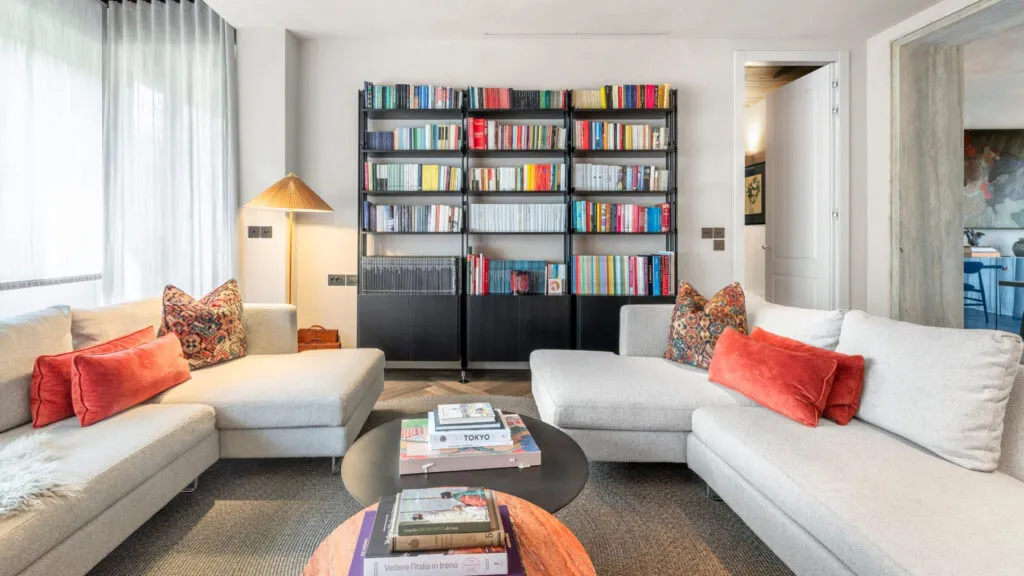
The exposed brick and ribbon windows stayed, and the entire palette came out of a single painting above the sideboard....

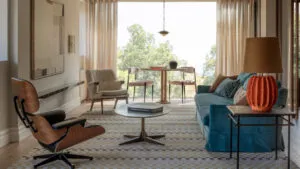
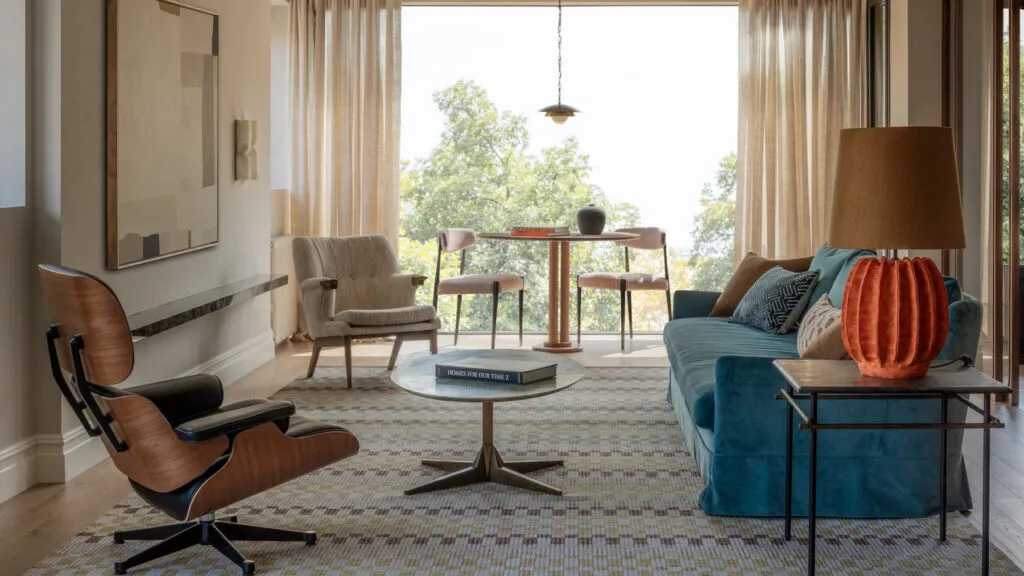
An Eames lounge chair from 1956, a Fratini shelving unit and a concave cobalt mirror that reflects the room curved....
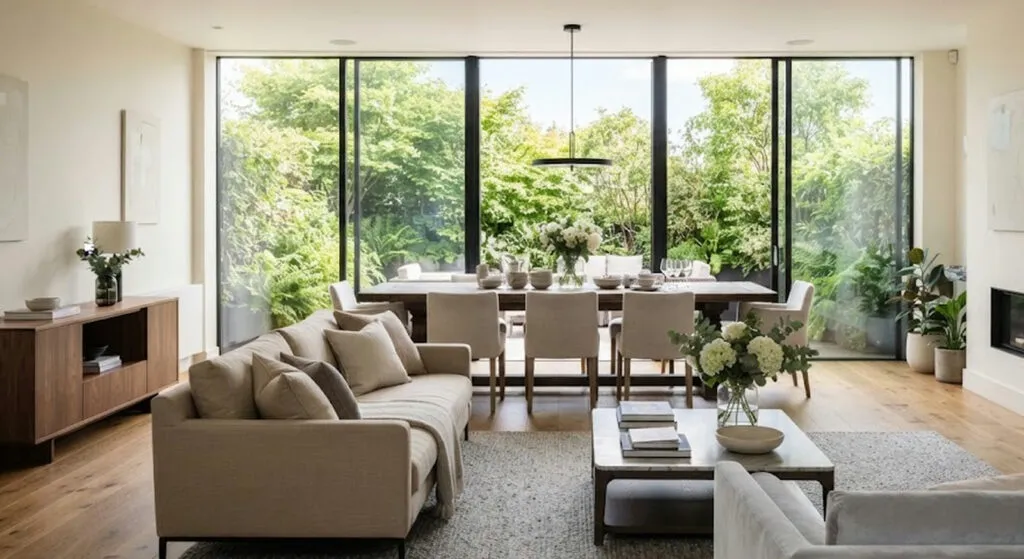
Four bedrooms, four bathrooms and one rug that keeps the dining area separate without a wall. Three things in this...

She did not decorate a house - she built a world. And behind all that fantasy there is no inheritance,...
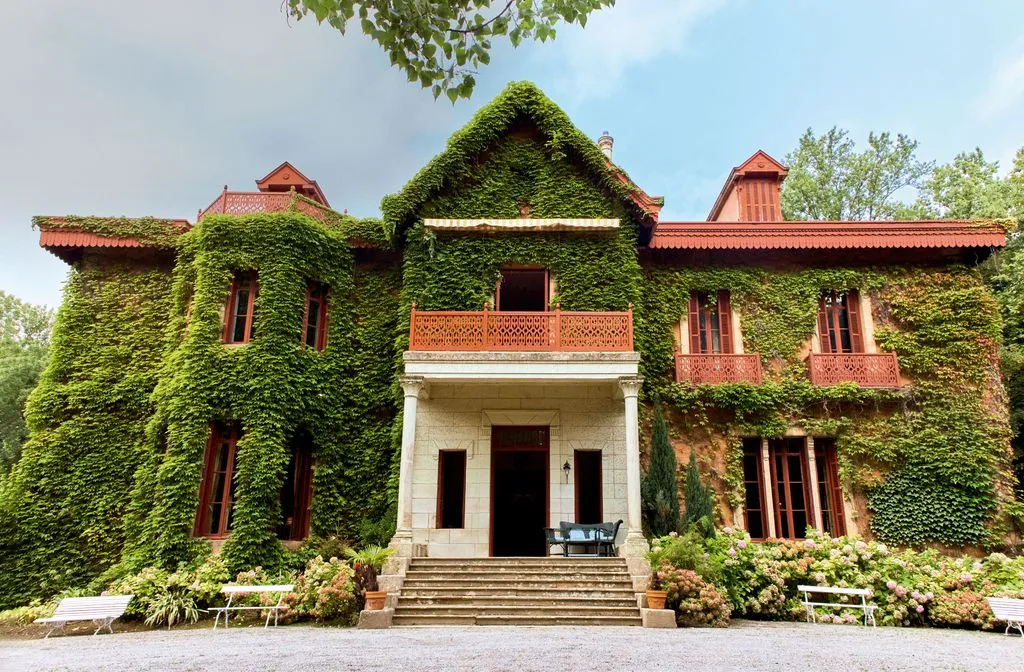
The stairwell has been turned into a gallery, and in the bedroom there is not a single attempt at an...

In the vast majority of flats the ceiling stays white because that is how it was found - not because...
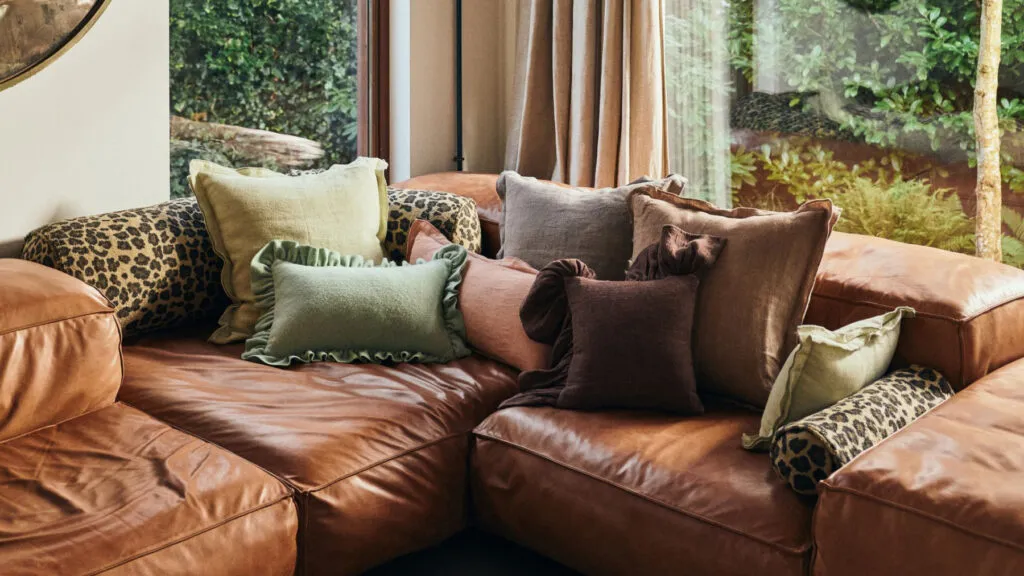
It is not hoarding and it is not maximalism. Ten things that used to be hidden when guests came and...
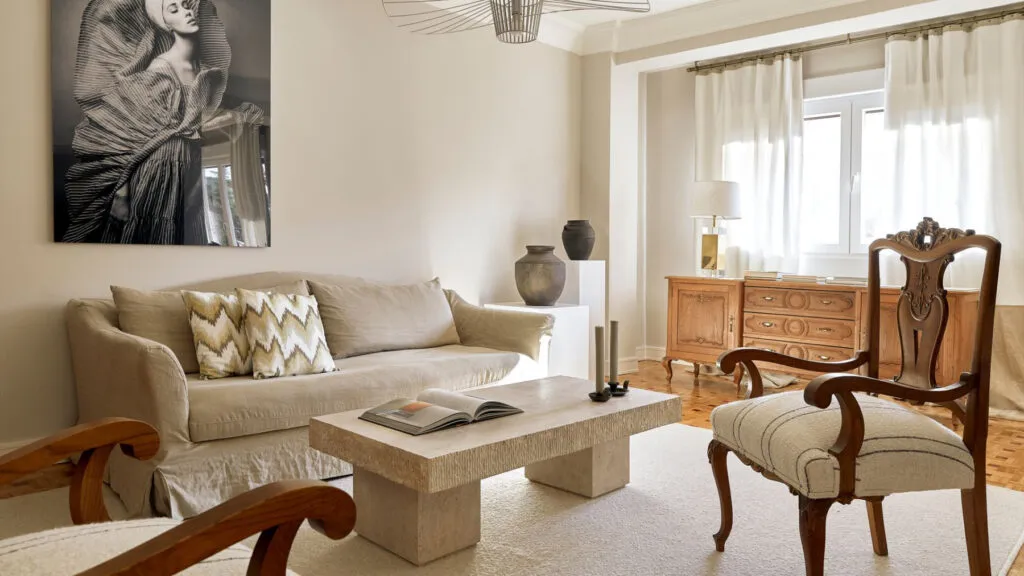
A bespoke console, reupholstered armchairs and wallpaper hung like art. The most expensive thing in the flat is the decision...
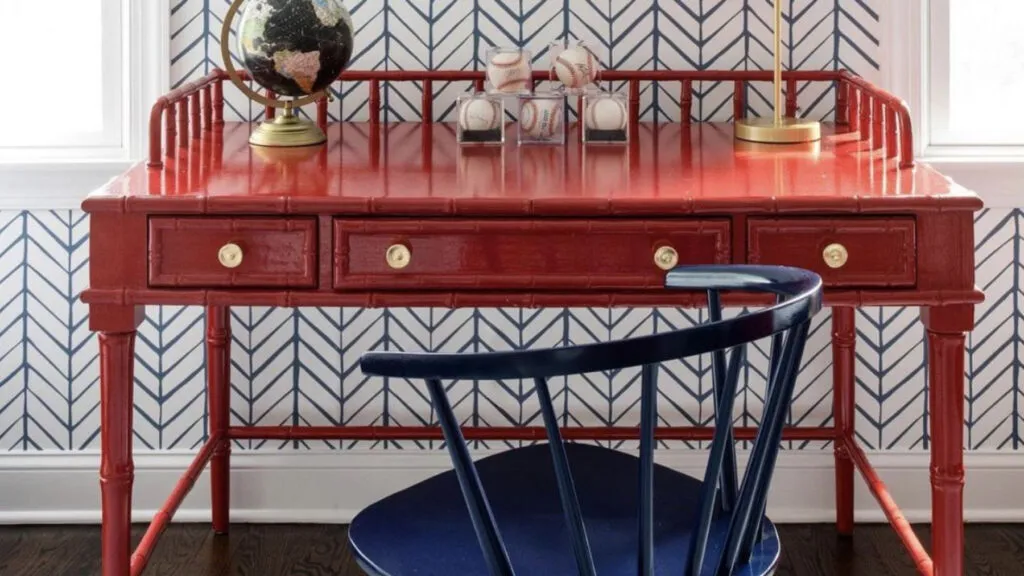
For years the rule was everything neutral and everything from the same collection. The result is a living room that...
This site uses cookies - is that okay? Learn more
Be the first to know when Metla launches something new
Leave your email and we will write when there is a new guide or something new on Metla.