Filipče Calls for a New Opposition "Front for Freedom and Justice": A New Name for an Old Opposition?
31.05.2026


31.05.2026

31.05.2026

31.05.2026

31.05.2026
31.05.2026
31.05.2026

30.05.2026

28.05.2026

27.05.2026
31.05.2026

31.05.2026
30.05.2026

31.05.2026

31.05.2026

31.05.2026

31.05.2026

30.05.2026

29.05.2026

31.05.2026

31.05.2026

30.05.2026

09.03.2026

27.02.2026

19.02.2026

14.04.2026

07.11.2025
07.11.2025

23.04.2026

23.04.2026

12.04.2026

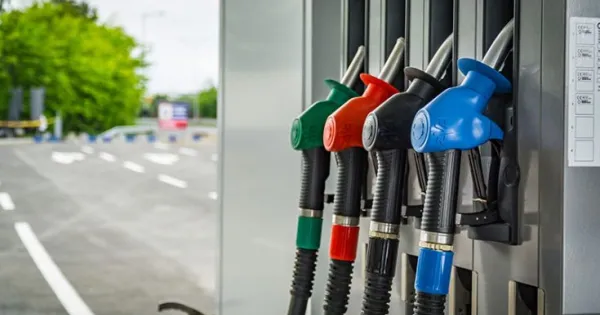
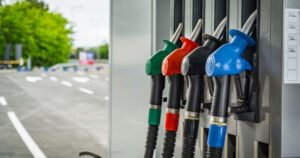
Diesel is getting cheaper - but before anyone gets too excited, it's worth reading the fine print. After an emergency session, the government announced a cut in the price of diesel by up to 6.5 denars per liter, while at the same time returning the VAT on petrol to 18 percent and lowering excise duties. In other words: one goes up, the other comes down, and the final bill depends on what you drive.
The drop in diesel doesn't come from some domestic act of mercy, but from the stabilization of global oil prices. Brent hovered around 92 dollars a barrel in May, while US WTI was near 87 - partly thanks to optimism over possible US-Iran talks that would ease the Strait of Hormuz. But that optimism is fragile: if the talks collapse or tensions escalate, oil prices can quickly snap back up.
For transport companies and farmers, who depend most on diesel, every cut is relief in a period of high costs. For the budget, though, the lower excise revenue has to be balanced against the higher VAT on petrol - a classic game of moving money from one pocket to another, in which the citizen rarely knows whether they came out ahead or behind.
The point the government doesn't say out loud is simple: the domestic price of fuel can't be insulated from the global market. The Energy Regulatory Commission, the dollar exchange rate and the oil markets will ultimately decide whether the announced savings really reach the pump - or evaporate before the next session. Until then, the "price cut" is an announcement, not a guarantee.
The latest 10 news from this category
The first serious overhaul since 1995. Every country in the region has a strict law on paper - and smoke-filled...
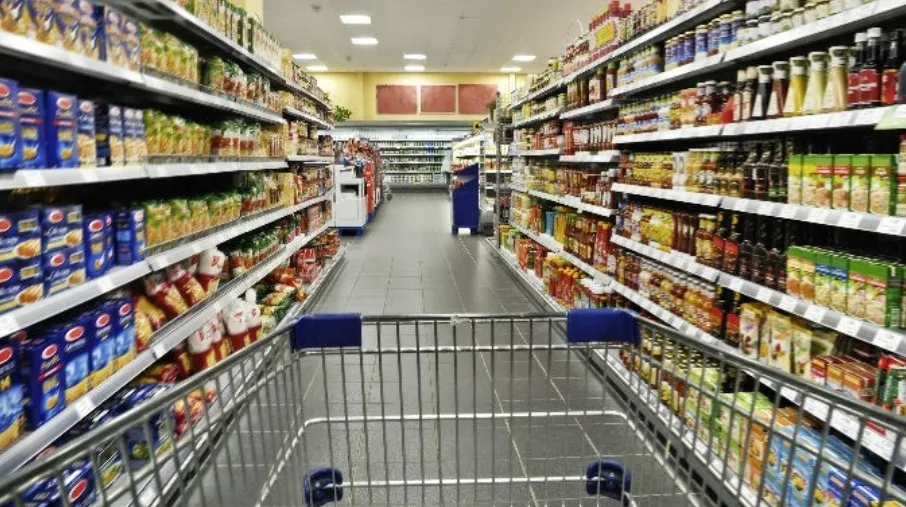
Palm oil instead of milk fat, gaps that directly deceive consumers. How many products like this passed through the checkout...

KPop Demon Hunters and a popular YouTuber's film won the weekend. The audience stopped asking long ago whether you come...

From a video app to bookings, payments and loans - TikTok is copying the WeChat model. When one app knows...

From a flat subscription to pay-as-you-go - the model that promised predictability now brings bills of hundreds of dollars. The...

3.5% deficit in 2025, forecast of 4.3% in 2027. Radev blames the old government for lying. A Balkan lesson for...
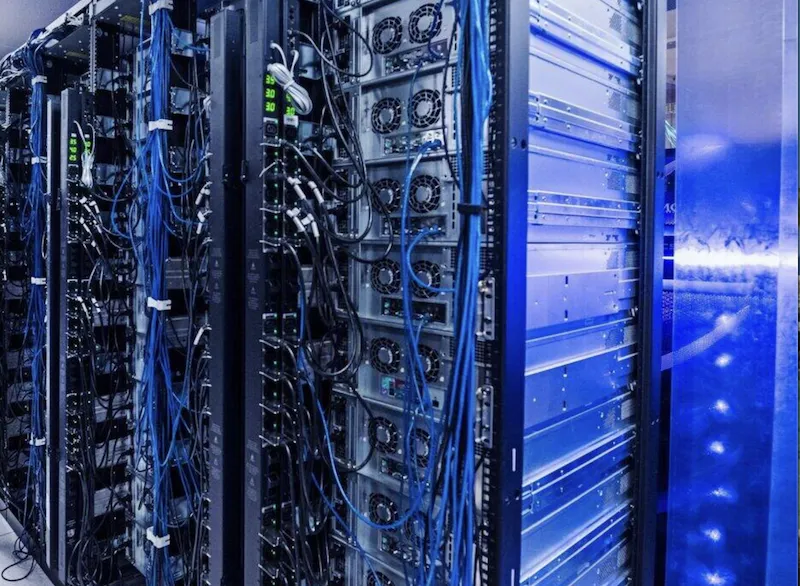
In Ireland 22% of the electricity already goes to data centres. In neighbouring Kragujevac one centre eats as much as...
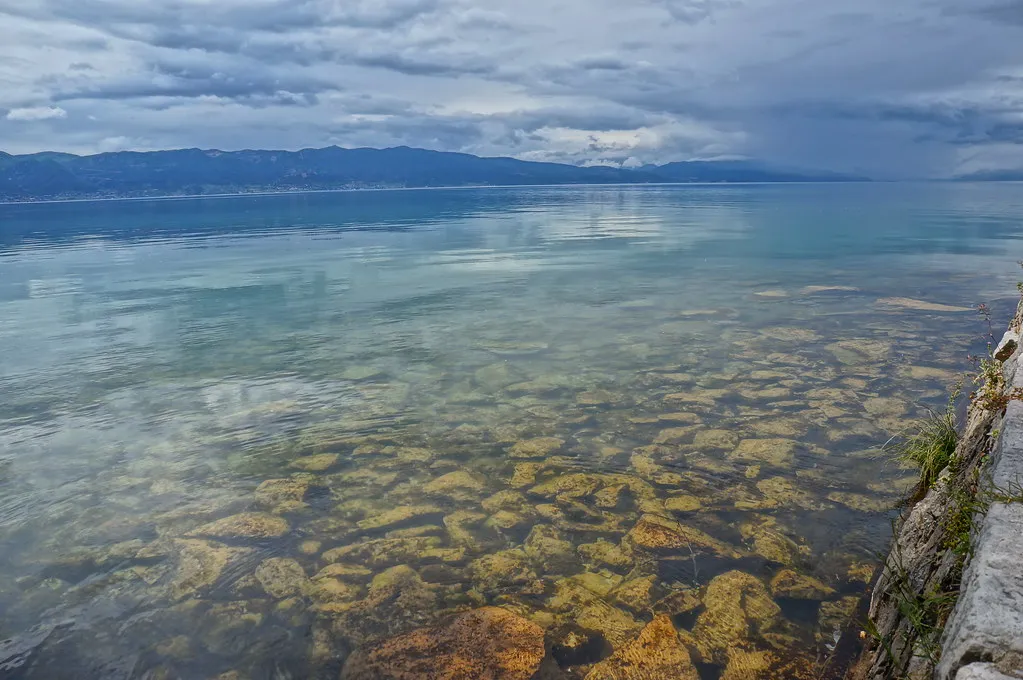
The energy sector uses 99% of the water and discharged 3 billion cubic metres untreated. With a global water crisis...
The 163-page Delhi High Court ruling could become a precedent for European regulators. The founders of Zerodha and Zoho welcome...
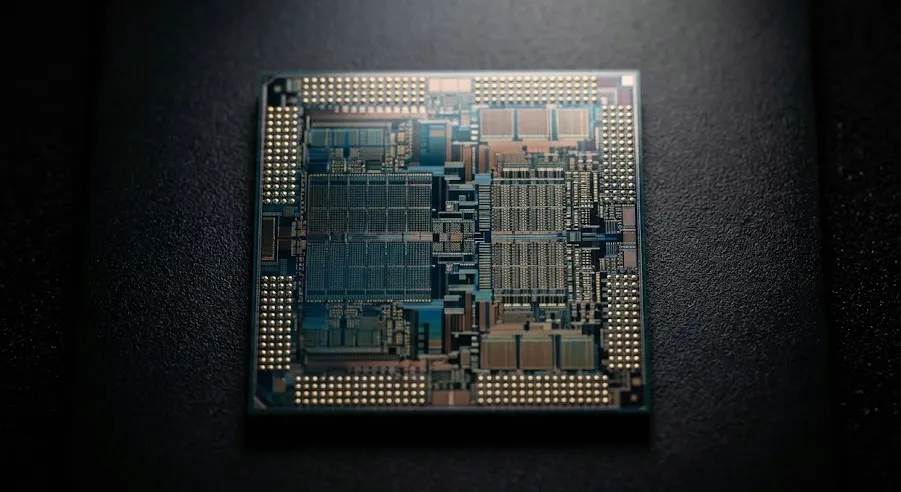
The AI chip startup walked out of December's non-acquisition with Nvidia with 20 billion. Now the round is all but...