

Studeničani: 35-year-old dies after being electrocuted while washing his car with a pressure washer
18.09.2026


18.09.2026

18.09.2026

18.09.2026

18.09.2026

18.09.2026
18.09.2026
18.09.2026

17.09.2026
16.09.2026

18.09.2026

18.09.2026
17.09.2026

18.09.2026

18.09.2026

18.09.2026
18.09.2026
17.09.2026
16.09.2026
18.09.2026

18.09.2026

18.09.2026

18.09.2026
17.09.2026

17.09.2026

09.03.2026

27.02.2026

19.02.2026

18.09.2026
17.09.2026
16.09.2026

23.04.2026

23.04.2026

12.04.2026

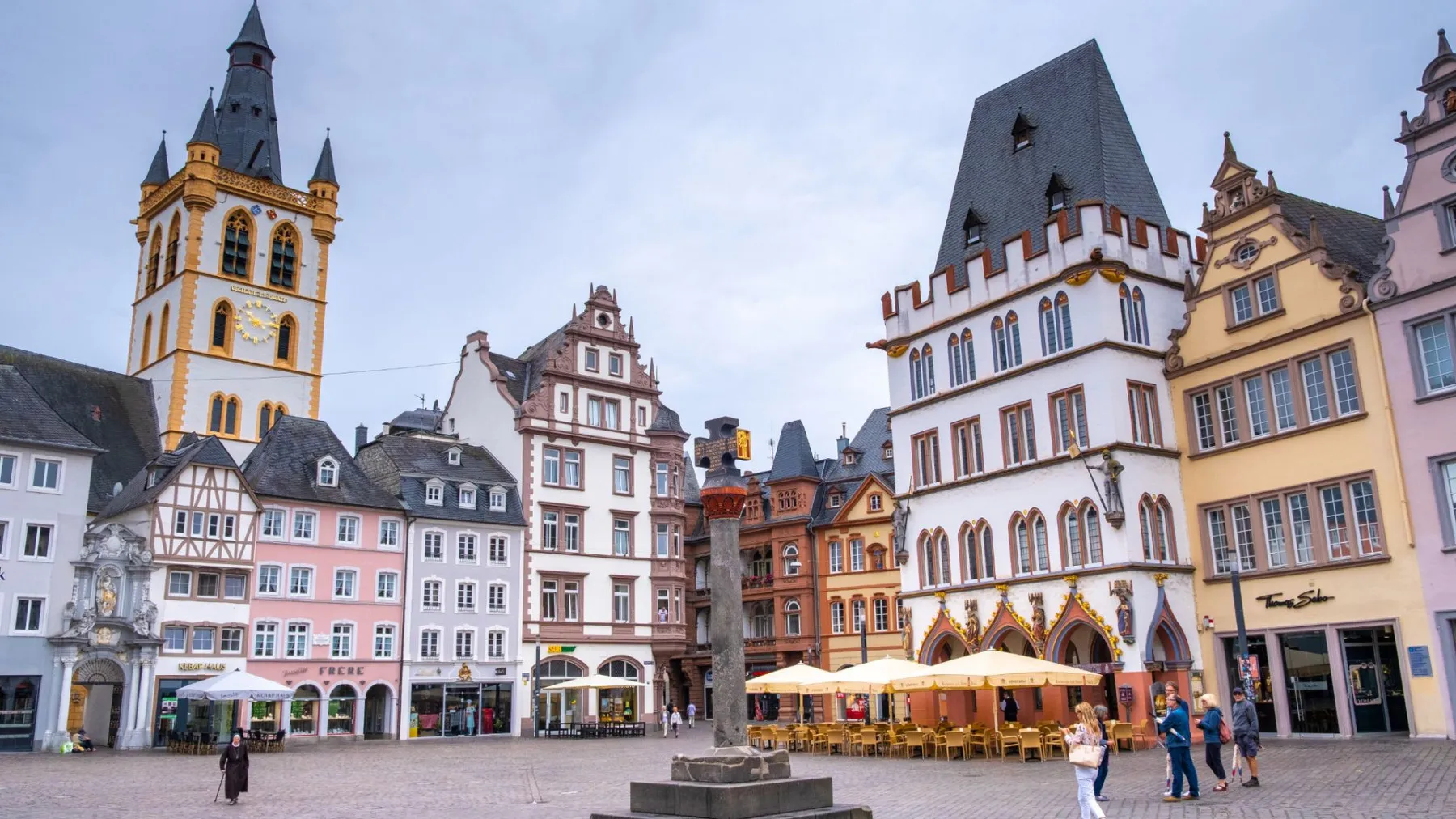
A few steps separate the old walls of Trier from a landscape covered with vineyards. Real vineyards, with rows of Riesling running down the slope toward the Moselle, with the towers and roofs of the city below, and the river - wide and calm. It doesn't take much to understand why the Romans decided to settle here more than 2,000 years ago.
Trier is Germany's oldest city. It was founded in 16 BC under the name Augusta Treverorum, on Celtic territory. Over time it became one of the four main cities of the Roman Empire - the second Rome, as locals still say with a touch of pride. Nine of its monuments are on the UNESCO list, seven of them Roman. For a city of 115,000 people, that's a serious weight of history.
The first contact with the city is usually Porta Nigra - the monumental northern Roman gate from the year 170, the best-preserved Roman gate north of the Alps. Locals call it „Pohta," and few know that it was never fully finished - money ran out, or the political priority shifted, and construction was abandoned halfway. An unfinished monument that became the city's most recognisable symbol. History's sense of humour.
Other Roman remains: the amphitheatre south of the city, which once held 20,000 spectators and today is a stage for dramatised tours, and the Imperial Baths with underground passageways and a labyrinth of halls. Beneath the cathedral „Saint Peter" lies layered geology: Roman foundations, medieval Romanesque layer, Gothic, Baroque, modern intervention - 17 centuries in one place. Hidden in the walls are small figures of a fish, fox, dragon and mice, turning the visit into a game.
Next to the cathedral stands the Liebfrauenkirche, the oldest Gothic church with a centralised plan in Germany. In front of it - the Domstein, a huge granite column that legend says the devil hurled at the church when he realised the people of Trier had tricked him into helping build it. He missed, and the column has stayed there ever since. Every child in town claims to have climbed it at least once.
The heart of the city is Hauptmarkt - the square with a stone cross from 958, which locals say is the oldest in Europe. The market runs six days a week. From March to November, a wine stand right on the square connects regional winemakers with visitors without intermediaries. Around the square: the Steipe house with two knight figures, the Red House with a legend that Trier was founded 1,300 years before Rome (no one believes that today, but in the 17th century it was useful), the house of the Three Kings with a Byzantine facade.
Wine is not just a product in Trier, wine is part of the landscape. The Moselle is the world's second largest Riesling region. From the Olewig vineyards, 20 minutes on foot from the centre, the view of the rooftops and the river is wide open. The episcopal wineries - Bischöfliche Weingüter Trier - keep wine in underground galleries with Roman walls that stretch under the centre. A lift takes visitors three floors down, into a world where the only sound breaking the silence is the slow bubbling of fermentation.
For a special local taste: Viez is a dry apple cider served in a Porz glass, paired with Flieten (grilled chicken wings, spiced) or with Moselle fish. In the old fisherman's quarter Zurlauben, 18th- and 19th-century houses sit by the river, and from there boats set off for cruises. A 200-kilometre cycle path runs along the river to Koblenz.
When to go? Trier works in any season. Early June (6-7 June this year) - BrückenGlück, the festival of the Roman bridge, with music and dancing over 2,000-year-old stone. Late June - Altstadtfest, the old-town festival with free admission. And the end of November brings perhaps the city's most beautiful side - the Christmas market at Hauptmarkt, with small wooden huts among the historic buildings and the smell of gingerbread and mulled wine in the illuminated lanes. „Emperor Augustus would have liked this too," they say in Trier. Hard to deny.
The latest 10 news from this category
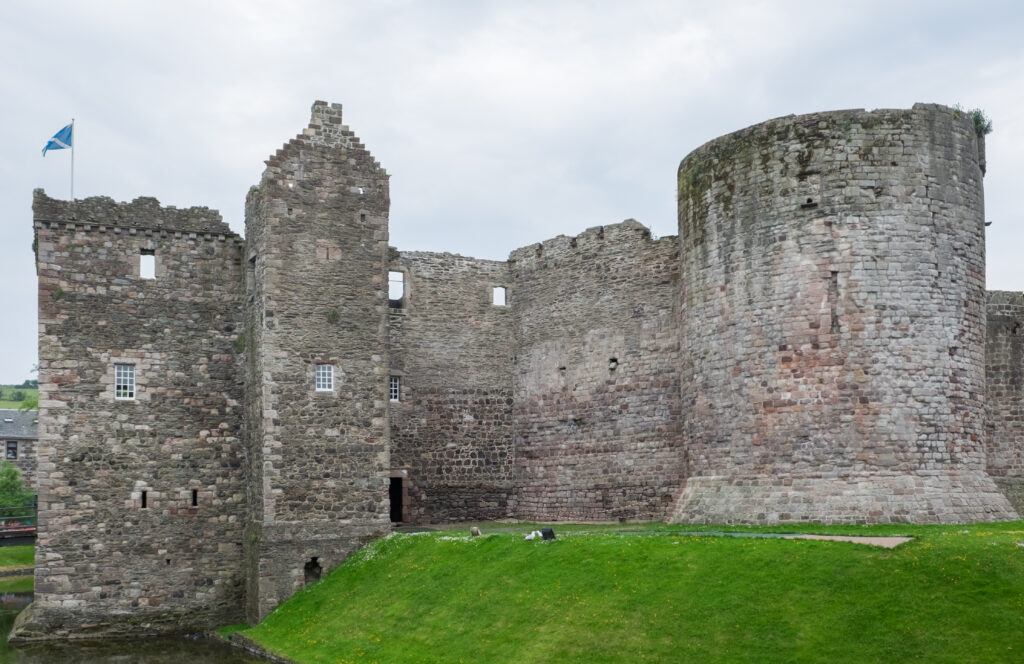
The royal couple walked yesterday into a pub the village bought back for itself. How many buildings like that sit...

Of twenty-five new inscriptions, five are natural - and only one is in Europe. For the richest of them, the...
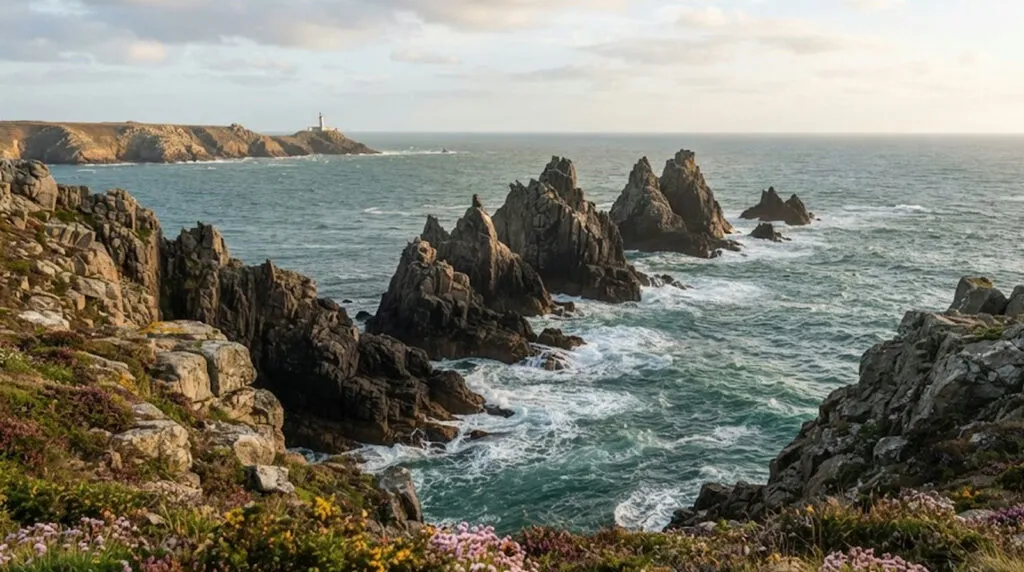
Fifty beaches, more than 120 villages and a trail France voted its favourite. Monet came for a few days and...
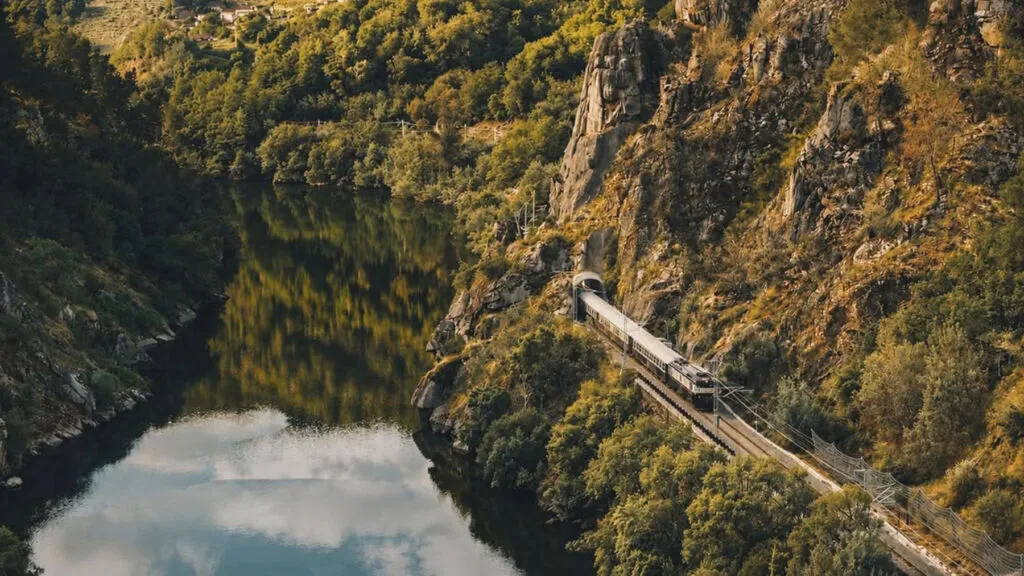
Restored carriages, a locomotive they call the Japanese Woman and a 28.95 euro return ticket. What it sells is not...
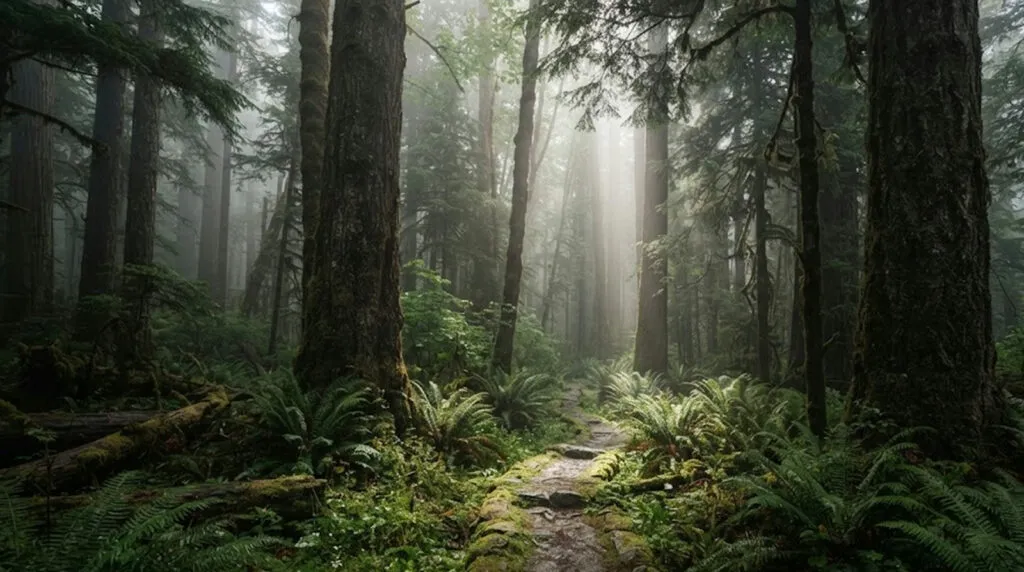
Two hundred and fifty tree species from every corner of the world, a monastery from 1628 and a palace that...
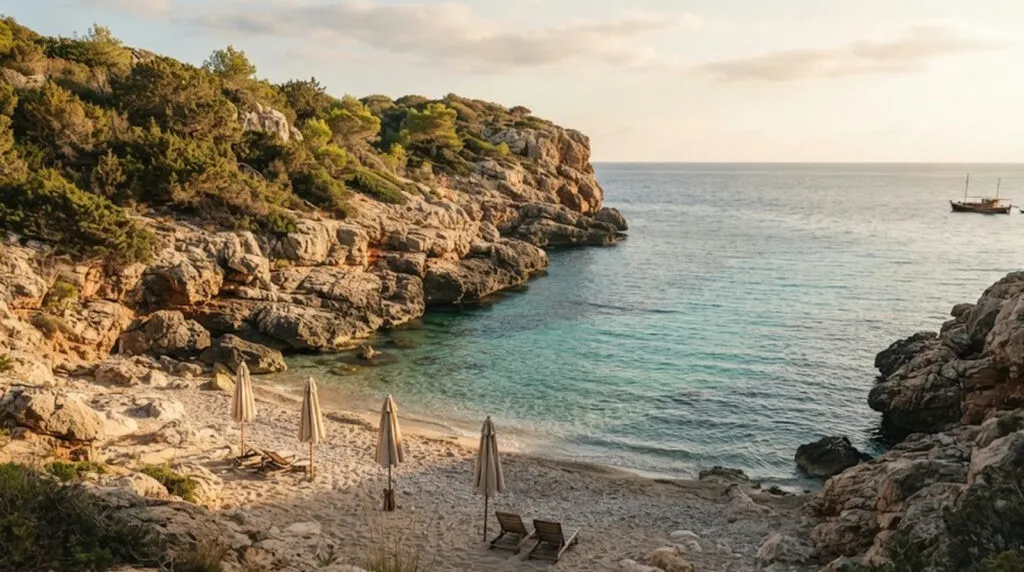
The same places cost more in August, look crowded and are experienced at half strength. The difference is made by...
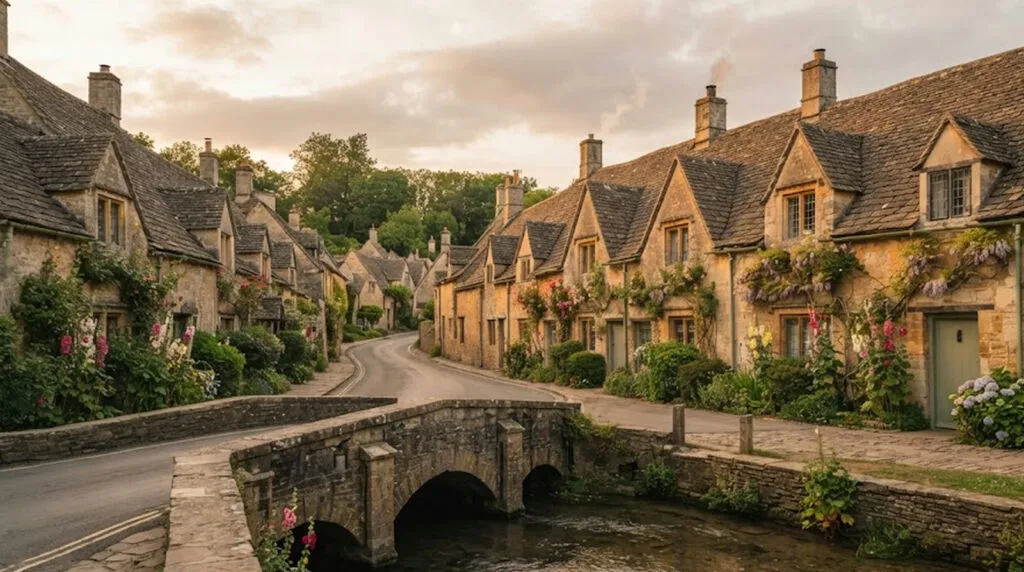
The Beckhams have a place there, so do Kate Moss and Ellen DeGeneres. But the Cotswolds needs none of those...

Down on the coast the buses pass each other with centimetres to spare and all you see is people. Up...
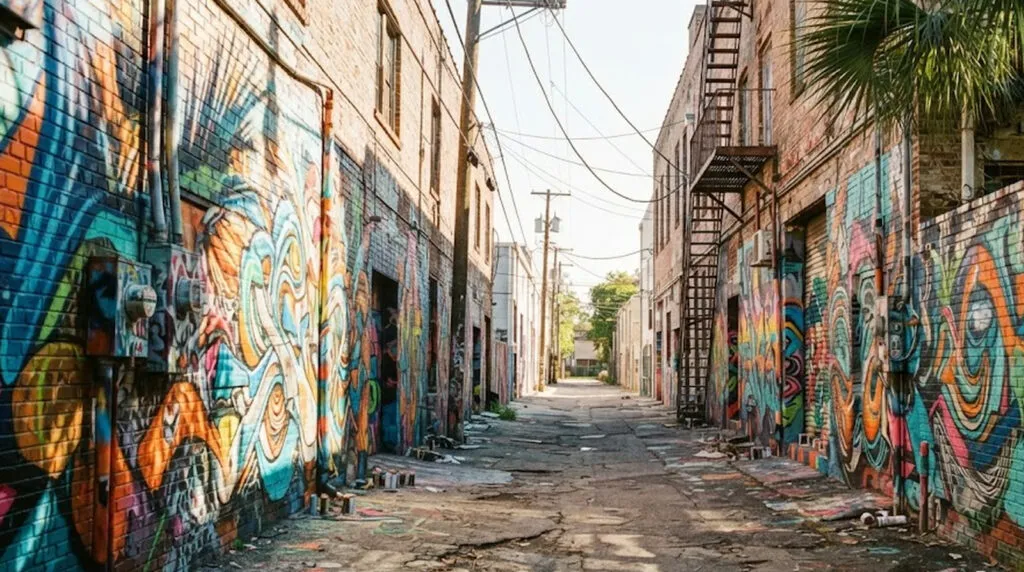
Empty warehouses, low rents and one real estate developer. A model we know without flying to Florida.
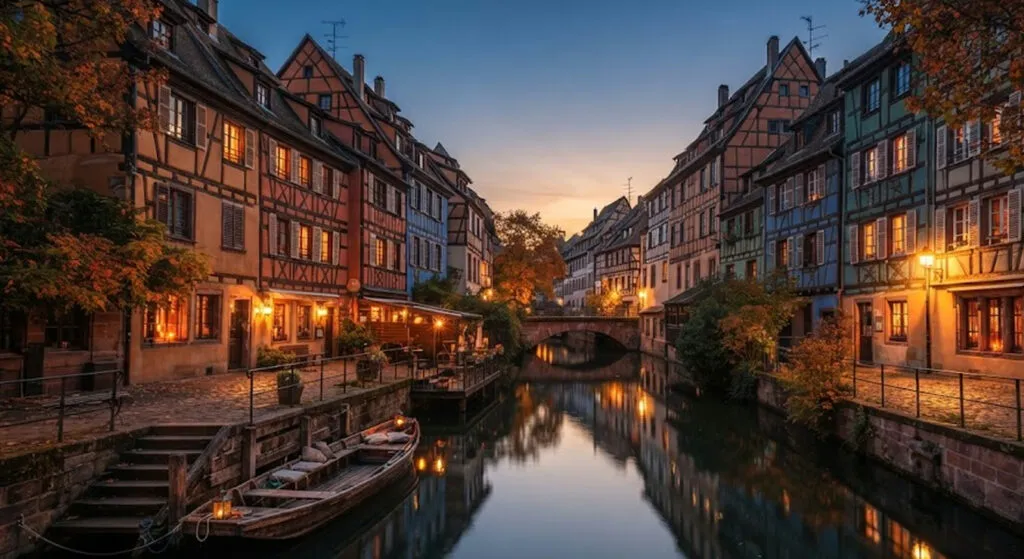
Old tanners' and dyers' workshops, built directly over the river. From 10 to 13 September the town puts boats and...
This site uses cookies - is that okay? Learn more
Be the first to know when Metla launches something new
Leave your email and we will write when there is a new guide or something new on Metla.
