No Passport, on the Stop List, and Yet in Sofia: Who Let Iva Mihailova Across the Border?
13.10.2026


13.10.2026

13.10.2026

13.10.2026

13.10.2026

13.10.2026

13.10.2026
13.10.2026
13.10.2026

12.10.2026

13.10.2026

13.10.2026

12.10.2026
13.10.2026
13.10.2026
13.10.2026
13.10.2026
12.10.2026

11.10.2026

13.10.2026

13.10.2026

13.10.2026

13.10.2026

13.10.2026

13.10.2026
13.10.2026
12.10.2026
10.10.2026

23.04.2026

23.04.2026

12.04.2026

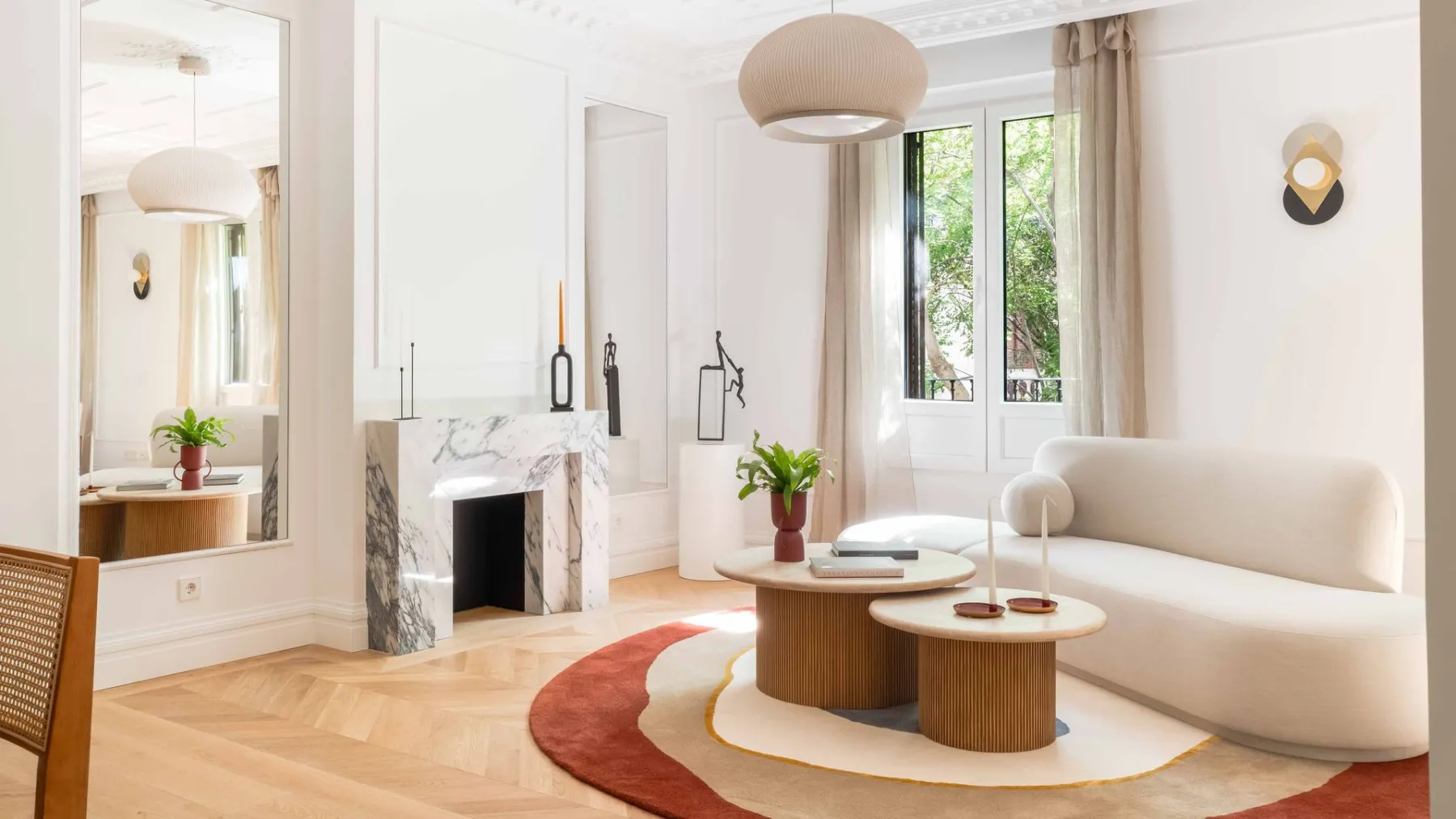
The phrase "quiet luxury" has been doing the rounds in fashion for years, but only now is it crossing into interiors. It does not mean expensive. It means: it does not shout. It does not wear a visible logo, does not demand applause, is not something you can spot at a glance by a label. It is a lifelong investment, and its biggest currency at home is craft. To understand how that works in a real home, we sat down with master ebonist Xavier Mas, head of Mas Fuster, and with textile artist Luna Muñoz, founder of Casa Chinchilla.
Why has this pairing - craft and luxury - suddenly become central? Because industrial standardisation has reached the point where every home looks the same. Luna Muñoz puts it bluntly: "We live in a world where more and more, everything is the same. In that homogenisation, craft is the last zone where the truly unique still lives. It is a resistance to aesthetic cloning, the place where an object claims back its right to be one of a kind." Not nostalgia. Strategy.
Natural materials set up a different relationship - not just between the craftsperson and the piece, but with the person who buys it afterwards. "When you work directly with wood, a deep bond and an enormous respect for nature develops. In other words - you read the soul of the wood. It is a process that reminds us that we are life living off life, and gives back to everyday objects the character that industry has entirely stripped out," Mas says.
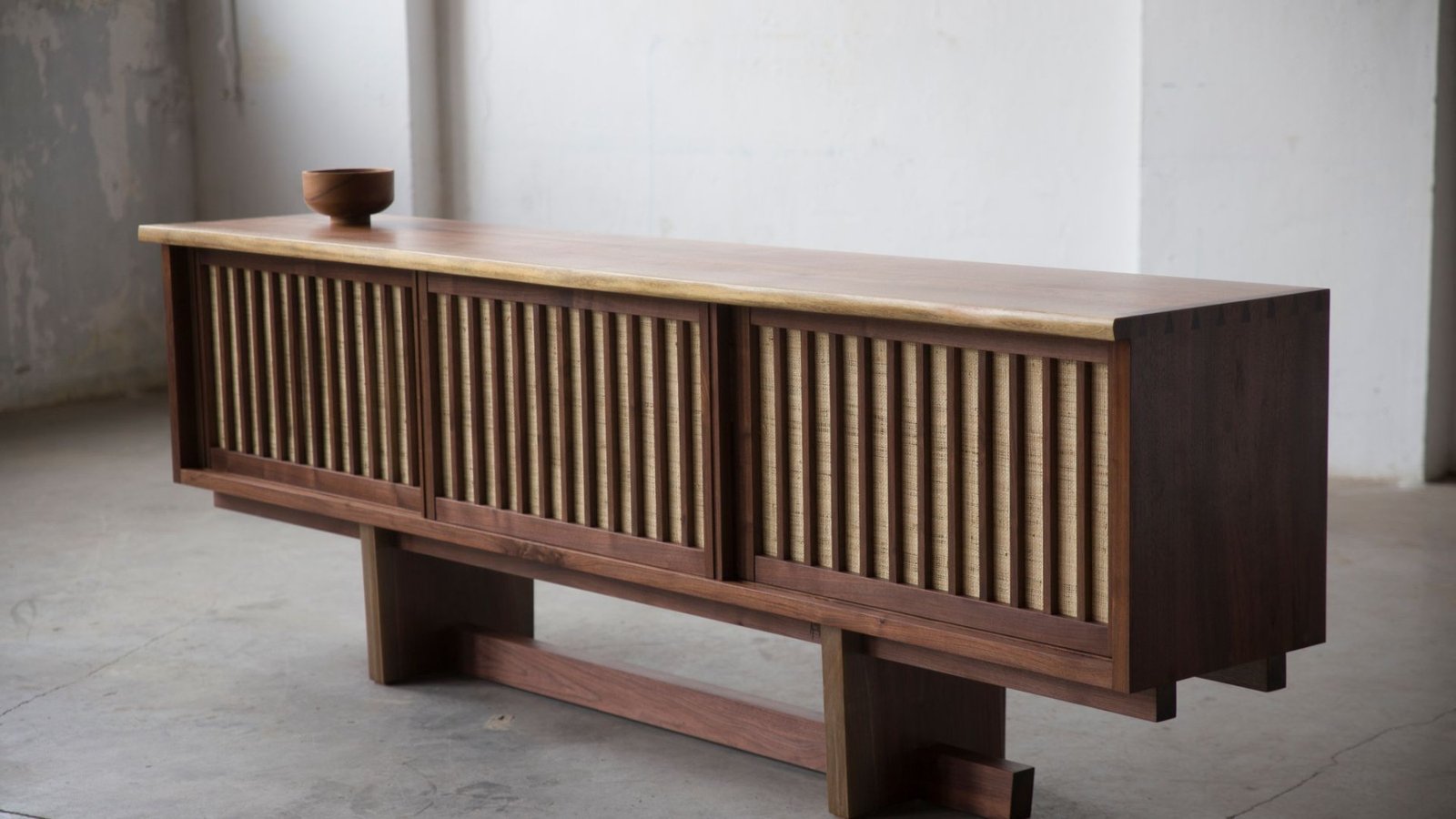
Craft has another quality industry cannot imitate - the ability to integrate imperfections and turn them into beauty. "For an ebonist with an artistic sensibility, the imperfections of the wood are not hidden, they are integrated. Fissures, grooves and scars in the wood give an aesthetic richness that cannot be replicated. That is how a piece of furniture becomes a visual work of art," Mas explains. That is a wholly different approach from mass furniture, which tries to look the same in every copy.
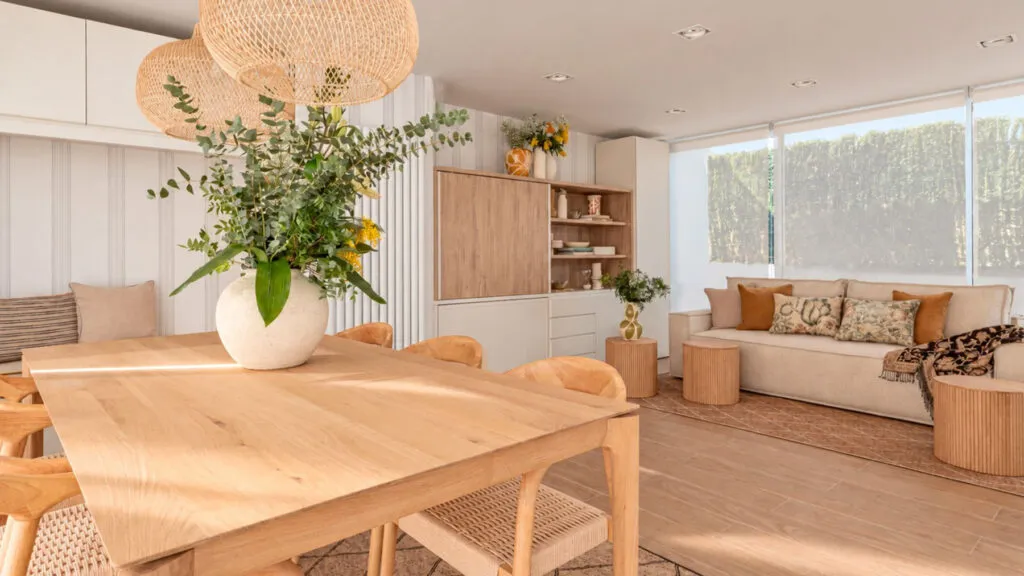
How does that show up in the room? Craft objects transform the home from a well-decorated space into a real refuge. Not renovating, not stripping, not starting from zero. "An ordinary house turns into a warm home through details that have a soul: vases hand-painted, Moroccan rugs with embroidery, colourful woven baskets, cushions with appliqué. Those are the details with life in them, the ones that make a space feel inhabited," Muñoz adds.
That is where the idea of "quiet luxury" becomes concrete. It is not a label. "Real luxury is the visible trace of the hand. When something is made by hand, it is recognisable. The texture, the vibration of a material handled with care - that is what industry can never duplicate," Muñoz says. Texture doesn't lie. Neither do the senses. Energetically, that is the same principle that explains every object with a soul - they open a conversation when you touch them, industrial objects close that same conversation the moment you see them.
Mas comes from Fine Arts and that shows in his work. "Craft at the highest level is art. The sensibility to recognise beauty in a texture or proportion lifts an object into a higher category." And he adds something that sets craft furniture apart from any other - "it has a technical truth: the furniture is well made, the joints are solid, the material is respected. That is a luxury grounded in authenticity, not in appearance."
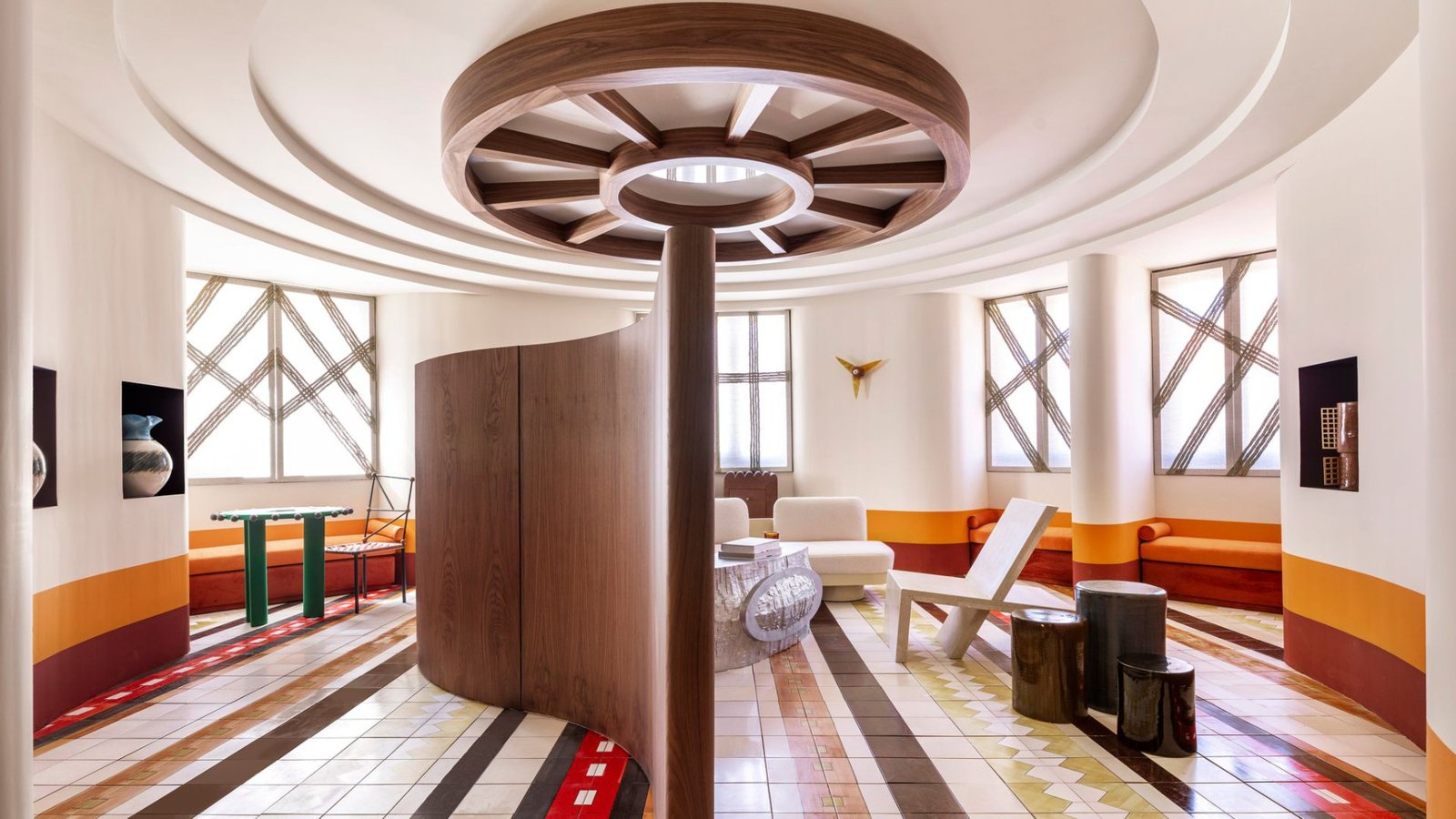
The magic works on the smallest gestures too. "Even something as everyday as drinking your morning coffee is transformed if you do it from a ceramic mug made by hand by someone you know. That object carries an invisible power to make you feel singled out and connected. That is the value of the unique made with love; an experience so enriching that, once you've tasted it, you don't want to go back," Muñoz says.
For Balkan readers this has a particular ring. The grandmother's house in the village - with its woven rugs, the wooden tables we all remember her scrubbing, the ceramics from Veleshko - was a real "quiet luxury" before the term was even coined. The fact that a young homeowner in Madrid today pays to have that, we already had without calling it that. The question is whether we will recognise it as a value, or throw it out as some superfluous object from the past. Because craft pieces are made to outlive their makers and their owners - not like the programmed obsolescence of industry. That is a form of investment that finds no replacement.
The latest 10 news from this category
The design, the insulation and the installations - not the tiles. A Spanish architect explains how to plan a home...
Over a thousand rooms, a Velázquez in a small cabinet, and a museum the princess once wanted to close to...

Messi has said goodbye to Argentina's national team, and four addresses tell the story of his life. The one that...
A cream sofa, a red oriental rug and an armchair the cat has taken over: the two Spanish actors' home...
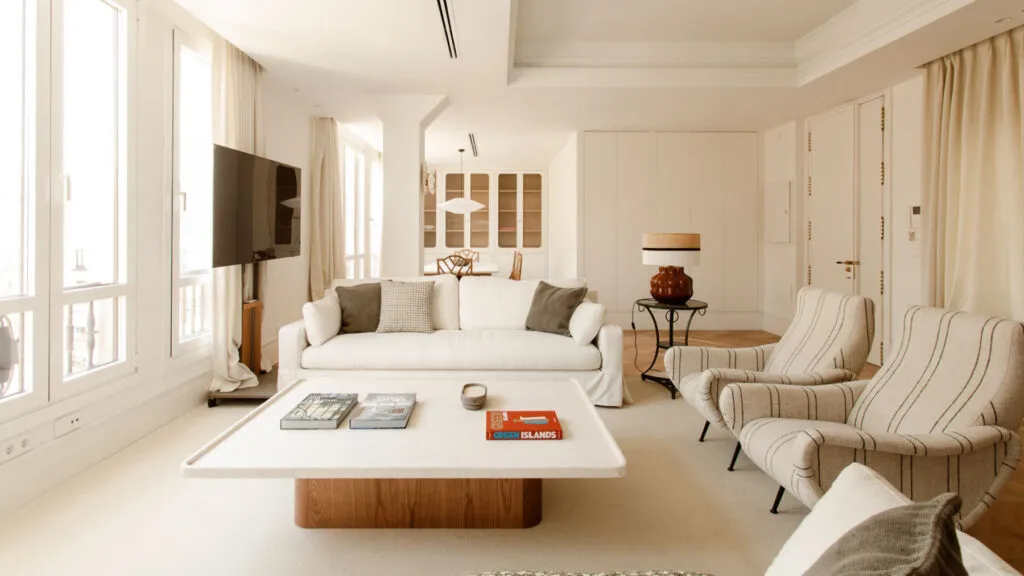
Small, dark rooms in an old Madrid building became one bright space from the living room to the kitchen. The...
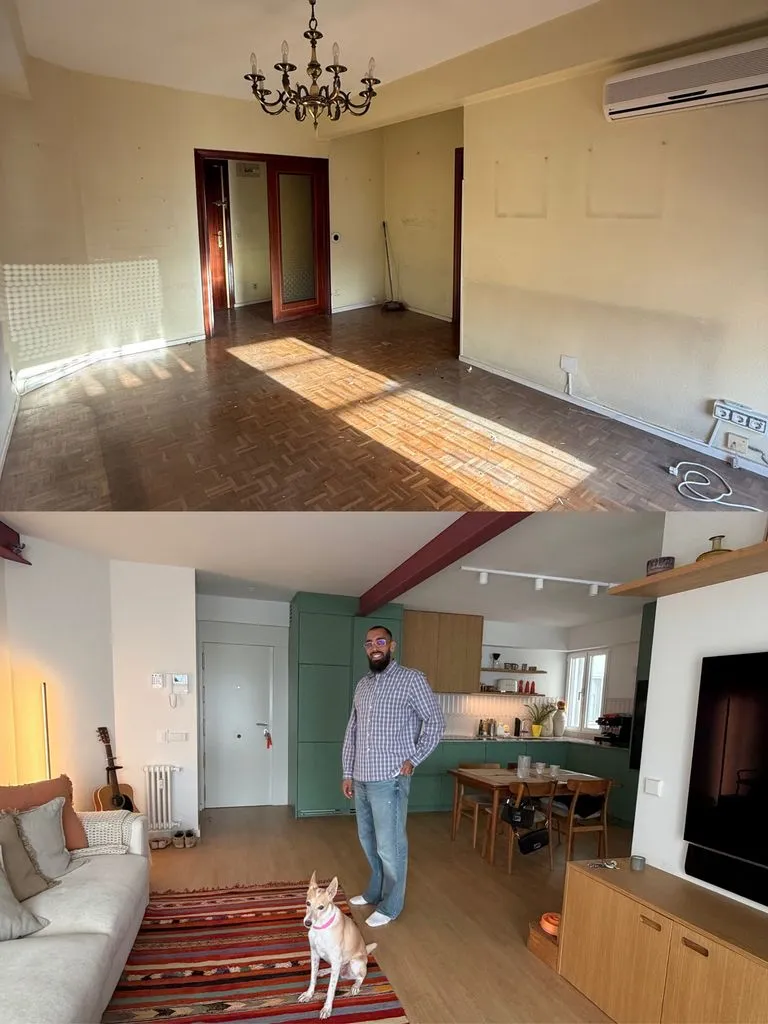
Four bedrooms became two, the yellow walls disappeared, and the hallway became part of the living room. A renovation with...
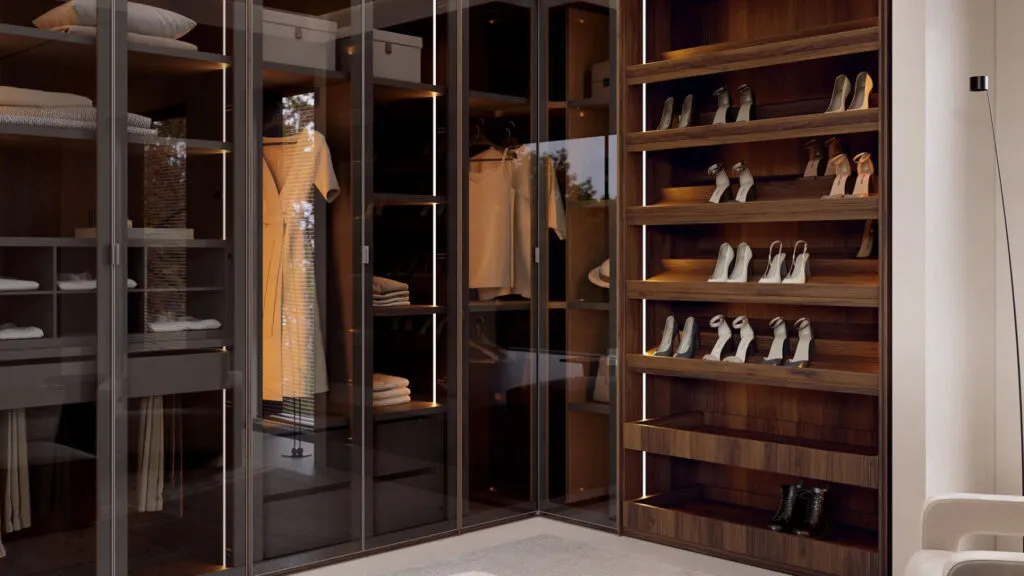
A walk-in closet isn't made with more wardrobes - it's made with an inventory, a tape measure and light that...
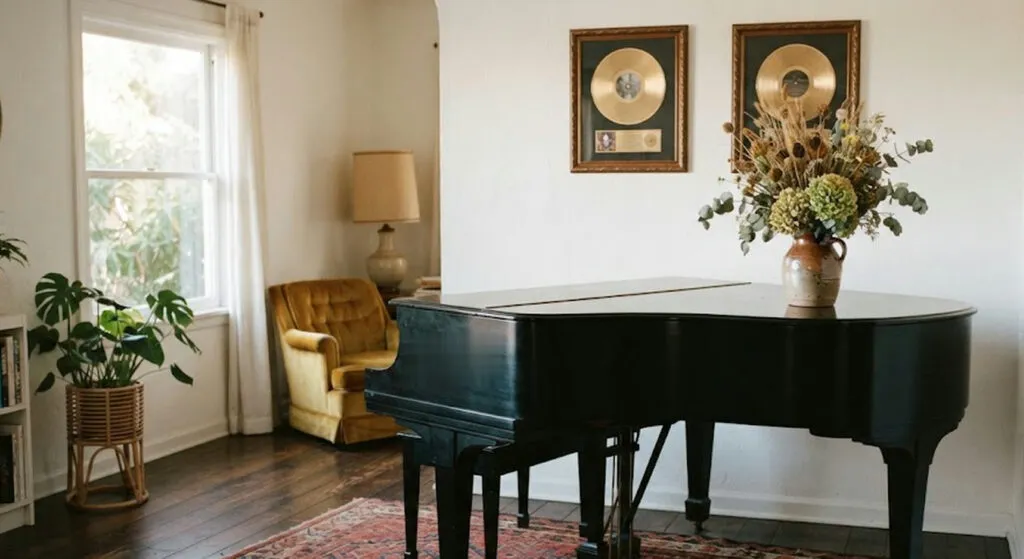
At home she wasn't a star, she was "Marieta". The house where she raised her children is still in the...
Out of 150 square metres of neglected rooftop, a family gained a whole extra floor: a place to work, host...

A double-height atrium that, according to the owners, only three other yachts in the world have, and a foundation funding...
This site uses cookies - is that okay? Learn more
Be the first to know when Metla launches something new
Leave your email and we will write when there is a new guide or something new on Metla.