

They Rode In on Scooters, Torched the Shops and Left: The Fire in Shuto Orizari Burned for Three Hours, Setting It Took Fifty Seconds
13.09.2026


13.09.2026

13.09.2026

13.09.2026

13.09.2026
13.09.2026

13.09.2026

13.09.2026

12.09.2026

11.09.2026

13.09.2026

13.09.2026

12.09.2026

13.09.2026

13.09.2026

13.09.2026

13.09.2026

12.09.2026

11.09.2026

13.09.2026

13.09.2026

13.09.2026

13.09.2026

13.09.2026

12.09.2026

09.03.2026

27.02.2026

19.02.2026

13.09.2026

12.09.2026

11.09.2026

23.04.2026

23.04.2026

12.04.2026


Last year Macedonia registered 2,185 divorces. That is eight percent more than the year before. In the same period 10,507 marriages were concluded - 5.1 percent fewer than in 2024.
The two numbers are moving in opposite directions at the same time, and that is what makes the picture more interesting than either figure on its own. For every 100 marriages concluded last year there were almost 21 divorces.
Serbia went the other way
According to official data from Serbia's Statistical Office published in July 2026, Serbia recorded 29,402 marriages and 10,148 divorces last year - 4.4 percent fewer divorces than in 2024. There, for the first time, the rising divorce trend was broken.
Here it was not. Here it is rising, and in a year when marriages are falling. So fewer people are going in, and more are coming out.
What the statistics do not say
The state statistics do not explain why. They count. Public debate most often points to the high cost of living, economic uncertainty, emigration and changing habits of living - but not one of those factors is measured in the official records.
Some caution is needed here. Rising divorce figures are not automatic proof of a crisis - in societies where divorce is cheaper, faster and less stigmatised, the number rises without meaning that marriages are worse. What is harder to explain is the drop in marriages. Those 5.1 percent fewer weddings are people who did not take the step - by choice, for lack of money, or because they are no longer here.
Where we stand next to the EU
According to Eurostat, in 2023 the European Union recorded around 1.8 million marriages and around 700,000 divorces - that is 4.0 marriages and 2.0 divorces per thousand inhabitants. The highest divorce rate in 2024 was in Latvia, at 2.8 per thousand, the lowest in Malta at 0.9.
Macedonia does not have those indicators published within the same comparison, which is itself part of the problem: there are numbers, there is no context. The institutions publish divorces as an annual data point, not as a subject somebody is drafting policy around.
The latest 10 news from this category
Ivanovska recalls why Vodno was forested in the first place. Gerasimovski says the court annulled the old plan and a...

Three Bulgarian ministries, MPs from different parties and flags inside the medical centre. MAEI asks why a check-up in a...

Flowers were laid in Bitola for Stefan Naumov and Dimitar Bogoevski. Behind the anniversary stand two biographies that ended at...
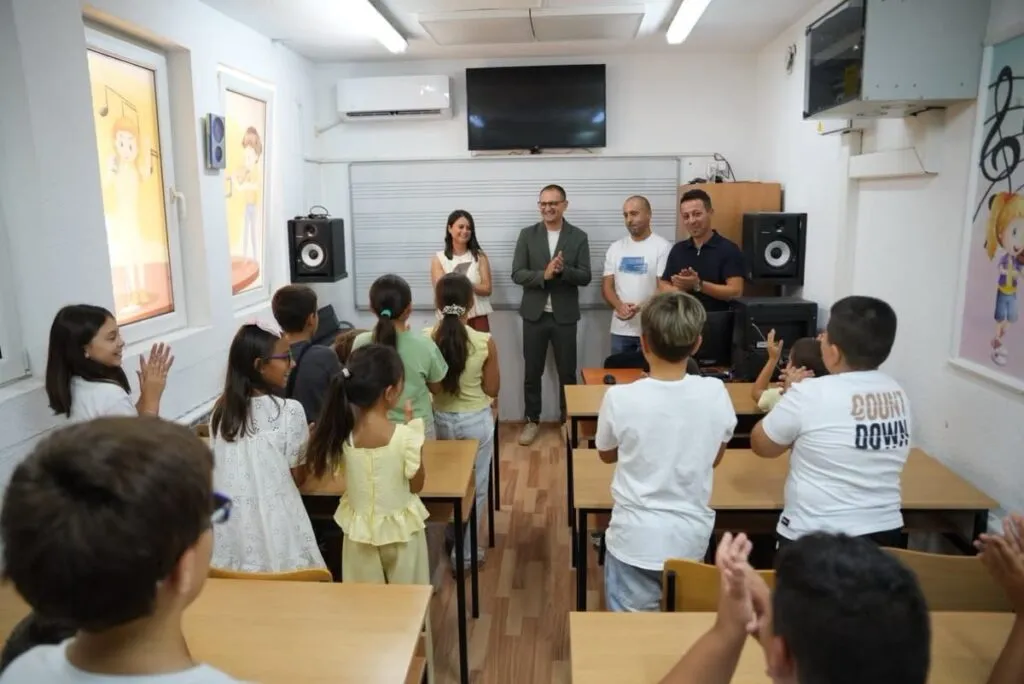
Eighty children do not simply appear out of nowhere. The question no ceremony answers is whether there are enough instruments...
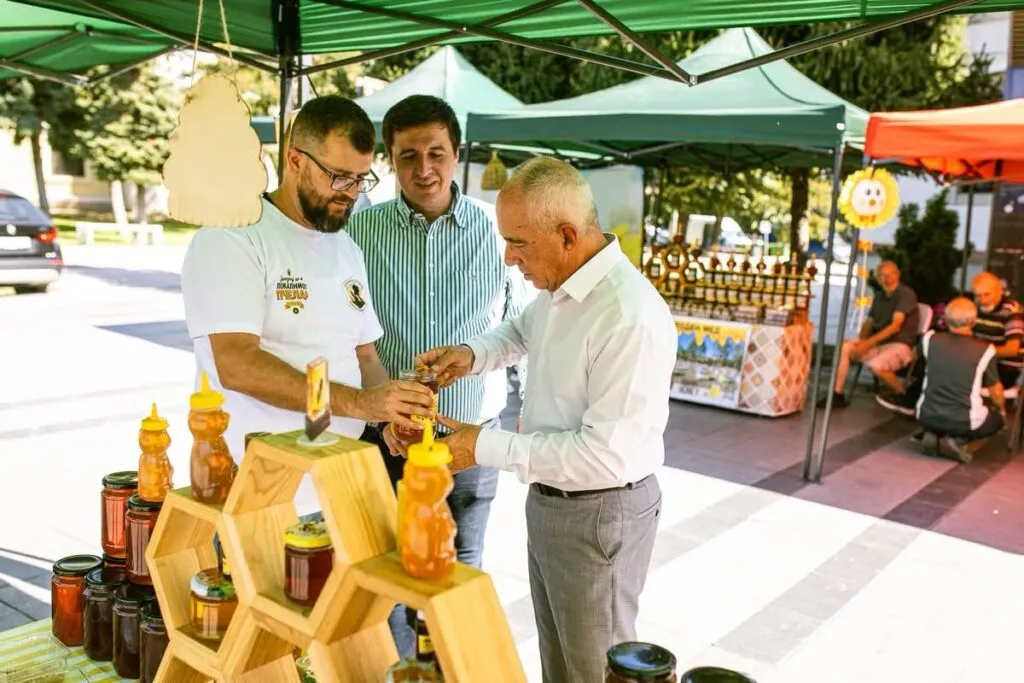
When you buy honey from the man who tells you which village it came from, you bypass the entire trade...
Any citizen can submit a nomination. That is exactly where these competitions either come alive or become an internal affair...
The minister answered that pupils are not a risk group because the youngest patient was 25. The MP had asked...

For five years after the promise, the dump stayed a dump. The two neighbouring parks tell the story that comes...
The most visited historic space in Skopje waited fifty years for someone to replace the pipe under the cobblestones. The...

There is a route, there is a presentation and there is agreement that the road is needed. There is no...
This site uses cookies - is that okay? Learn more
Be the first to know when Metla launches something new
Leave your email and we will write when there is a new guide or something new on Metla.
