Slaveski Tells Filipče to Delete His "Shameful Post": Alta Banka's Customers Got a Duel on X Instead of a Deadline
02.11.2026


02.11.2026

02.11.2026

02.11.2026

02.11.2026
02.11.2026

02.11.2026

02.11.2026

02.11.2026

01.11.2026

02.11.2026

02.11.2026

01.11.2026

02.11.2026

02.11.2026

02.11.2026

02.11.2026

01.11.2026

31.10.2026

02.11.2026

02.11.2026

02.11.2026

02.11.2026
01.11.2026
01.11.2026

02.11.2026
01.11.2026
01.11.2026

23.04.2026

23.04.2026

12.04.2026


Only eight out of a hundred Roma women are employed. The figure comes from the Commission for the Prevention and Protection Against Discrimination, for the period from 2022 to 2024. The other 92 are without jobs, and for a woman in a violent home that isn't a statistic, it's a door that won't open.
Sabina Asanova, president of the Roma association "Rodop" from Štip, describes it without decoration: "A large number of women who suffer violence withdraw and don't have the courage to report it, because they have no support and don't know where to turn. The financial side is their biggest problem, and so is housing. They have nowhere to go back to."
And so the circle closes. Unfinished education and poverty make work harder to find, without work there's no income of your own, and without income there's no way out of an environment where a woman is exposed to violence. Discrimination, the association says, is felt when looking for work, in health institutions and in the education system. In every place where they're supposed to get help.
Psychologist Vesna Trajkovska points out that besides raising awareness, institutional and non-institutional support for victims matters, so they aren't left alone with the consequences of violence. That sounds reasonable, and that's exactly why it's strange that it has to keep being repeated.
Asanova's message to the women is to take courage, to report, to get an education, to get a job. It's a strong message, but the burden once again lands on the most vulnerable. The next question is for the institutions: how many employment programs and how many shelter places exist for these women, and who can name them?
The latest 10 news from this category

The question was what a small country should do after changing its name and still finding the road to the...
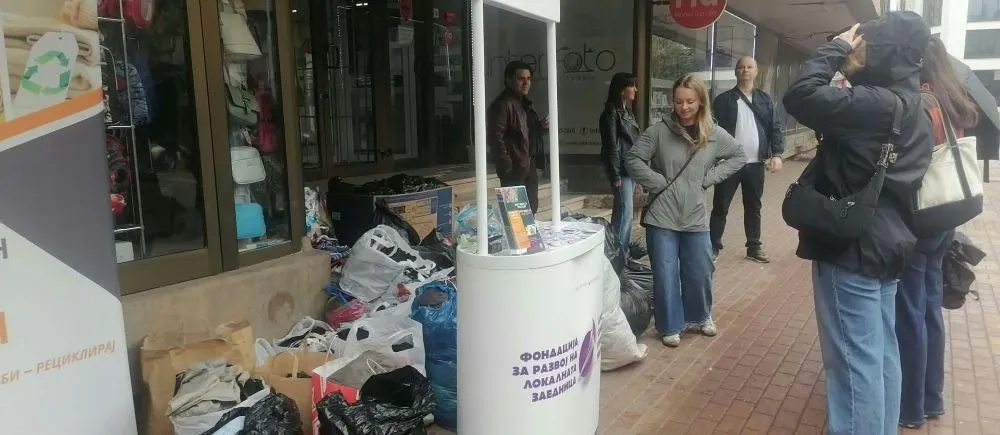
Some will be donated, the rest will become dolls, quilts and pillows. Every municipality over 30,000 residents must have a...
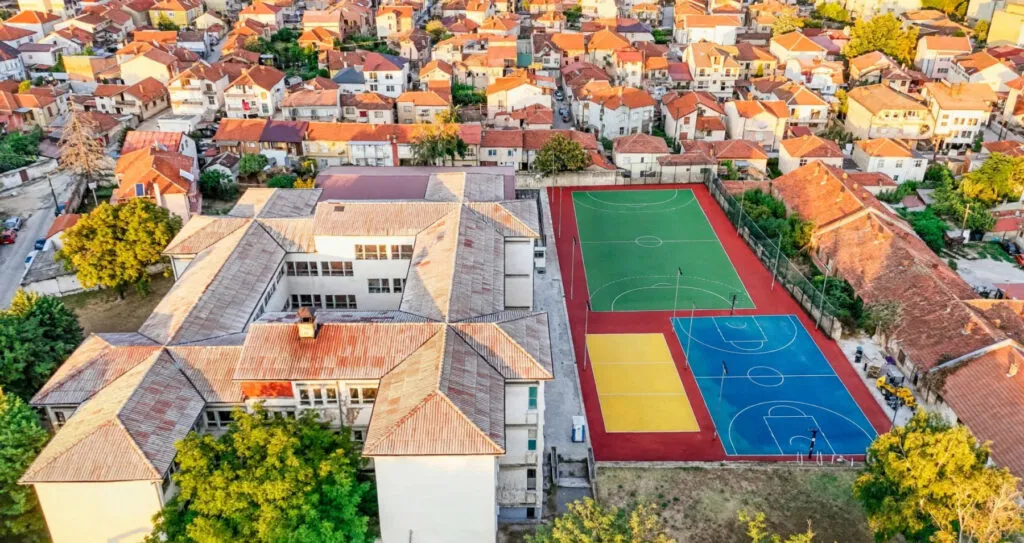
Some finished, some "in the implementation phase". A few schools get named, but there's no figure for the completed ones...

Minors are setting off firecrackers allegedly bought at Bit-Pazar. The Interior Ministry reminds everyone it's illegal, and residents are left...

The City Train carries between 300 and 500 passengers a day, while two trains to Veles and one to Bitola...
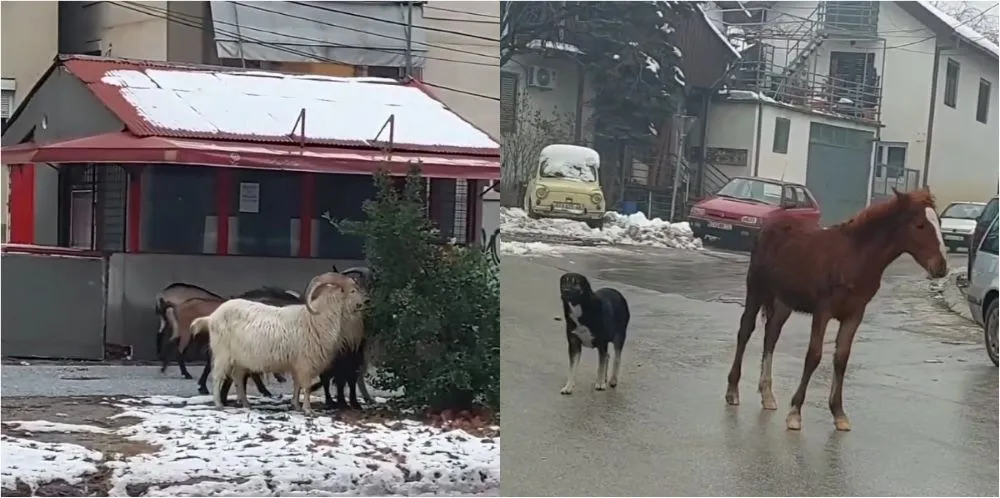
Horses in the street, goats all the way to Širok Sokak, a ban on paper, a zoo that's waiting. And...
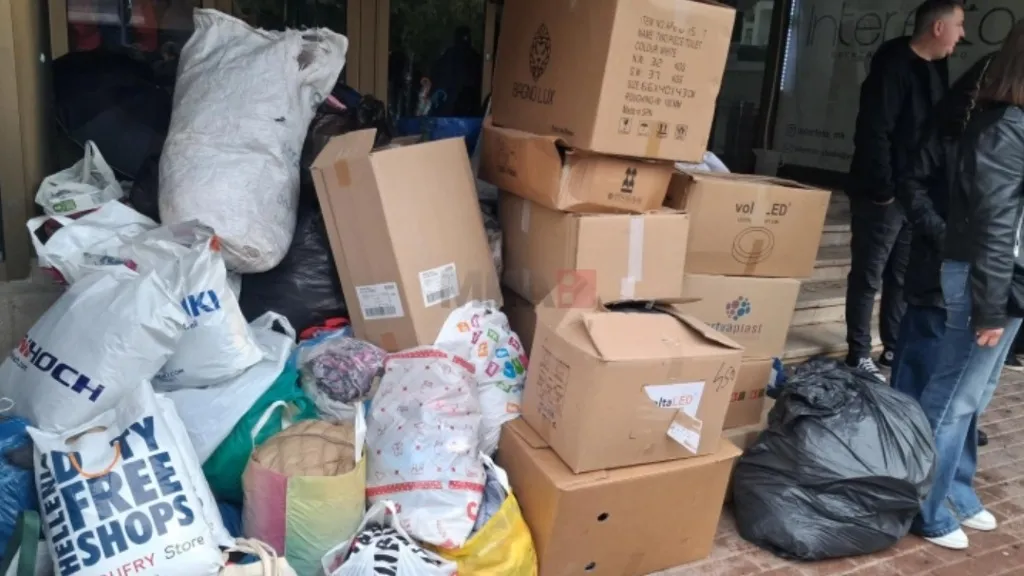
The obligation exists on paper, and the country's two other centers are still only announcements. The first step was taken...
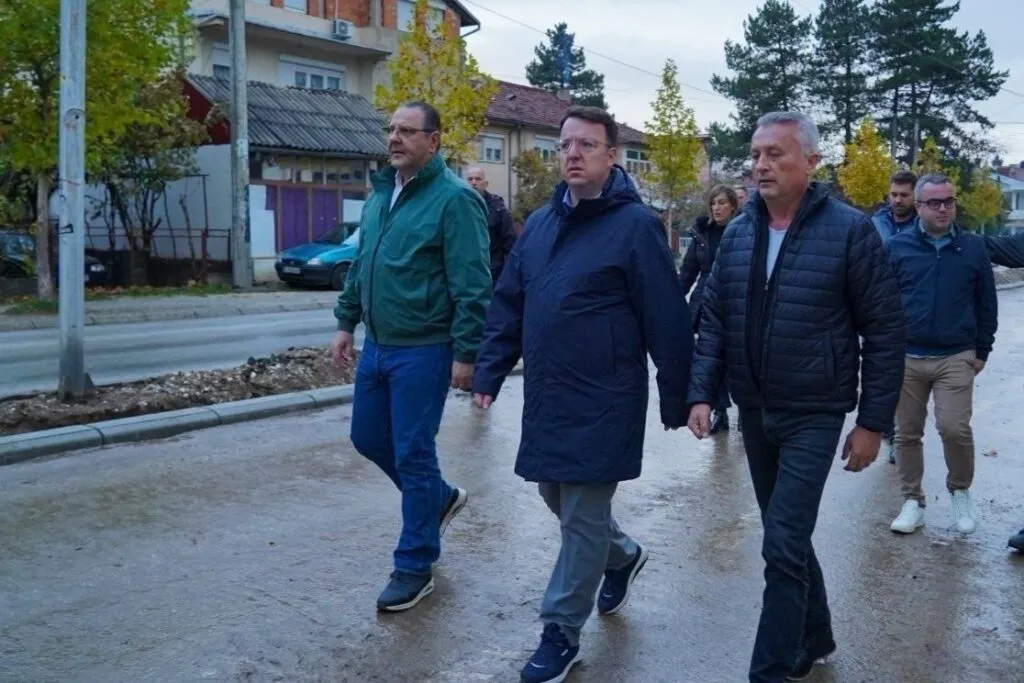
Big number, small street, full delegation on site. One twelfth of the sum can be pointed at with a finger....
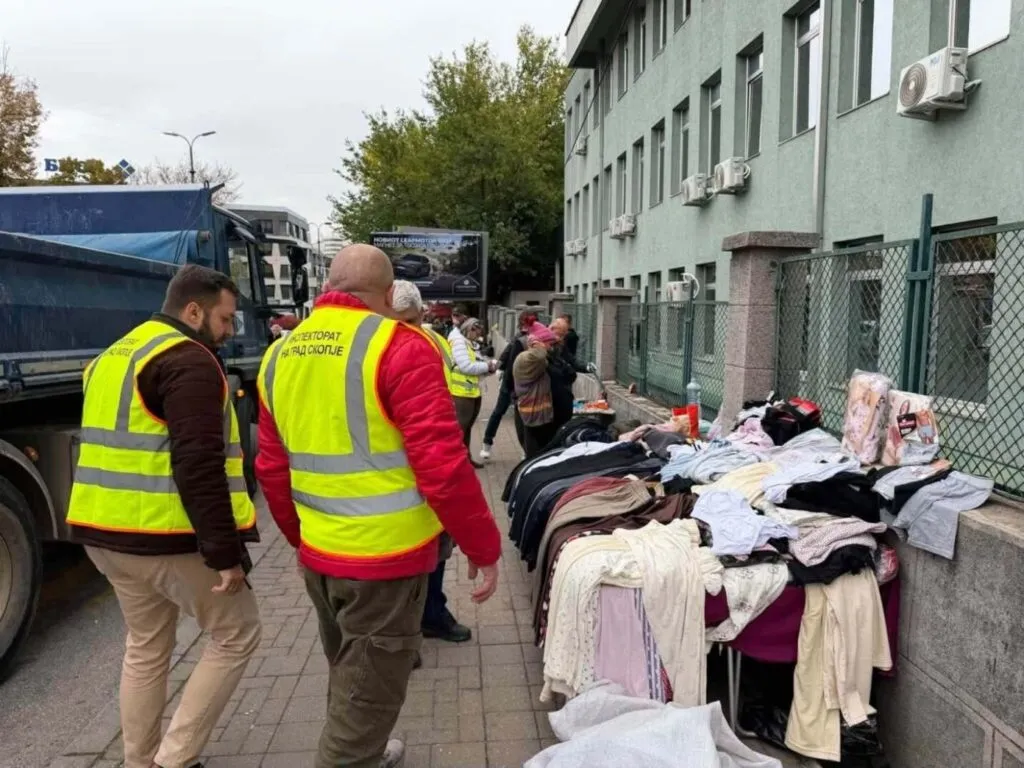
Every government wants a photo with inspectors and a stall. What matters more is what will be on the sidewalk...
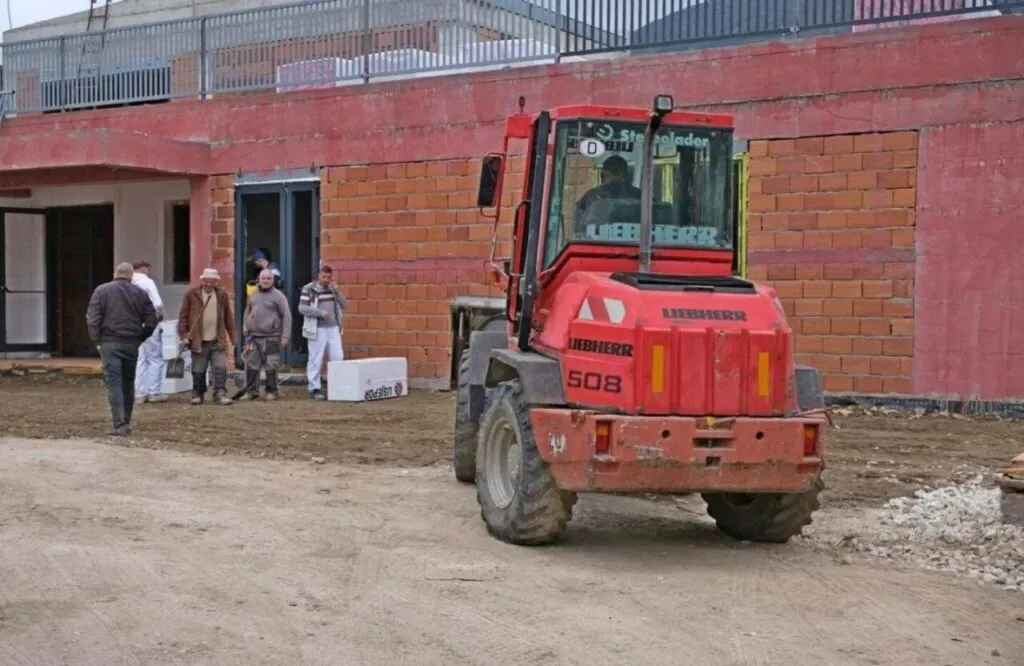
A minister and a mayor on a construction site, figures for square meters and children. The two numbers parents would...
This site uses cookies - is that okay? Learn more
Be the first to know when Metla launches something new
Leave your email and we'll write to you when there's a new guide or something new on Metla.