
Filipče Demands Slaveski's Resignation and a Probe Into Alta Banka: Two Days Before the License Was Pulled in Belgrade, Mickoski Was Saying "I Don't Know If Everything Is in Order"
01.11.2026


01.11.2026

01.11.2026

01.11.2026

01.11.2026

01.11.2026

01.11.2026

01.11.2026

01.11.2026

01.11.2026
01.11.2026

01.11.2026

31.10.2026
01.11.2026

01.11.2026

01.11.2026

01.11.2026

31.10.2026

30.10.2026

01.11.2026

01.11.2026

01.11.2026

01.11.2026

01.11.2026

31.10.2026

01.11.2026

01.11.2026

01.11.2026

23.04.2026

23.04.2026

12.04.2026

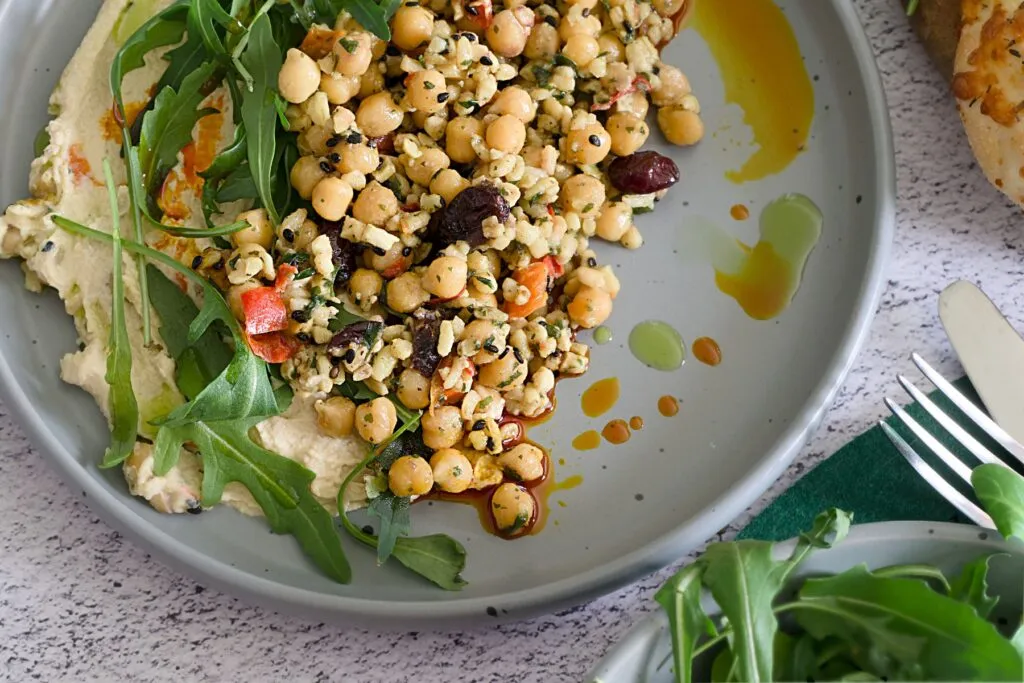
A few years ago the acronym GLP-1 was known to doctors. Today it's known to anyone who has heard of Ozempic. The drug used for diabetes and, in certain cases, for excess weight has made a star of a hormone the body produces anyway: it's released mainly in the gut after eating, helps with insulin secretion, slows the emptying of the stomach and tells the brain we've eaten enough.
Logically, after the drug came the book. Dietitian-nutritionist Salena Sainz wrote "The Natural GLP-1 Revolution," and her most honest claim is the one you wouldn't expect from a title like that: you won't get the drug's powerful effect from food. You'll feel better, she says, and that's it. The word "revolution" is for the cover. The content is more modest and therefore more usable.
Protein and fats. Protein stimulates the release of the hormone most strongly: when it's digested, amino acids reach the gut and activate the cells that produce it. Eggs, fish, legumes, soy products. Sainz singles out legumes in particular, because they deliver plant protein along with fiber and minerals, and oily fish for its omega-3. Healthy fats from olive oil, avocado, nuts and seeds can extend satiety, but that's no license: quantity counts here too.
The gut. When beneficial bacteria ferment certain fibers, they create substances like butyrate, which can stimulate the satiety hormone. That's why the list includes oats, vegetables, beans, whole fruit and seeds, but also cooked and then cooled rice or potatoes, which contain resistant starch. Add yogurt, kefir and sauerkraut. In the Balkans this doesn't sound like a revolution. It sounds like zimnica, the winter preserves, and tavče gravče, the baked beans, just with fancier terminology.
The order on the plate. The real benefit may lie in habits that cost nothing. Dinner at least two to three hours before bed. Slowly, chewing well, paying attention when the body says enough. Vegetables first, then protein, carbohydrates last, because that order can reduce sugar spikes. And after the meal a ten- to fifteen-minute walk, because muscles use up some of the glucose in the blood.
Stress and sleep. Cortisol under stress can change your appetite and push you toward calorie-dense food. Sainz suggests 4-7-8 breathing: four seconds breathing in through the nose, seven holding, eight slowly breathing out, four times in a row. For exercise she recommends a mix of strength, aerobics and walks, with enough rest, because harder doesn't always mean better. For sleep: five minutes writing down your worries, screens off, a cool bedroom and seven to nine hours of sleep.
If this looks like advice you heard before Ozempic existed, you're not wrong. Only the label is new. The question is why ordinary habits needed an expensive drug and a new acronym for us to take them seriously.
The latest 10 news from this category

Two fillets, ham, cheese and breading from the finest crumbs. The biggest mistake is adding everything you've got in the...

If you sleep six hours and need eight, you run up two hours of debt a day. The weekend is...

The name sounds expensive, but the dish is mountain food from Auvergne: potatoes, bacon and cheese that stretches into long...

The recommendation is 25 to 30 grams of fibre a day, but your gut won't accept it overnight. A nutritionist...

Before "trick or treat" there were soul cakes: spiced biscuits with raisins, baked for 15 to 20 minutes at 180...
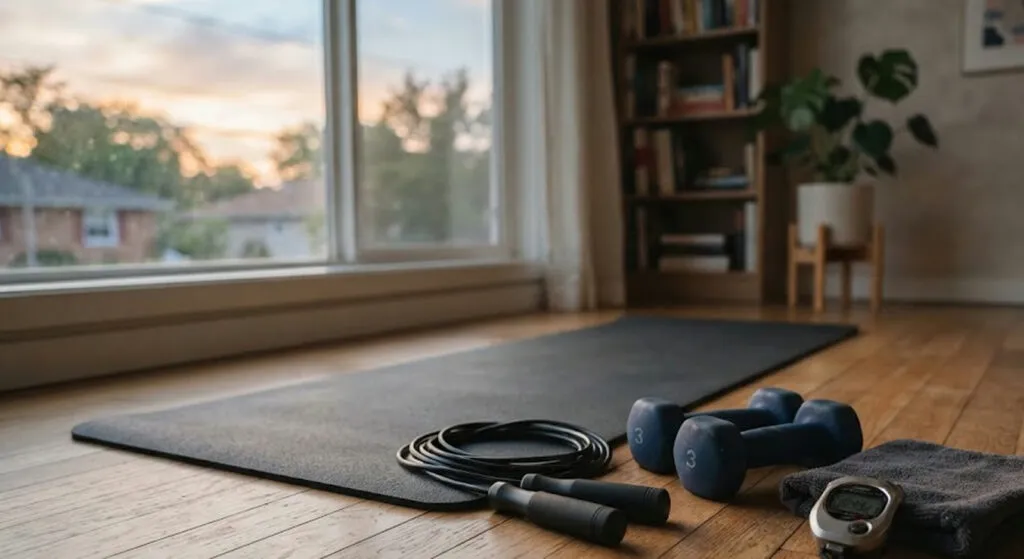
It sounds like an ad for the lazy, but the number only covers the intense intervals. The rest of the...

The best way to rescue apples that have started going soft. It works for breakfast, in a cake and -...

The British psychiatrist discovered gardening through her husband and now argues that greenery lowers cortisol. The garden doesn't replace medication...
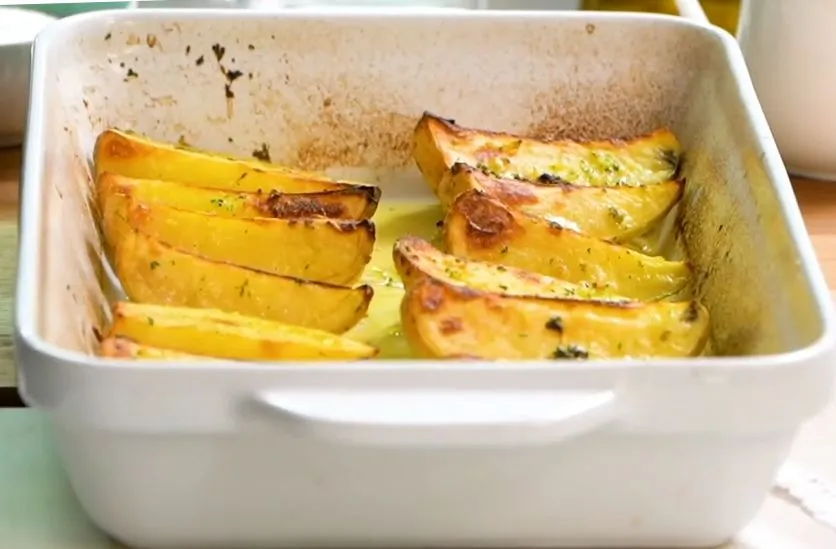
One of the cheapest side dishes usually gets ruined in the most banal way: crammed into the tray, the potatoes...
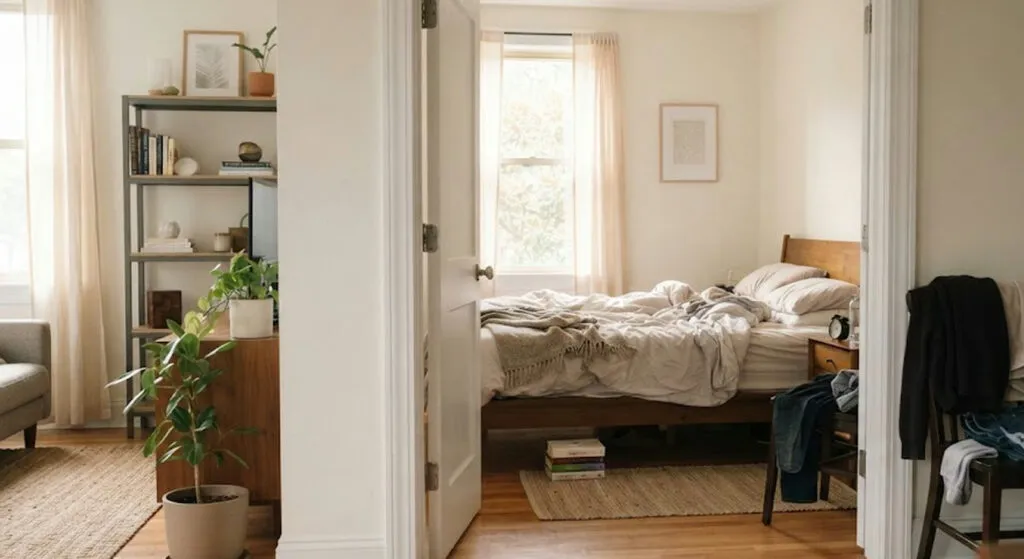
A tidy living room, an unmade bed. You're not lazy - you just know who's looking at what. Mess becomes...
This site uses cookies - is that okay? Learn more
Be the first to know when Metla launches something new
Leave your email and we will write when there is a new guide or something new on Metla.