


They Rode In on Scooters, Torched the Shops and Left: The Fire in Shuto Orizari Burned for Three Hours, Setting It Took Fifty Seconds
13.09.2026


13.09.2026

13.09.2026
13.09.2026
13.09.2026

13.09.2026

13.09.2026

13.09.2026

12.09.2026

11.09.2026

13.09.2026

13.09.2026

12.09.2026

13.09.2026

13.09.2026

13.09.2026

13.09.2026

12.09.2026

11.09.2026

13.09.2026

13.09.2026

13.09.2026

13.09.2026

13.09.2026

12.09.2026

09.03.2026

27.02.2026

19.02.2026

13.09.2026

12.09.2026

11.09.2026

23.04.2026

23.04.2026

12.04.2026

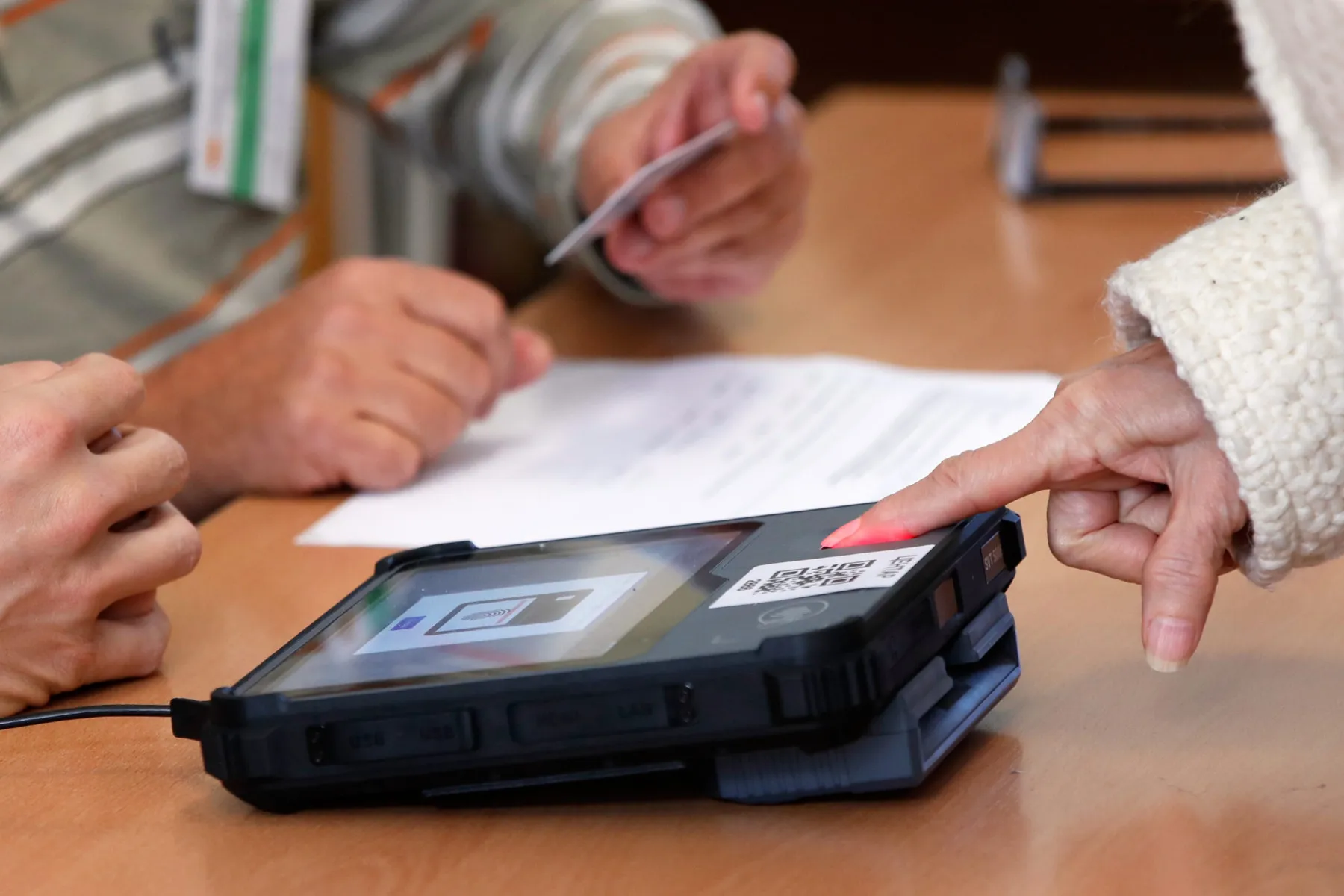
The deadline for a new Electoral Code has expired, and the government has a ready-made headline for the public: Macedonia lost around 4 million euros in European funds, and it is the opposition's fault. Except that, in the whole story about the lost millions, one number is quietly left out - the roughly 10 million euros of public money that the biggest parties will once again divide among themselves.
With the reform gone, the existing model of paid political advertising stays in force. That means the state will keep filling party budgets with our money - under the excuse that this is how democracy works. The Left party, which opened this question, argues that this is exactly what neither of the two biggest parties minds.
According to the party, in the final stretch of the talks VMRO-DPMNE pushed away the topic of a single electoral district - even though that was one of its own pre-election promises - and instead opened a new question about voting from abroad. SDSM, for its part, refused to attend a coordination meeting to align on a single electoral district. The result: no new Code, no single electoral district, no scrapping of payments for political advertising.
This is worth pausing on. The reform was sold as democratisation, and it fell at the very moment it was supposed to touch the two things that directly protect the advantage of the biggest parties - the six electoral districts and the state money for ads. A coincidence? Or was that precisely the point?
When the public is served lost European millions as the news of the day, it is easy to overlook that the same people mourning 4 million from the outside stay silent about 10 million from the inside. The question is not who lost the European money. The question is who it suited to have no reform - and who will pay those 10 million. The answer, as ever, is us.
The latest 10 news from this category
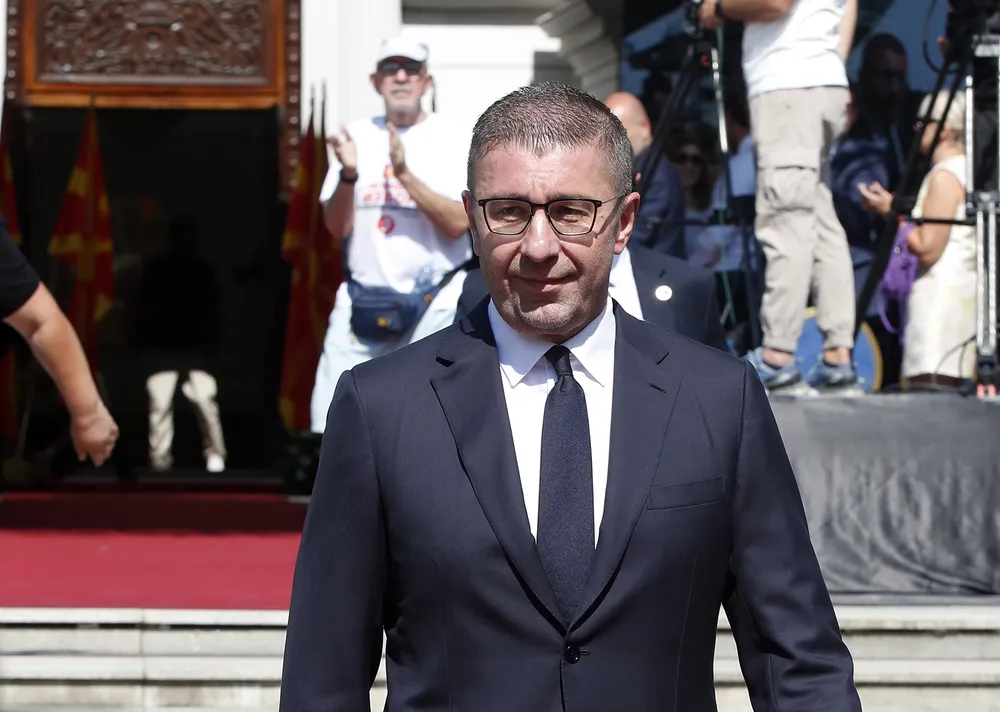
Five negations in one sentence, pension growth "16 times higher" with not a single figure beside it, and a third...
One side waits for a letter, another waits for a different commission, a third waits for consent. In those same...
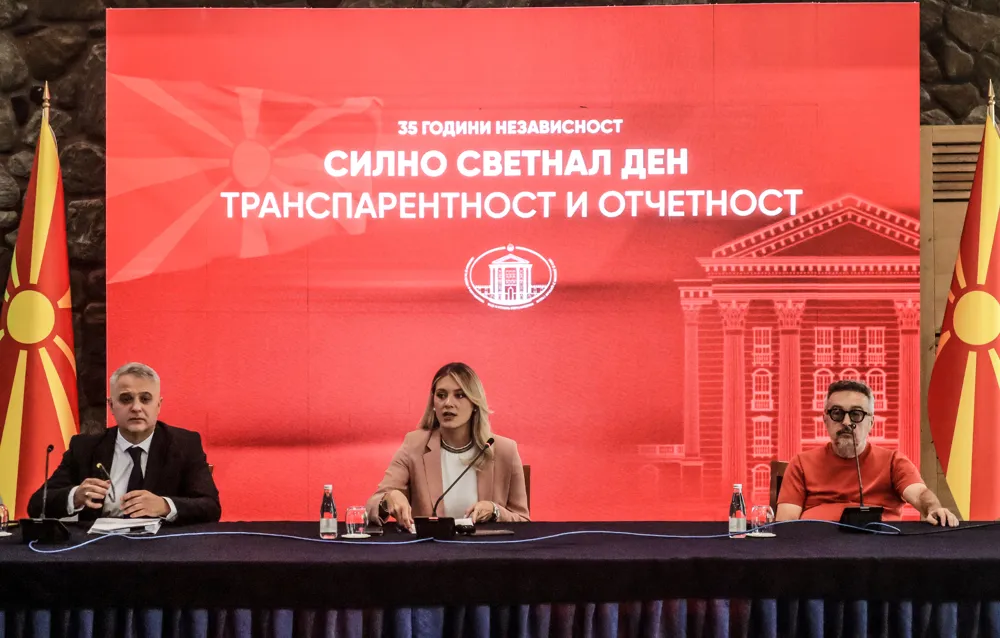
The commission's chairman says it only checked whether the documents were complete. The public call says something else entirely -...
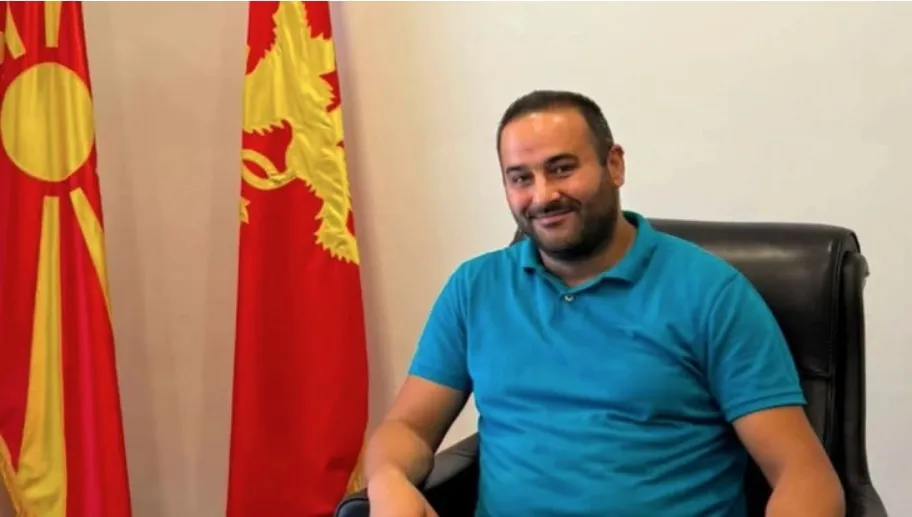
Three candidates, two of them lawyers, one of them employed by the very municipality he is running for. The line...
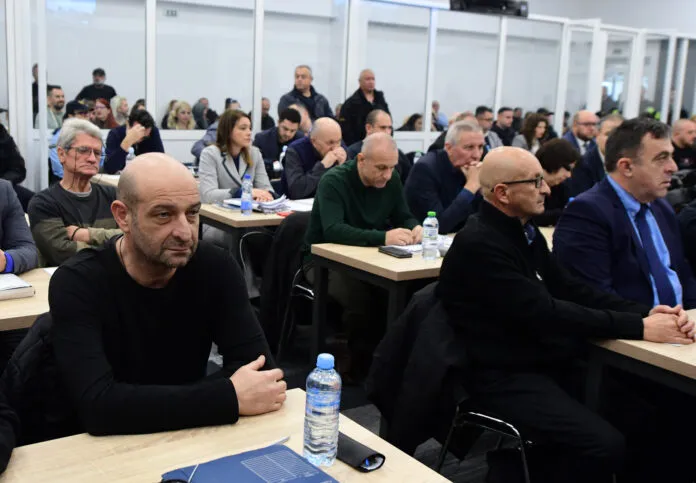
People are sitting in prison on the basis of verdicts that no longer exist, because the written reasoning has not...

The government says the celebration cost citizens nothing from the budget. But the chairman of the committee that assessed the...
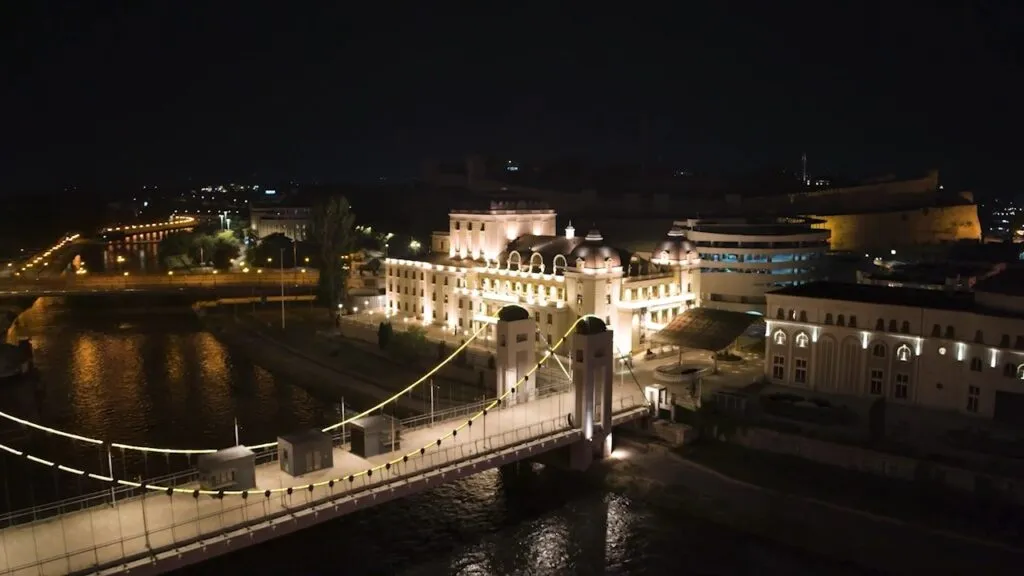
The government tasked the Lottery on 28 April, two days later a call went out with a five-day deadline, and...
The opposition estimates at least a million euros for David Guetta's set alone and up to five million in total....
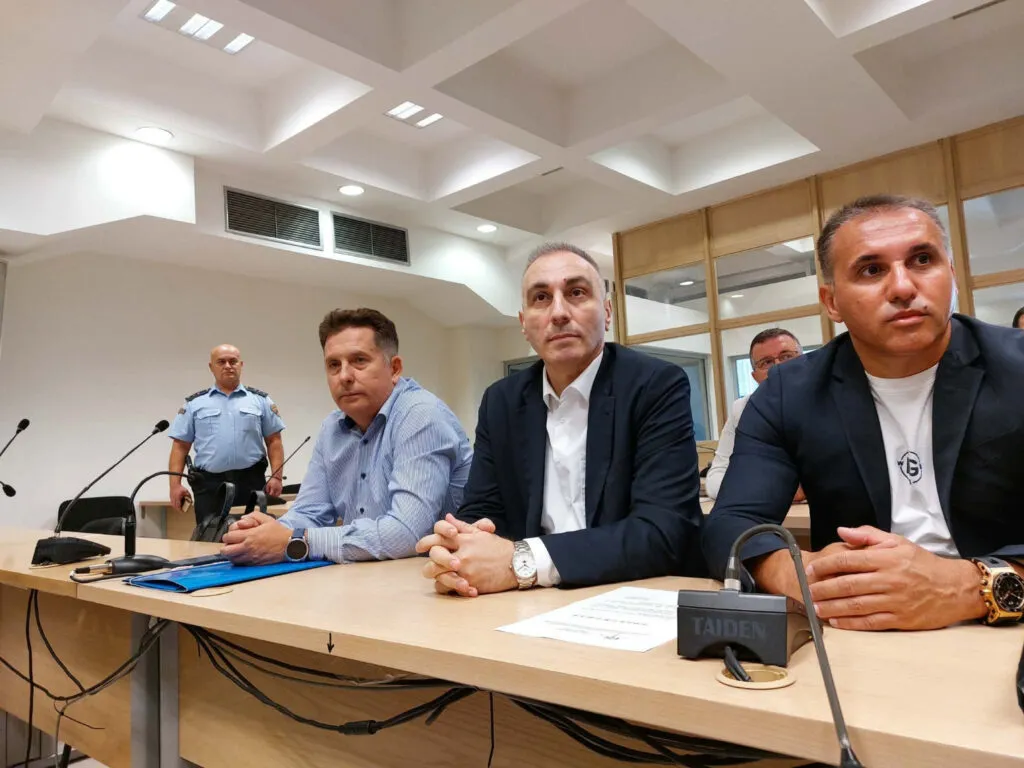
In court, Grubi said a short "No". The prosecution raised the damage by one and a half million euros -...
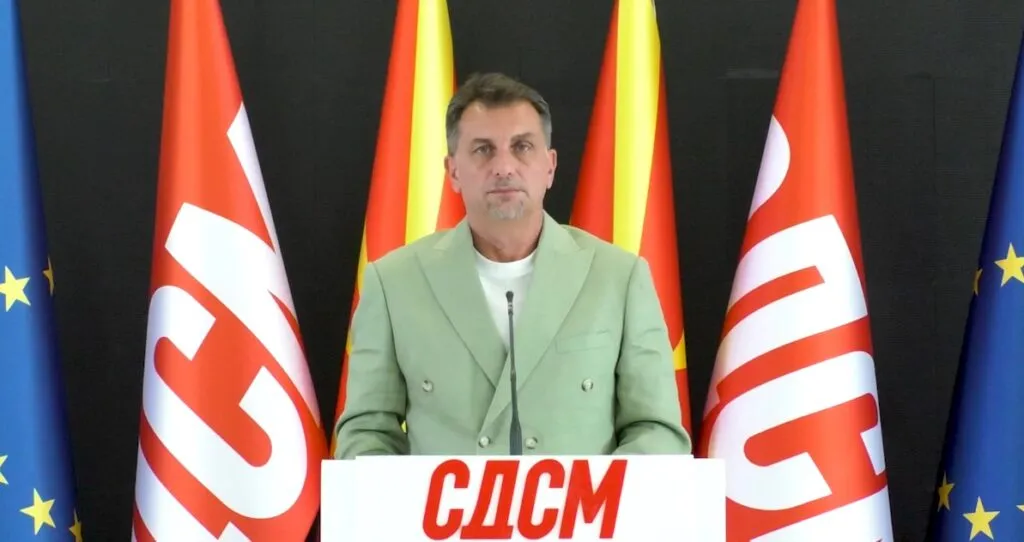
The opposition says around 250 children with disabilities started the year without an assistant. The ministry says a record 1,524...
This site uses cookies - is that okay? Learn more
Be the first to know when Metla launches something new
Leave your email and we will write when there is a new guide or something new on Metla.
