Slaveski Tells Filipče to Delete His "Shameful Post": Alta Banka's Customers Got a Duel on X Instead of a Deadline
02.11.2026


02.11.2026
02.11.2026
02.11.2026

02.11.2026
02.11.2026

02.11.2026
02.11.2026

02.11.2026

01.11.2026

02.11.2026

02.11.2026

01.11.2026

02.11.2026

02.11.2026

02.11.2026

02.11.2026
01.11.2026
31.10.2026

02.11.2026

02.11.2026

02.11.2026

02.11.2026

01.11.2026
01.11.2026
02.11.2026
01.11.2026
01.11.2026

23.04.2026

23.04.2026

12.04.2026

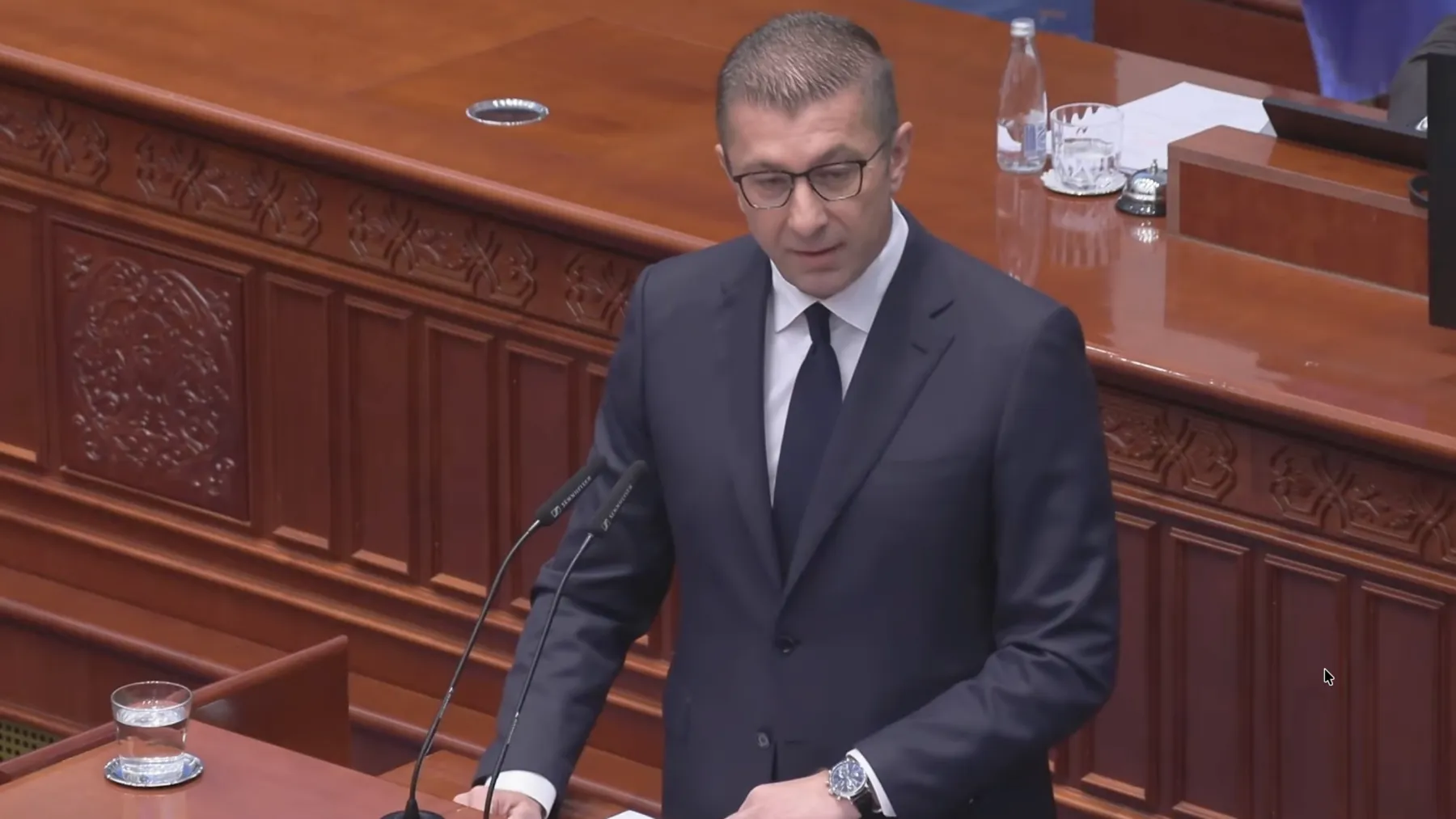
Parliament is debating the government reshuffle today, and Prime Minister Hristijan Mickoski justified it with familiar rhetoric: „The government is not a place for comfort, but for results." Nice words - but behind them hides what every reshuffle actually means: swapping armchairs.
The changes hit six ministries. Out go the ministers for justice (Igor Filkov), health (Azir Aliu), agriculture (Cvetan Tripunovski), social policy (Fatmir Limani), culture (Zoran Ljutkov) and one minister without portfolio. New names take their place - among them Jeton Šašivari on justice, Sašo Klekovski on health and Đoko Velkovski on social policy.
Mickoski defends the reshuffle as a principle: „The principle of accountability applies equally to everyone." He also boasted of results - the culture budget reportedly grew from 768 million to over 1.07 billion denars, and over 15 billion denars were distributed for agriculture from July 2024 onward.
But let's ask the question every citizen is thinking: if these ministers worked as well as they're now bragging, why replace them? And if they didn't, why did they stay in office for so long? A reshuffle always sells itself as a refresh, but it's often just a new arrangement of the same chairs among the same people.
The opposition has already called the move „theater for the people." And that's the real test - not how many ministers get replaced today, but whether the new ones will bring something different for the ordinary citizen, or just take over the same armchairs with new names on the door. The results, as the prime minister himself says, are what will speak - but we only see them once the cameras go off.
The latest 10 news from this category

The opposition announces an interpellation and demands an investigation, the governor answers with "Is that clear now?" How long the...

Mickoski counts a gain of 1,200 votes since the first round, but he doesn't have Brvenica. "Alone against everyone" sounds...

The opposition claims it warned for months, the prime minister leaned on the National Bank's checks. Somebody vetted the bank...

On 1 November Sofia elects its head of state. The debate was a squabble over who deserves the credit for...
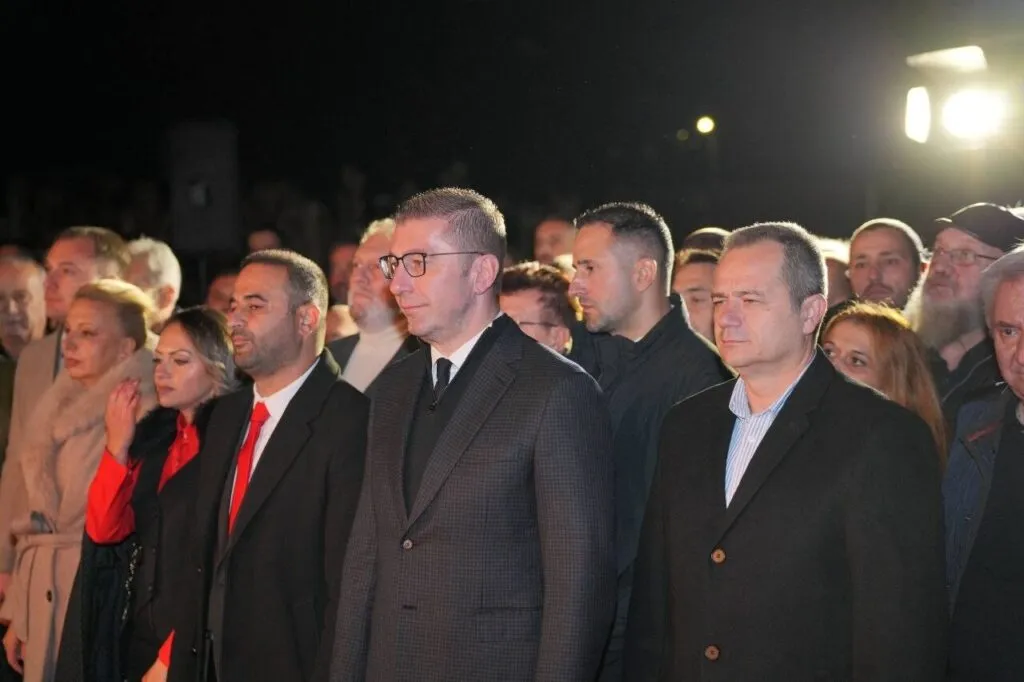
At his closing rally he talked about unity and institutions that serve the citizen. Then, from the stage, he pointed...

On television, a bishop wished one party the longevity of a president for life and accused journalists of financial interest....
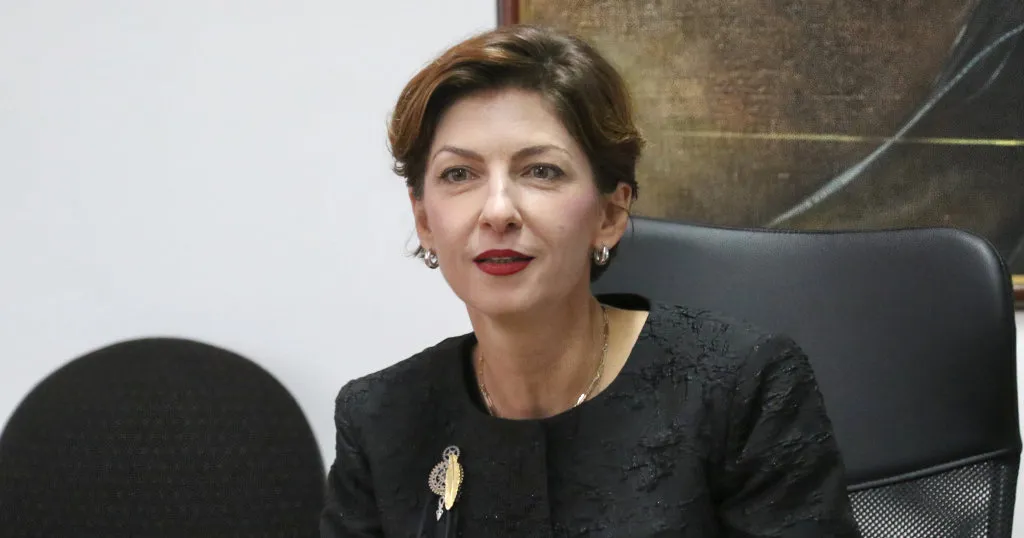
Iskra Hadži Vasileva is the new head of the Organized Crime Prosecutor's Office, chosen by her colleagues rather than by...
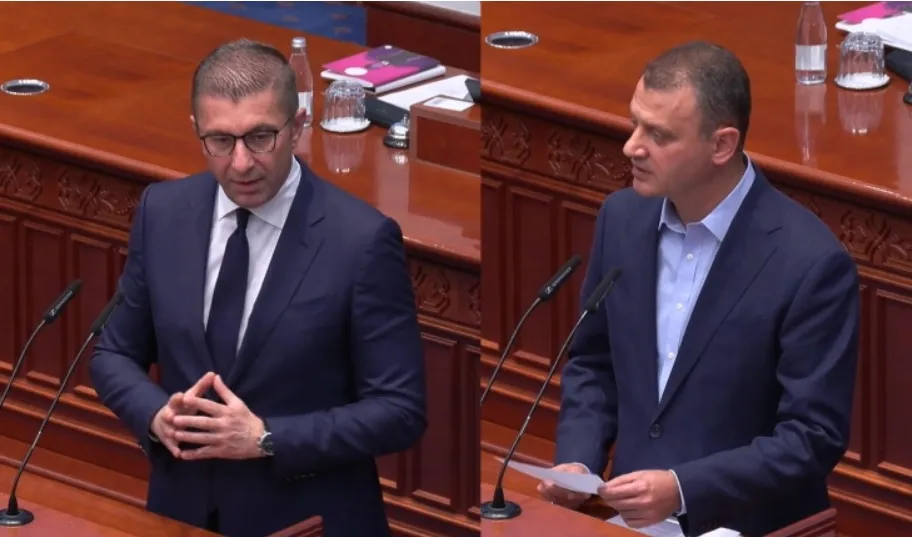
The prime minister promises a public debate and parliamentary oversight of the merged agency. The opposition brings up the wiretapping...
64 votes to 57, in an election where only prosecutors vote, not the ruling majority. A rare procedure in which...
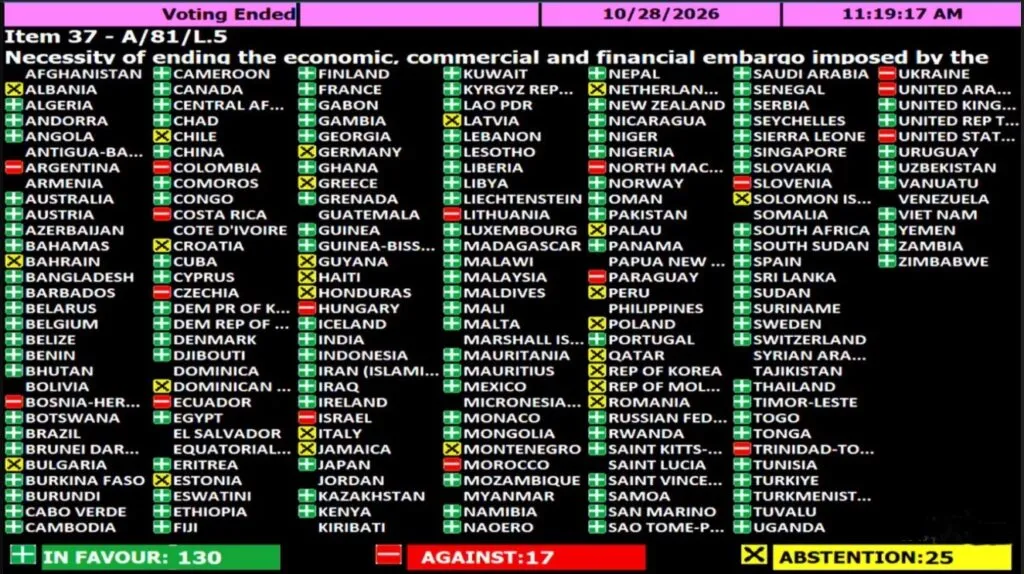
130 countries voted to lift the US embargo, 17 against. Macedonia is among those 17 for the second year running,...
This site uses cookies - is that okay? Learn more
Be the first to know when Metla launches something new
Leave your email and we'll write to you when there's a new guide or something new on Metla.